
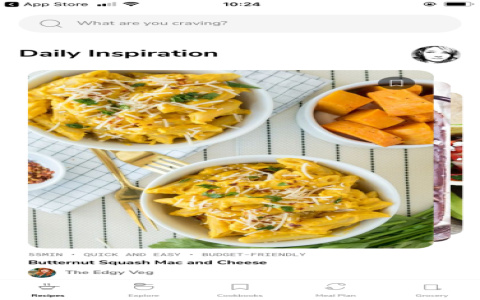

The Impact of Free Recipe Apps on Modern Cooking Culture
In the digital era, technology has reshaped how we discover culinary ideas. Free recipe apps, now common on phones and tablets, have become everyday kitchen companions. This article explores why these apps matter, how they influence home cooking, and the advantages they bring to cooks of every level.
The Rise of Free Recipe Apps
Smart devices put endless inspiration one swipe away. Free recipe apps seized this moment by offering thousands of dishes, tips, and video guides without charging a cent. Their instant access and vast libraries have turned them into go-to tools for weeknight dinners and weekend experiments alike.
Accessibility and Inclusivity
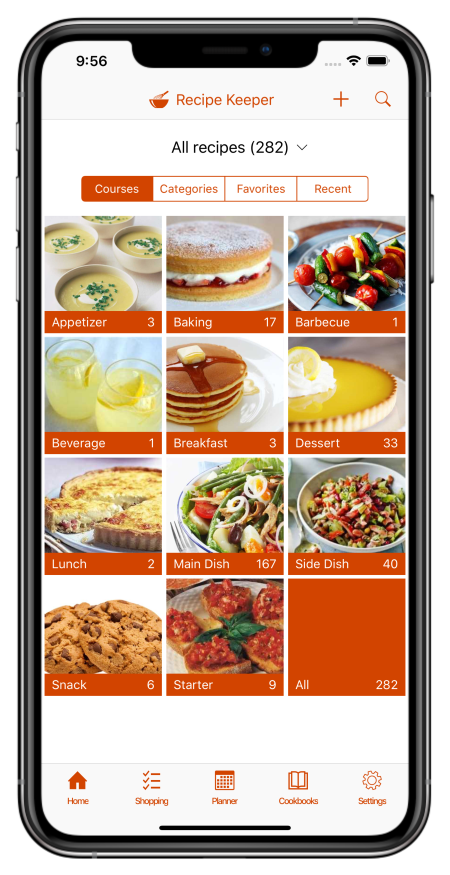
Unlike heavy paper volumes, these apps travel in your pocket and cost nothing to install. Anyone with a phone can browse global cuisines, learn new skills, and cook confidently without investing in shelves of books.
Filters for plant-based, gluten-free, low-sugar, and other needs ensure that eaters with special diets can quickly locate suitable meals, making the kitchen a more welcoming place for everyone.
Enhancing Cooking Skills
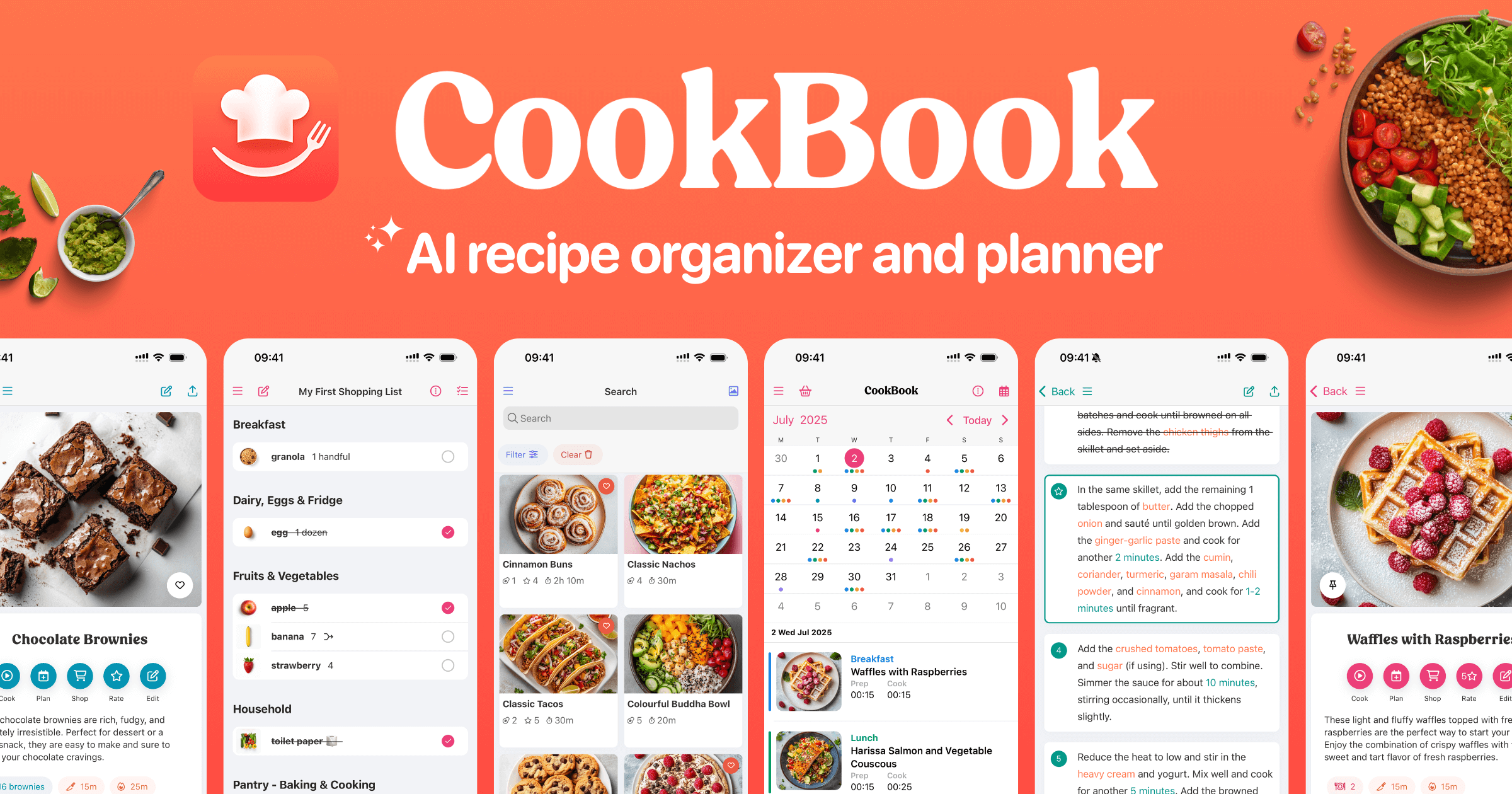
Step-by-step photos, short clips, and built-in timers demystify everything from chopping an onion to folding dumplings. Interactive checklists keep ingredients organized, encouraging users to attempt dishes they once thought too difficult.
By repeating these guided lessons, home cooks steadily sharpen technique, boost creativity, and gain the courage to improvise on their own.
Community and Collaboration
Many apps invite users to post results, swap tweaks, and cheer one another on. This exchange sparks new ideas and turns solitary cooking into a shared, social experience.
Easy sharing buttons also spread mouth-watering photos across social feeds, inspiring friends to join the fun and keeping the culinary conversation alive beyond the app itself.
The Economic Impact
Free apps still support the food ecosystem. Optional upgrades, branded partnerships, and gentle ads keep the lights on for developers while motivating shoppers to buy fresher produce and handy gadgets, benefiting markets and kitchen-supply stores alike.
Challenges and Concerns
Quantity does not always equal quality; some instructions lack testing or clarity. Users must compare comments and ratings to avoid disappointing results.
Additionally, recipe originality can be murky. Developers need clear attribution practices to respect creators and avoid legal tangles.
Conclusion
Free recipe apps have widened the doorway to confident, creative cooking. They invite diverse voices, teach technique, and build friendly networks around food. Yet the community thrives best when both makers and users value accuracy, honesty, and respect for culinary sources.
Continued focus on reliable content and fair credit will ensure these pocket mentors remain trusted guides for the next generation of home chefs.
Recommendations and Future Research
To keep momentum positive, consider the following steps:
1. Teams should test every recipe and update instructions promptly when feedback highlights problems.
2. Clear policies on attribution and user-generated content will protect originators and foster trust.
3. Scholars could study how daily use of these apps shapes long-term eating habits, regional food traditions, and grocery trends.
By refining quality safeguards and exploring real-world effects, free recipe apps can continue nourishing curiosity and connection at tables across the globe.


