
The Art and Science of Cooking: Exploring the Culinary Universe
Introduction
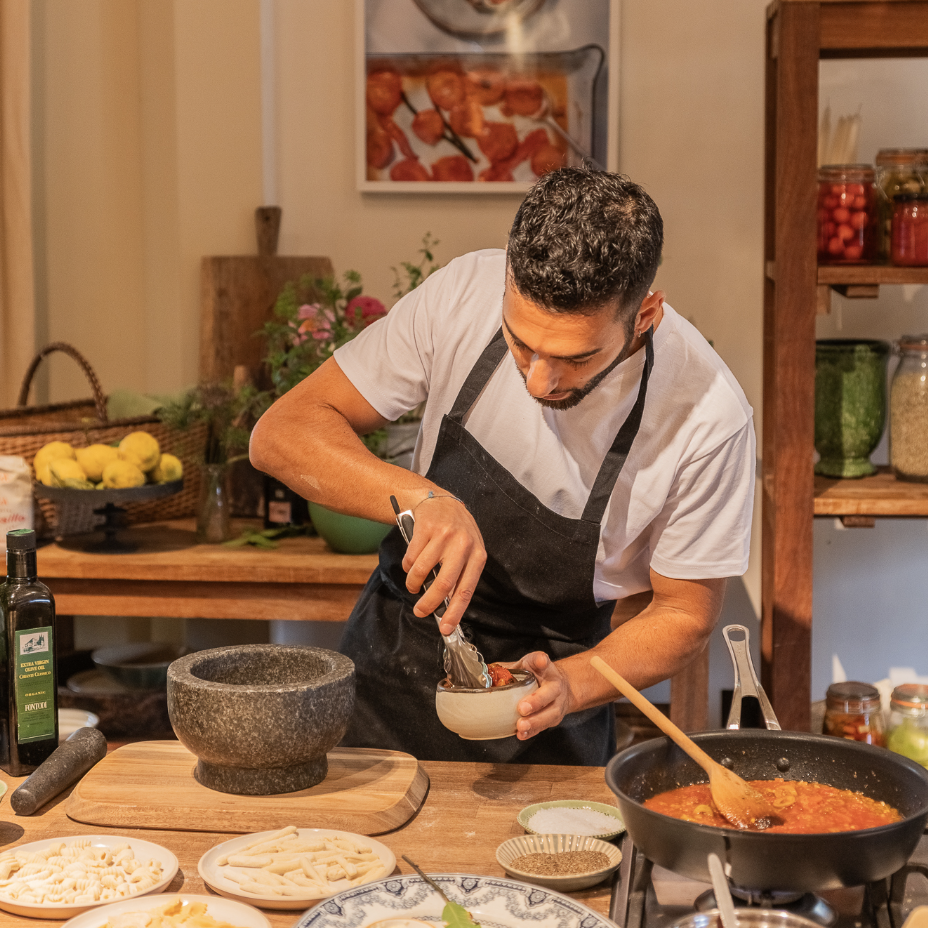
Cooking is far more than a daily chore; it is a creative craft, a laboratory of flavor, and a mirror of culture. Since prehistoric times, the act of transforming raw ingredients has influenced human health, forged social bonds, and preserved collective identity. This article journeys through the history, science, and global traditions that make the kitchen a universal meeting place.
The Historical Significance of Cooking
Early Beginnings and Evolution
When early communities first applied fire to food, they unlocked softer textures, safer meals, and new tastes. Each generation refined the process—developing clay vessels, grinding stones, and eventually metal pans—steadily expanding the possibilities of what a meal could be.
Cooking as a Cultural Practice
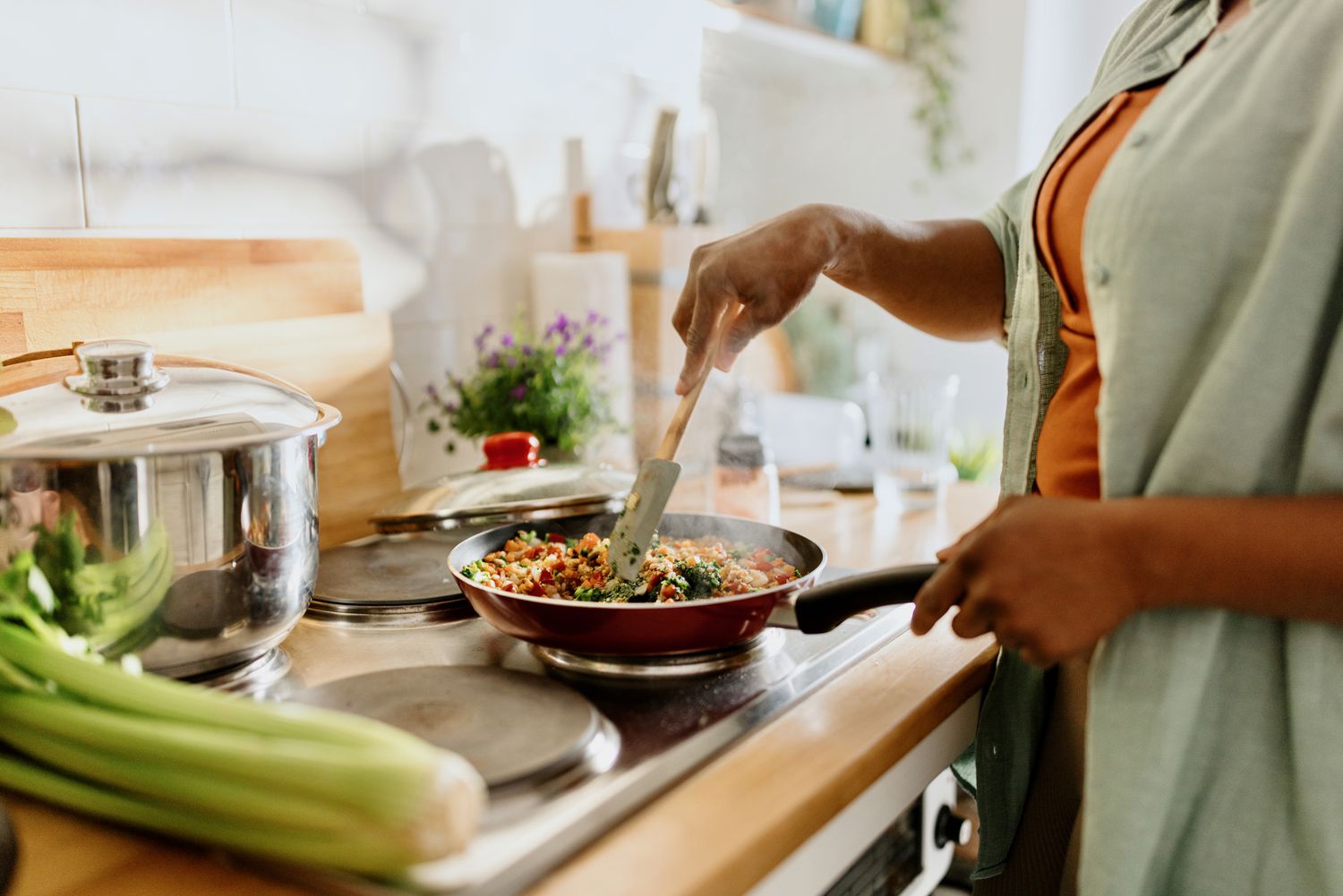
Across continents, recipes travel like spoken stories, carrying memories of harvests, migrations, and celebrations. Shared stoves and communal ovens continue to turn neighbors into extended families, proving that a simple dish can strengthen the fabric of society.
The Science of Cooking
Chemistry in the Kitchen
Heat triggers countless reactions: sugars caramelize, proteins unwind, and aromas bloom. The Maillard reaction, responsible for the golden crust on bread and the savory depth of roasted vegetables, is just one example of how precise temperatures translate into complex flavors.
Food Safety and Nutrition
Proper heat eliminates many microscopic hazards, while techniques such as fermentation can boost beneficial compounds. Balancing time, temperature, and technique allows cooks to maximize both safety and nutrient value on the plate.
Culinary Traditions Around the World
Italian Cuisine
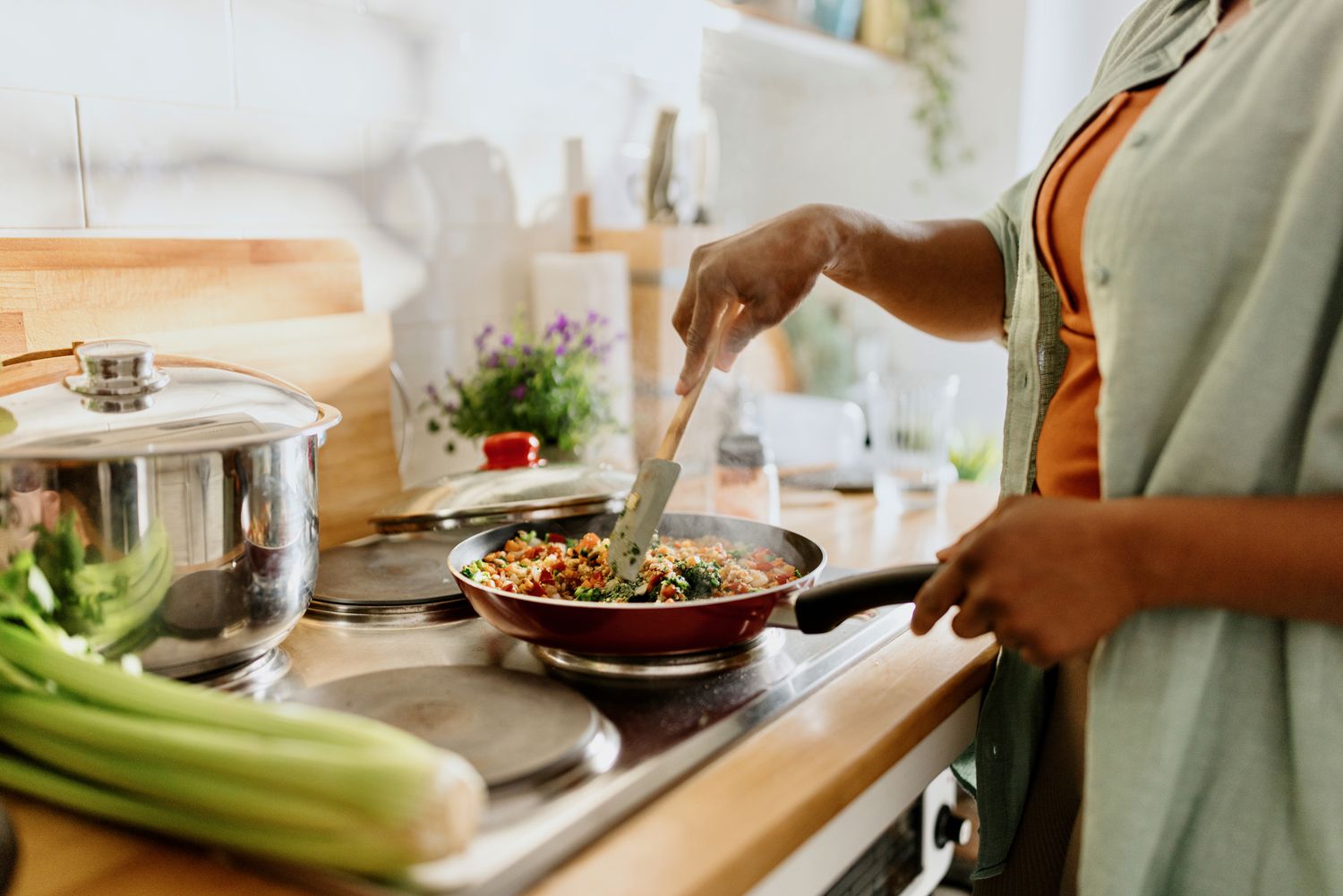
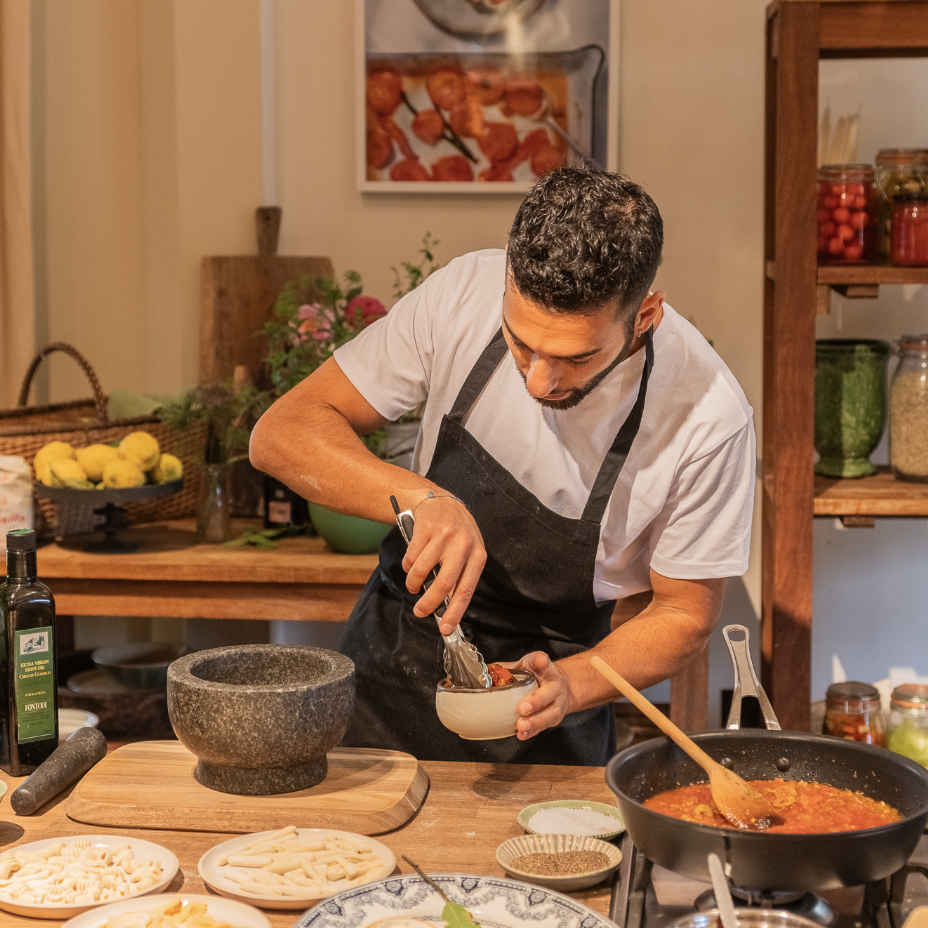
From silky risottos to sun-kissed tomato sauces, Italian cooking celebrates restraint and peak-season produce. A handful of quality ingredients, treated with respect, becomes a comforting testament to regional landscapes and centuries-old stewardship.
Japanese Cuisine
Precision guides the Japanese kitchen: knife cuts are deliberate, broths simmer patiently, and presentation honors natural form. Whether it is a piece of delicate sashimi or lightly battered tempura, the goal is to let the ingredient speak for itself.
Indian Cuisine
Aromatic spice blends distinguish Indian dishes, varying from subtle to bold as one moves across provinces. Techniques such as slow simmering, tandoor roasting, and tempering in hot oil layer flavors, turning lentils, vegetables, and grains into fragrant celebrations.
The Future of Cooking
Technological Advancements
Induction surfaces, app-connected ovens, and immersion circulators are entering home kitchens, offering accuracy once limited to professional settings. These tools shorten the path between curiosity and consistent results, inviting more people to experiment confidently.
Sustainability and Health
Modern cooks increasingly weigh environmental impact alongside flavor. Embracing plant-forward plates, reducing waste through nose-to-tail or root-to-leaf cooking, and choosing seasonal produce are small decisions that collectively shape a healthier planet.
Conclusion
Whether guided by great-grandmother’s intuition or a digital thermometer, cooking remains an ever-evolving dialogue between people and their sustenance. By honoring time-tested customs while welcoming new knowledge, every meal becomes an opportunity to nourish body, community, and creativity.
The road ahead promises fresh ingredients, smarter gadgets, and deeper respect for the resources that feed us. As we stir, sear, and share, we continue a story that began with firelight and carries on around dinner tables yet to be set.
In the end, cooking is an invitation—to taste, to gather, and to remember that the simplest dish can carry the greatest meaning.