

A World of Flavors: Discovering Global Cuisines
Introduction
Food is more than sustenance; it is a living record of culture, geography, and shared memory. Across continents, kitchens tell stories through scent, color, and taste. This brief tour invites you to sample the guiding ideas behind some of the world’s best-loved culinary styles and to consider why they matter to the people who cook them every day.
Global Cuisines at a Glance
Every region turns local harvests into signature dishes. Below are a few emblematic styles that have travelled well beyond their birthplaces.
1. Mediterranean Fare
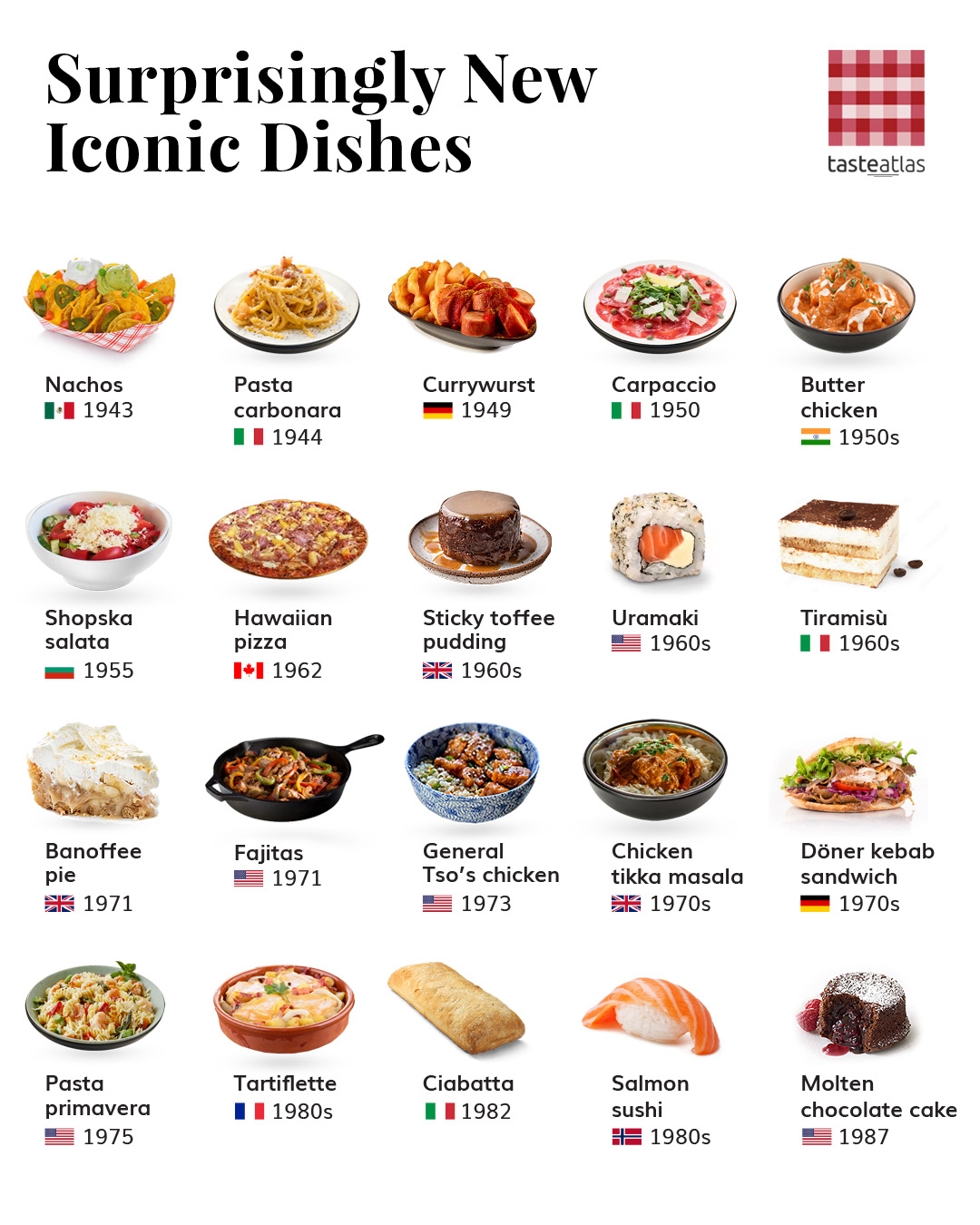
Sun-drenched produce, grains, and olive oil shape menus from Greece to the Levant. Classics such as layered vegetable bakes, citrus-kissed seafood, and saffron-scented rice remain popular far from the shoreline.
2. Asian Traditions
From umami-rich broths to vibrant curries, Asian cooking prizes balance. Techniques like quick stir-frying, gentle steaming, and long simmering coax varied textures from rice, noodles, soy, and seasonal vegetables.
3. European Kitchens
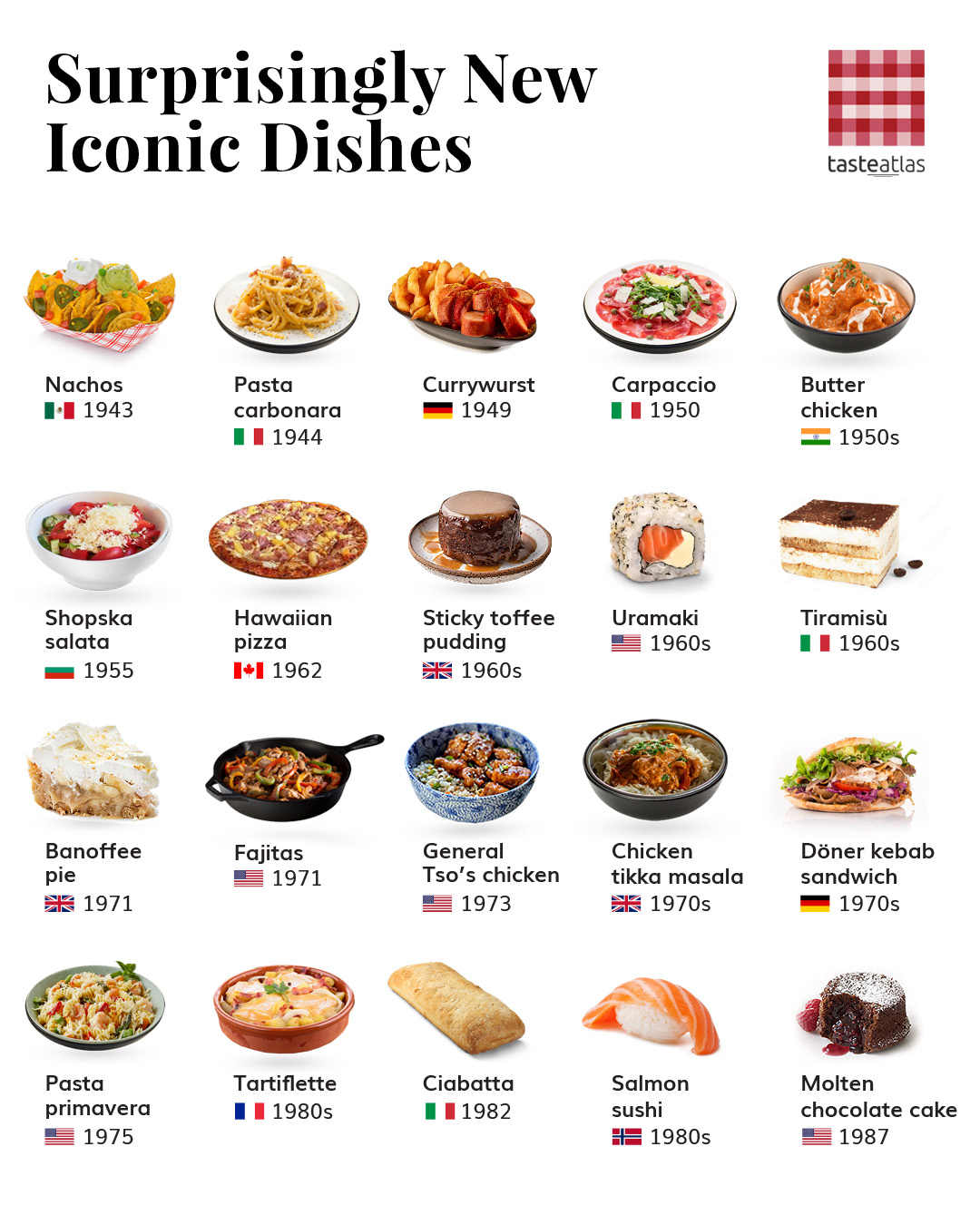
Europe’s tables showcase both rustic and refined ideas. Butter-based sauces, slow-braised meats, and crusty loaves sit beside tomato-forward pastas and delicate pastries, illustrating a deep respect for regional ingredients.
4. African Flavors
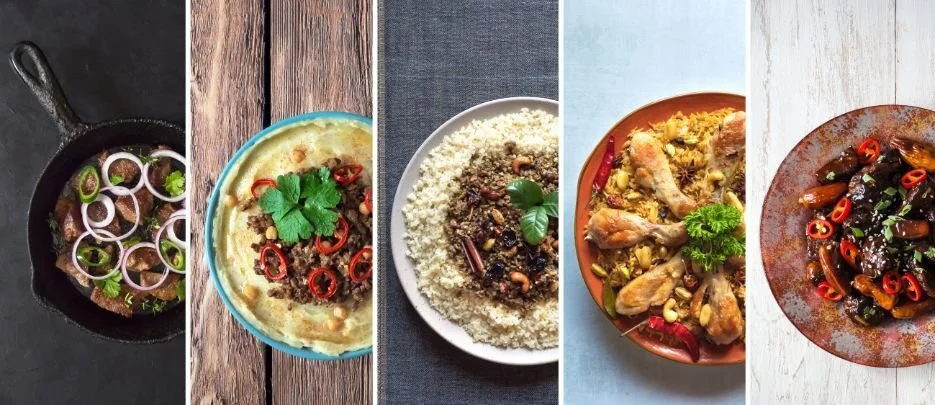
Africa’s cuisines layer native grains, tubers, and spices into hearty stews and flatbreads. Slow-cooked one-pot meals, fragrant spice blends, and fermented staples create bold, comforting plates.
Why Cuisine Matters Culturally
Recipes act as heirlooms, anchoring identity and community in several important ways.

1. Keeping Heritage Alive
Grandparents teach grandchildren how to fold dumplings, pound spice pastes, or tend a clay oven. These shared moments safeguard language, ritual, and memory.
2. Building Social Bonds
Communal ovens, street-food stalls, and family tables give neighbors a place to meet. A simple meal can turn strangers into friends and celebrations into lifelong recollections.
3. Inspiring Fusion
As people move, ingredients meet new techniques. The result is creative crossover cooking—tacos filled with kimchi, pizza topped with harissa—showing how food evolves while honoring its roots.
Key Ingredients That Define Dishes
Certain staples instantly signal a culinary tradition.
1. Warm Spices
Toasted seeds and ground seasonings add depth to sauces and rice, turning everyday ingredients into aromatic centerpieces.
2. Quality Oil
A drizzle of cold-pressed oil can brighten salads, finish soups, and replace solid fats, lending fruitiness and a silky mouthfeel.
3. Versatile Grains
Whether steamed, puffed, or rolled into noodles, grains provide the neutral canvas that carries stronger flavors while supplying steady energy.
Health on the Plate
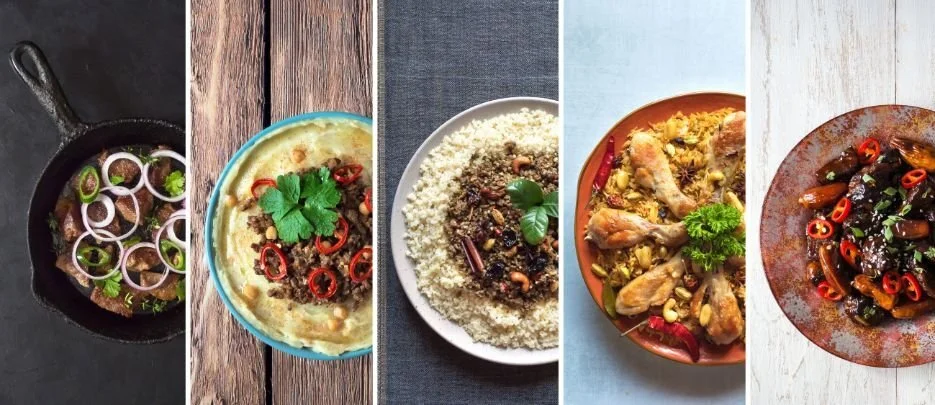
Eating patterns rooted in whole produce, legumes, and healthy fats often align with positive wellness outcomes. Balanced portions, minimal processing, and mindful cooking methods help support long-term vitality without sacrificing pleasure.
Conclusion
Exploring global cuisines is a delicious way to celebrate human creativity. Each dish encodes climate, history, and shared values, reminding us that the simplest meal can carry profound meaning. By tasting thoughtfully and cooking respectfully, we keep these edible stories alive for the next table of guests.


