

Title: Mediterranean-Inspired Recipe Collections: A Practical Guide to Everyday Wellness
Introduction:
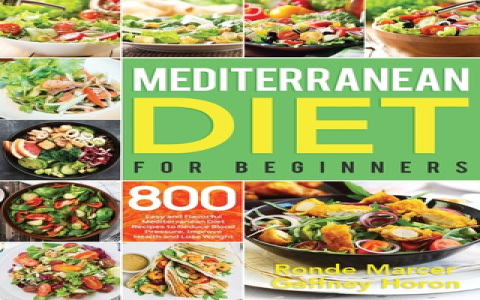
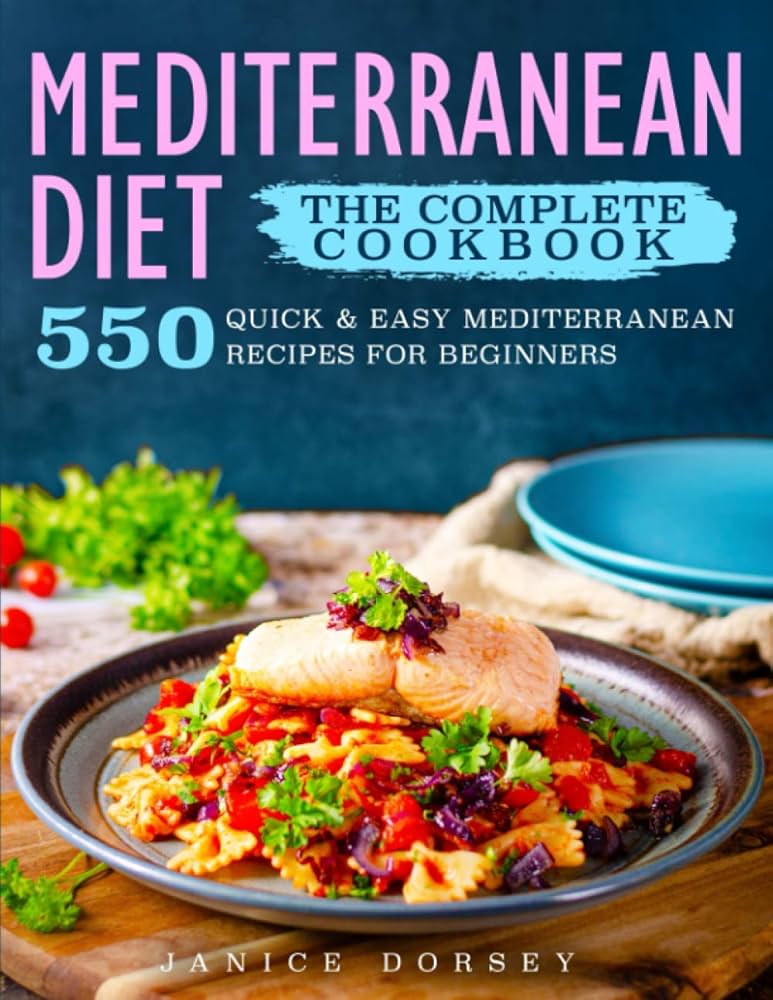
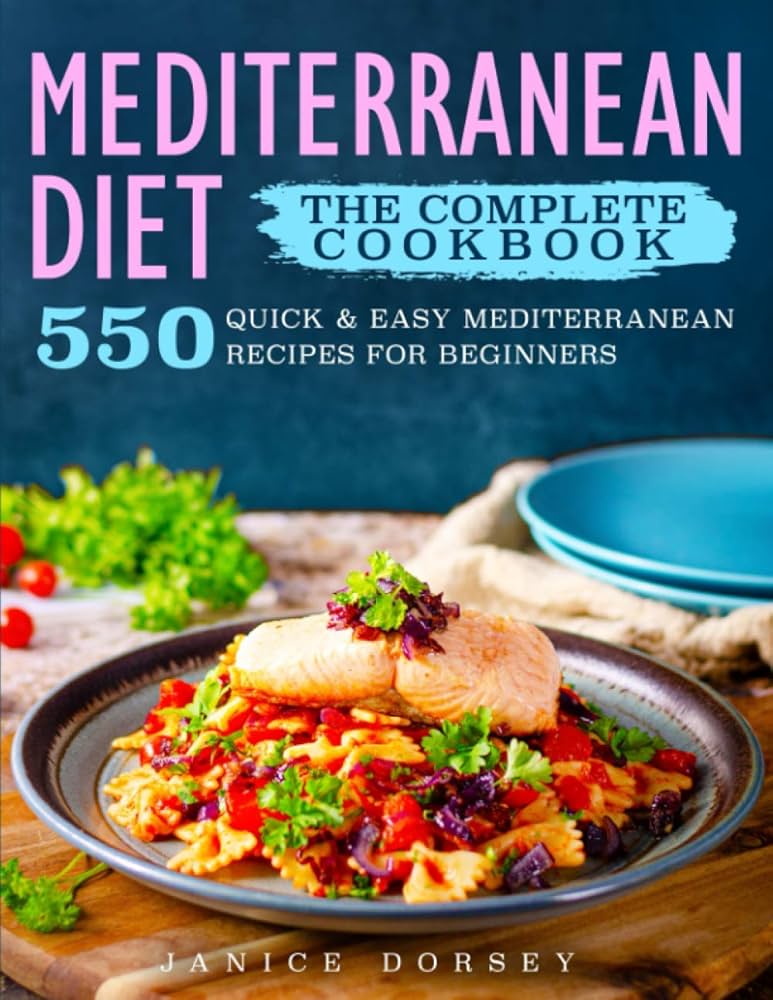
The Mediterranean way of eating has captured global attention for its balanced approach to food and life. Rooted in coastal traditions, it highlights seasonal produce, whole grains, pulses, nuts, olive oil, and seafood. Recipe collections inspired by this style translate these staples into everyday dishes, making vibrant, nutrient-dense meals simple to prepare. This overview looks at why such books matter, the advantages they offer, and how they can support long-term well-being.
Understanding the Mediterranean Approach
More than a set of rules, this pattern of eating is a cultural habit that favors minimally processed ingredients, healthy fats, and plant-forward plates. Regular use of herbs, spices, and shared meals adds flavor and social enjoyment. Core elements include:
1. Colorful produce: a rainbow of fruits and vegetables for vitamins, minerals, and fiber.
2. Whole grains: brown rice, farro, and barley for steady energy.
3. Pulses: lentils, beans, and chickpeas for plant protein and texture.
4. Nuts and seeds: almonds, walnuts, and sesame for crunch and good fats.
5. Olive oil: the main culinary fat, prized for its mild taste and versatility.
6. Fish and seafood: enjoyed several times a week for omega-3 variety.
7. Aromatic seasonings: basil, oregano, cumin, and citrus to brighten dishes without excess salt.
The Role of Recipe Collections
Well-crafted cookbooks turn these principles into doable meals. They bridge the gap between theory and practice by offering:
1. Variety: menus for every season and mood, preventing kitchen boredom.
2. Nutritional notes: quick snapshots of fiber, protein, and healthy fat per serving.
3. Clear steps: straightforward instructions that welcome novices and seasoned cooks alike.
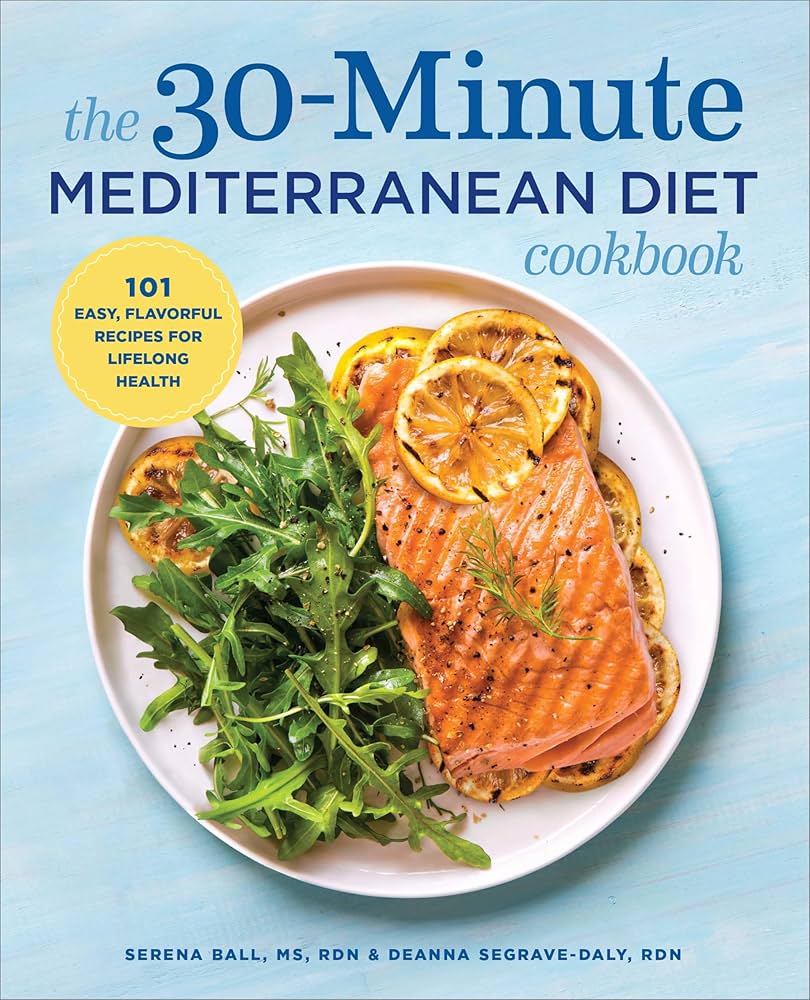
4. Time-smart options: thirty-minute suppers and make-ahead staples for busy weeks.
5. Creative sparks: ideas for swapping grains, trying new spices, or building colorful bowls.
Benefits of the Eating Pattern
Consistent evidence links this style of eating with wide-ranging positives:
1. Heart support: emphasis on healthy fats and antioxidants helps maintain normal cholesterol and blood pressure ranges.
2. Weight balance: high fiber and satisfying fats encourage mindful portions.
3. Cognitive care: nutrient-dense foods supply compounds that may slow age-related decline.
4. Blood-sugar steadiness: slow-release carbohydrates and healthy fats blunt post-meal spikes.
5. Lifelong vitality: population studies associate the pattern with longer, active lives.
Everyday Success Stories
People from varied backgrounds report noticeable changes after shifting their plates:
1. A middle-aged office worker replaced processed snacks with nuts and fruit, leading to steadier afternoon energy and improved check-up markers.
2. A retiree added more fish and leafy greens to weekly menus and found post-meal sugar readings easier to manage.
3. A busy parent swapped take-out for home-cooked grain bowls, gradually dropping extra weight without feeling deprived.
Conclusion
Recipe collections rooted in Mediterranean traditions serve as friendly roadmaps to healthier routines. By stocking pantries with staples outlined above and rotating simple, flavorful dishes, anyone can support heart health, steady weight, and overall zest for life. As interest grows, these books will keep guiding kitchens toward balanced, joyful eating.
Recommendations and Future Directions
Wider adoption can be encouraged through:
1. Clinicians offering vetted cookbooks during wellness visits.
2. Community classes that demonstrate quick Mediterranean-style meals on a budget.
3. Ongoing studies exploring how specific foods within the pattern influence gut health, mood, and aging.
In sum, thoughtful recipe guides make the Mediterranean approach practical, proving that wholesome food and great taste can share the same table.


