

The Art and Science of Dish Design
Introduction
Meals have anchored human culture for thousands of years, evolving beyond simple nourishment into artistic expression, cultural mirror, and everyday joy. Crafting a plate demands a careful blend of technique, balance, and visual appeal. This piece explores how thoughtful dish design takes shape, why it matters, and the subtle ways it shapes communities.
Why Dish Design Matters
Designing a dish is more than cooking; it weaves creativity, heritage, and fresh ideas into a single experience. The sections below highlight the main elements that give a plate its character and value.
Culinary Technique
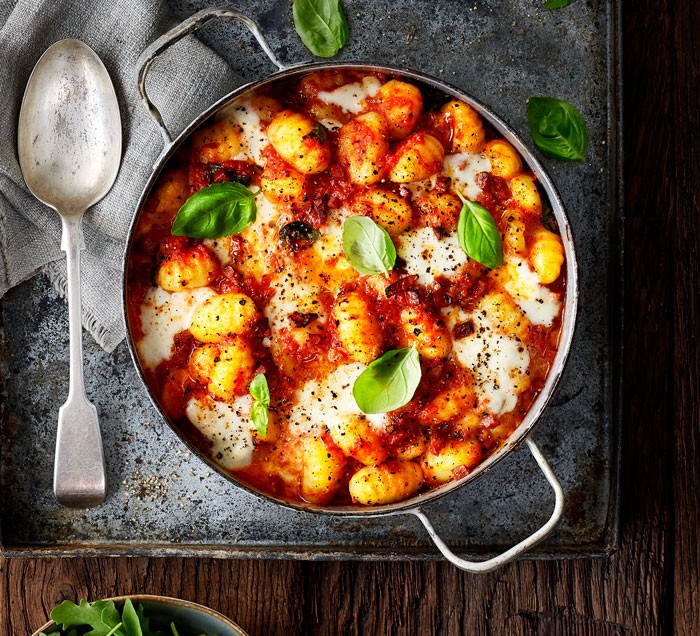
Solid technique forms the backbone of any memorable plate. Cooks rely on skills such as precise knife work, heat control, and timing to turn raw items into food that delights both palate and eye.
Nutritional Awareness
A well-composed plate satisfies hunger while supporting wellness. Awareness of how different items nourish the body helps cooks build menus that feel indulgent yet remain balanced.
Cultural Storytelling
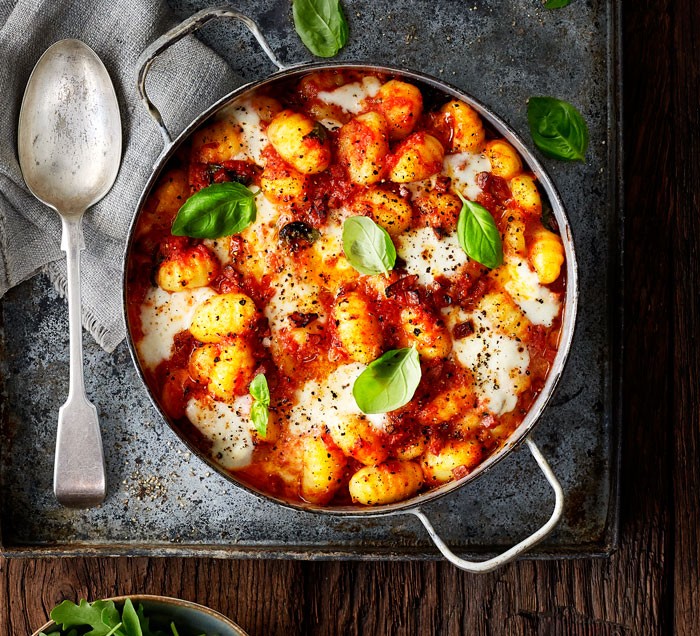
Recipes often carry the story of a region, passed down through generations. By honoring traditional flavors and methods, cooks keep these stories alive at the table.
Creative Exploration
Experimentation keeps cuisine vibrant. Swapping spices, re-imagining textures, or pairing unexpected elements can lead to plates that feel new yet instantly familiar.
Keys to a Successful Plate
Several details decide whether a dish merely feeds or truly captivates: ingredient integrity, cooking method, visual layout, and overall flavor harmony.

Ingredient Integrity
Fresh, seasonal items speak for themselves. Choosing produce at its peak and proteins handled with care lays the groundwork for flavor that needs little adornment.
Cooking Method
Whether searing, steaming, or slow-roasting, the chosen method coaxes specific tastes and textures from each component. Matching method to ingredient ensures every bite feels intentional.
Visual Layout

Height, color contrast, and negative space guide the eye before the first bite. A clear focal point and thoughtful garnish invite diners to pause and appreciate.
Flavor Harmony
A successful plate balances sweet, salty, sour, bitter, and umami, layering aroma and mouthfeel so no single note overpowers the rest.
How Dish Design Reshapes Society
Thoughtful plates ripple outward, influencing well-being, local economies, and cross-cultural understanding.
Well-Being
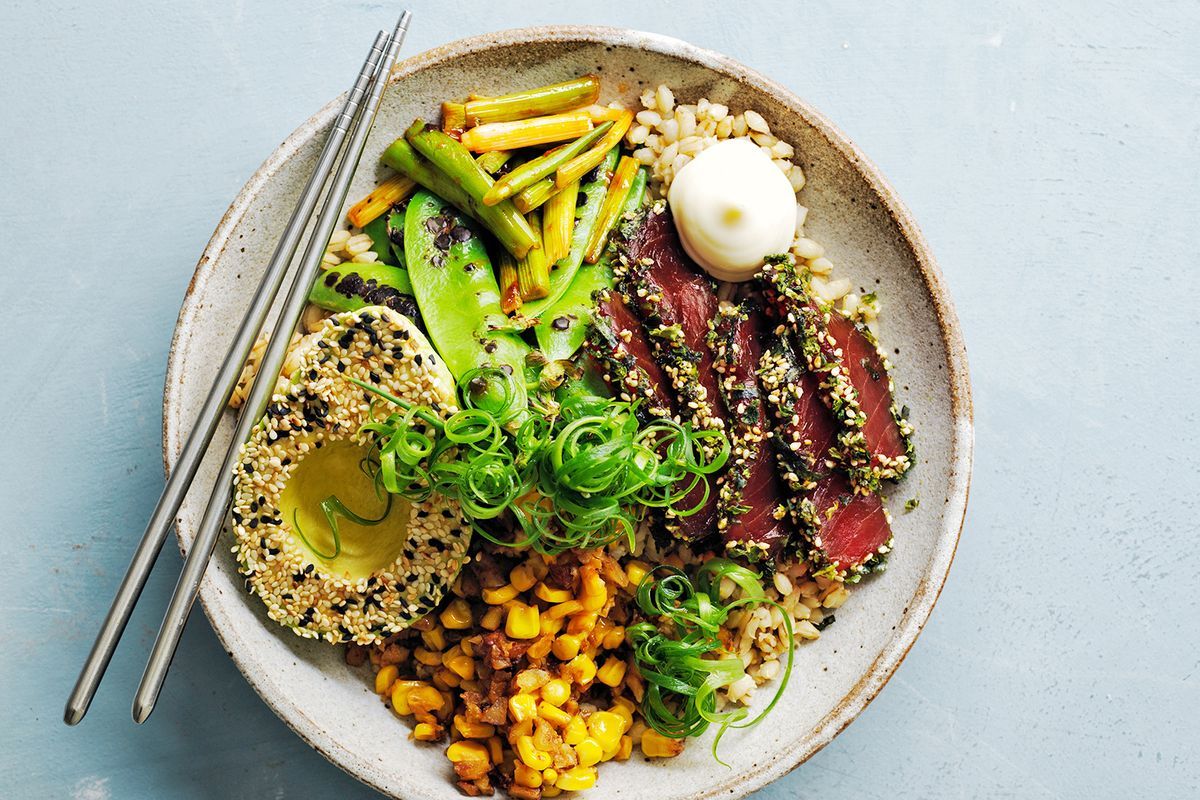
Menus built around variety and moderation encourage diners to enjoy food that supports long-term health without sacrificing pleasure.
Local Economies
Kitchens that highlight regional growers and artisans keep money circulating nearby, strengthening farms, markets, and food-related jobs.
Cultural Exchange
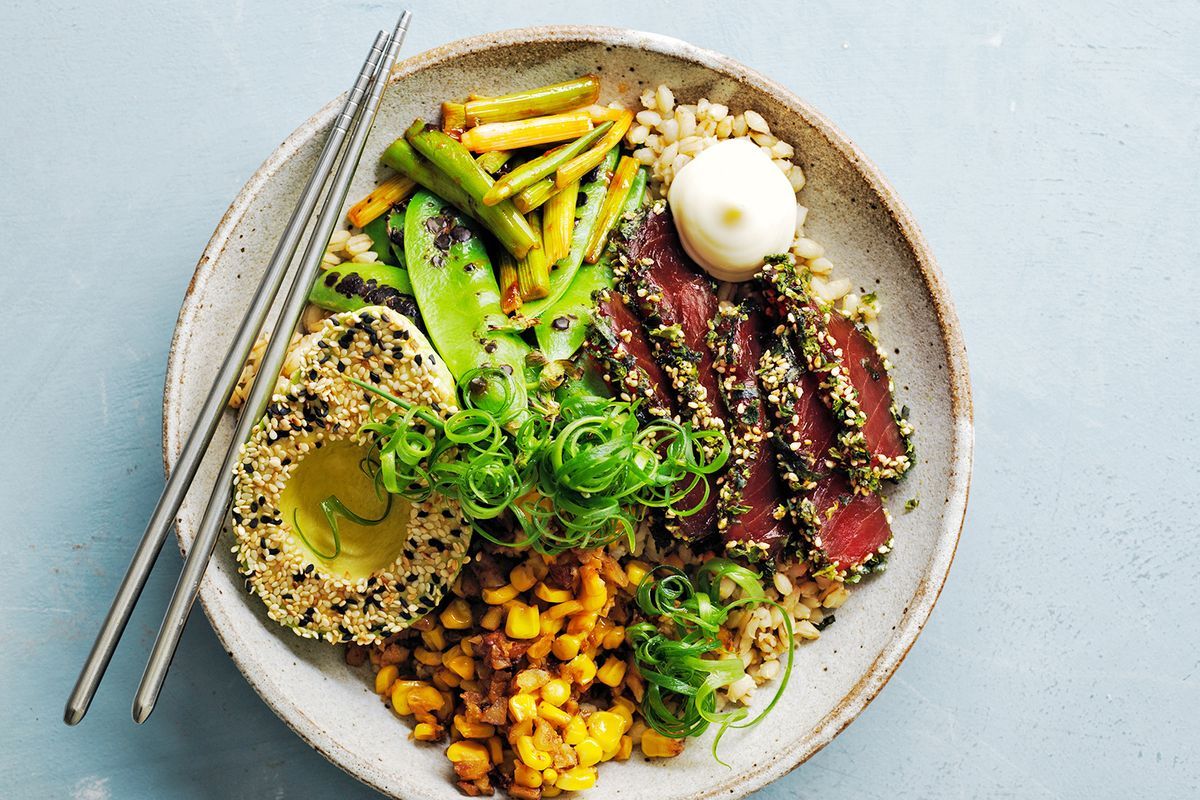
Sharing recipes across borders builds curiosity and respect, turning unfamiliar ingredients into bridges between communities.
Conclusion
Dish design merges craft, care, and culture into every plate. It preserves heritage, nurtures bodies, and fuels local prosperity. As tastes and tools evolve, the mindful creation of meals will remain central to how people connect.
Future Directions
Several trends are poised to shape tomorrow’s plates:

– Smarter kitchen tools that refine timing and reduce waste.
– Closer ties between chefs and sustainable suppliers.
– Playful flavor pairings inspired by global street food.
– Broader access to culinary education through online and community programs.
In the end, the journey of designing dishes is ever-changing, reflecting both timeless values and new possibilities. Embracing this balance ensures the table remains a place of discovery for generations ahead.