


The Art of Cooking: Why Recipe Guides Matter
Cooking is a universal language that bridges cultures and generations. It offers a creative outlet, brings people together, and turns raw ingredients into memorable meals. At the heart of this process lies the recipe guide—an indispensable companion for anyone who steps into a kitchen. This article explores why recipe guides remain vital, how they shape culinary practice, and the ways they continue to evolve alongside our tastes and technologies.
The Evolution of Recipe Guides
From etched stone tablets to voice-activated apps, instructions for preparing food have traveled a long road. Early civilizations recorded dishes on clay, papyrus, and parchment, often blending culinary and medicinal advice. Over centuries, these notes grew into organized collections, absorbing regional flavors, new techniques, and the personal quirks of countless cooks. Today, a single search can summon thousands of variations on a single theme, yet the core purpose—guiding a cook from raw to ready—remains unchanged.
Ancient Recipe Guides
The first written recipes were terse shopping lists paired with brief directives. A clay tablet from Mesopotamia, for instance, outlines a simple stew of fish, herbs, and water. Such records were prized possessions, copied by hand and shared among households to safeguard favored flavors.
Medieval and Renaissance Recipe Guides
As literacy spread, manuscripts devoted to cookery appeared in monastery scriptoriums and noble libraries. These scrolls and, later, printed pamphlets offered measured ingredients, approximate timings, and occasional sketches of specialized equipment. They reveal a growing curiosity about refinement at the table and an eagerness to document regional specialties before they disappeared.
Modern Recipe Guides
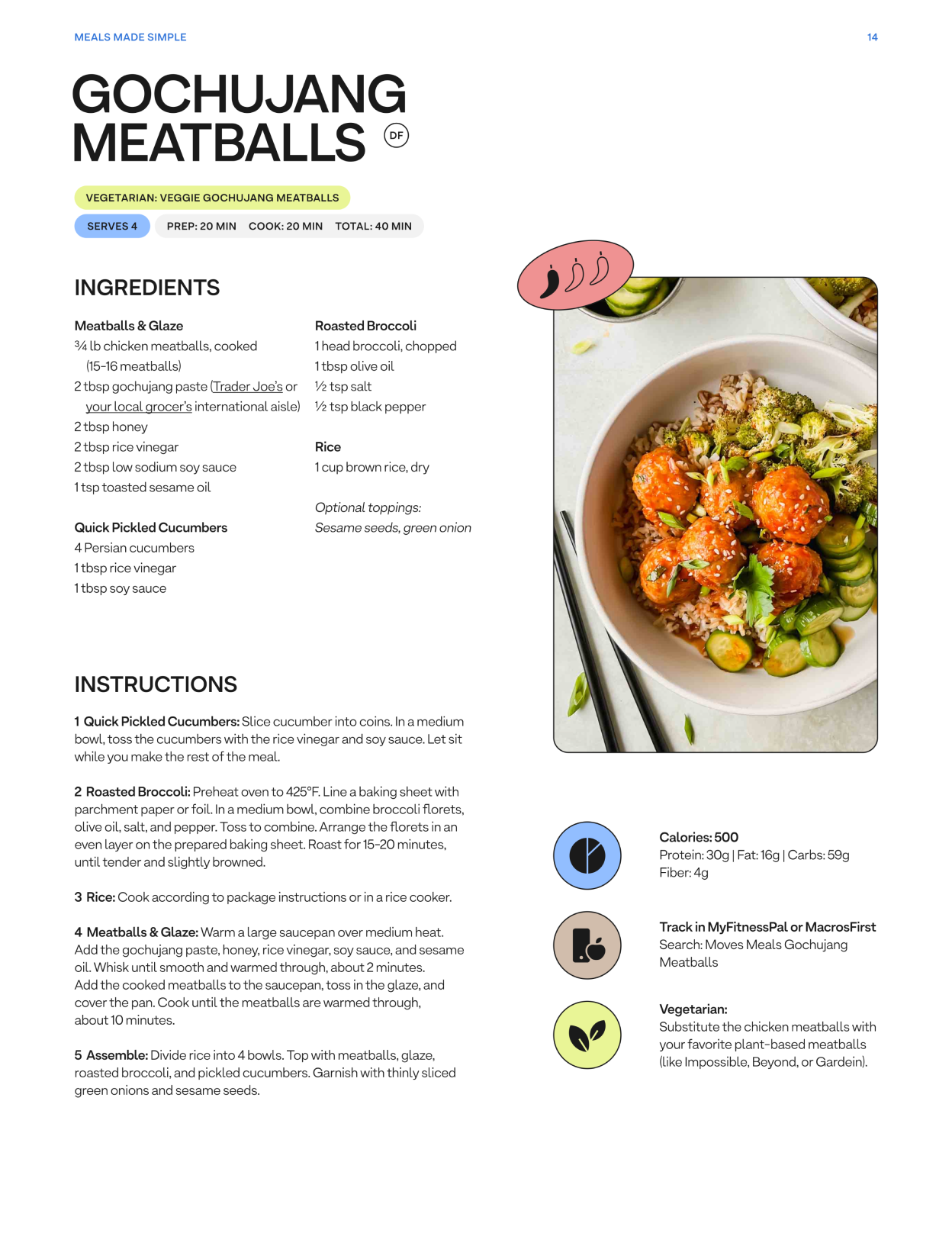
Mass printing, photography, and the internet transformed recipe guides into multimedia experiences. Contemporary versions pair vivid images with clear, numbered steps, while optional nutrition panels and video links accommodate every level of curiosity. Whether bound between hard covers or cached on a smartphone, today’s guides invite experimentation at the tap of a screen.
The Structure of Recipe Guides
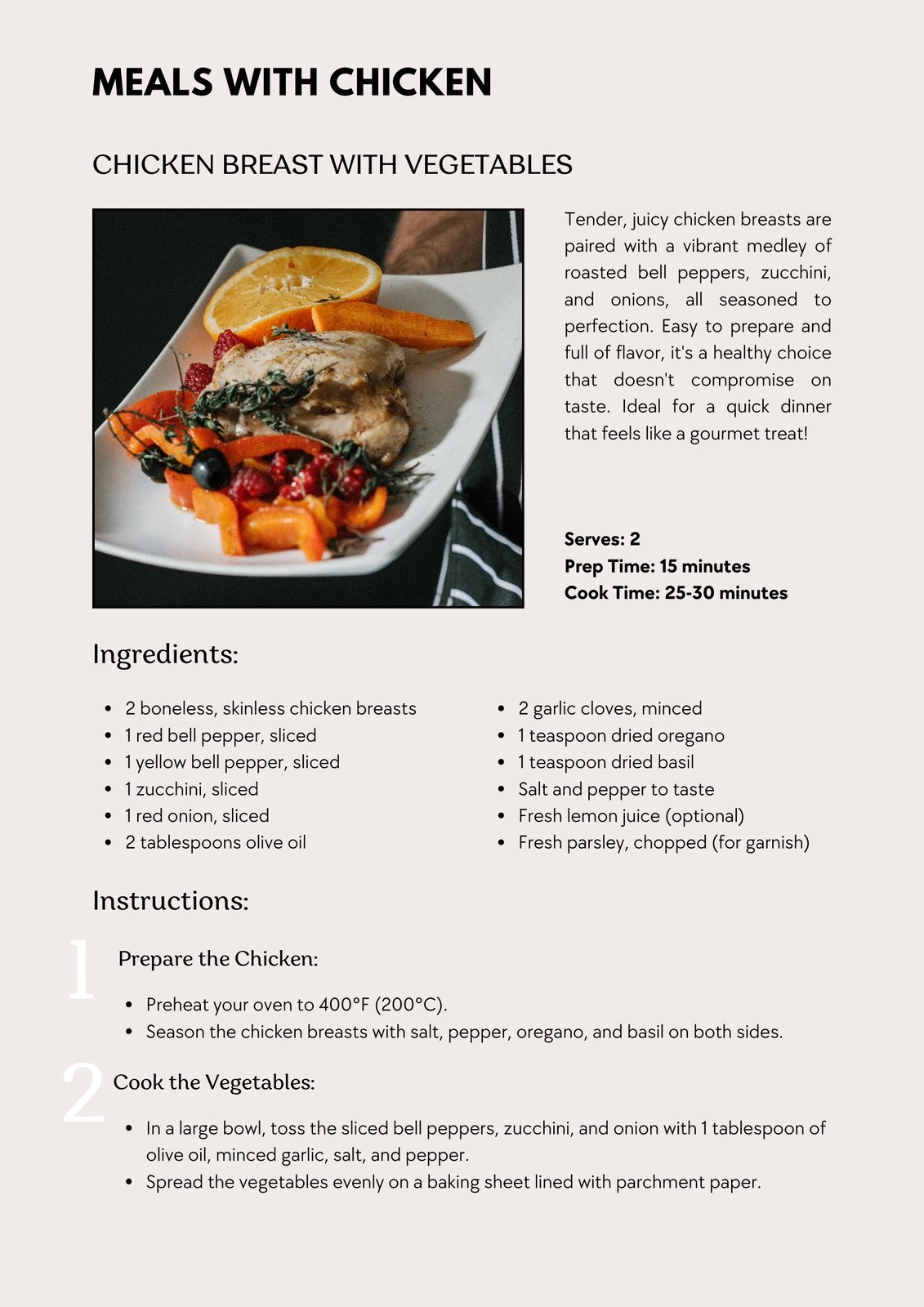
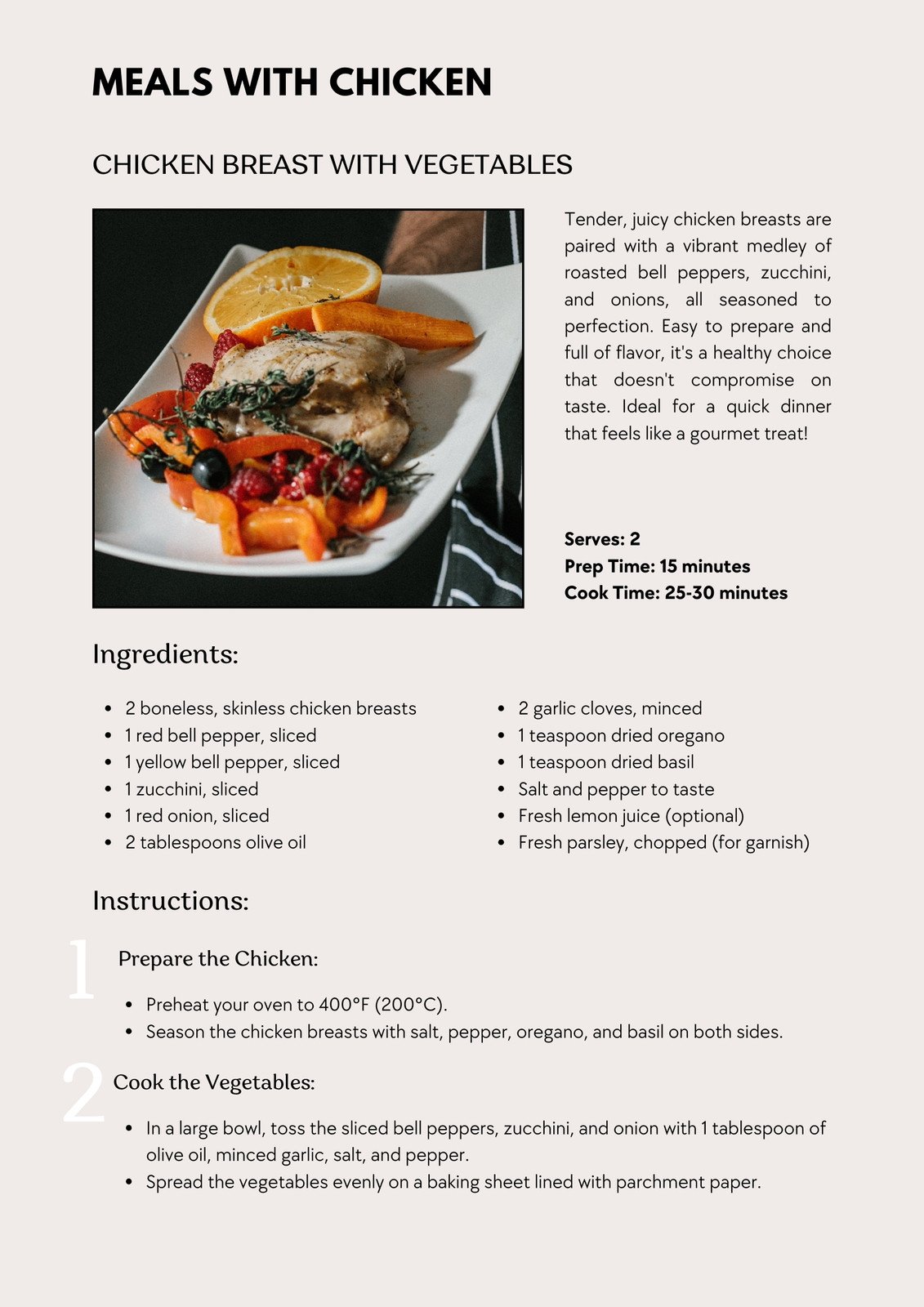
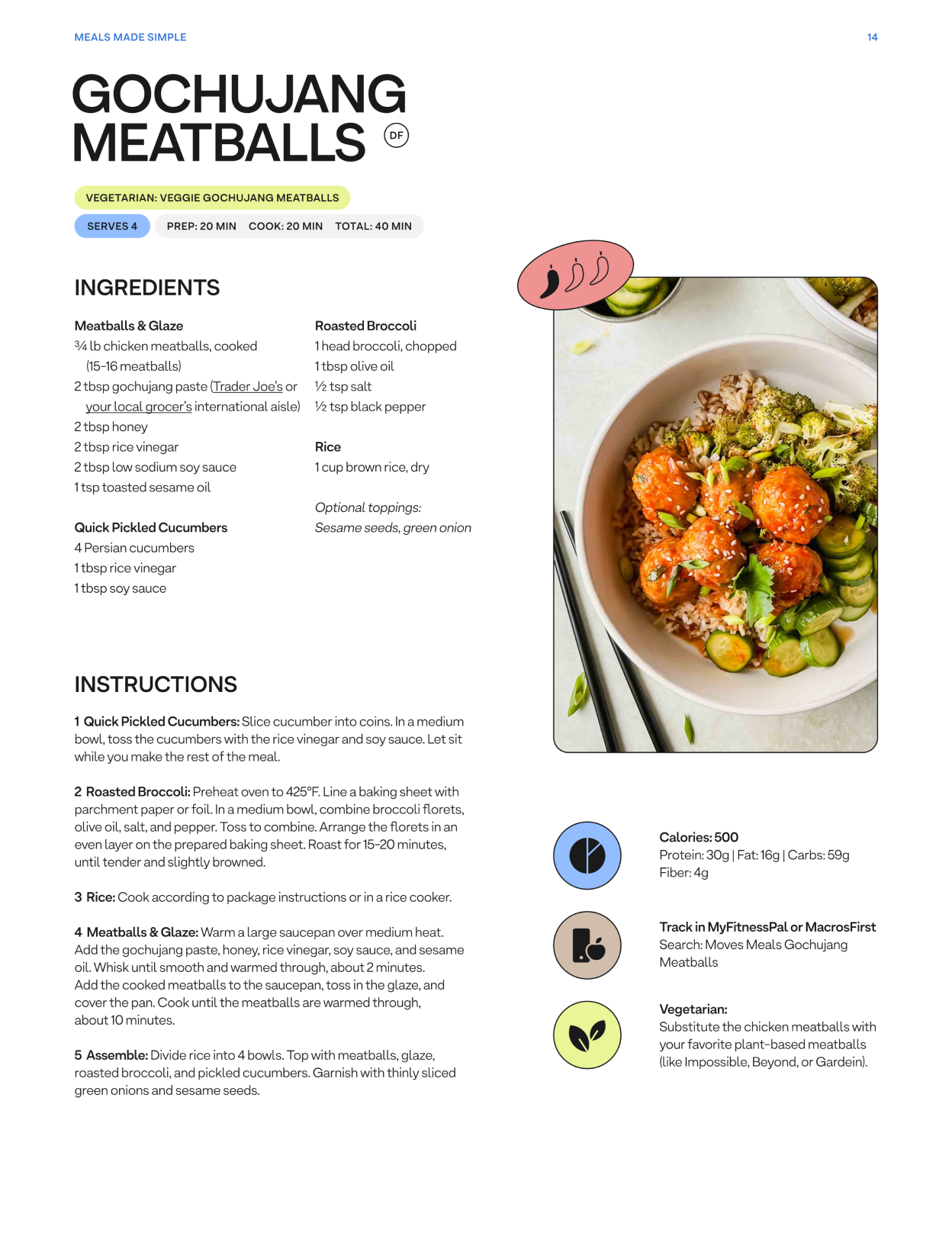
A well-built recipe is more than a casual list; it is a miniature lesson in timing, proportion, and sensory awareness. Most follow a familiar blueprint:
Title
The headline captures the dish’s identity in a few appetizing words—think Velvety Tomato Soup or Crisp Garden Salad.
Ingredients
Each component appears in the order it is deployed, with quantities given in everyday units or precise metrics, allowing cooks to prepare everything before heating the pan.
Instructions
Sequential directions translate raw components into finished plates. Verbs like simmer, fold, or sear guide heat, motion, and patience.
Tips and Variations
Optional notes suggest swaps for dietary needs, seasonal produce, or personal preference, encouraging confident improvisation without straying too far from success.
Nutritional Information
When included, a concise panel summarizes energy, major macros, and common allergens, supporting informed choices without overwhelming the creative spirit.
The Benefits of Recipe Guides
Regardless of skill level, cooks gain tangible advantages from a reliable recipe:
Learning New Cooking Techniques
Each set of instructions doubles as a mini-tutorial, introducing methods such as blanching, deglazing, or proofing dough through hands-on practice.
Saving Time and Effort
Clear sequencing reduces guesswork, streamlines shopping, and minimizes waste, turning weeknight uncertainty into confident efficiency.
Enhancing Creativity
By revealing unexpected pairings or novel presentations, recipes spark ideas that evolve into signature personal dishes.
Sharing Culinary Knowledge
Written formulas act as time capsules, carrying family favorites and community classics forward so future cooks can taste the same comforting flavors.
The Role of Recipe Guides in Culinary Development
Beyond individual kitchens, collections of recipes drive broader gastronomic progress:
Encouraging Innovation
When cooks publish tweaks and twists, they feed a global feedback loop of inspiration, accelerating the birth of fusion cuisines and novel techniques.
Preserving Traditional Recipes
Documenting heritage dishes safeguards cultural identity, ensuring that time-honored aromas and stories survive shifting lifestyles.
Promoting Sustainable Cooking
Guides that highlight plant-forward meals, nose-to-tail usage, or local harvest calendars empower eaters to reduce waste and support ecological balance.
Conclusion
Recipe guides stand at the intersection of memory and imagination, anchoring us in shared tradition while inviting bold new flavors. By decoding the craft of others, we sharpen our own instincts, enrich our tables, and contribute to an ever-expanding tapestry of global cuisine. Whether you consult a dog-eared card or a glowing screen, the next great meal begins with the simple decision to follow—and eventually personalize—a trusted guide.
In short, the quiet power of a recipe lies not only in the dish it produces but in the knowledge it passes on. Each time we cook from a guide, we honor those who cooked before us and equip those who will cook after us, ensuring the art of the kitchen remains both vibrant and deliciously alive.


