

The Nutritional Profile of Fast-Food Pancakes: A Comprehensive Analysis
Introduction
Popular quick-service restaurants serve a variety of breakfast items, including fluffy pancakes. While convenient, these pancakes often prompt questions from health-minded guests. This article offers a balanced look at their typical ingredients, calorie load, macronutrient balance, and possible effects on daily nutrition.
Ingredients and Preparation
Most chain pancakes start with a simple batter of refined flour, eggs, milk, and leavening. The mixture is ladled onto a hot griddle, flipped once, and served warm. Optional flavor boosters such as melted butter, a dash of vanilla, or a light sugar glaze may be added, with recipes differing slightly from region to region.

Caloric Content
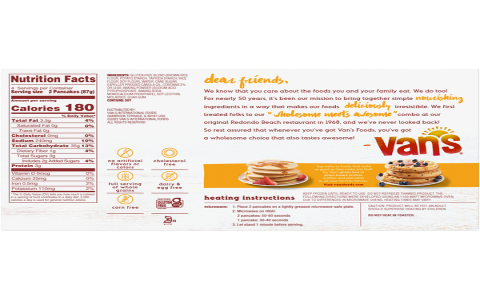
A single restaurant-style pancake (roughly 100 g) usually delivers 200–250 kcal. Toppings like syrup, whipped topping, or extra butter can push the total higher, so the final count depends on how the plate is dressed.
Macronutrients
Carbohydrates dominate the profile, providing quick energy. Protein hovers around 4–5 g per cake—helpful but not a meal’s worth—while total fat stays low at 2–3 g before any add-ons. Those monitoring carb intake may wish to note the serving size.
Health Implications

Eating pancakes occasionally is unlikely to derail an otherwise varied diet, yet a few points deserve attention:
1. Sugar Content
Syrup and sweet toppings can double the sugar load, which may affect dental health and blood-sugar control when repeated across many mornings.
2. Saturated Fat
Butter or margarine brushed on the griddle adds saturated fat. Keeping portions modest helps protect heart health within the context of total daily fat intake.

3. Limited Micronutrients
Refined grains lose some naturally occurring vitamins and minerals during processing. Pairing pancakes with fruit or a side of yogurt can close the fiber and micronutrient gap.
Comparison with Other Breakfast Items
A bowl of plain oatmeal (about 150 kcal) supplies more fiber and less added sugar, while whole-grain toast topped with avocado or a poached egg offers healthy fats and extra protein. Swapping in these choices a few days a week can diversify nutrient intake without sacrificing convenience.
Conclusion

Fast-food pancakes fit easily into a busy morning, yet their high refined-carb and sugar potential means they work best as an occasional treat. Balancing them with fiber-rich sides, lean protein, and fresh produce keeps the overall breakfast pattern aligned with long-term wellness goals.
Recommendations and Future Research
Operators could consider:
1. Serving syrup in portion-control packets so guests decide how much to use.
2. Testing plant-based or lower-fat cooking sprays to trim saturated fat.

3. Promoting add-ons like berries or a dollop of low-fat yogurt for natural sweetness and extra nutrients.
Researchers might track how visible calorie labels or default fruit sides influence ordering habits, and whether small recipe tweaks meaningfully affect daily nutrient intakes over time.


