

The Impact of Food Imagery on Consumer Behavior
Introduction
In today’s digital marketplace, the way food looks online has become a decisive factor in shaping shopper choices. This article explores how appetizing photographs steer purchasing decisions, brand impressions, and overall satisfaction. Drawing on published studies and industry observation, it highlights why compelling food visuals matter more than ever.
The Power of Visuals in Marketing
Visuals as a Key Element in Marketing
People process pictures faster than words, so marketers rely on striking imagery to grab attention. In the food sector, a mouth-watering photo can spark cravings, revive memories, and nudge shoppers toward a purchase. Surveys repeatedly show that attractive packaging or menu photography lifts the likelihood of trial.
The Role of Food Imagery in Brand Perception
Brand Perception and Food Imagery
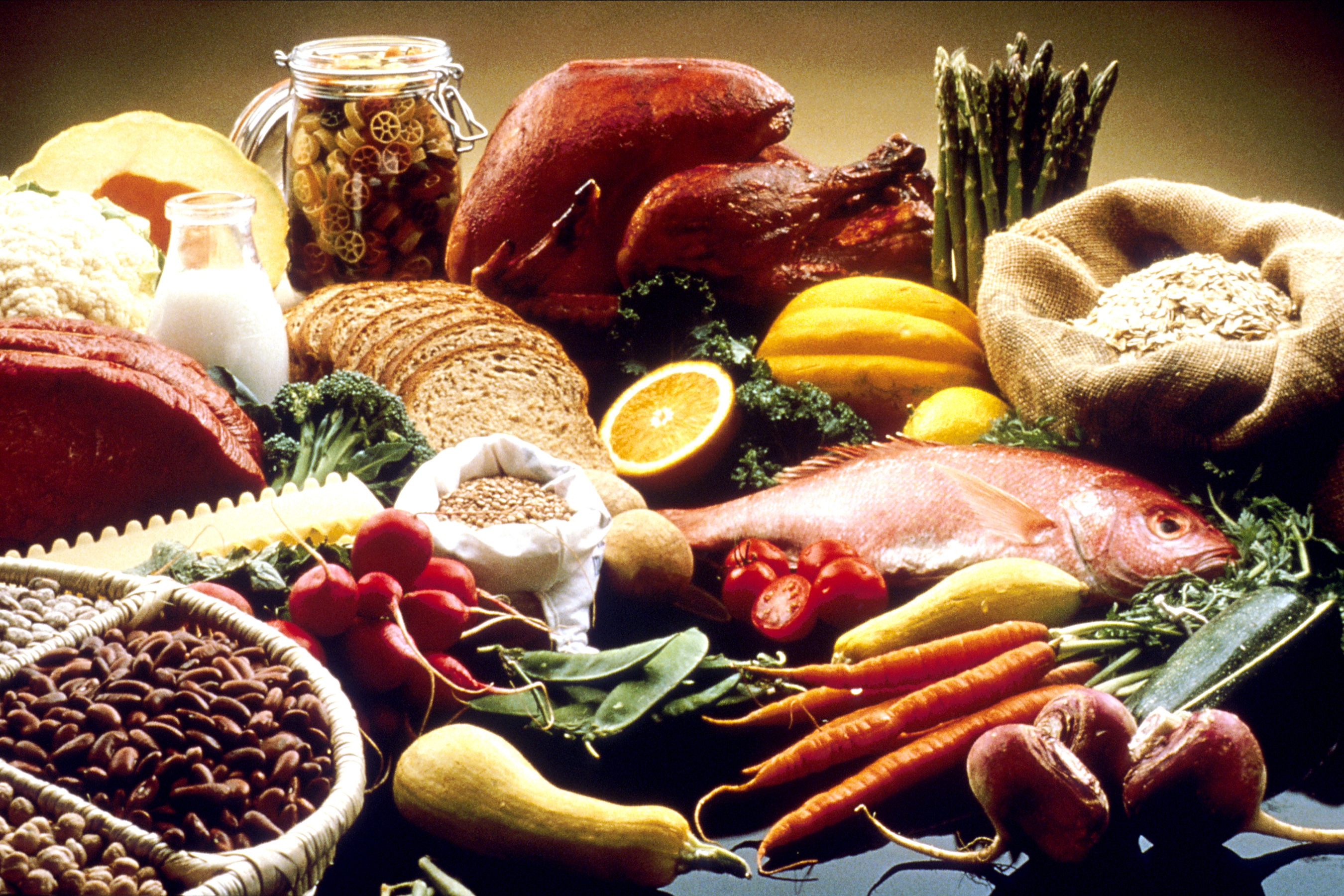
A single photograph can telegraph a brand’s personality—whether it is premium, playful, or planet-friendly. Upscale eateries tend to favor soft lighting and minimalist plating, while quick-service brands choose bright colors and generous portions to signal speed and value. Consistent, well-styled images reinforce perceived quality and trust.
The Influence of Food Imagery on Consumer Decision-Making
Consumer Decision-Making and Food Imagery
Shoppers often decide within seconds. Clear, appetizing photos that honestly depict portion size and ingredients reduce uncertainty and speed up the “yes” moment. When the image matches the real product, buyers feel respected, which encourages repeat visits and positive reviews.
The Role of Food Imagery in Emotional Connection
Emotional Connection and Food Imagery
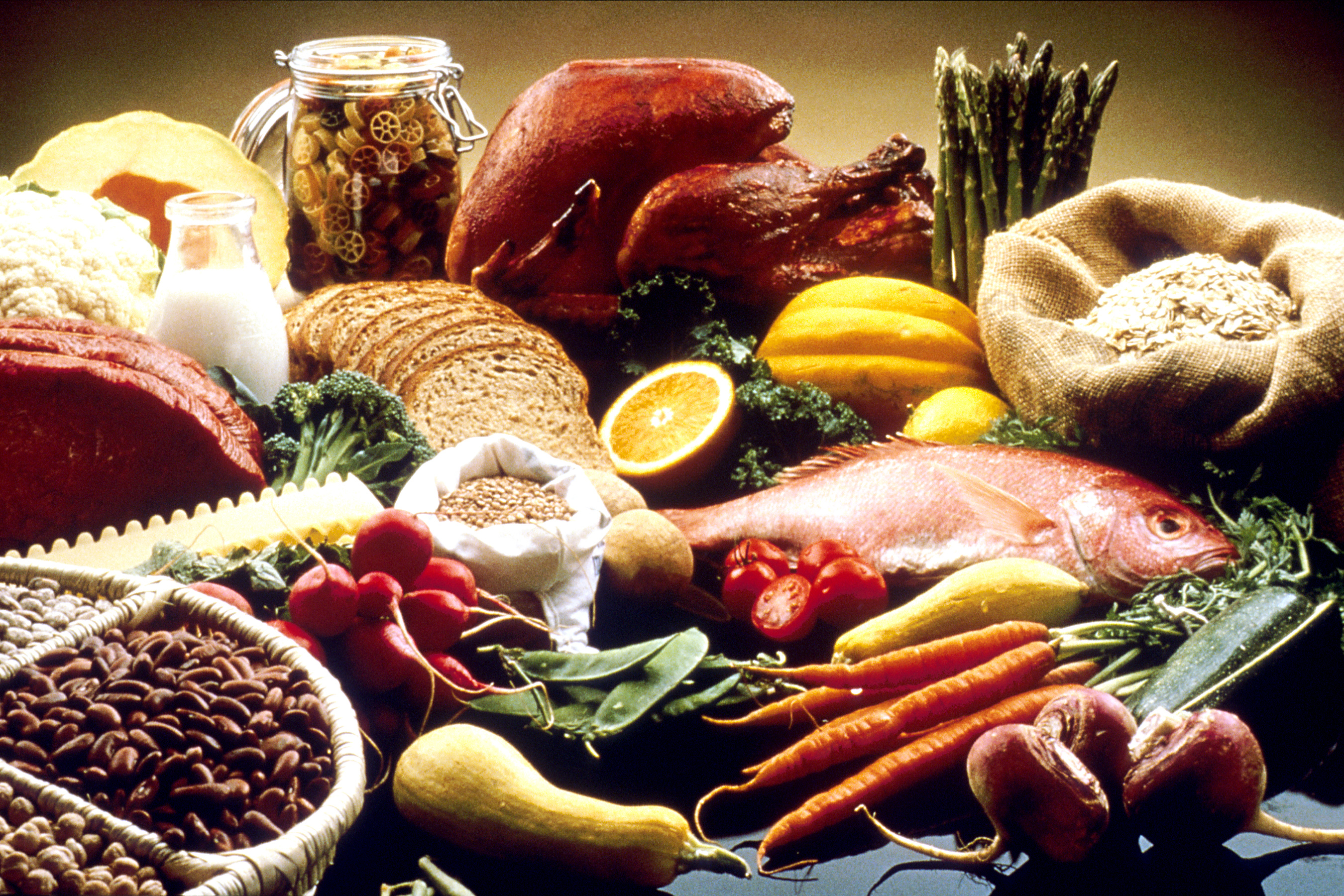
Food is personal. A cozy shot of steaming soup on a rainy day or friends sharing pizza can trigger comfort, nostalgia, or belonging. These feelings linger longer than price points, fostering loyalty that transcends occasional promotional deals.
The Impact of Food Imagery on Health Perception
Health Perception and Food Imagery
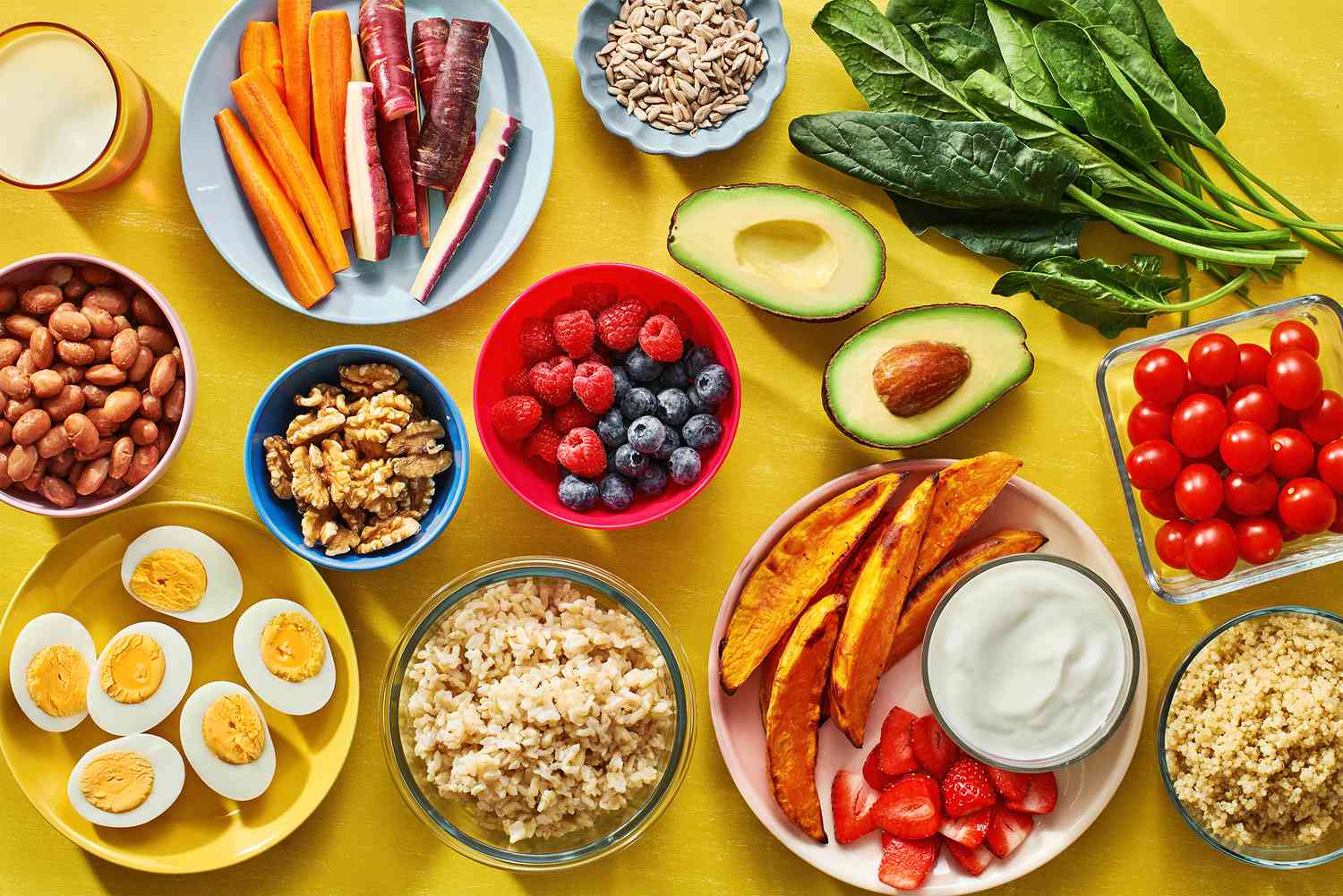
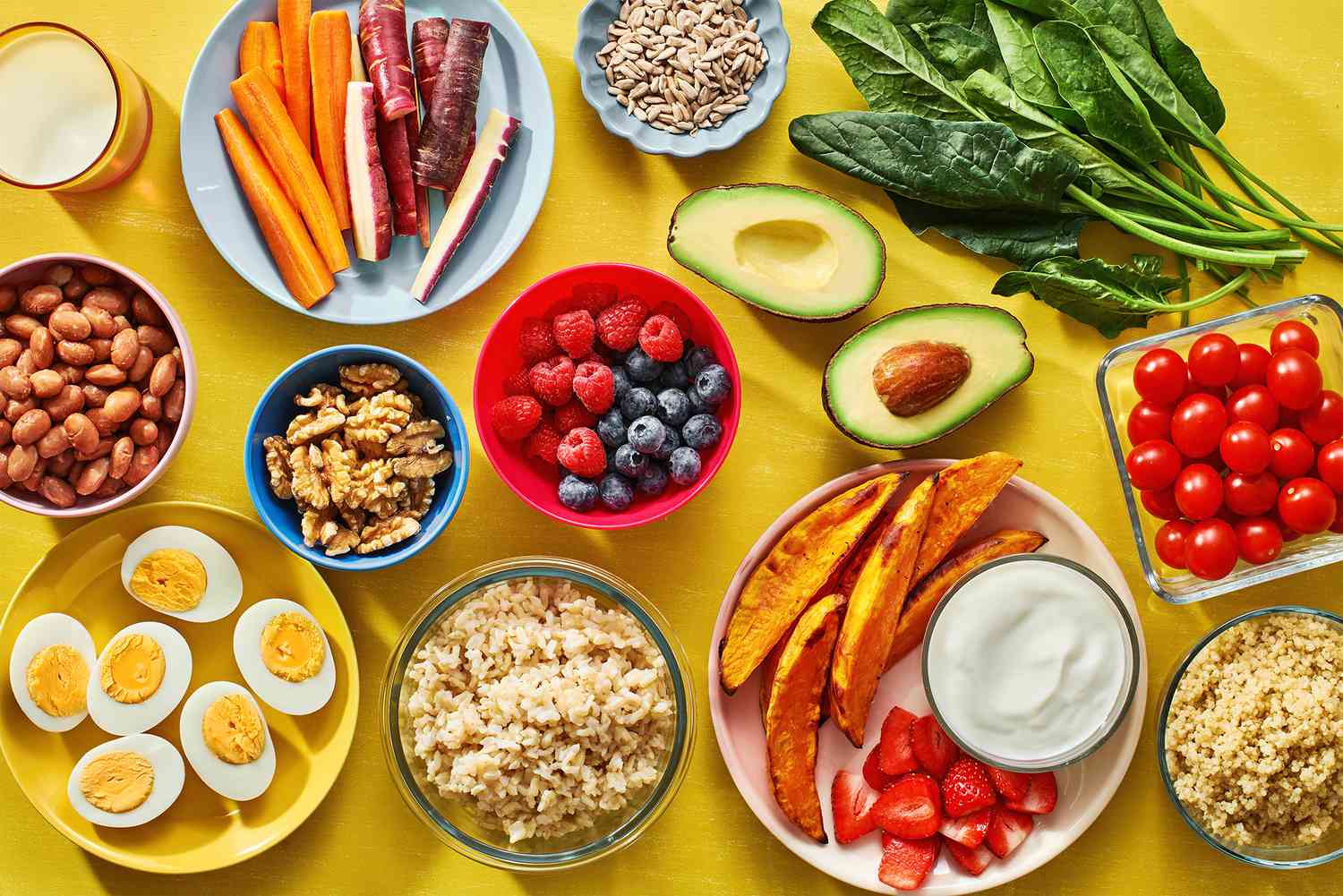
Visual cues shape assumptions about nutrition. Fresh greens, vibrant fruits, and whole grains photographed in natural light appear more wholesome, whereas glossy, over-styled fried dishes can suggest indulgence. Brands aiming for a health halo benefit from imagery that emphasizes color, texture, and freshness.
The Importance of Authenticity in Food Imagery
Authenticity in Food Imagery
Consumers reward honesty. Images that show real crumbs, gentle imperfections, or a hand about to tear a piece of bread feel relatable and build trust. Over-edited, artificial shots may attract a first glance but often disappoint upon delivery, eroding long-term credibility.
Conclusion
Compelling, truthful food photography influences what people buy, how they judge quality, and whether they return. As competition grows, brands that invest in high-quality, authentic visuals will enjoy stronger connections and healthier bottom lines.
Recommendations and Future Research
To deepen understanding of food imagery effects, consider the following:
1. Identify which visual elements—color, angle, plating—drive the strongest response across shopper segments.
2. Examine how cultural backgrounds shape the interpretation of food photos.
3. Track long-term loyalty changes after sustained campaigns featuring refreshed, realistic imagery.
Pursuing these questions will help marketers craft visuals that are both persuasive and respectful of consumer expectations.

