
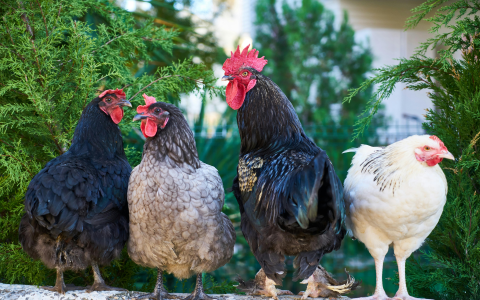

The Impact of Chicken Imagery in Contemporary Media
Introduction
From television commercials to social media memes, the humble chicken has become one of the most frequently pictured animals in modern communication. Whether signaling farm-to-table freshness or adding a touch of humor to brand storytelling, these images quietly shape how people think about food, farming and even themselves. This overview traces the journey of chicken depictions, considers their persuasive power, and raises questions about the ethical backdrop against which they appear.
The Evolution of Chicken Imagery
Early Representations
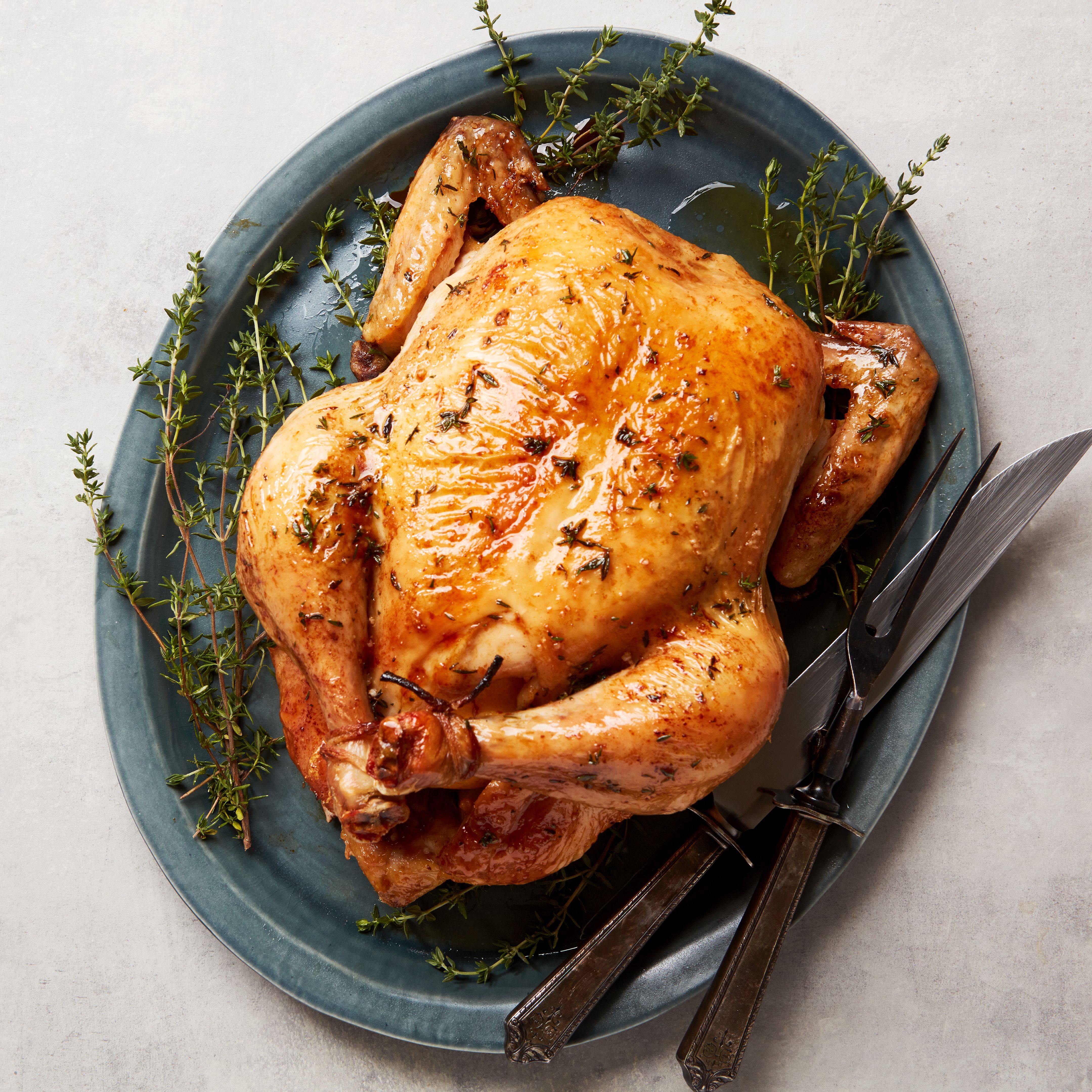
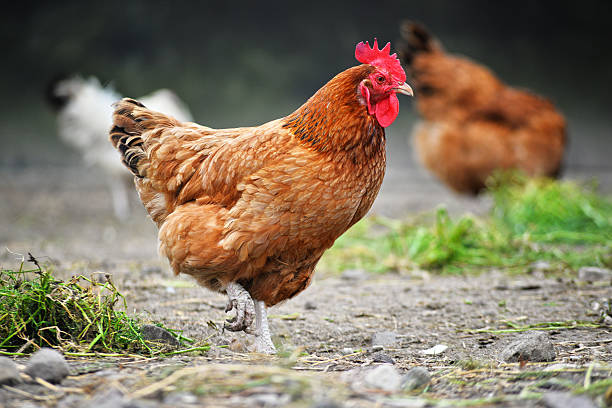
Mid-century advertisements leaned on simple pastoral scenes: a red barn, a few hens pecking peacefully, sunlight glinting on a wicker basket of eggs. Such visuals promised honesty and natural goodness, reassuring post-war shoppers that mass-produced food could still feel home-grown.
Modern Depictions
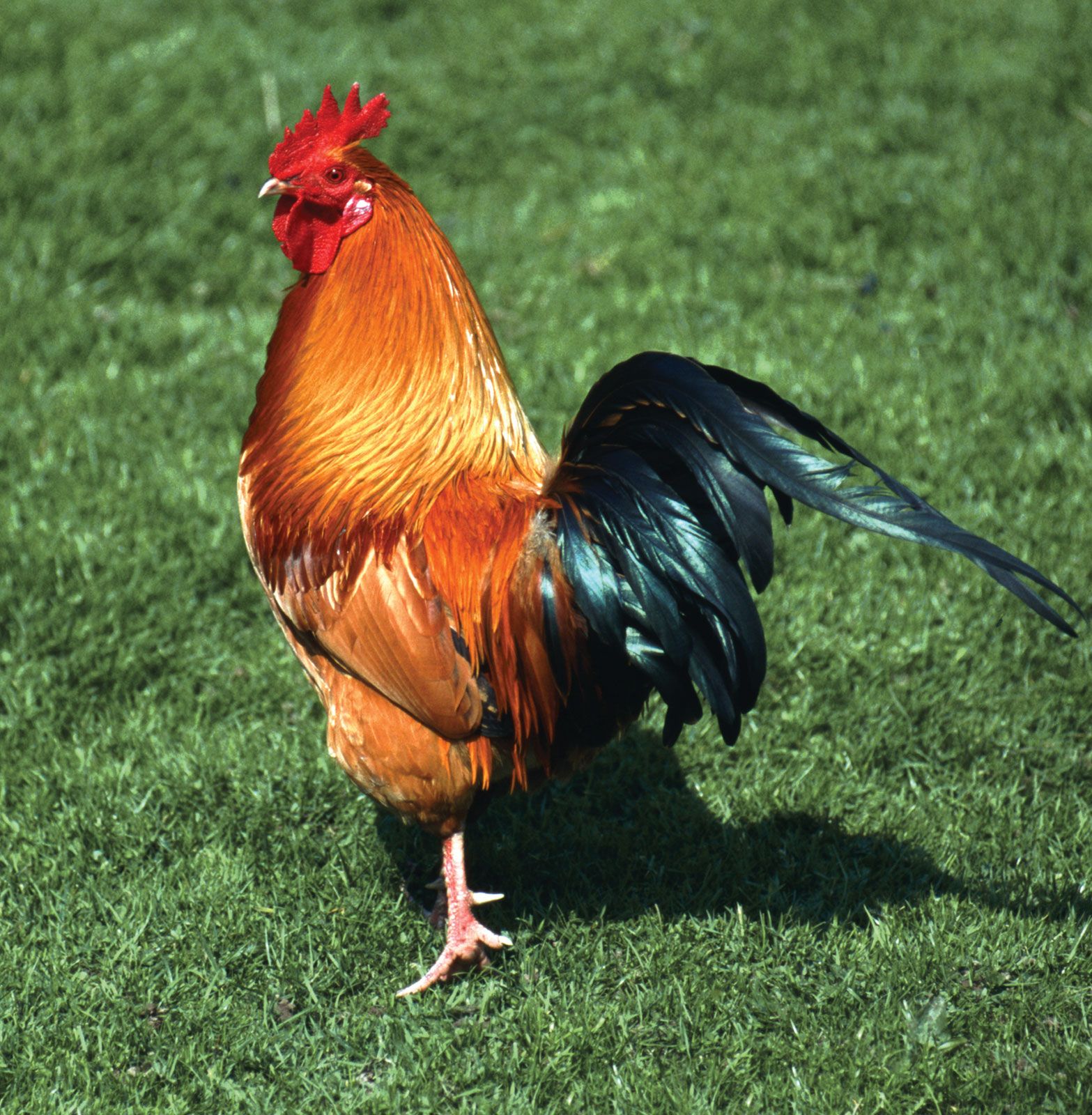
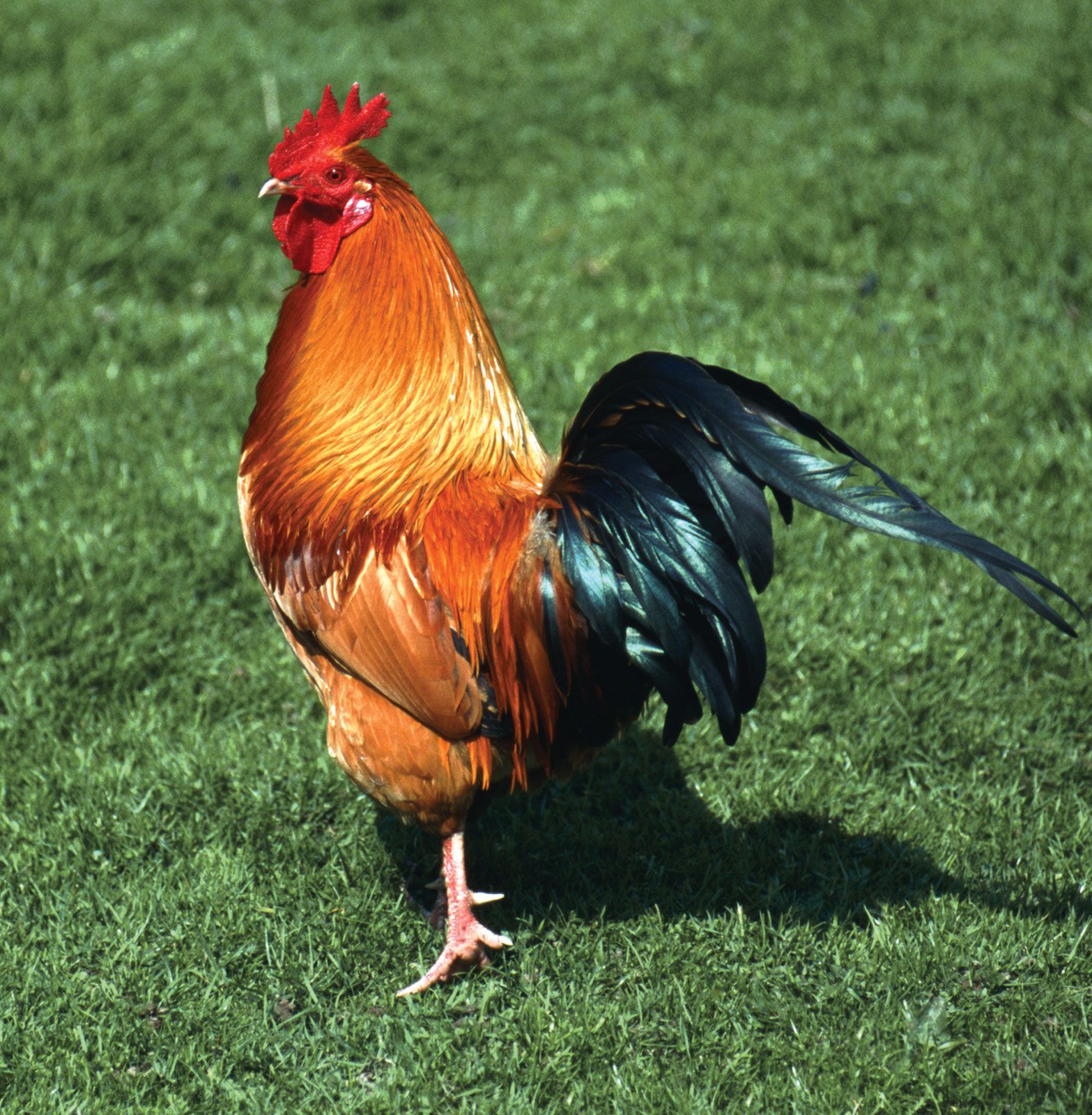
Today’s creative teams treat chickens as versatile characters. They might be playful mascots, minimalist logos, or ironic pop-culture icons. A crowned rooster can signal indulgent fast food, while a sleek line drawing of a hen may suggest premium organic eggs. The bird’s meaning now shifts with context, color palette and typography.
The Role of Chicken Imagery in Advertising
Brand Identity
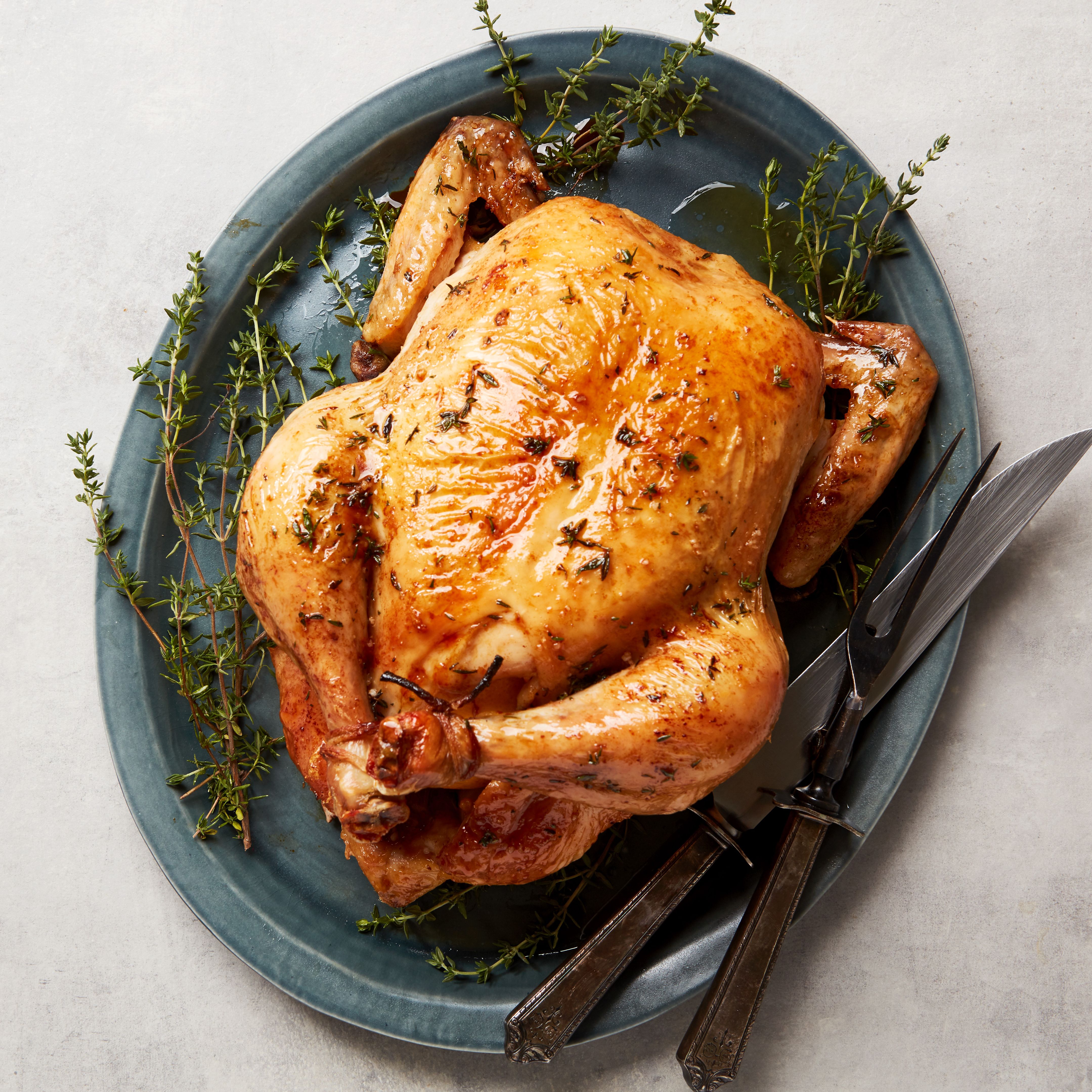
A friendly cartoon hen with bright eyes and a cheeky grin can personify warmth and reliability, nudging shoppers toward one brand over another. Consistent use of such a figure across packaging, television spots and online banners builds instant recognition and trust.
Emotional Appeal
Chickens also unlock nostalgia. A gentle clucking sound paired with soft farm imagery can transport viewers to childhood visits at a grandparent’s countryside home, creating a comforting halo around everyday groceries.
Social and Political Commentary
Activists sometimes place the same bird in cramped, dimly lit cages to critique industrial agriculture. Here, the chicken stops being a product and becomes a silent witness, inviting the public to reconsider routine consumption habits.
The Cultural Implications of Chicken Imagery
Representation of Gender
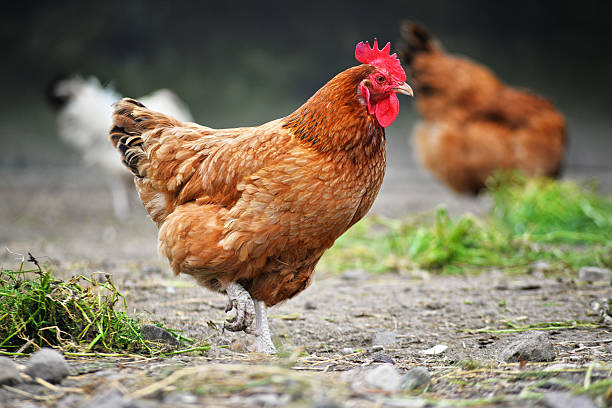
Marketing occasionally assigns hens stereotypically maternal traits—nesting, fussing, feeding chicks—while roosters appear bold and adventurous. These portrayals can reinforce outdated ideas about caregiving and leadership, subtly influencing how audiences interpret family roles.
Global Perspectives
In some regions, chickens symbolize prosperity and celebration; in others, they are everyday staples with no special aura. Advertisers working across borders must navigate these nuances to avoid missteps, sometimes releasing localized visuals that honor specific traditions.
Ethical Concerns and the Depiction of Chickens
Factory Farming
Behind cheerful packaging lies an uncomfortable reality: most poultry production relies on high-density facilities. When campaigns highlight “farm freshness,” critics argue they gloss over cramped conditions, rapid growth cycles and limited outdoor access.
Consumer Perception
Repeated exposure to idyllic farm scenes can lead shoppers to equate colorful branding with higher welfare standards, even when no clear welfare claims are made. This gap between image and practice fuels calls for clearer labeling and more transparent marketing language.
The Future of Chicken Imagery in Media
Addressing Ethical Concerns
Expect to see more brands adopt open-door policies, inviting filmmakers and photographers to document enriched housing, perches and daylight. Honest visuals—perhaps showing fewer birds per frame—may replace nostalgic barnyard clichés as companies compete on credibility.
Diverse Representation
Future campaigns could highlight chickens as companions, therapy animals or biodiversity guardians, broadening the narrative beyond meat and eggs. Such variety would acknowledge the species’ many roles across cultures and encourage richer storytelling.
Conclusion
Chicken imagery wields quiet influence: it guides grocery choices, colors cultural conversations and frames ethical debates. By balancing creative appeal with truthful context, media producers can keep the bird’s visual presence both effective and responsible. A mindful approach—one that respects consumer intelligence and animal welfare—will ensure this feathered icon remains relevant in an increasingly conscientious marketplace.
Tracing the shift from rustic clichés to multifaceted symbols reveals how deeply commercial art shapes public thought. As audiences demand greater honesty, the next chapter of chicken representation will likely hinge on transparency, diversity and empathy, encouraging brands and viewers alike to think beyond the surface of every cluck and feather.


