


The Impact of Food Choices on Human Health and Nutrition
Introduction
Food is the foundation of life, supplying the nutrients required for growth, repair, and daily energy. The kinds of foods people choose can shape long-term health in powerful ways. This article looks at why varied, wholesome foods matter, how different choices affect well-being, and what can be done to help everyone eat more balanced meals.
The Role of Food in Nutrition
Nutrient Composition
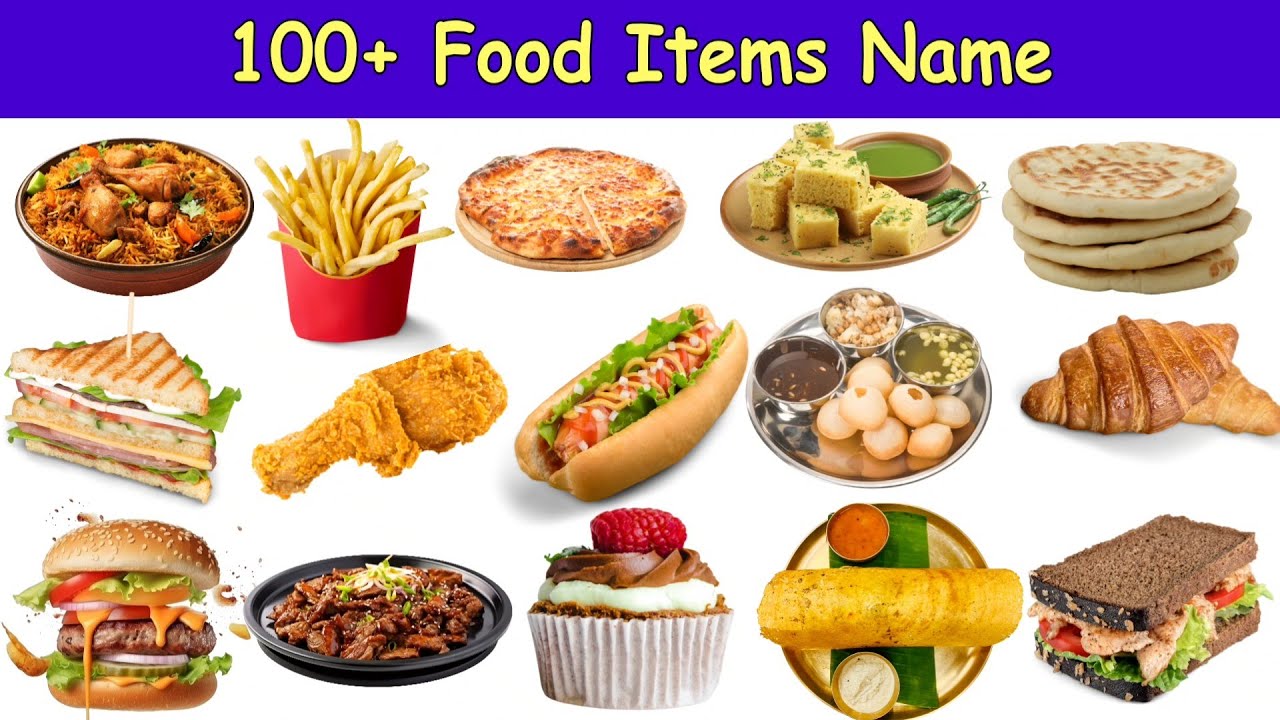
Every food delivers a mix of carbohydrates, protein, fat, vitamins, and minerals. Carbohydrates fuel muscles and the brain, protein rebuilds tissues, and fat supports hormone production and vitamin absorption. Vitamins and minerals fine-tune countless processes, from bone strength to immune defense.
Balanced Diet
Eating many different foods in the right proportions helps prevent shortages and lowers disease risk. A practical plate fills half with vegetables and fruit, one quarter with whole grains, and one quarter with lean protein, rounded off with small amounts of healthy plant oils.
Effects of Different Foods on Health
Fruits and Vegetables
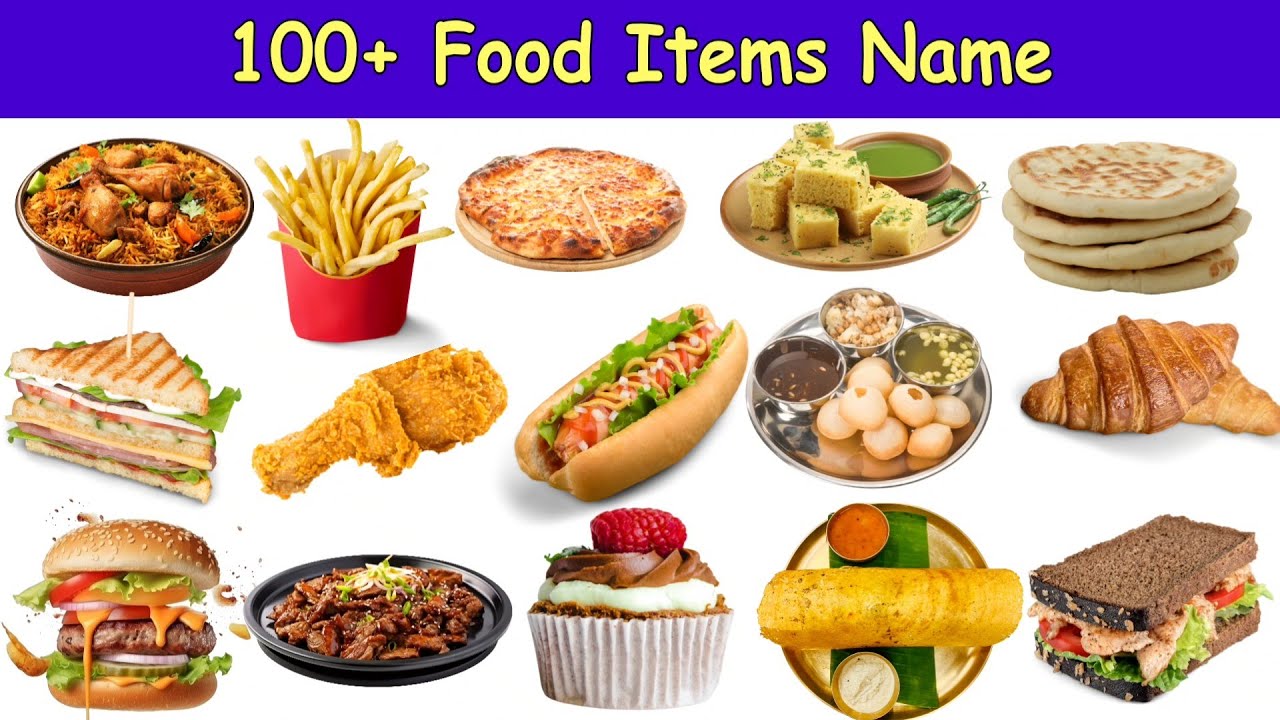
Bright produce is packed with protective antioxidants, potassium, and fiber. Regular, generous intake is linked to healthier hearts, steadier weight, and lower odds of certain cancers. Fresh, frozen, or canned with little added salt all count.
Whole Grains
Oats, brown rice, quinoa, and whole wheat keep their fiber and micronutrients. These grains slow digestion, steady blood sugar, and feed beneficial gut bacteria, factors tied to reduced risk of diabetes and heart disease.
Lean Proteins
Skinless poultry, fish, beans, lentils, and soy foods supply amino acids for muscle upkeep without excess saturated fat. Swapping some animal protein for plant sources can also lighten the environmental footprint of meals.

Healthy Fats
Avocados, nuts, seeds, and olive oil deliver unsaturated fats that improve cholesterol profiles and calm inflammation. Using these in place of butter or shortening supports long-term heart health.
Challenges in Achieving a Balanced Diet
Food Access Gaps
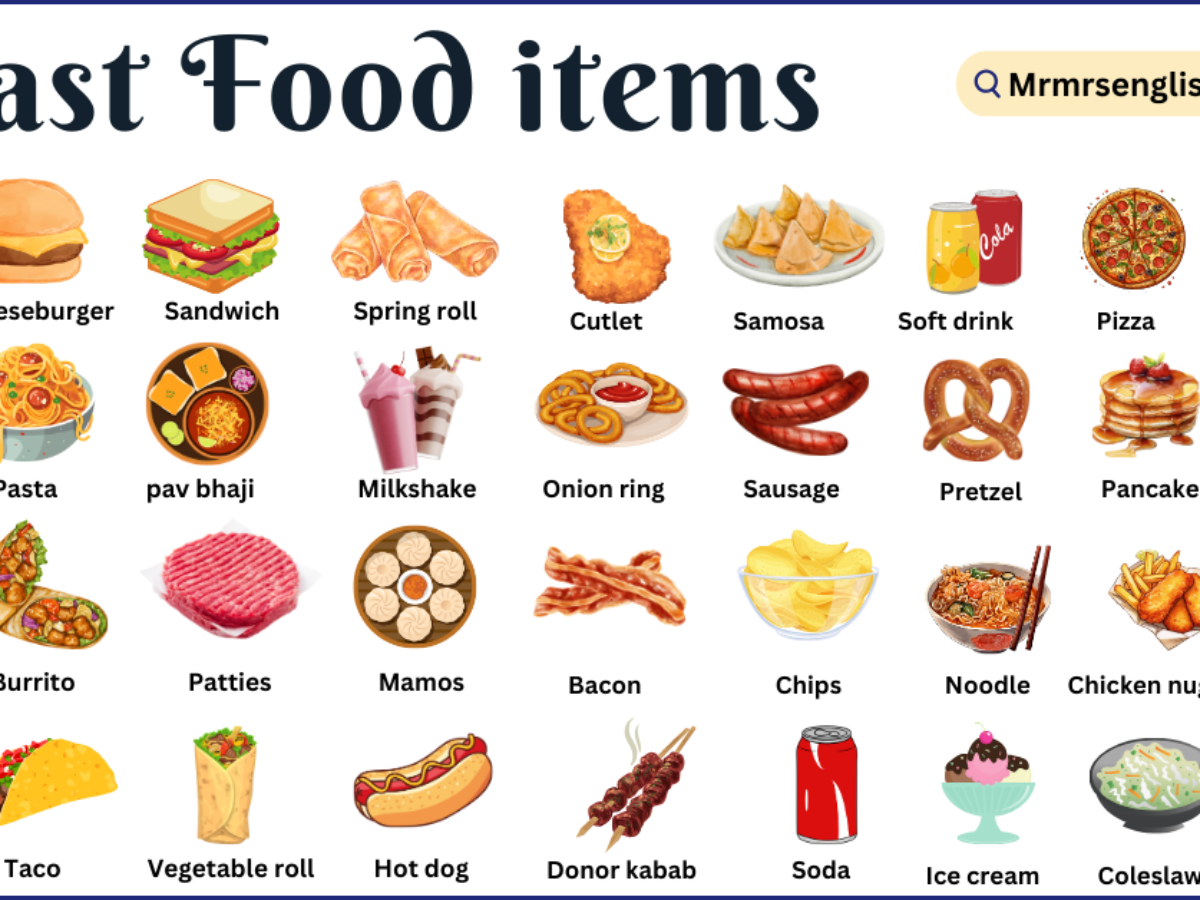
In many neighborhoods, convenience stores outnumber supermarkets, making fresh produce harder to find. When healthy options are scarce, diets tilt toward shelf-stable, highly processed foods that are energy-dense but nutrient-poor.

Economic Pressures
Tight budgets often push shoppers toward cheaper calories. Nutritious items like fish, berries, or nuts can cost more per bite than refined noodles or sugary drinks, leading households to trade nourishment for affordability.
Opportunities for Better Nutrition
Policy Supports
Cities can attract grocers to underserved districts with tax incentives, support weekend farmers’ markets that accept electronic benefits, and set nutrition standards for school meals, nudging entire communities toward healthier patterns.
Community Efforts
Local gardens, cooking workshops, and mobile pantries bring fresh produce and hands-on skills straight to residents. Peer-led classes on quick, low-cost menus show families how to stretch food dollars while still serving balanced plates.
Conclusion
Thoughtful food choices are a powerful, daily tool for protecting health. While access and cost remain real hurdles, coordinated policies and grassroots projects can put wholesome ingredients within reach of more tables. A shared commitment to variety, moderation, and affordability paves the way for healthier communities.
References
– General nutrition guidelines on fruits, vegetables, whole grains, and healthy fats from leading health organizations
– Public data on food access and dietary patterns from government agriculture and health departments
– Peer-reviewed studies linking plant-forward diets with reduced chronic disease risk
– Reports on community interventions that improve local food environments
– International recommendations for balanced eating and sustainable diets


