
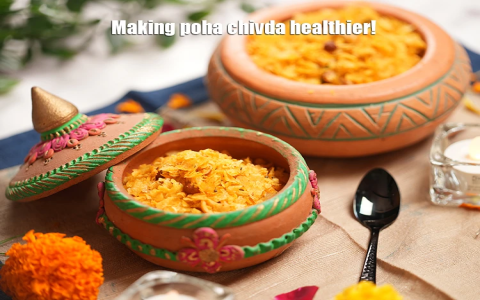

The Making of Poha: A Comprehensive Insight
Introduction
Poha, a beloved morning dish across South Asia, showcases the region’s time-honored culinary creativity. Crafted from flattened rice, it delivers a light yet satisfying start to the day and adapts easily to local tastes. This overview traces its background, typical preparation, nutritional highlights, and the place it holds on everyday tables.
The History of Poha
Although exact dates are lost to time, flattened-rice dishes have appeared on subcontinental menus for generations. Regional names differ—chivda in some areas, pauva in others—yet the core idea remains unchanged: a quick, comforting meal fashioned from rice that has been par-boiled, flattened, and dried.
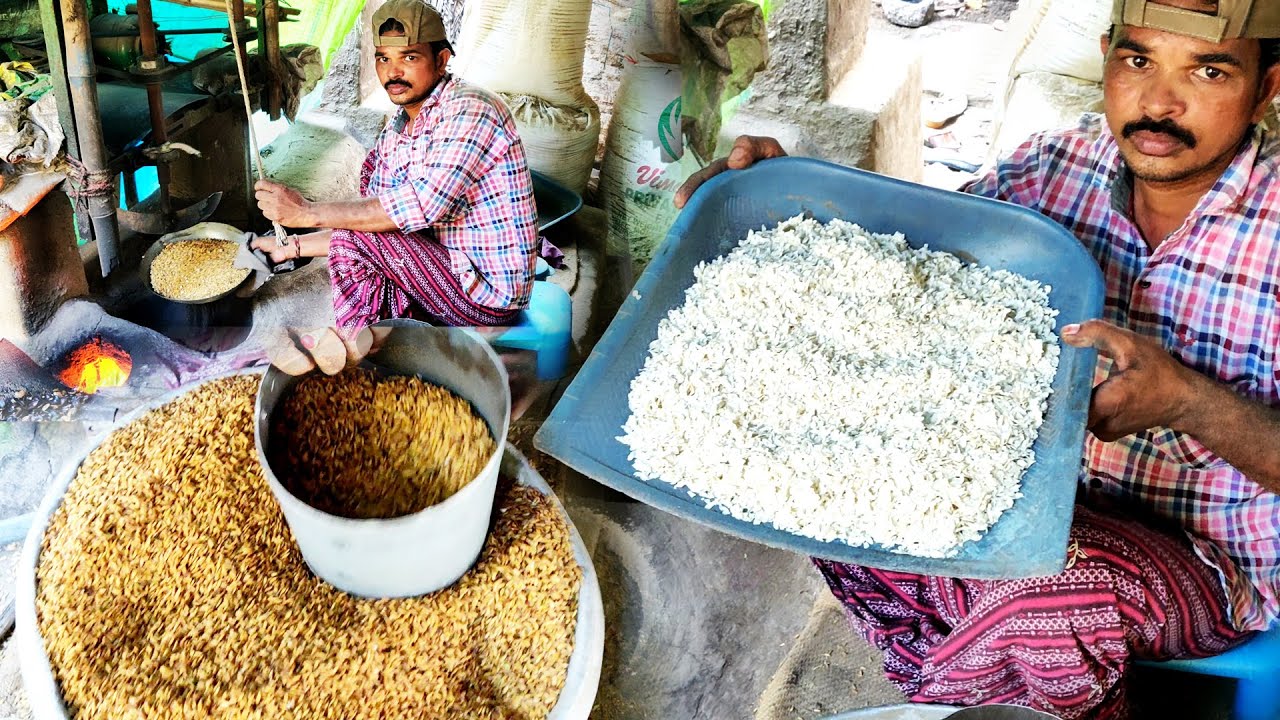
Preparation Methods
Turning raw flakes into fragrant poha follows a simple rhythm:
Soaking the Rice
Gently rinse the flakes, then let them sit in fresh water just long enough to soften; a brief soak prevents mushiness later.
Draining and Air-drying
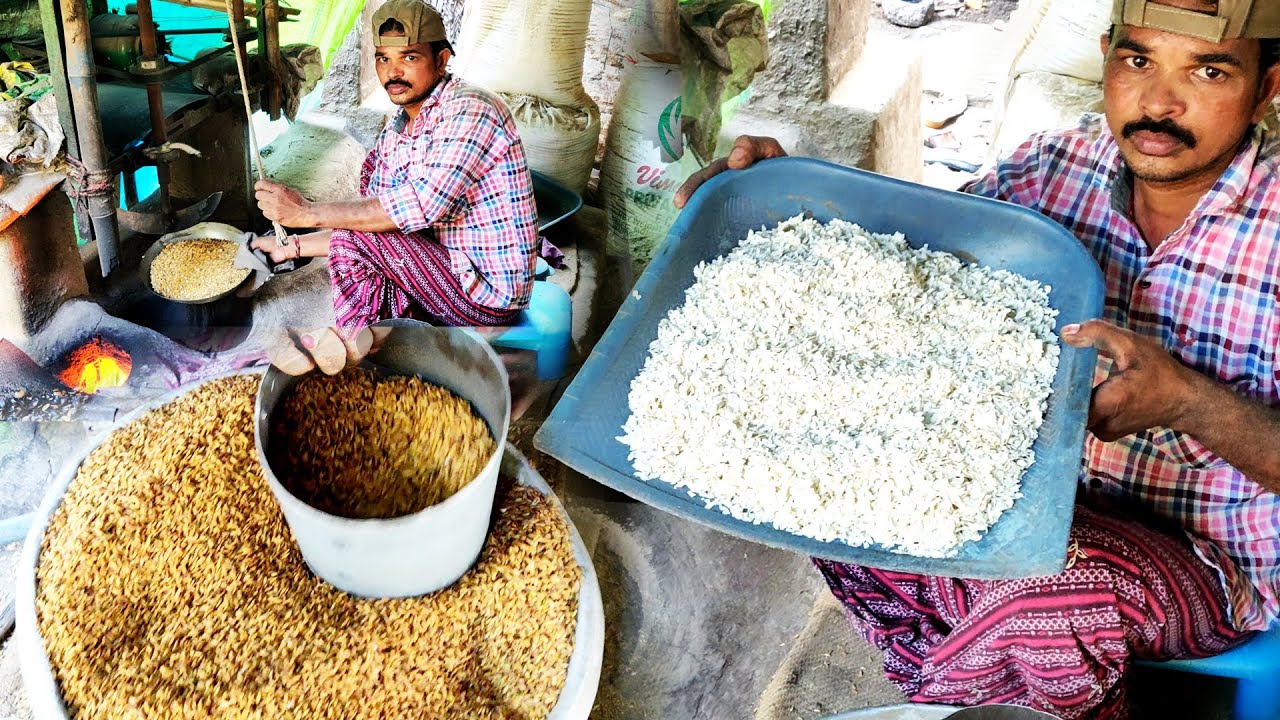
Tip the soaked flakes into a colander, shake off excess liquid, and spread them on a wide tray so every grain can breathe and separate.
Optional Roasting
For a nuttier aroma, some cooks slide the dried flakes across a warm skillet for a minute, stirring constantly until they feel light and crisp.
Fluffing the Rice
A quick toss with fingertips or a fork lifts the flakes, ensuring they stay distinct when spices join the pan.
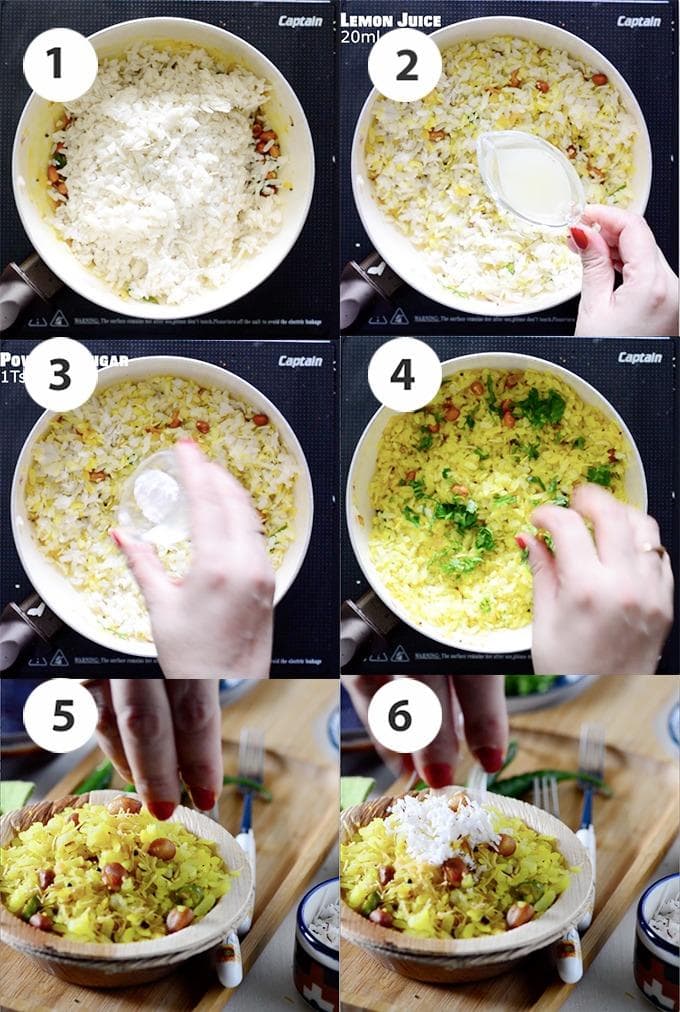
Seasoning and Finishing
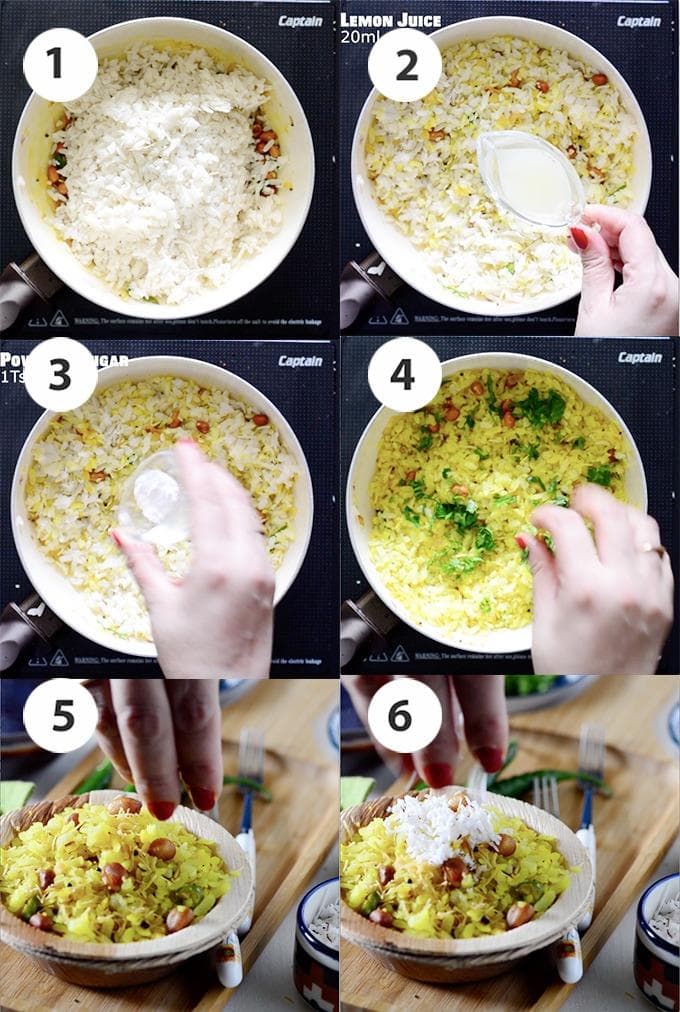
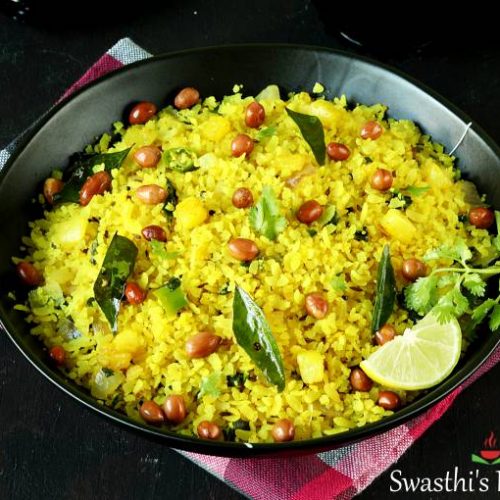
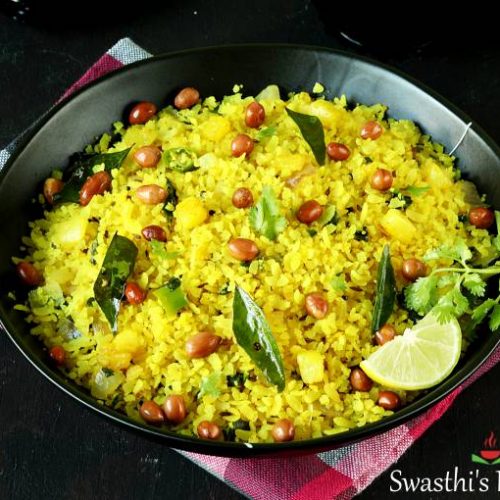
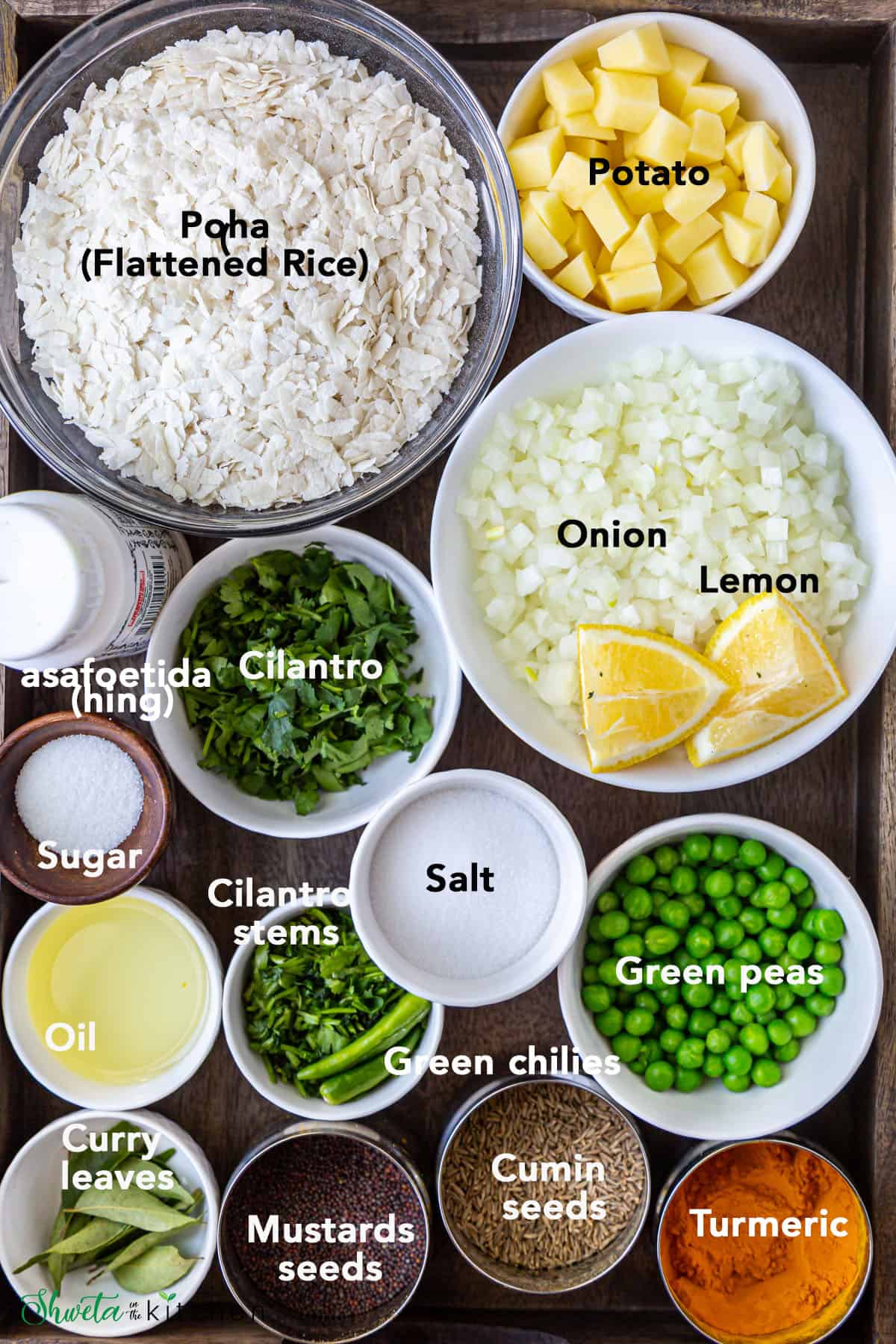
Heat a little oil, add mustard seeds, curry leaves, onion, and green chili, fold in the prepared flakes, sprinkle turmeric and salt, and finish with a squeeze of lemon and a handful of fresh coriander.
Nutritional Benefits
Beyond convenience, poha offers balanced nourishment:
Carbohydrates
Flattened rice supplies easily digestible carbs that provide steady morning energy without feeling heavy.
Protein
While not protein-dense, a serving contributes amino acids that complement other foods such as peas, peanuts, or yogurt.
Fiber
Light flakes still retain some bran, supporting gentle digestion and helping maintain regularity.
Micronutrients
Naturally occurring iron and B-vitamins aid red-blood-cell formation and metabolic health; a squeeze of citrus boosts iron absorption.
Cultural Significance
From bustling city cafés to quiet village homes, poha appears at breakfast counters, in lunchboxes, and even as an evening nibble. Its presence signals comfort, hospitality, and the knack of creating something tasty in minutes—qualities that keep the dish woven into daily life.
Conclusion
Preparing poha is less about technique and more about timing: soften, season, and serve while the flakes remain fluffy. The reward is a plate that marries heritage with practicality, proving that simple ingredients can still deliver big flavor and dependable nutrition.
Future Research
Questions worth exploring further include:
1. How variations in soaking time or toasting temperature affect glycemic response.
2. Ways to fortify flattened rice with additional protein or probiotics without altering its signature texture.
3. The potential role of poha-based dishes in school-meal programs aimed at improving micronutrient intake.
Deeper investigation could refine traditional methods and widen appreciation for this everyday staple.


