
The Art and Science of Food Photography
Introduction
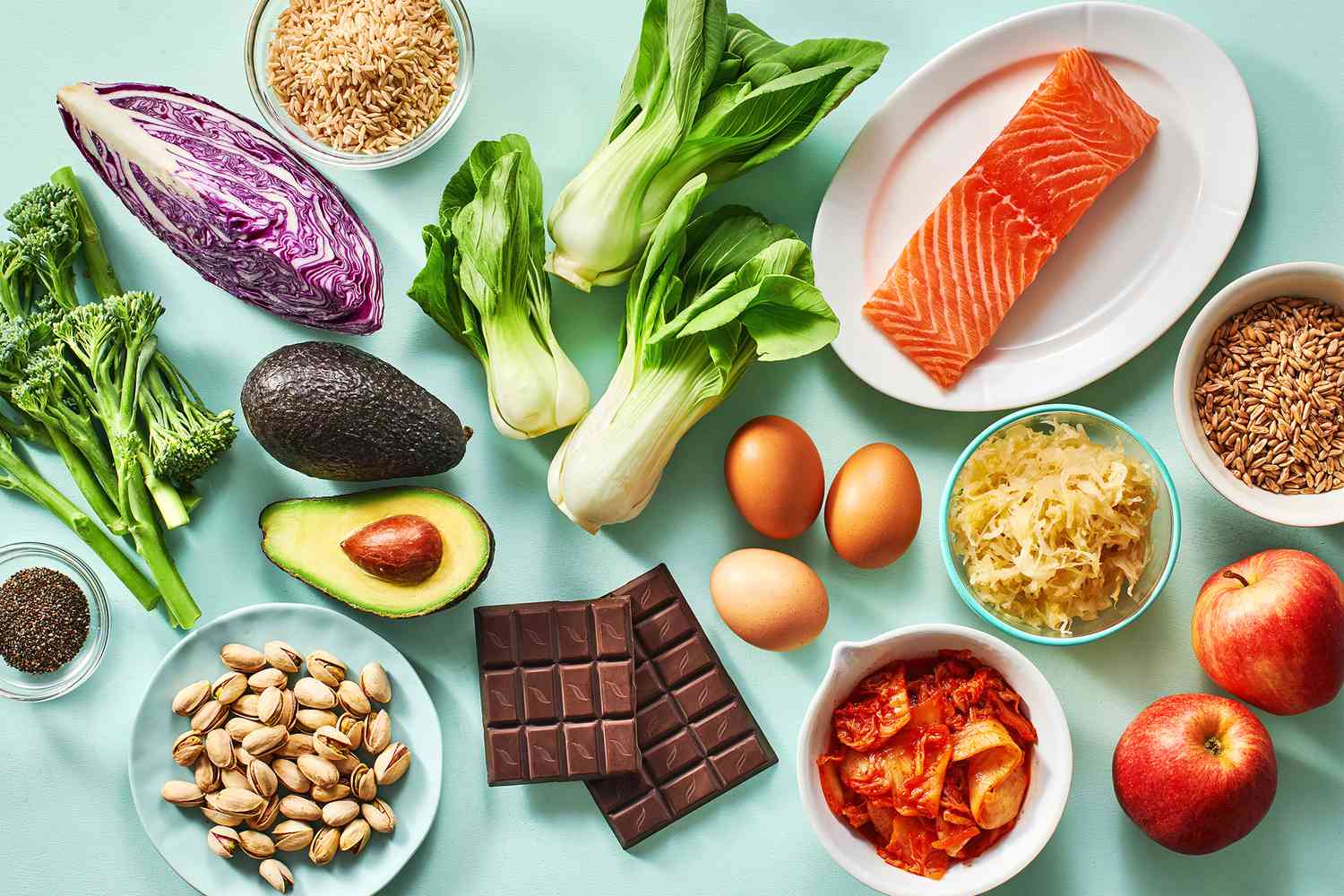
In the era of social platforms, snapping and sharing meals has become a daily ritual. What began as simple snapshots now shapes how we discover dishes, choose restaurants, and even define taste. This article explores why images of food carry so much weight online, how they steer appetite and spending, and what they mean for everyone from home cooks to global brands.
The Rise of Food Images on Social Feeds
The Evolution of Visual Storytelling
Long before smartphones, cooks kept handwritten diaries of memorable meals. Today, those private notes have become public stories told one frame at a time. Platforms built for visuals reward bright colors, soft shadows, and balanced plates, turning ordinary dinners into scroll-stopping narratives.
The Role of Aesthetics
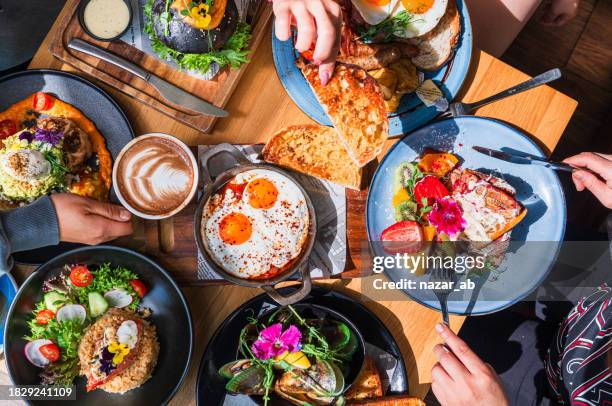
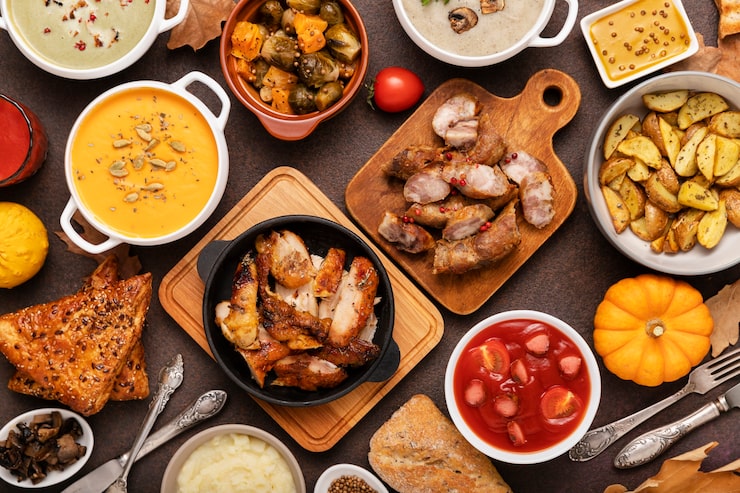
Attractive photos do more than please the eye; they awaken hunger and curiosity. A well-lit close-up of steam rising from soup or the glossy swirl of sauce can make viewers feel flavor before the first bite, increasing desire and perceived value without a single spoken word.
Impact on Everyday Choices
The Power of Visual Cues
Seeing a tempting picture moments before lunchtime can nudge someone toward a specific café or recipe. Visual appeal often overrides price comparisons or calorie counts, proving that sight can be the strongest flavor ambassador.
The Influence of Social Proof
When a dish gathers hearts and comments, it gains crowd credibility. The mere tally of positive reactions acts like a silent recommendation, guiding strangers to trust strangers and shaping weekly grocery lists or Friday night plans.
How the Industry Reacts
Marketing Strategies
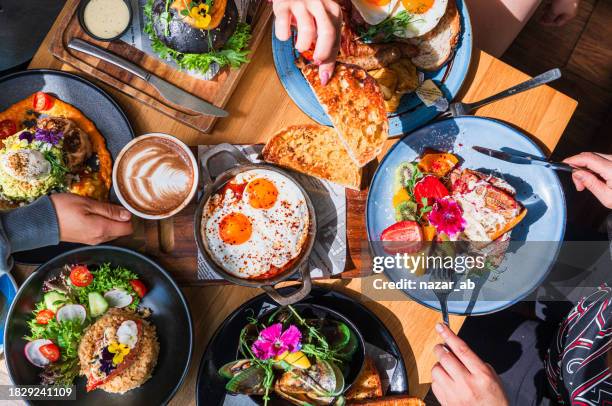
Menus are no longer printed once a season; they are refreshed daily through stories and reels. Eateries plate with the camera in mind, arranging herbs or sauces so they pop on screen, while packaged brands redesign labels to look flawless under bright phone flashes.
The Rise of Food Photography as a Profession
Specialists who understand crumbs, condensation, and the perfect 45-degree angle are now in steady demand. Their work fills cookbooks, delivery apps, and giant roadside banners, proving that a single frame can launch a thousand meals.
Challenges and Ethical Considerations
The Pressure to Present Perfect Food
Endless feeds of flawless pies and flawless lighting can make everyday sandwiches feel inadequate. It helps to remember that most images are styled, selected, and sometimes enhanced, while real kitchens embrace the beautiful chaos of actual cooking.
The Role of Authenticity
Audiences grow weary of over-polished perfection. Candid shots of half-eaten burgers or flour-dusted counters often earn deeper trust, reminding viewers that flavor matters more than filters.
Conclusion
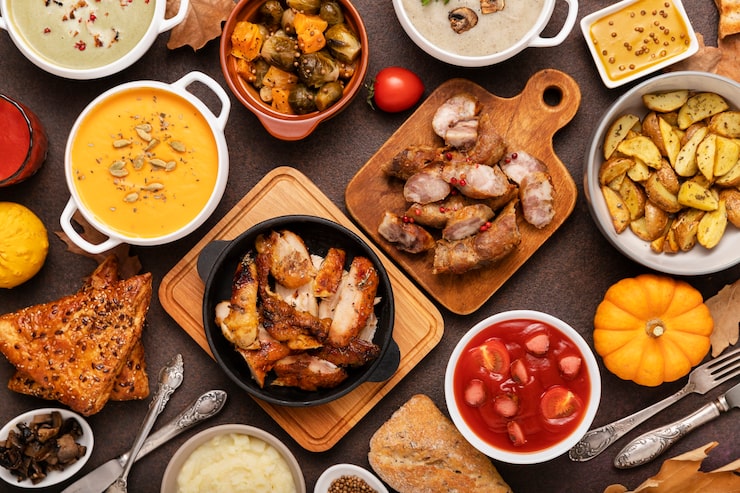
Sharing what we eat has rewritten food culture, turning meals into moments and diners into documentarians. As cameras stay within arm’s reach, the dialogue between plate and picture will keep evolving, offering fresh inspiration and new questions about what it means to truly savor.
Recommendations and Future Research
Recommendations
– Brands should balance aspiration with honesty, showing both the glamour and the mess behind great dishes.
– Consumers can protect joy by following a mix of polished and everyday accounts, keeping expectations grounded.
– Scholars might track how constant exposure to curated meals influences long-term nutrition habits and self-image.
Future Research Directions
– Explore how food imagery affects portion sizes and snacking frequency.
– Study the role of viral dishes in spreading culinary traditions across continents.
– Investigate ethical boundaries when editing colors or textures in promotional photos.
In the end, photographing food is less about chasing likes and more about celebrating shared appetite. By staying curious and critical, we can enjoy the view without losing sight of the real meal waiting on the table.