

The Ultimate Tiger Shrimp Recipe: A Culinary Journey
Introduction
Tiger shrimp, also known as Penaeus monodon, have become a staple in seafood dishes around the world. Their sweet and succulent flavor, coupled with their versatility in various culinary applications, has made them a favorite among chefs and home cooks alike. In this article, we will delve into the art of preparing the perfect tiger shrimp recipe, exploring different cooking methods, flavor profiles, and the science behind these delightful creatures. By the end of this article, you will be equipped with the knowledge and skills to create mouthwatering tiger shrimp dishes that will impress your family and friends.
The Science of Tiger Shrimp
What Makes Tiger Shrimp Special?
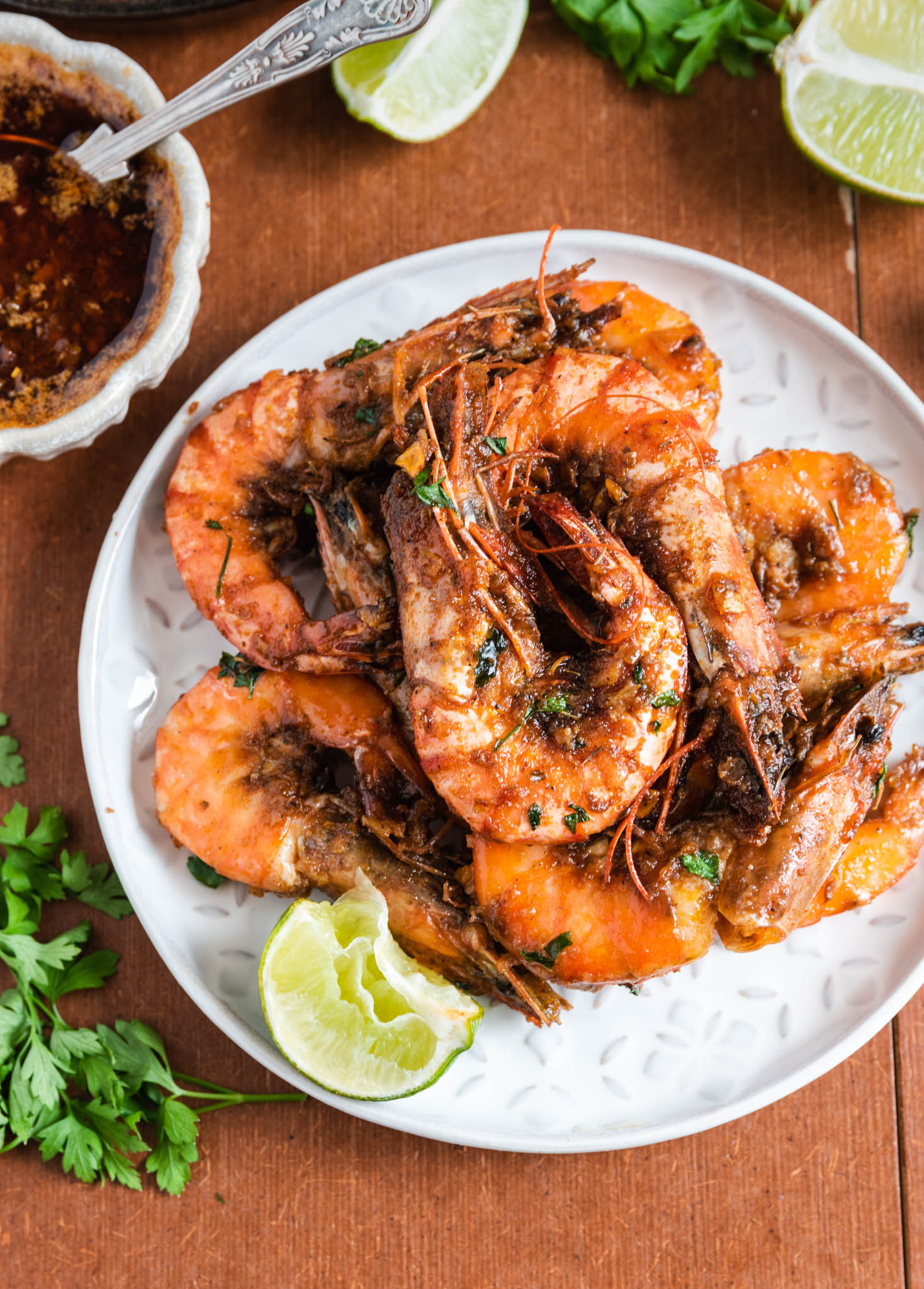
Tiger shrimp are known for their vibrant red and white striped appearance, which is a result of their genetic makeup. These shrimp are highly prized for their firm texture and rich flavor, making them a favorite in many cuisines. According to a study published in the Journal of Food Science, tiger shrimp have a higher protein content and lower fat content compared to other shrimp species, which contributes to their health benefits and culinary appeal.
Farming vs. Wild-Caught Tiger Shrimp
The debate between farmed and wild-caught tiger shrimp is a topic of great interest among seafood enthusiasts. While wild-caught shrimp are often considered to have a superior flavor, farmed shrimp are more sustainable and readily available. A report by the Food and Agriculture Organization of the United Nations (FAO) highlights the importance of sustainable shrimp farming practices to ensure the long-term availability of this delicious seafood.
Preparing the Perfect Tiger Shrimp Recipe
Selecting the Right Tiger Shrimp
The first step in creating a delicious tiger shrimp recipe is selecting the right shrimp. Look for shrimp that are firm to the touch, with a translucent appearance and a fresh, briny smell. Avoid shrimp that are slimy or have a strong fishy odor.
Cleaning and Deveining Tiger Shrimp
Before cooking, it’s essential to clean and devein the tiger shrimp. This process involves removing the shrimp’s digestive tract, which runs along the back. A simple knife can be used to make a shallow incision along the back, and the vein can be pulled out with your fingers. This step not only improves the shrimp’s appearance but also enhances its flavor.
Cooking Methods
There are several cooking methods to consider when preparing tiger shrimp, each offering a unique flavor and texture profile:
Grilling Tiger Shrimp
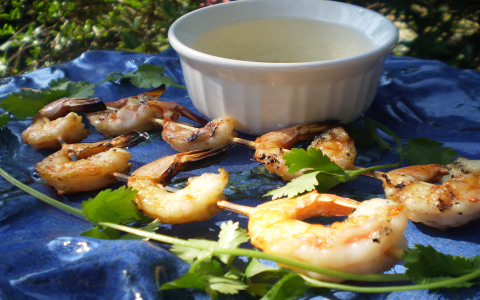
Grilling tiger shrimp is a popular method that imparts a smoky flavor and a slightly charred crust. To grill tiger shrimp, preheat your grill to medium-high heat. Season the shrimp with salt, pepper, and your favorite herbs and spices. Place the shrimp on the grill, skin-side down, and cook for about 2-3 minutes per side, or until they turn pink and opaque.
Baking Tiger Shrimp
Baking tiger shrimp is a healthier alternative to grilling, as it requires no added fats. Preheat your oven to 400°F (200°C) and place the shrimp on a baking sheet lined with parchment paper. Season with salt, pepper, and your preferred herbs and spices. Bake for about 10-12 minutes, or until the shrimp are cooked through.
Boiling Tiger Shrimp
Boiling tiger shrimp is a quick and easy method that is perfect for adding flavor with herbs and spices. Bring a large pot of salted water to a boil, add the shrimp, and cook for about 2-3 minutes, or until they turn pink and opaque. Drain the shrimp and serve immediately.
Steaming Tiger Shrimp
Steaming tiger shrimp is a delicate cooking method that preserves the shrimp’s natural flavor and texture. Place the shrimp in a steamer basket over boiling water, season with salt, pepper, and your favorite herbs and spices, and steam for about 3-5 minutes, or until they are cooked through.
Flavor Profiles and Seasonings
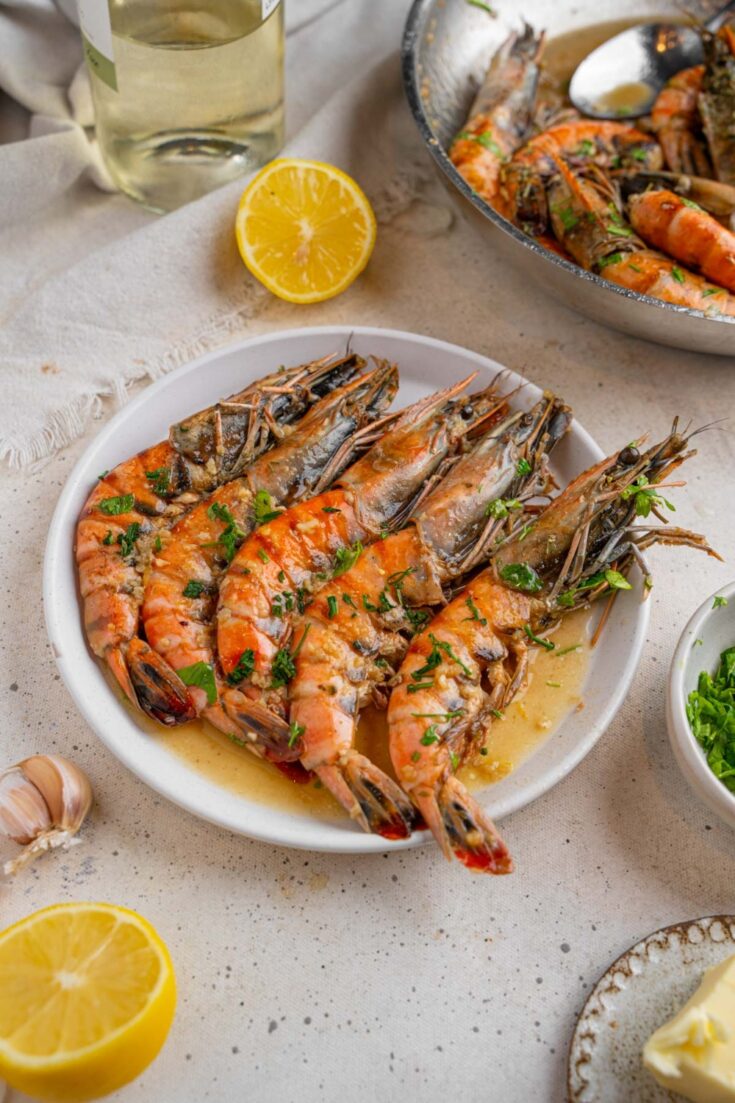
The key to a perfect tiger shrimp recipe lies in the right balance of flavors. Here are some popular flavor profiles and seasonings to consider:
Spicy Tiger Shrimp
For a spicy flavor, add a dash of cayenne pepper, red pepper flakes, or a spicy Asian sauce like sriracha.
Garlic and Lemon Tiger Shrimp
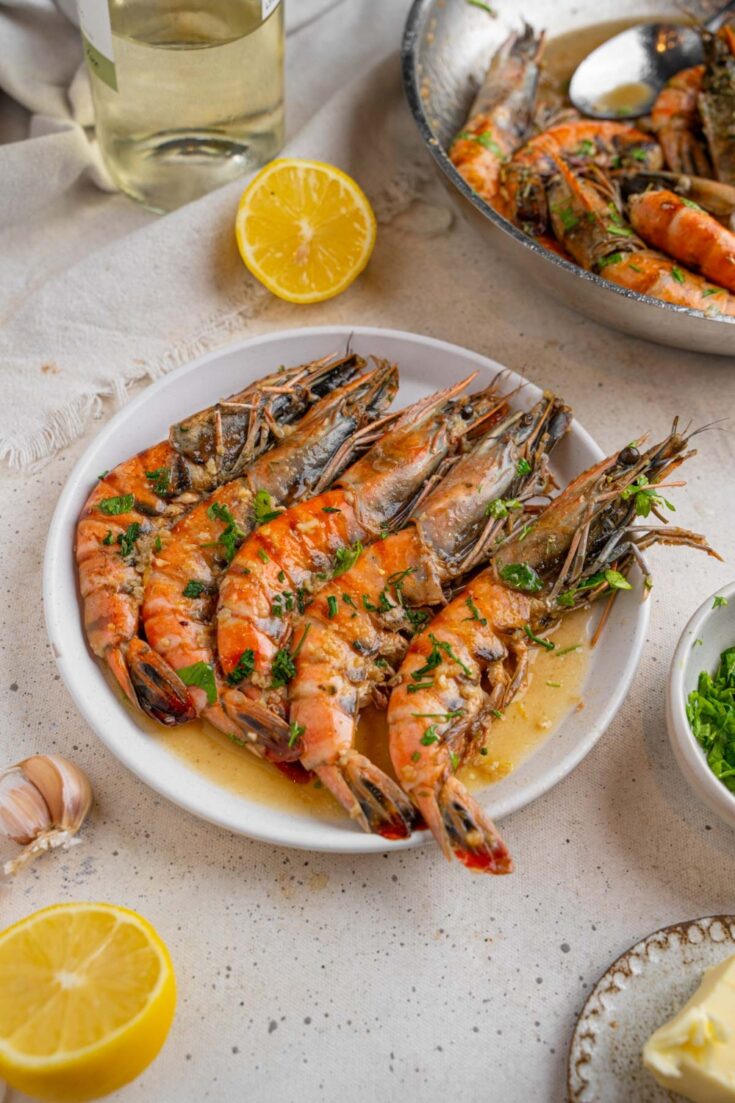
A classic combination that pairs well with the sweet and succulent flavor of tiger shrimp. Simply season the shrimp with salt, pepper, minced garlic, and lemon zest or juice.
Teriyaki Tiger Shrimp
For a sweet and savory flavor, marinate the shrimp in a mixture of soy sauce, mirin, and sake, then grill or bake.
Conclusion
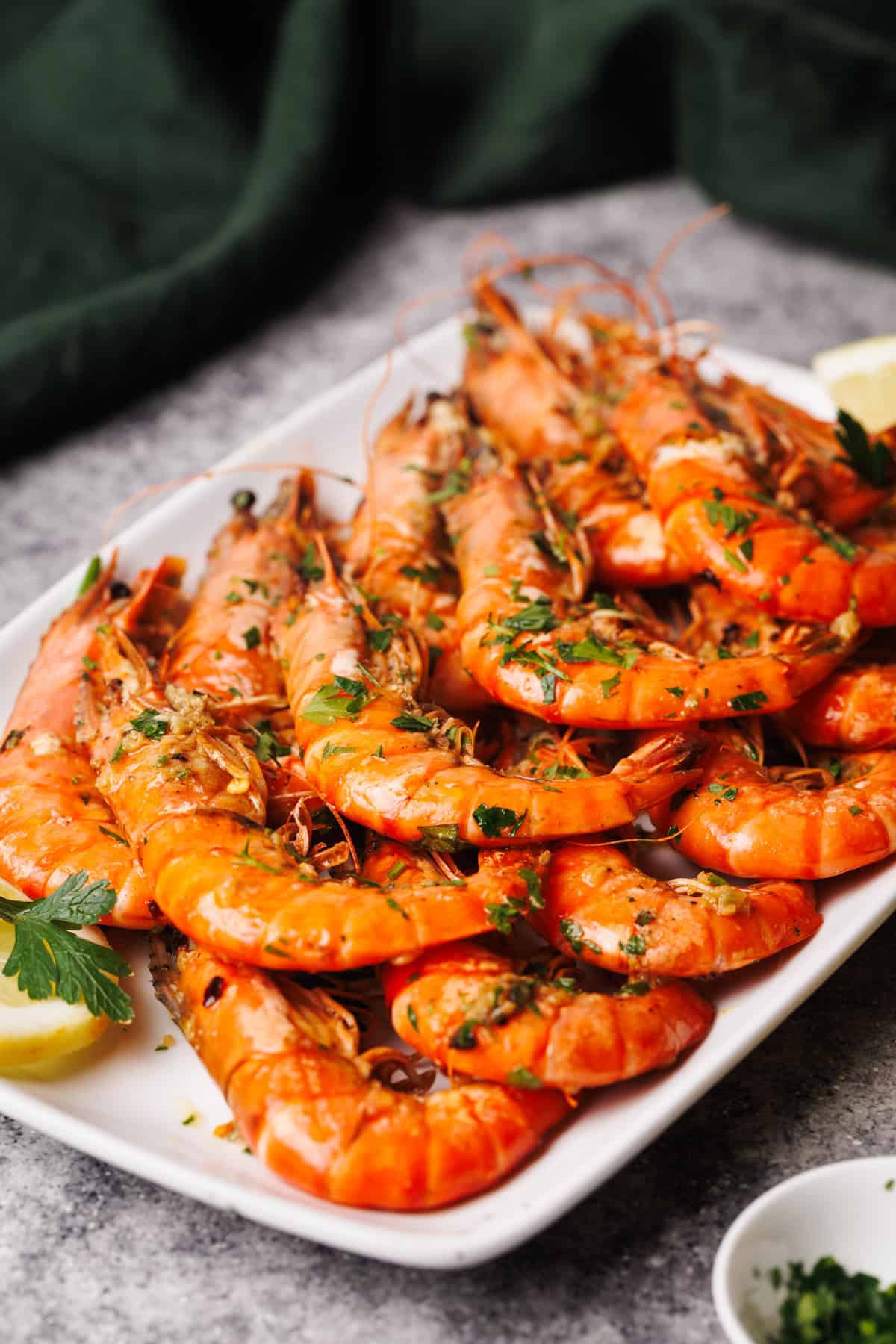
Tiger shrimp are a versatile and delicious seafood choice that can be prepared in numerous ways. By understanding the science behind these delightful creatures and experimenting with different cooking methods and flavor profiles, you can create mouthwatering tiger shrimp dishes that will impress your family and friends. Remember to select fresh shrimp, clean and devein them properly, and choose the right cooking method and seasonings to enhance their natural flavor. Happy cooking!
Future Research and Recommendations
As tiger shrimp continue to gain popularity, further research into sustainable farming practices and the health benefits of consuming this seafood is essential. Additionally, exploring new flavor combinations and cooking techniques can help expand the culinary possibilities of tiger shrimp. Chefs and home cooks alike should be encouraged to experiment with this versatile seafood, creating innovative dishes that celebrate its unique qualities.


