
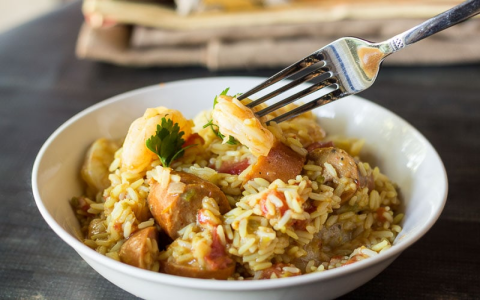

Seafood Jambalaya Recipe: A Culinary Journey Through the Americas
Introduction
Seafood jambalaya is a beloved dish that has captured the hearts and taste buds of food enthusiasts around the world. Originating from the Americas, this vibrant and flavorful dish has a rich history and cultural significance. In this article, we will delve into the origins of seafood jambalaya, its ingredients, preparation techniques, and its popularity across different regions. We will also explore the health benefits of this dish and its place in modern cuisine.
The Origins of Seafood Jambalaya
1.1 French Influence
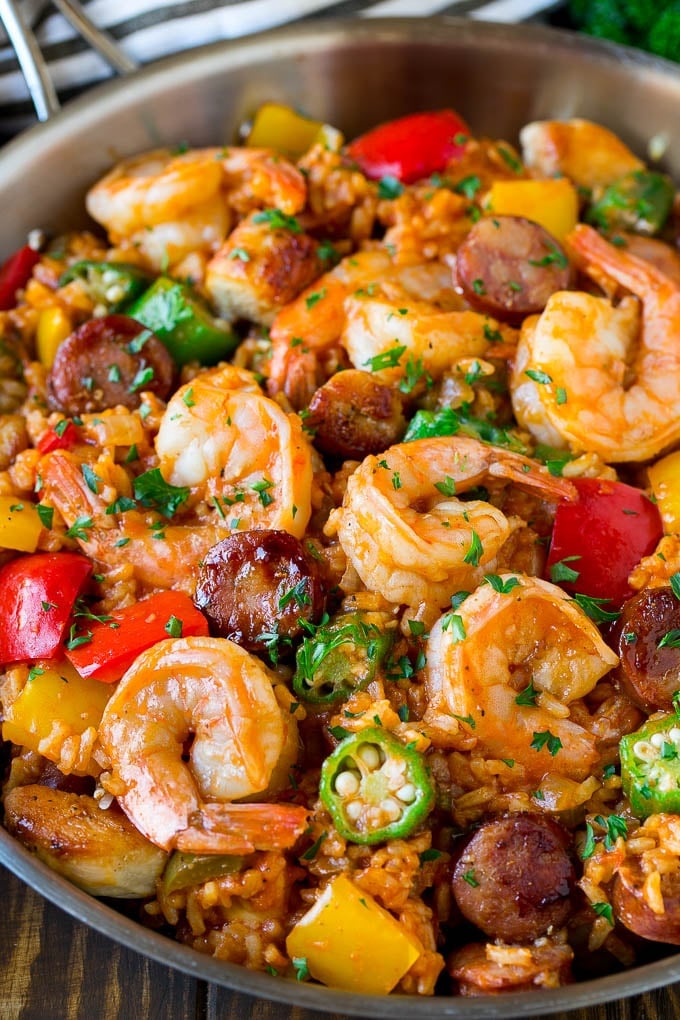
Seafood jambalaya has its roots in the French cuisine of Louisiana. The French settlers brought their culinary traditions to the Americas, and over time, these traditions merged with the local ingredients and cooking techniques. The term jambalaya is believed to have originated from the French word jambon, meaning ham, and laya, meaning rice.
1.2 Spanish Influence
The Spanish also played a significant role in the development of seafood jambalaya. They introduced rice cultivation to the Americas, which became a staple ingredient in this dish. The Spanish also brought their own culinary traditions, such as the use of tomatoes and bell peppers.
The Ingredients of Seafood Jambalaya
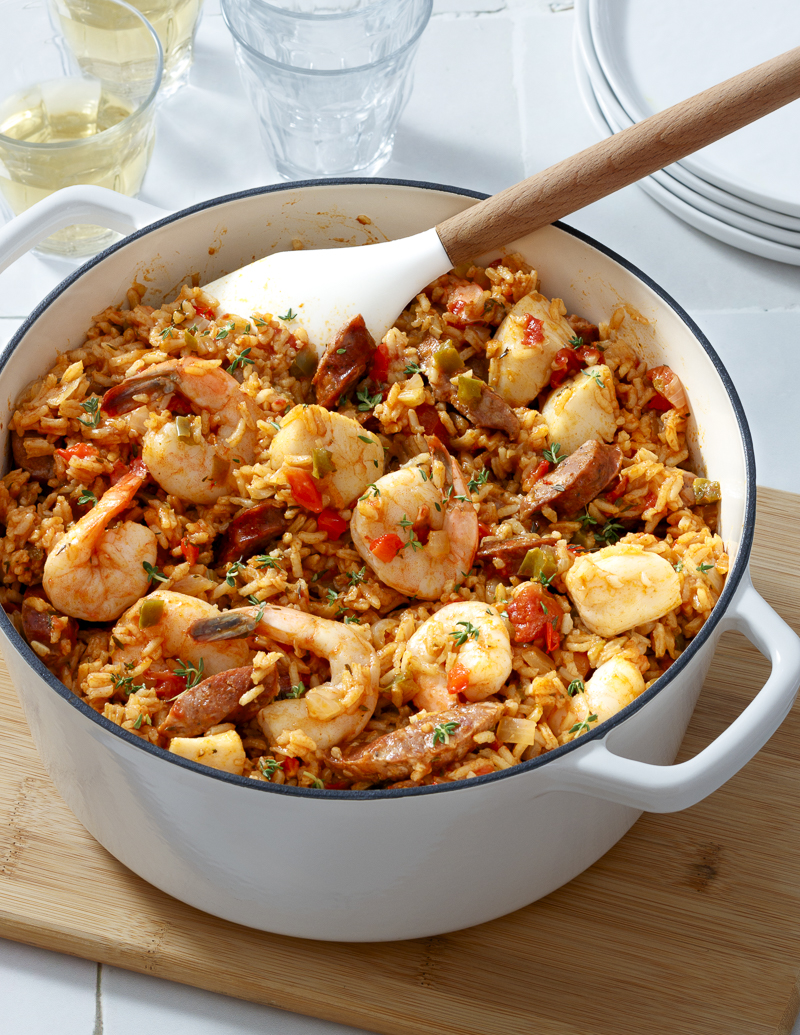
Seafood jambalaya is a dish that showcases the diverse flavors of the Americas. The key ingredients include:
2.1 Seafood
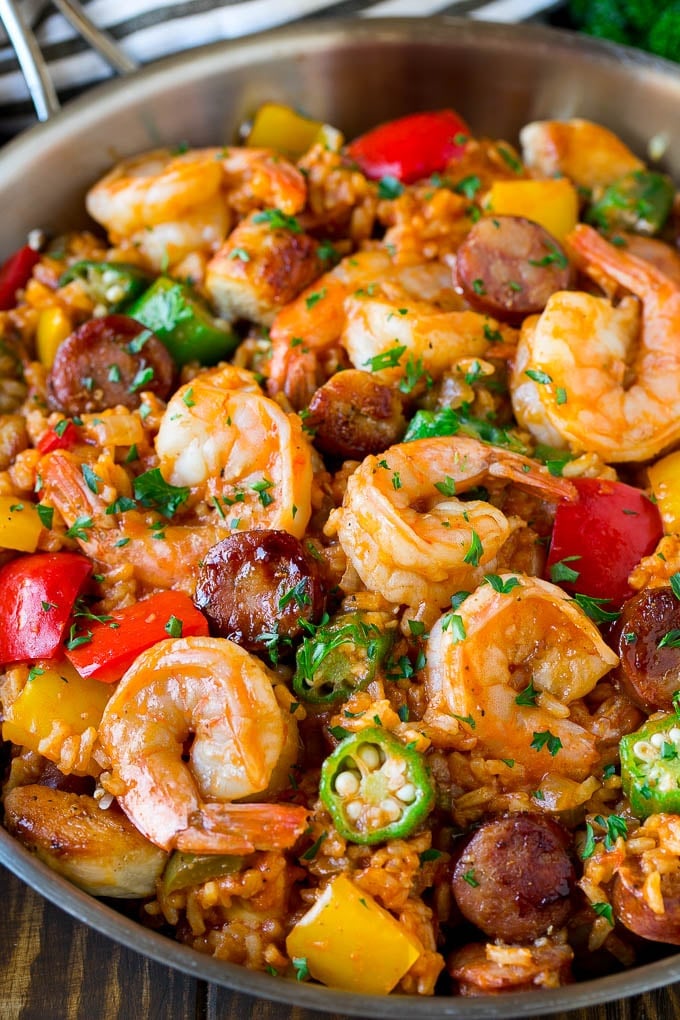
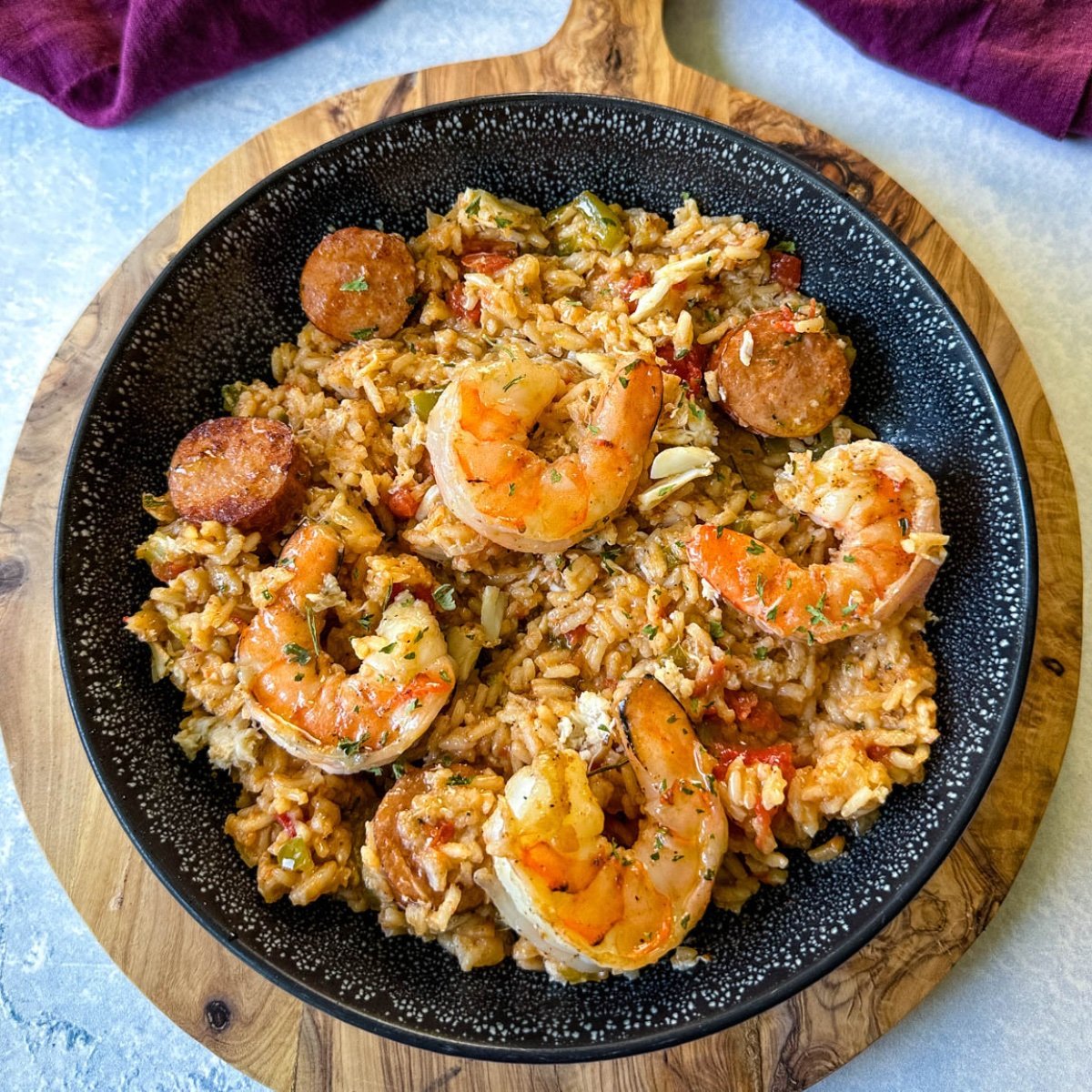
The seafood used in seafood jambalaya can vary depending on the region and personal preference. Common choices include shrimp, crawfish, mussels, and fish. The seafood is typically cooked until it is tender and fully flavored.
2.2 Meat
While seafood is the star of the show, meat is also an essential component of seafood jambalaya. Sausage, chicken, or turkey are commonly used to add depth and richness to the dish.
2.3 Vegetables
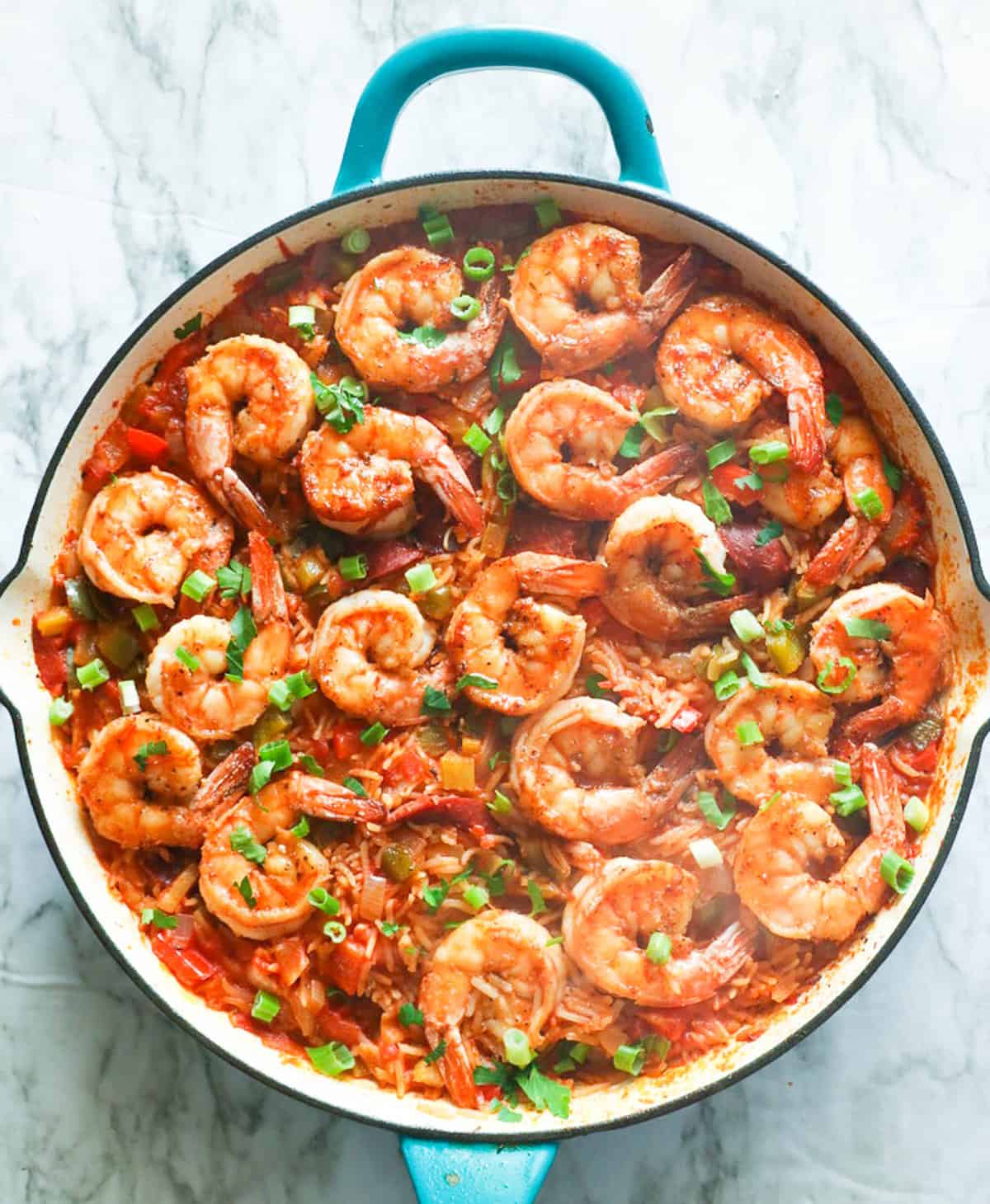
Vegetables such as bell peppers, onions, celery, and tomatoes are essential for adding flavor and color to the dish. These vegetables are sautéed until they are soft and fragrant.
2.4 Rice
Rice is the backbone of seafood jambalaya. It absorbs the flavors of the other ingredients and creates a hearty, satisfying dish.
The Preparation Techniques
The preparation of seafood jambalaya is a process that requires patience and attention to detail. Here is a step-by-step guide to making this delicious dish:
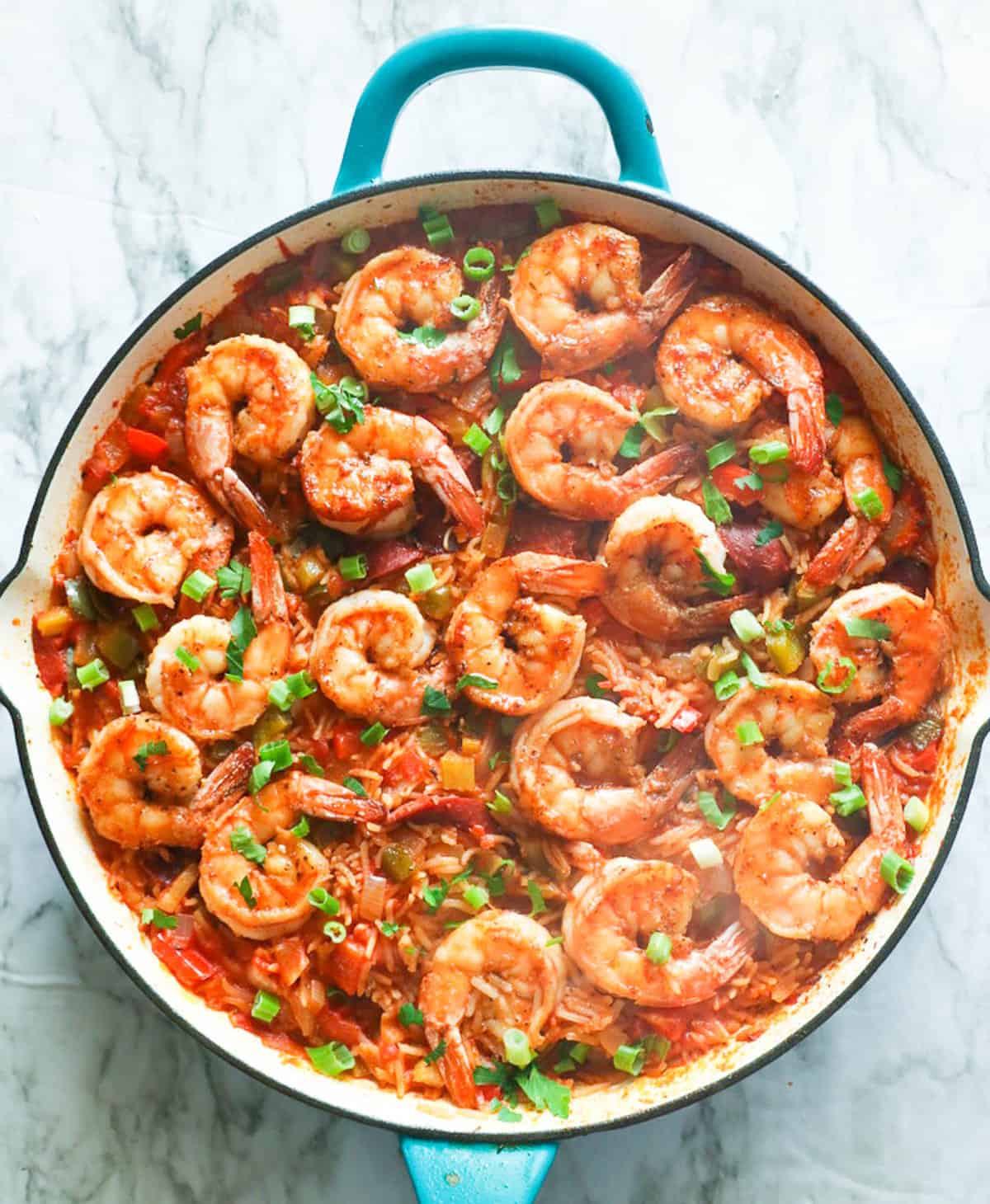
3.1 Sauté the Vegetables
Start by sautéing the onions, bell peppers, and celery in a large pot. Cook until the vegetables are soft and fragrant.
3.2 Cook the Meat
Add the meat to the pot and cook until it is browned and cooked through. If using sausage, remove the casing before cooking.
3.3 Add the Seafood
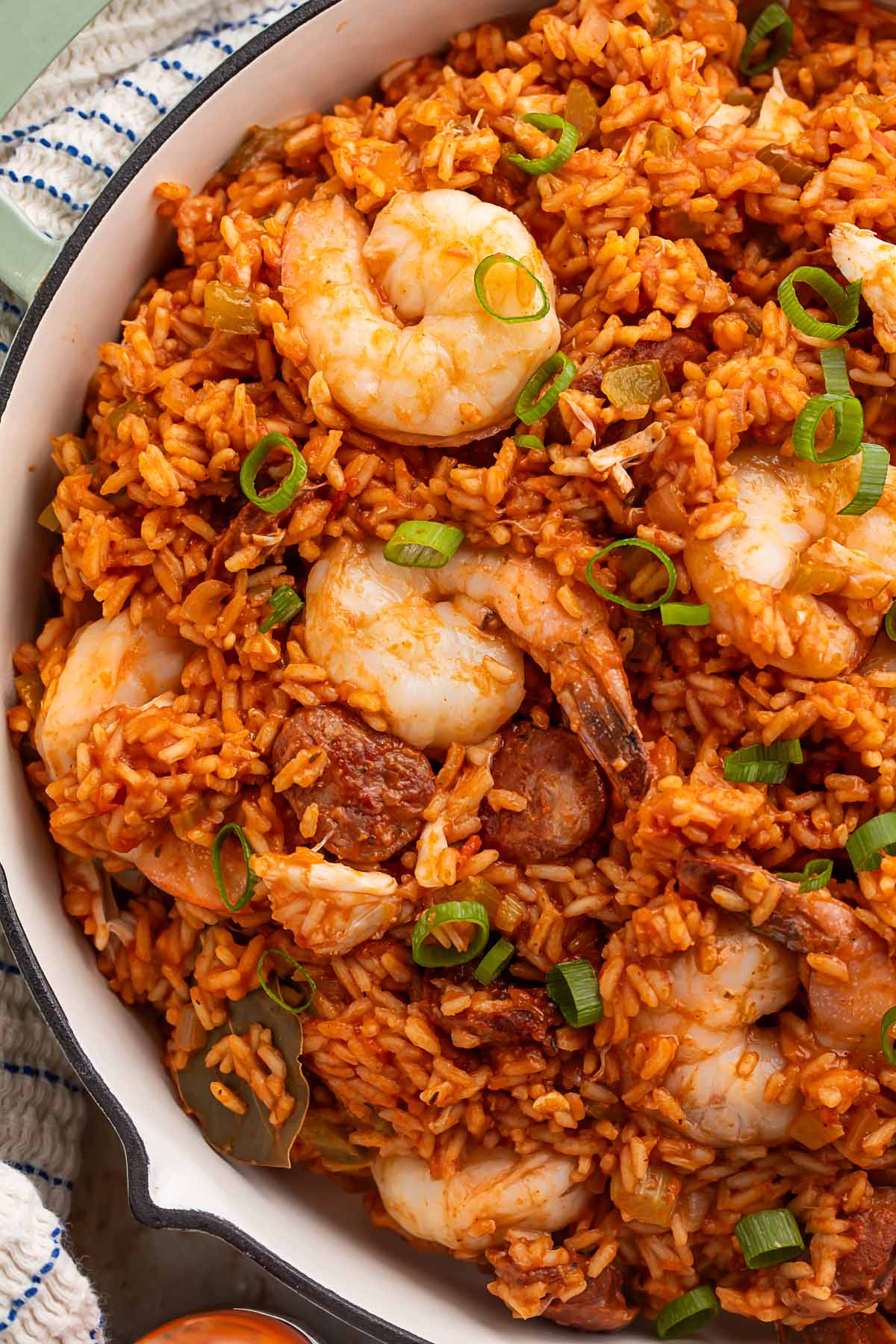
Once the meat is cooked, add the seafood to the pot. Cook until the seafood is tender and fully flavored.
3.4 Add the Rice and Seasonings
Add the rice to the pot, along with the tomatoes and seasonings. Stir well to combine all the ingredients.
3.5 Simmer
Cover the pot and simmer the seafood jambalaya over low heat for about 20 minutes, or until the rice is cooked and the flavors have melded together.
The Popularity of Seafood Jambalaya
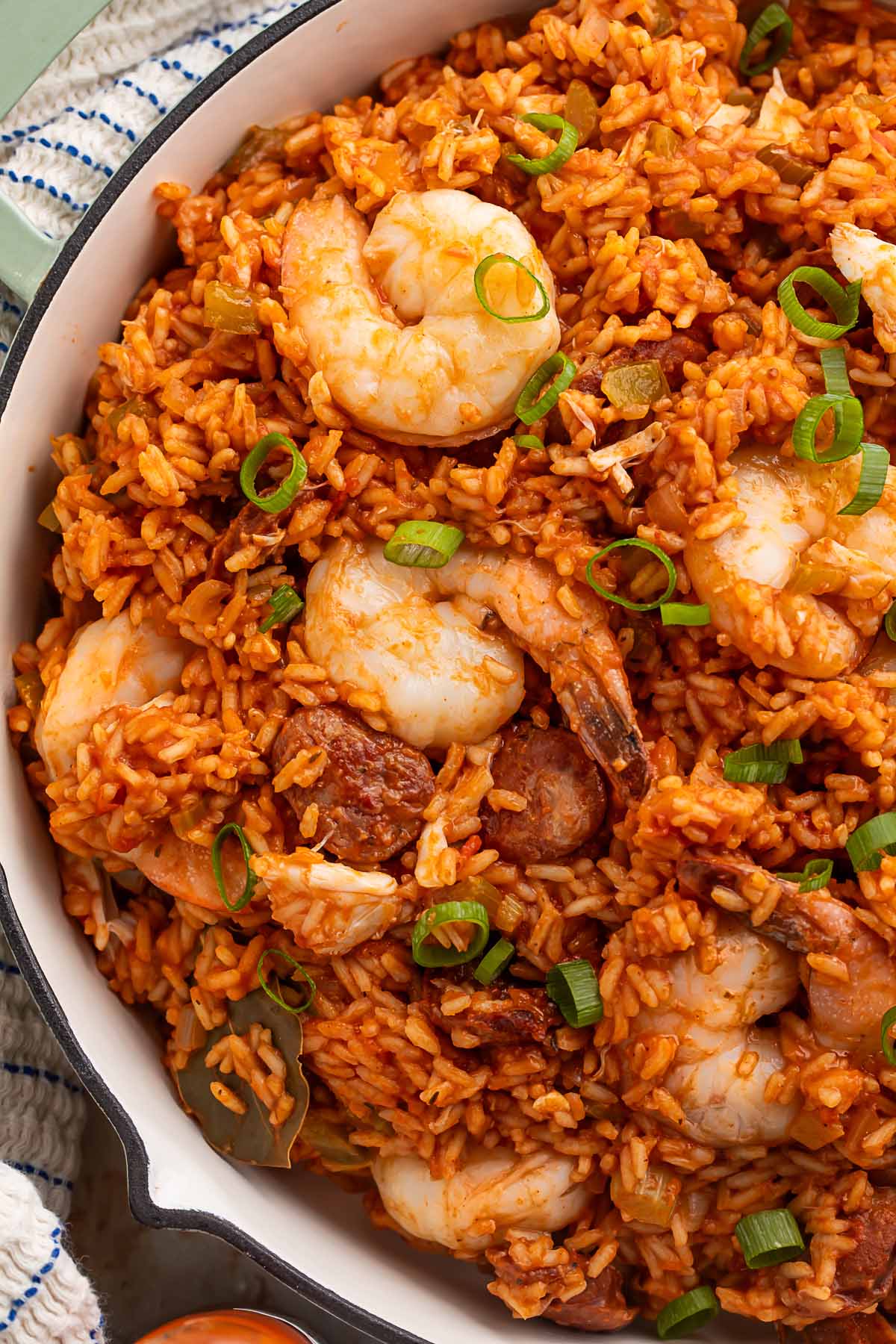
Seafood jambalaya has gained popularity across the Americas, with variations of the dish found in various regions. Here are a few notable examples:
4.1 Louisiana Seafood Jambalaya
In Louisiana, seafood jambalaya is a staple of the local cuisine. The dish is often made with a variety of seafood, including shrimp, crawfish, and oysters, and is seasoned with a blend of herbs and spices.
4.2 Spanish-Style Seafood Jambalaya
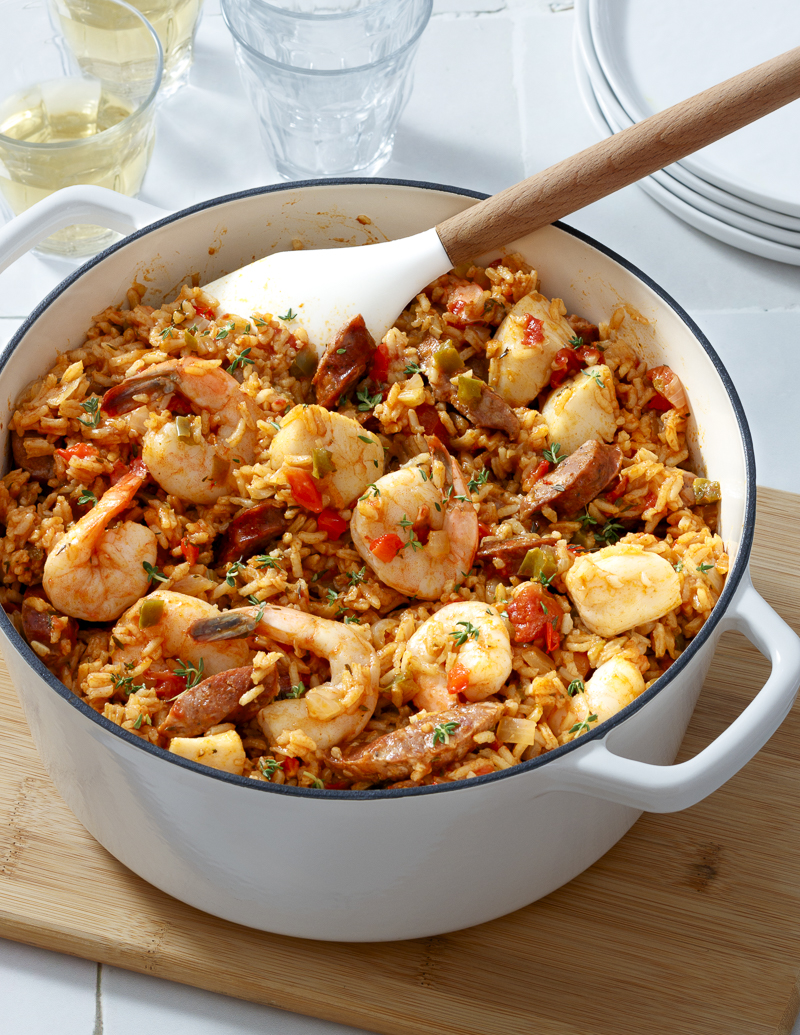
In Spain, seafood jambalaya is known as paella and is made with a variety of seafood, meat, and vegetables. The dish is cooked in a large, shallow pan and is characterized by its fluffy rice and golden crust.
4.3 Caribbean Seafood Jambalaya
In the Caribbean, seafood jambalaya is often made with coconut milk and a variety of spices, creating a rich and flavorful dish.
Health Benefits of Seafood Jambalaya
Seafood jambalaya is not only delicious but also offers several health benefits:
5.1 Nutrient-Rich Seafood
Seafood is an excellent source of protein, omega-3 fatty acids, and other essential nutrients. These nutrients are beneficial for heart health, brain function, and overall well-being.
5.2 Low in Fat
Seafood jambalaya is a low-fat dish, making it a healthy option for those looking to maintain a healthy weight.
5.3 High in Fiber
The rice and vegetables used in seafood jambalaya are high in fiber, which can help improve digestion and reduce the risk of chronic diseases.
Conclusion
Seafood jambalaya is a dish that embodies the rich culinary traditions of the Americas. Its vibrant flavors, diverse ingredients, and health benefits have made it a favorite among food enthusiasts worldwide. Whether you’re a seasoned chef or a novice cook, making seafood jambalaya is a rewarding experience that will leave you with a delicious and satisfying meal. So why not give this classic dish a try and embark on a culinary journey through the Americas?


