
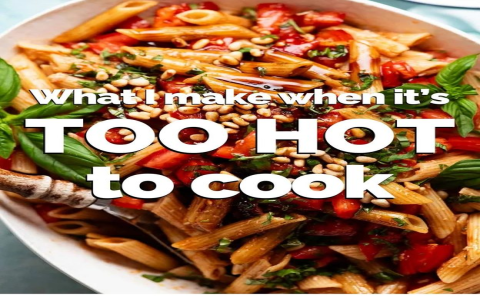

The Significance and Evolution of Recipes in Culinary History
Introduction
Recipes act as timeless guides that carry flavor memories from one generation to the next. They balance continuity with creativity, allowing each cook to honor past tastes while adding a personal touch. This overview traces how written instructions for food have changed, why they matter, and how they continue to influence the way we cook today.
The Ancient Roots of Recipes
Early societies shared cooking knowledge through carvings, tablets, and scrolls. Egyptians recorded bread-making steps on papyrus, while Greek and Roman authors assembled notes on sauces, stews, and festive meals, laying the groundwork for organized culinary texts.
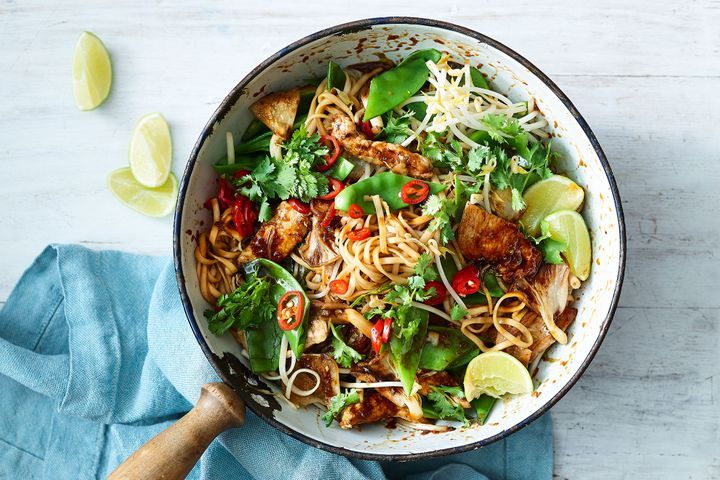
The Roman De Re Coquinaria
A compilation from imperial Rome offers insight into lavish banquets and modest household fare alike. Its layered dishes, fragrant spice blends, and detailed procedures reveal a culture that treated cooking as both art and science.
The Middle Ages: A Shift in Culinary Practices
During the medieval period, monasteries and manor houses became centers of gastronomic experimentation. Verbal instruction still dominated, yet handwritten leaflets began listing ingredients, timings, and presentation tips for feasts that celebrated seasonal abundance.
The Forme of Cury
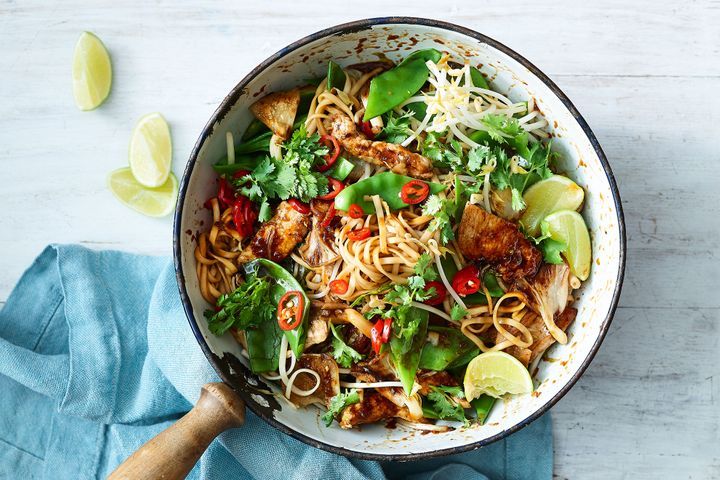
An English manuscript of the 1300s showcases recipes for meat, fish, and vegetable dishes enriched by newly imported spices. Clear directions on roasting, boiling, and baking illustrate a growing desire to standardize tastes across grand kitchens.
The Renaissance: A Golden Age for Recipes
The arrival of the printing press allowed recipe collections to travel beyond court circles. Cooks from different regions could compare methods, spurring the rise of distinct local cuisines and encouraging playful adaptation of foreign flavors.
The Art of Cookery
A monumental work by a celebrated papal chef presents step-by-step illustrations of tools, techniques, and elaborate menus. Its organized structure helped readers reproduce refined dishes, setting a template for future instructional writing.
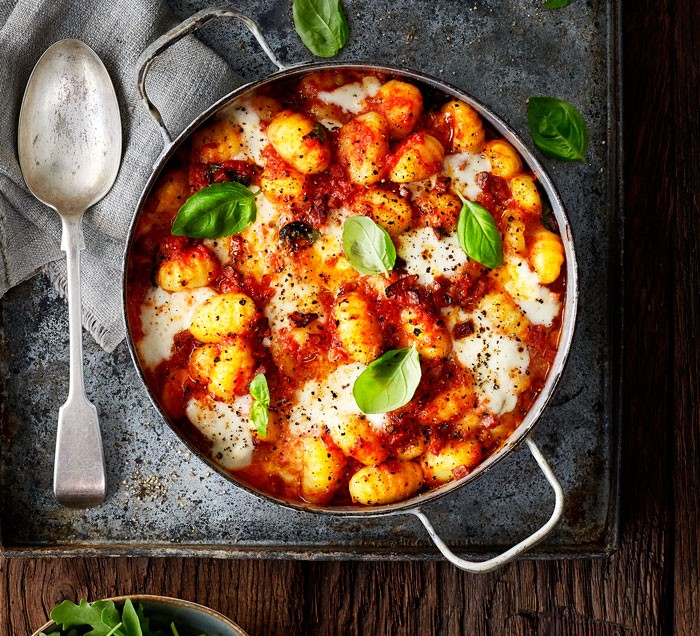
The Industrial Revolution and the Standardization of Recipes
Mass-produced cookware, reliable ovens, and consistent ingredients prompted writers to specify exact measures and temperatures. Home cooks welcomed this precision, which made complex dishes less daunting and everyday meals more repeatable.
The Fannie Farmer Cookbook
First released at the turn of the twentieth century, a widely circulated American guide introduced level measurements and clear timing charts. It became a trusted kitchen companion, uniting households through shared, dependable formulas.
Modern Recipes: A Fusion of Tradition and Innovation
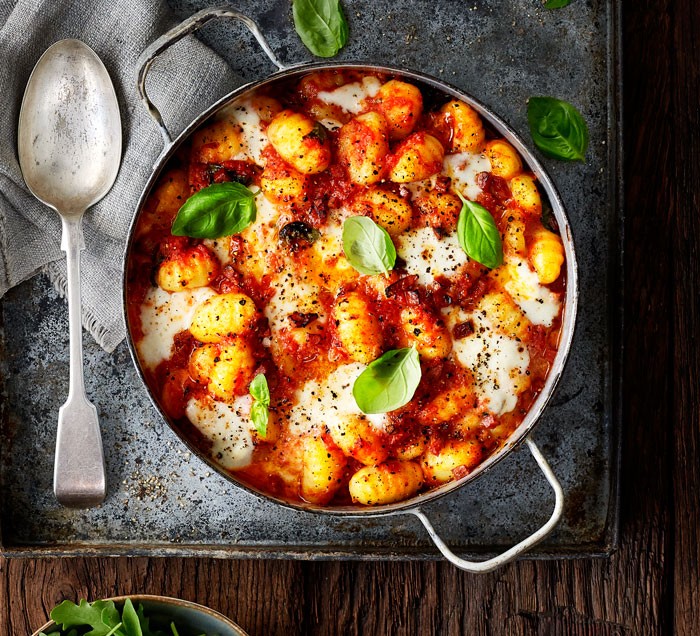
Digital platforms now host countless variations of classic dishes, while food blogs and video channels demonstrate techniques in real time. Cooks everywhere blend great-grandmother’s stew with newly discovered spices, creating vibrant hybrids that honor both memory and curiosity.
The Role of Social Media
Photograph-friendly platforms encourage quick sharing of plating ideas, ingredient swaps, and cultural stories behind each dish. Instant feedback fosters creativity and nurtures a global community that celebrates diverse foodways.
The Future of Recipes
Tomorrow’s instructions may highlight plant-forward choices, low-waste methods, and smart appliances that adjust heat automatically. Yet the heart of every recipe will remain the same: a wish to feed others with care, flavor, and meaning.
The Importance of Preservation
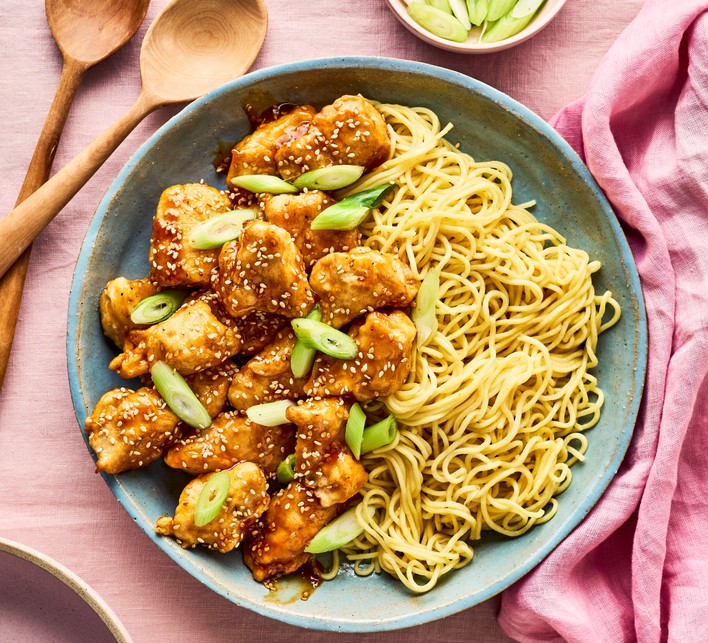
Documenting time-tested dishes safeguards cultural identity. Community projects, digital archives, and collaborative cooking classes ensure that cherished flavors and the tales they carry are passed on to new hands and palates.
Conclusion
From clay tablets to touchscreen tablets, recipes have chronicled humanity’s endless appetite for connection and comfort. By valuing both the old and the new, we keep the story of food alive, inviting every generation to stir its own chapter into the ever-evolving cookbook of life.


