

The Art and Science of Cooking: A Complete Guide to Preparing Meals
Cooking has been practiced for thousands of years, blending creativity with scientific principles. This guide explores why cooking matters, the science that drives it, popular techniques, and practical advice for success. It also highlights how home cooking supports health, budgets, and social connections.
Why Cooking Matters
Preparing meals at home empowers people to choose nutritious ingredients, control portions, and experiment with flavors. The process can also be relaxing, offering a mindful break from daily routines and a chance to bond with family or friends.
The Science in Your Pantry
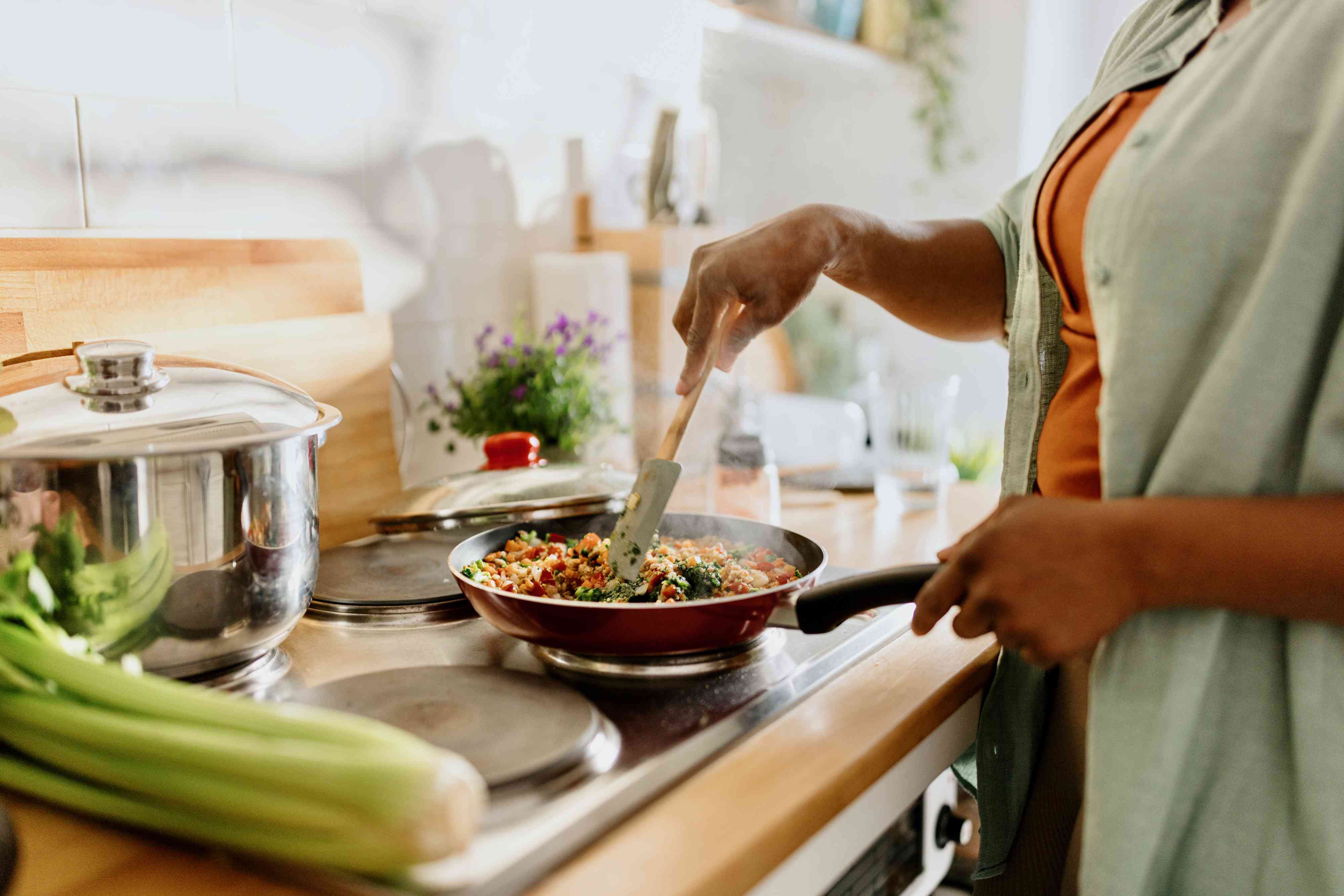
Heat triggers chemical and physical changes in food. Proteins unwind and reconnect, vegetables soften as cell walls break, and starches swell with water. Understanding these reactions helps cooks adjust time and temperature for better texture and taste.
Core Cooking Methods
Boiling
Submerging food in bubbling water cooks it quickly. Ideal for pasta, grains, and many vegetables, boiling is convenient but can dissolve some water-soluble nutrients.
Baking
Surrounding food with dry oven heat produces even cooking and browning. Bread, casseroles, and fruit desserts benefit from this gentle, oil-free method.
Grilling
High heat from below sears meats, seafood, and vegetables, creating smoky notes and attractive grill marks. Watch food closely to prevent charring and ensure even doneness.
Sautéing
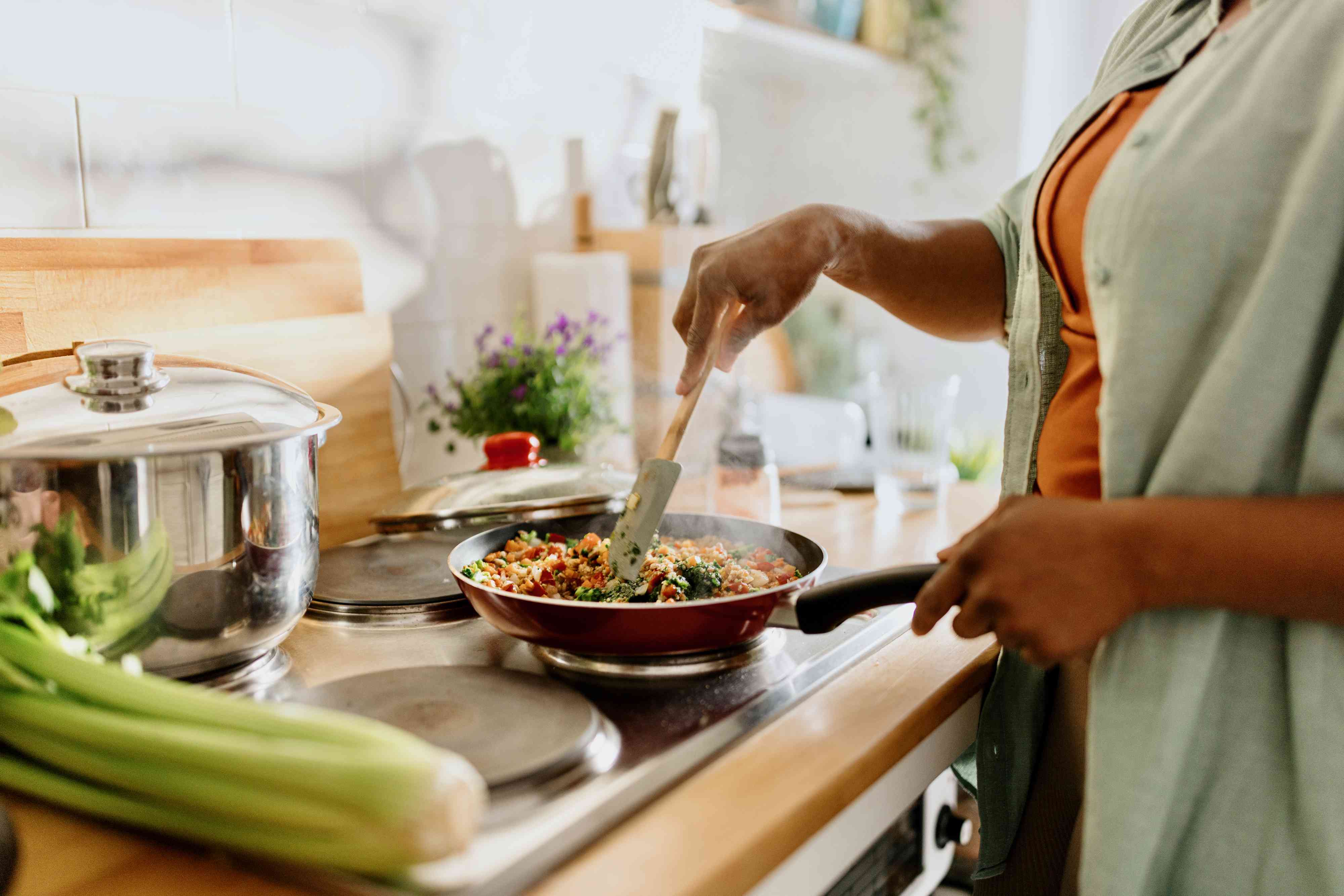
A thin film of oil in a hot pan cooks small pieces of food within minutes. Frequent stirring preserves color and nutrients while building flavor.
Stewing
Slow, moist heat in a covered pot tenderizes tougher cuts of meat and blends spices. The result is a rich, unified sauce and fork-soft ingredients.
Keys to Consistent Results
Keep these habits in mind every time you cook:
Pick Fresh Ingredients
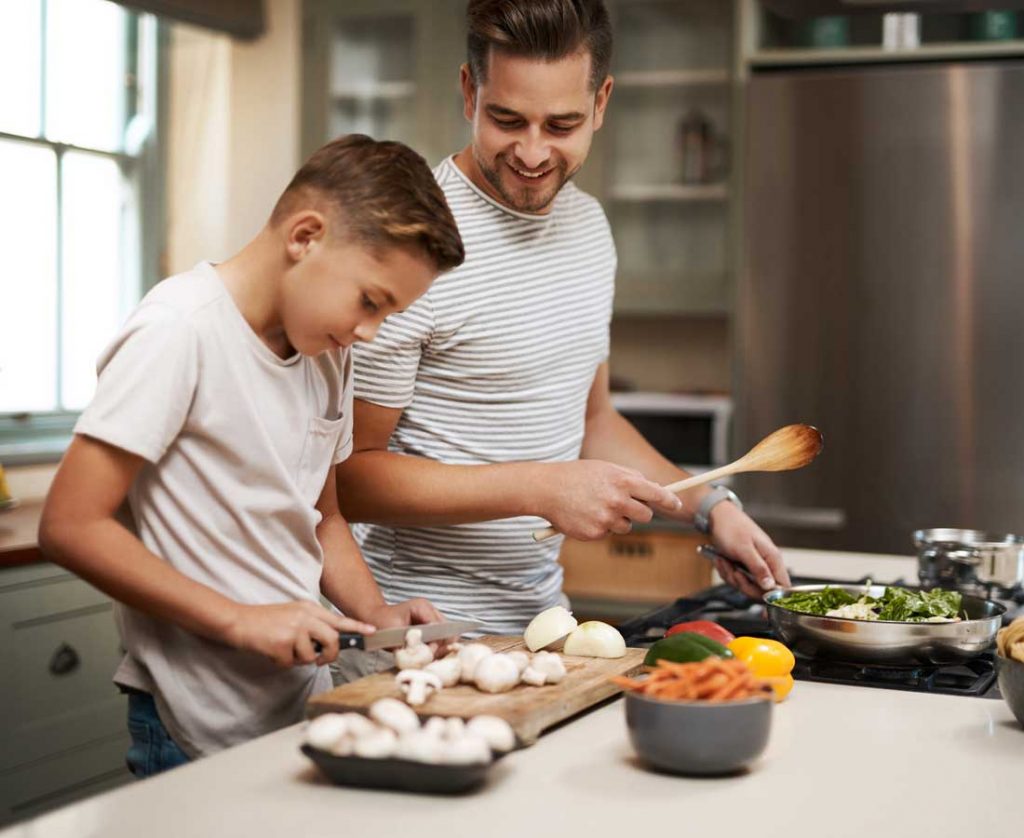
Vibrant produce, fragrant herbs, and quality proteins form the foundation of tasty dishes. Shop seasonally when possible for peak flavor.
Measure with Care
Use standard cups or a digital scale for accuracy, especially when baking, where ratios matter most.
Read the Recipe First
Review all steps before starting. Prepare ingredients in advance to avoid surprises mid-cook.
Use Reliable Tools
Sharp knives, heavy-based pans, and an oven thermometer speed up work and improve outcomes.
Give It Time
Allow meats to rest after cooking, let sauces simmer gently, and permit bread to cool before slicing. Patience locks in flavor and texture.
Rewards of Home Cooking
Regularly preparing meals delivers advantages beyond the plate:
Health Gains
Controlling salt, sugar, and fat reduces reliance on highly processed products and supports balanced diets.
Savings
Buying staples in bulk and turning leftovers into new dishes stretches grocery budgets further than frequent take-out.
Togetherness
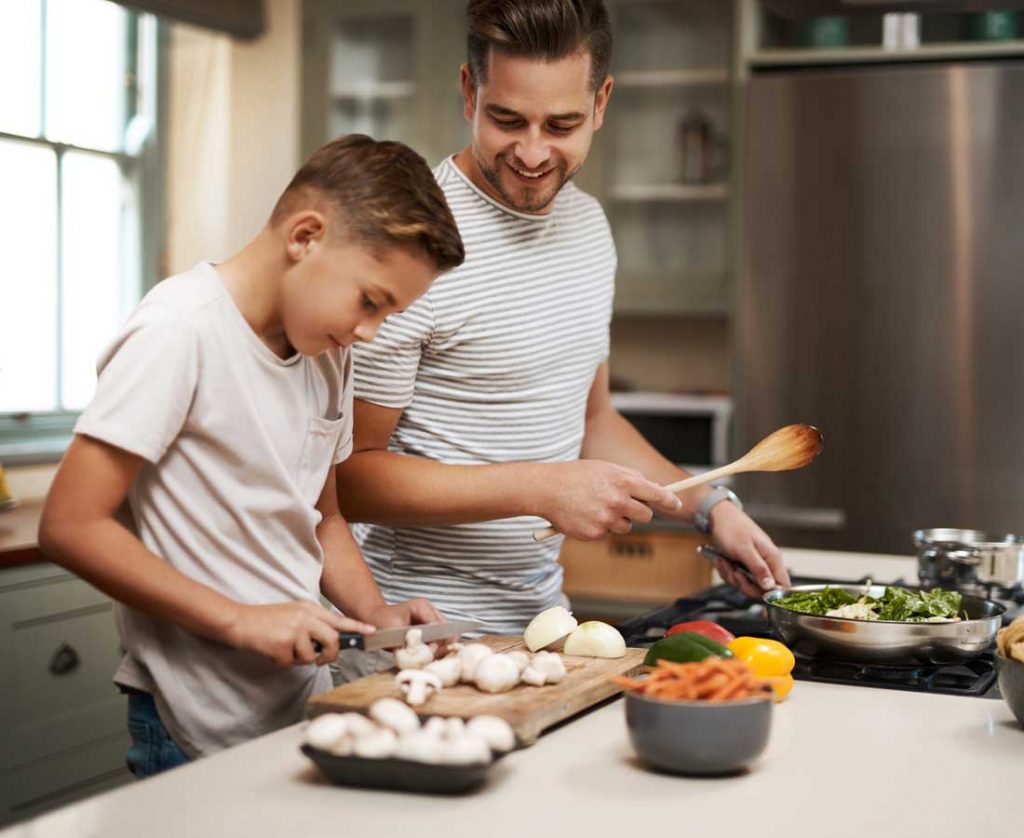
Shared kitchen tasks and communal tables strengthen relationships and create lasting memories.
Conclusion
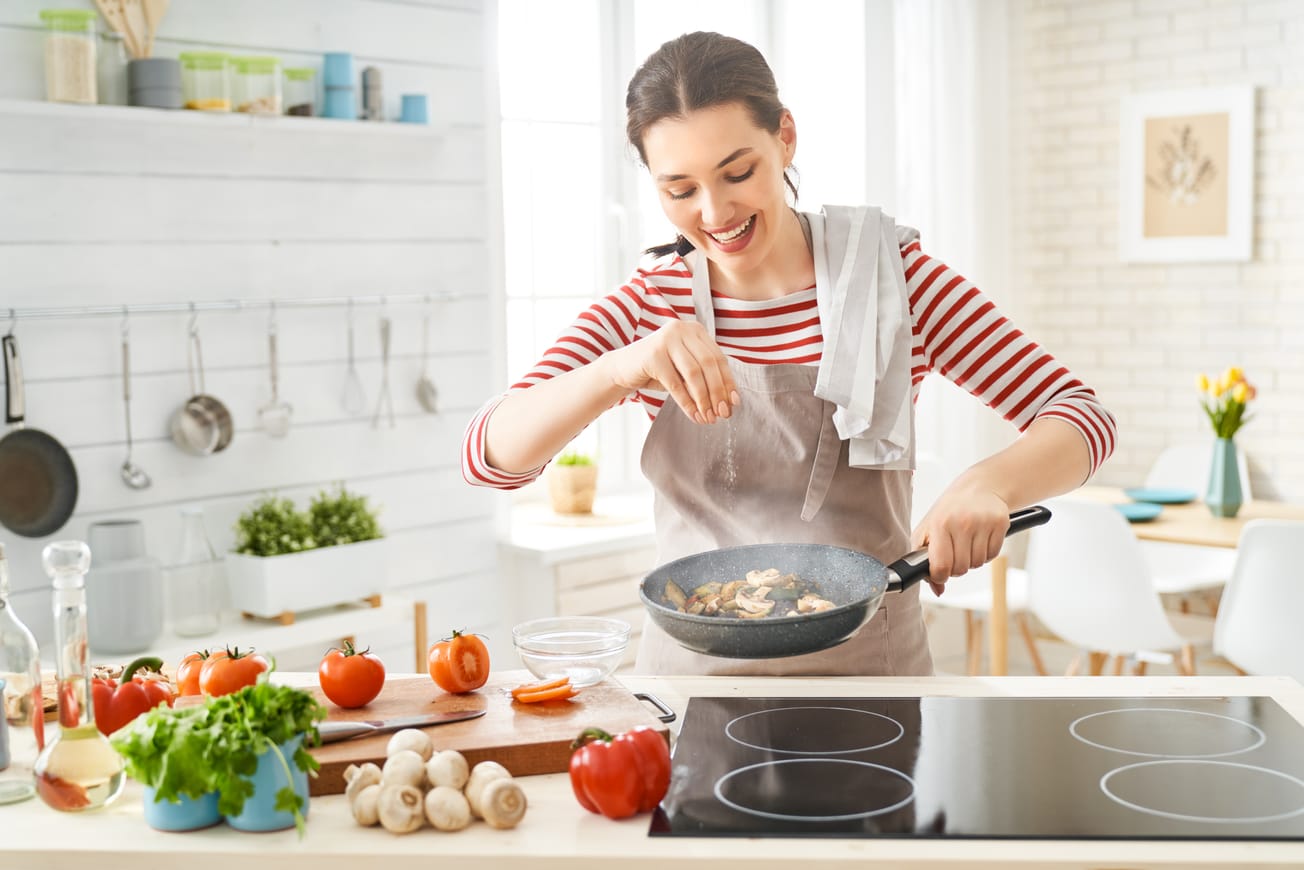
Mastering a few basic principles turns everyday ingredients into satisfying meals. By understanding heat, choosing sound techniques, and practicing patience, anyone can enjoy the lifelong benefits of cooking at home.
Looking Ahead
Areas ripe for further exploration include:
Innovative Techniques
Research into steam, pressure, and hybrid appliances could yield faster, greener, and more nutrient-friendly methods.
Cooking and Well-Being
Studies on rhythmical chopping, mindful stirring, and communal eating may reveal deeper mental-health connections.
Educational Programs
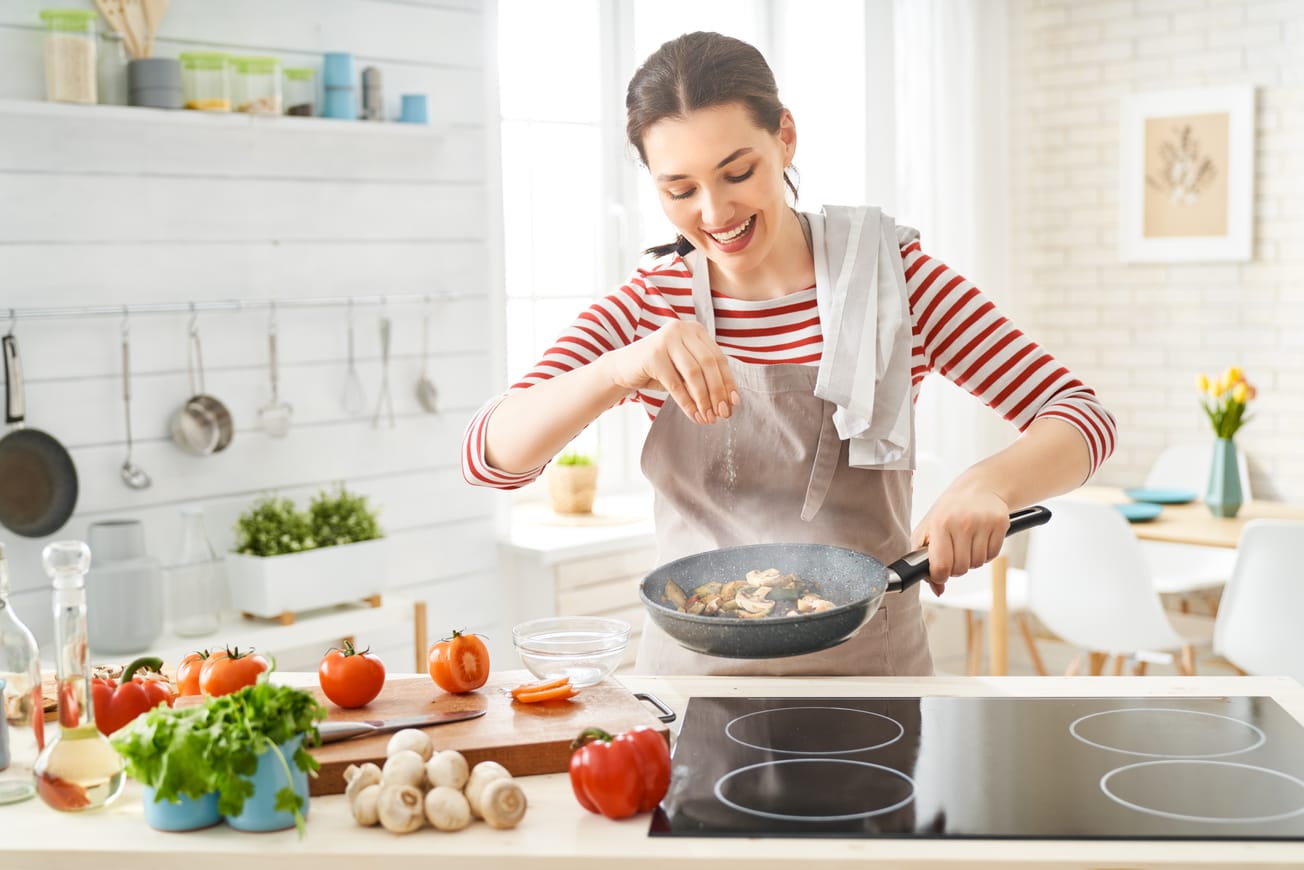
Hands-on classes for children, teens, and adults can build confidence and encourage lifelong healthy eating habits.

