
Title: The Role of a Recipe in Culinary Arts
Introduction:
A recipe is more than a list of ingredients; it is the backbone of cooking, guiding flavor, texture, and tradition. This article explores why recipes matter in classrooms, restaurants, and family kitchens, and how they shape the way we eat and innovate.
The Role of Recipes in Culinary Education
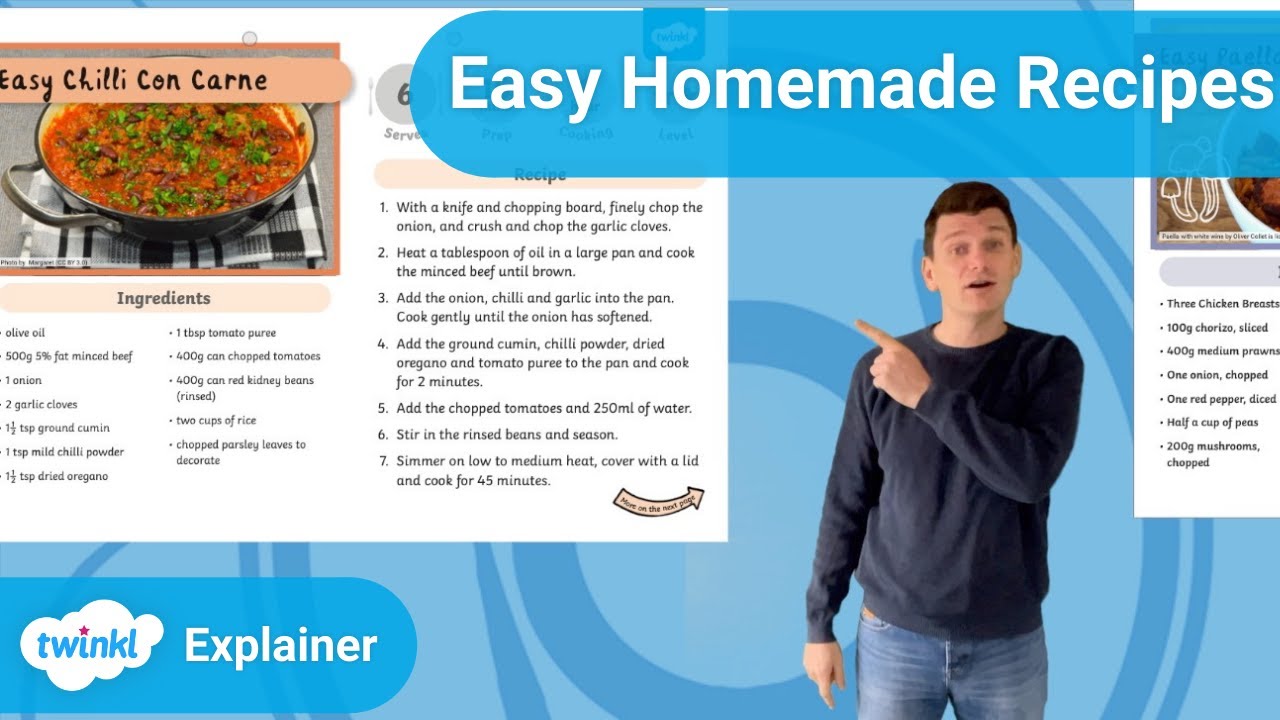
In culinary schools, recipes act as structured lesson plans. They introduce students to core techniques, ingredient behavior, and plating aesthetics. By repeating a well-written recipe, learners taste the difference salt, heat, or timing can make, building sensory memory alongside skill.
Recipes also teach adaptability. Once students grasp the ratios and methods, they can swap seasonal produce or adjust spice levels, preparing them for real-world menus that change daily.
The Significance of Recipes in Professional Kitchens
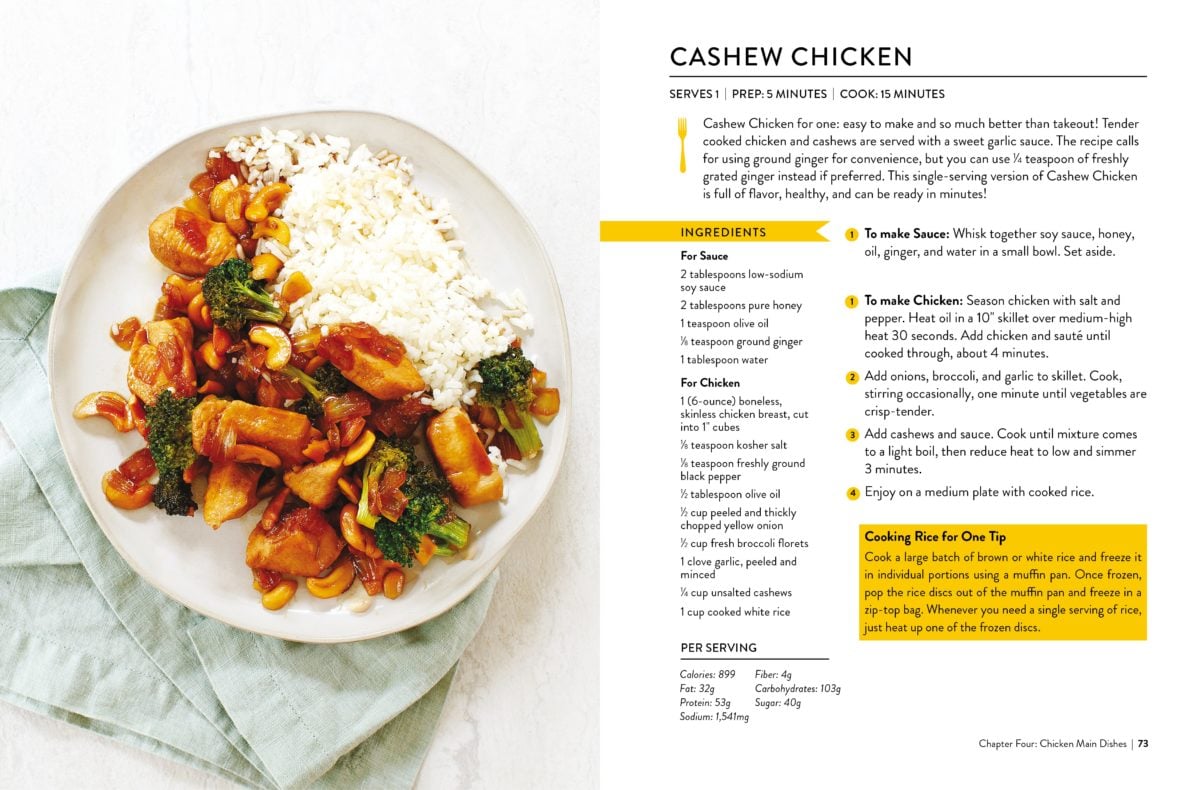
Consistency keeps guests returning; a reliable recipe ensures the risotto tastes the same on a quiet Tuesday and a packed Saturday. Standardized formulas also control food cost, letting teams order accurately and trim waste.
Beyond repetition, recipes are launchpads for creativity. A chef who understands the classic balance in a vinaigrette can spin it into yuzu-shallot or smoked-peach variations, refreshing the menu without reinventing the wheel.
The Importance of Recipes in the Home Kitchen
For novices, a clear recipe turns “What’s for dinner?” into an achievable project. Each success builds confidence, encouraging cooks to try bolder flavors and trickier techniques.
Experienced home cooks use recipes as inspiration rather than law, blending grandmother’s stew with newfound ingredients picked up at the market. The result is a personal repertoire that evolves with every season and craving.
The Evolution of Recipes
Grandma’s handwritten card now lives beside gluten-free, air-fryer, and plant-based versions of the same cake. Digital platforms speed this transformation, letting global cooks remix dishes within hours of first tasting them.
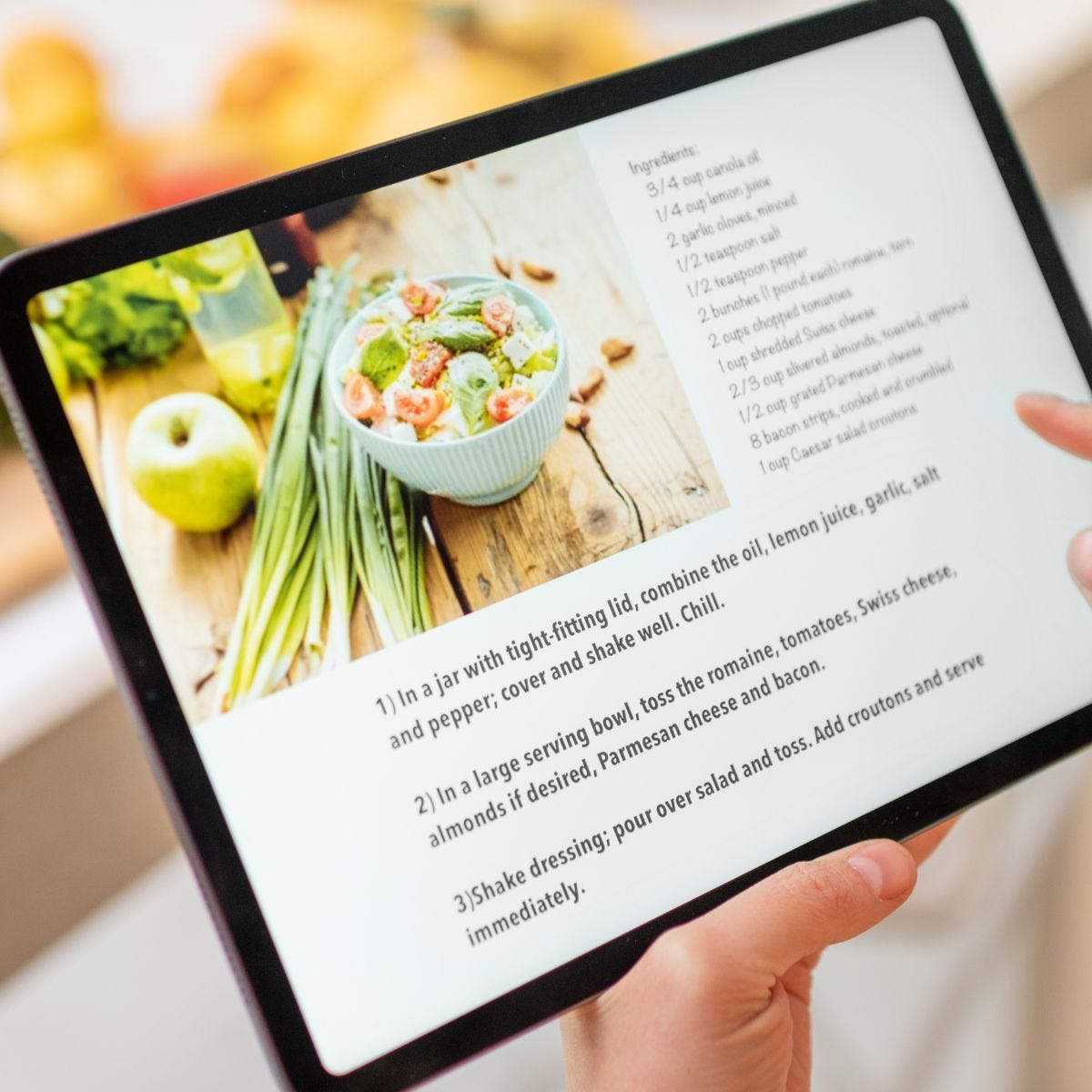
Video tutorials, smart-phone timers, and comment threads have replaced the solitary page, turning recipe sharing into a social, iterative process where the community refines each dish in real time.
The Impact of Recipes on the Food Industry
New products often begin in a test kitchen with a prototype recipe. Whether it’s a bottled sauce or a frozen entrée, the flavor profile must translate to factory scale while still feeling homemade.
Meanwhile, heirloom recipes anchor cultural identity. When families document and share their specialties, they keep regional tastes alive, allowing future generations to experience history through scent and spoonful.
Conclusion:
From classroom to flagship restaurant to weeknight stove, recipes are the quiet architects of taste, economy, and memory. As cuisines merge and technology advances, the humble recipe remains the common language that lets every cook, everywhere, turn raw ingredients into shared joy.