

Title: Cooking with Ingredients First: A Creative Kitchen Guide
Introduction:
Cooking is a timeless craft that keeps reinventing itself. At its heart lies the recipe, a roadmap to flavor. The “ingredient-first” method flips the script: instead of starting with a fixed dish, you begin by getting to know each component on your counter. This article explores why thinking ingredient-by-ingredient can sharpen skills, spark imagination, and make everyday meals more satisfying.
Understanding the Ingredient-First Method
Ingredient-first cooking means you study each item—its texture, aroma, and potential—before deciding how they will meet in the pan. By asking “What can this carrot do?” instead of “Where’s the carrot in the recipe?” you open space for playful pairings and respectful treatment of every element.
Benefits of the Ingredient-First Method
1. Deeper Ingredient Knowledge:
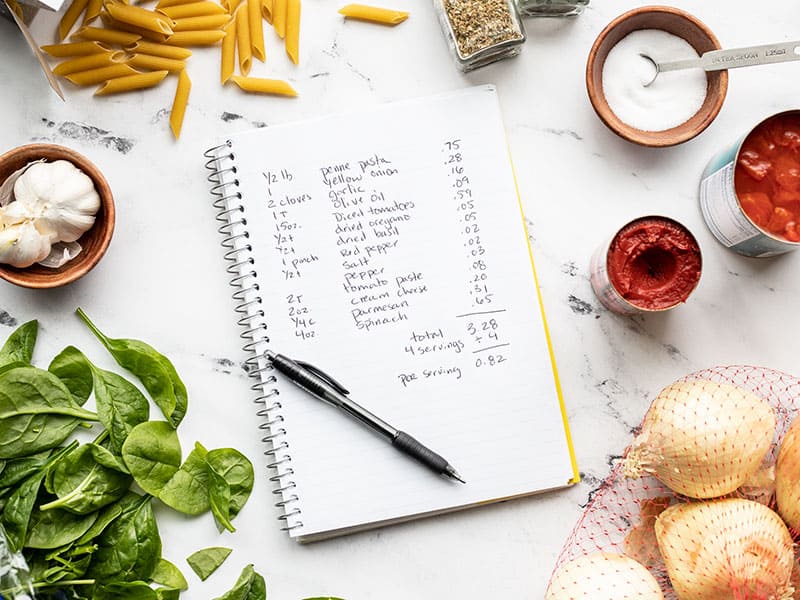
When you spotlight one item at a time, you notice how sweetness intensifies with slow heat or how a pinch of salt tames bitterness. That awareness guides smarter shopping and more confident seasoning.
2. Sharper Techniques:
Each ingredient rewards specific handling: a quick char for peppers, gentle steam for greens, low-and-slow for tough roots. Mastering these micro-skills lifts every future dish.
3. Boundless Creativity:
Letting the pantry lead encourages swaps and mash-ups. Yesterday’s leftover herbs can brighten tonight’s grains; a surprise fruit can balance a savory stew.
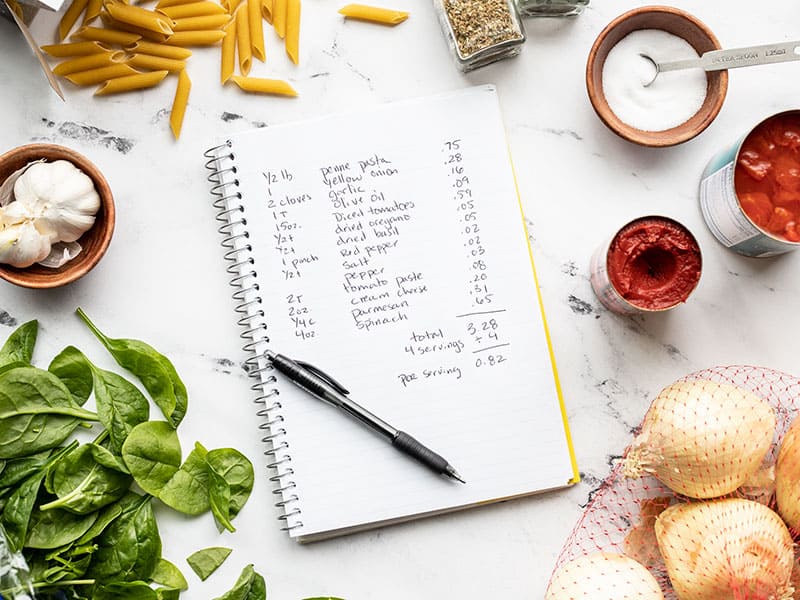
4. Smoother Meal Planning:
Build your menu around what is fresh, on hand, or in season. Shopping lists shrink, waste drops, and weeknight cooking feels less like a chore.
Impact on Culinary Creativity
Chefs and home cooks who think ingredient-first routinely invent plates that feel both new and comforting. Three clear trends show the ripple effect:
1. Borderless Flavors:
Respecting ingredients makes it natural to pair a North-African spice with Asian noodles or a Nordic herb with South-American tubers—no passport required.

2. Seasonal Celebration:
When asparagus sings in spring, it takes center stage; when winter squash arrives, it becomes the star. Menus follow nature’s rhythm, tasting better and costing less.
3. Everyday Wellness:
Highlighting plants, whole grains, and quality proteins turns “healthy” into “delicious” without rigid labels or complicated rules.
Conclusion
Treating recipes as flexible conversations with ingredients frees cooks from rigid scripts. The payoff is bolder flavors, lighter footprints, and a kitchen that feels like a creative playground rather than a test to pass.

In short, ingredient-first cooking is less about abandoning recipes and more about letting the food itself do the talking. Listen closely and your next meal might surprise you.


