
The Diverse World of Food: A Comprehensive Exploration
Introduction
Food is a universal thread that weaves through every culture and era, adapting to climate, trade, and tradition. From bustling street markets to quiet home kitchens, the sheer variety of ingredients and dishes reflects humanity’s endless creativity. This article invites you on a journey through the major food groups, tracing their roots, characteristics, and the roles they play on our plates and in our lives.
Types of Food: A Brief Overview
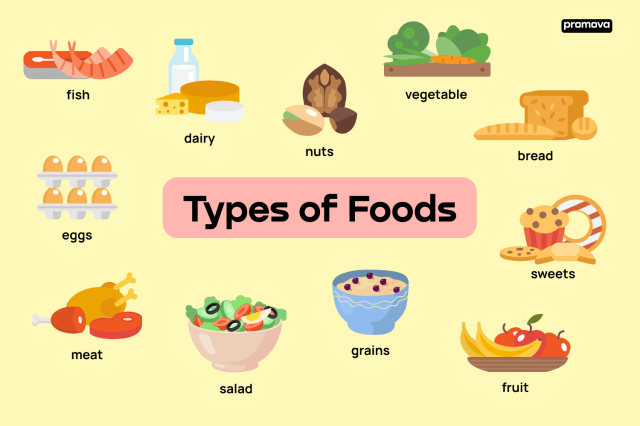
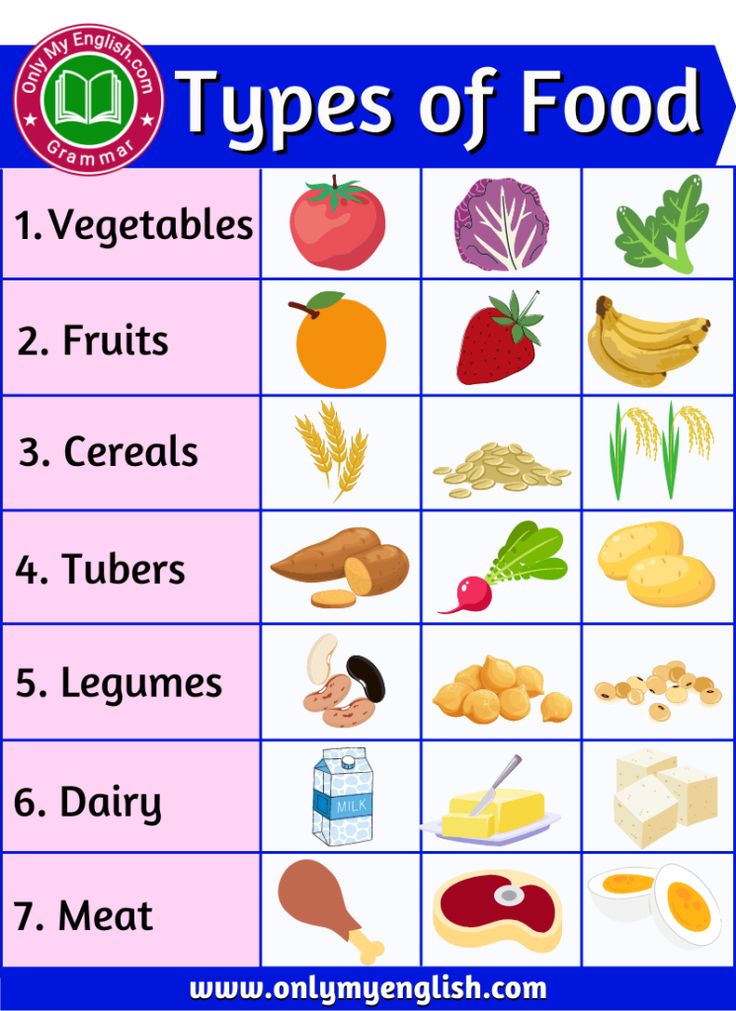
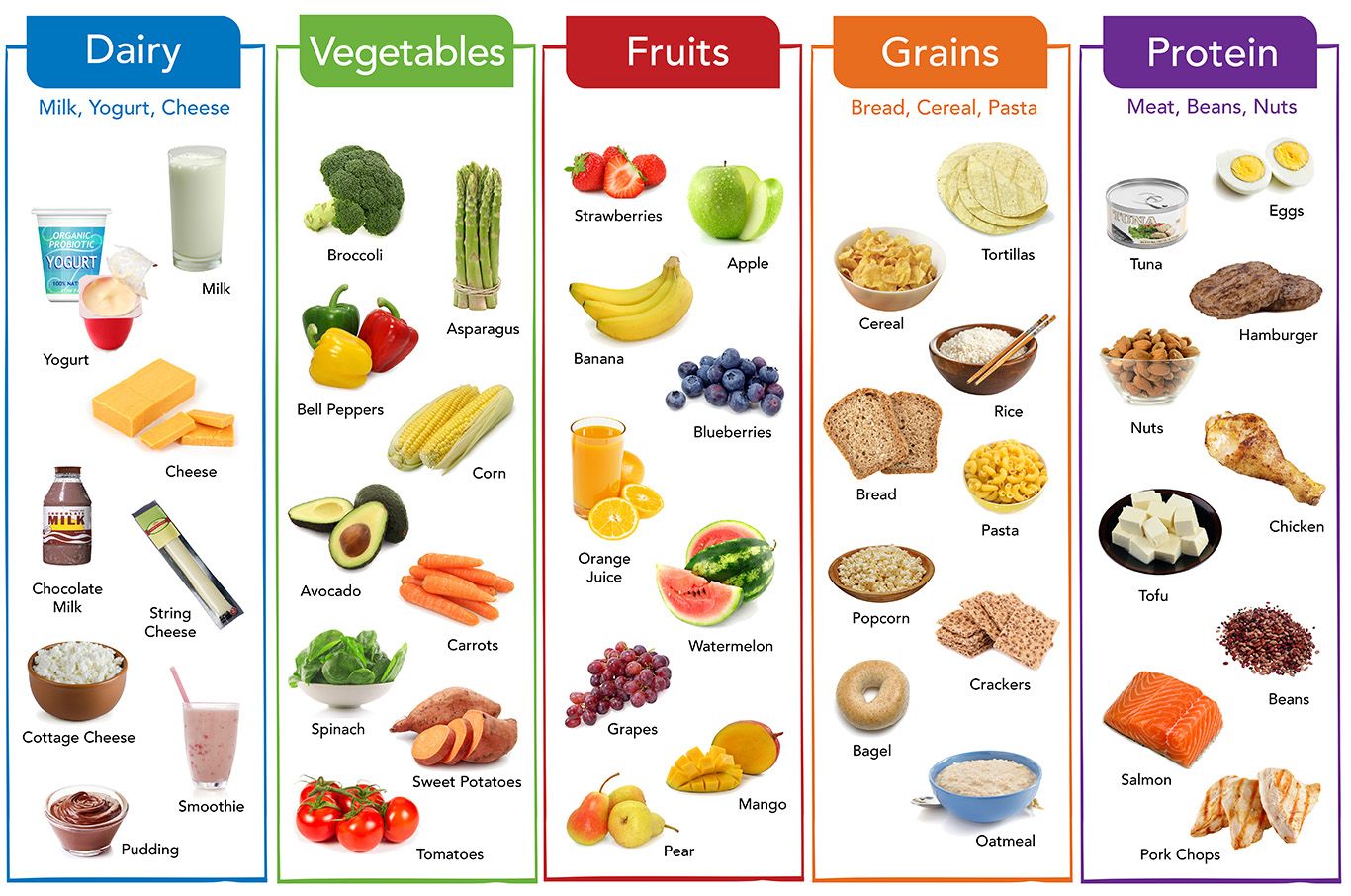
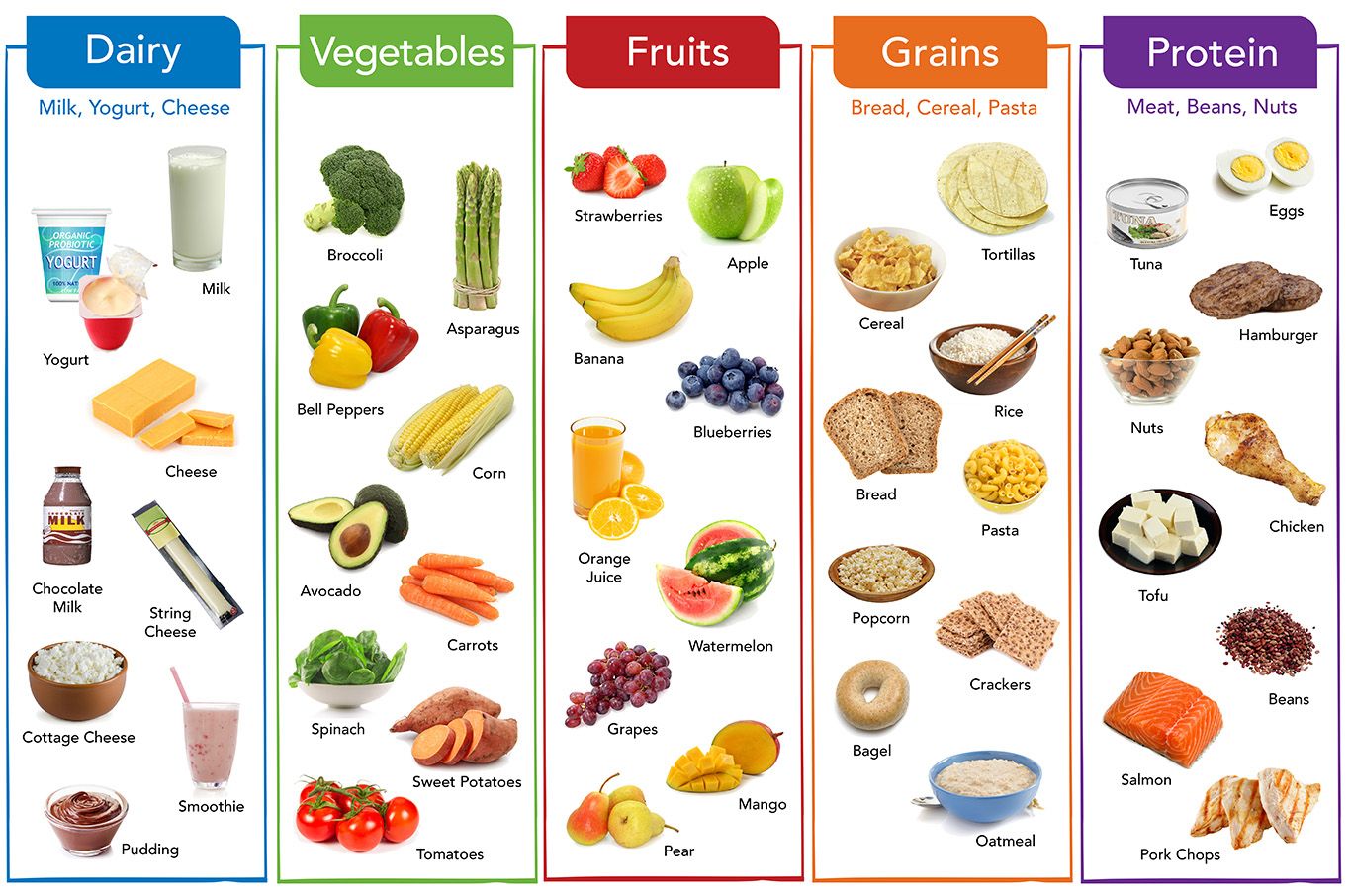
When we speak of “types of food,” we refer to broad categories shaped by primary ingredients, cooking methods, and cultural heritage. The most familiar groups include:
1. Cereals and Grains
2. Proteins
3. Vegetables and Fruits
4. Dairy Products
5. Meat and Poultry
6. Seafood
7. Sweets and Snacks
8. Spices and Condiments
Cereals and Grains
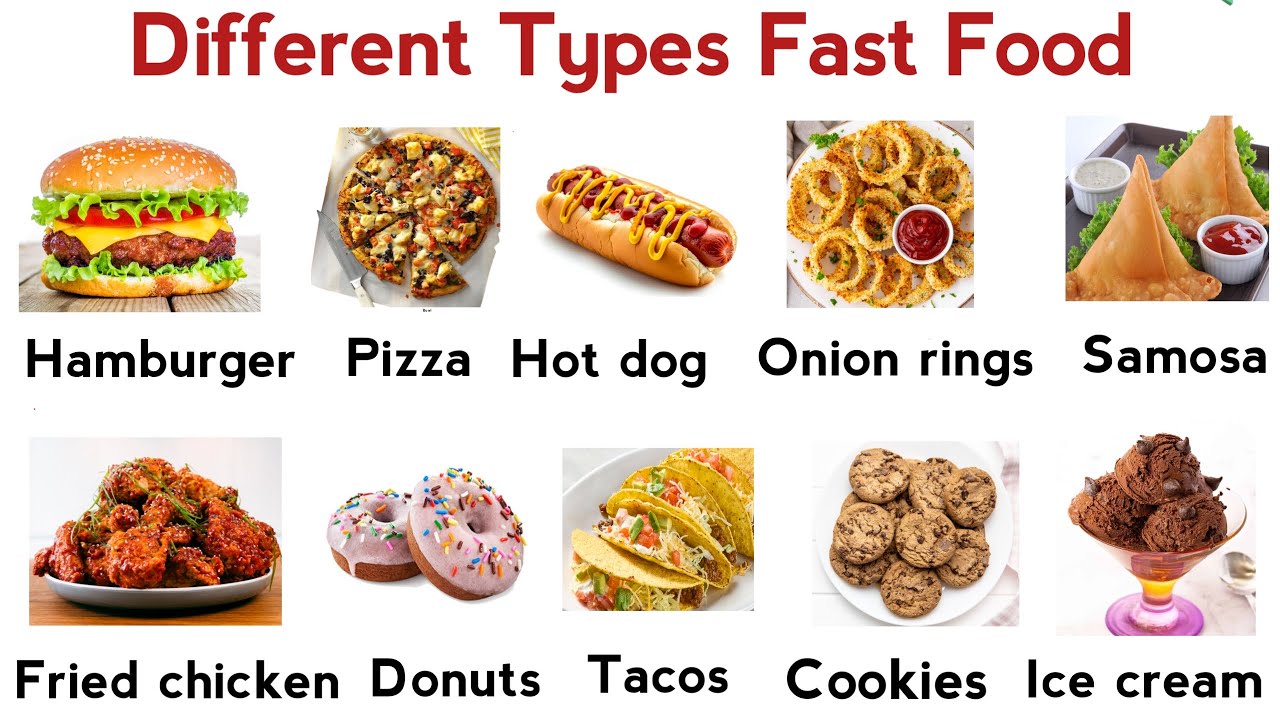
Grains form the edible seeds of grasses such as wheat, rice, maize, barley, and oats. Ground, flaked, or steamed, they become bread, porridge, pasta, and countless regional staples.
Origins and Cultural Significance
Early farmers began domesticating wild grasses thousands of years ago, laying the foundation for settled societies. Once harvested, surplus grain supported population growth, trade routes, and culinary innovation that still shapes diets today.
Health Benefits
Whole grains supply complex carbohydrates, fiber, B-vitamins, and minerals. Regular intake is linked to steady energy, digestive health, and a lower risk of certain chronic conditions.
Proteins
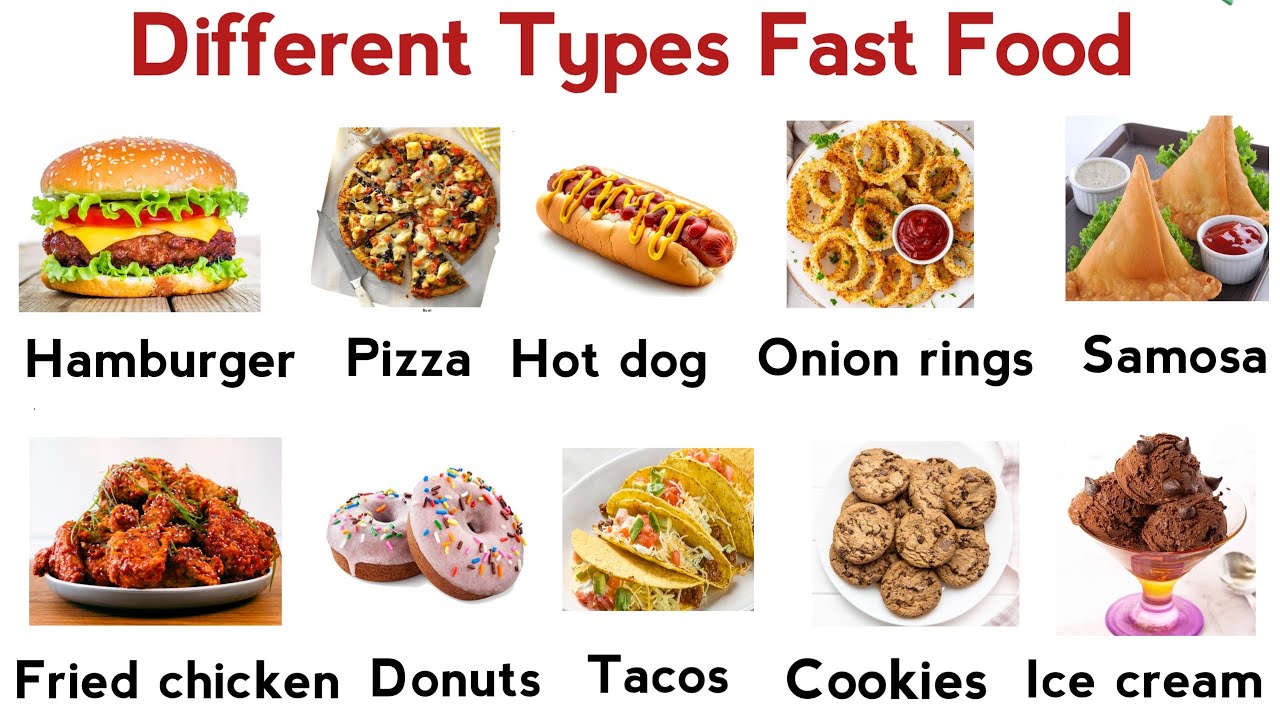
Proteins supply amino acids the body needs to build and repair tissue, enzymes, and hormones. They appear in both animal and plant forms, offering flexibility for varied eating patterns.
Types of Protein Sources
1. Animal Proteins: Meat, fish, eggs, and cultured dairy.
2. Plant Proteins: Beans, lentils, chickpeas, nuts, seeds, and soy foods.
Health Benefits
Adequate protein supports muscle maintenance, immune response, and satiety. Balancing animal and plant sources can diversify nutrient intake while aligning with personal and environmental values.
Vegetables and Fruits
Colorful produce delivers vitamins, minerals, antioxidants, and water, all wrapped in naturally low-calorie packages.
Types of Vegetables and Fruits
1. Leafy Greens: Spinach, kale, and lettuces.
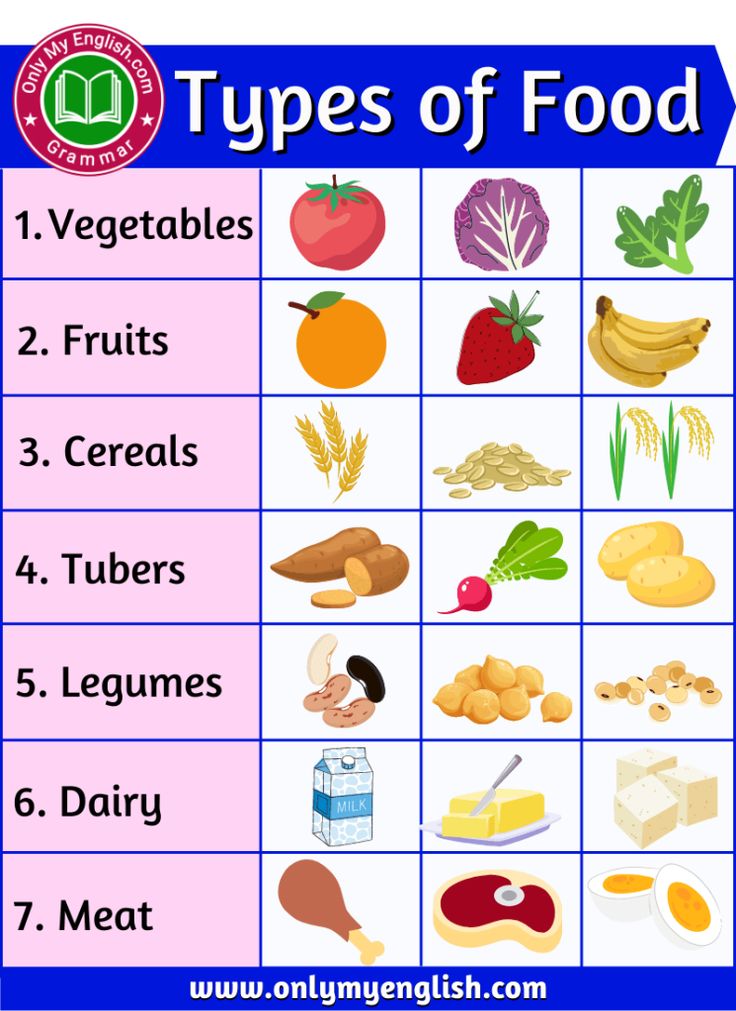
2. Root Vegetables: Carrots, potatoes, and beetroots.
3. Fruits: Apples, bananas, citrus, and berries.
Health Benefits
High fiber and phytonutrient content support heart health, vision, and immune defense. Eating a rainbow of produce is an easy daily goal with long-term rewards.
Dairy Products
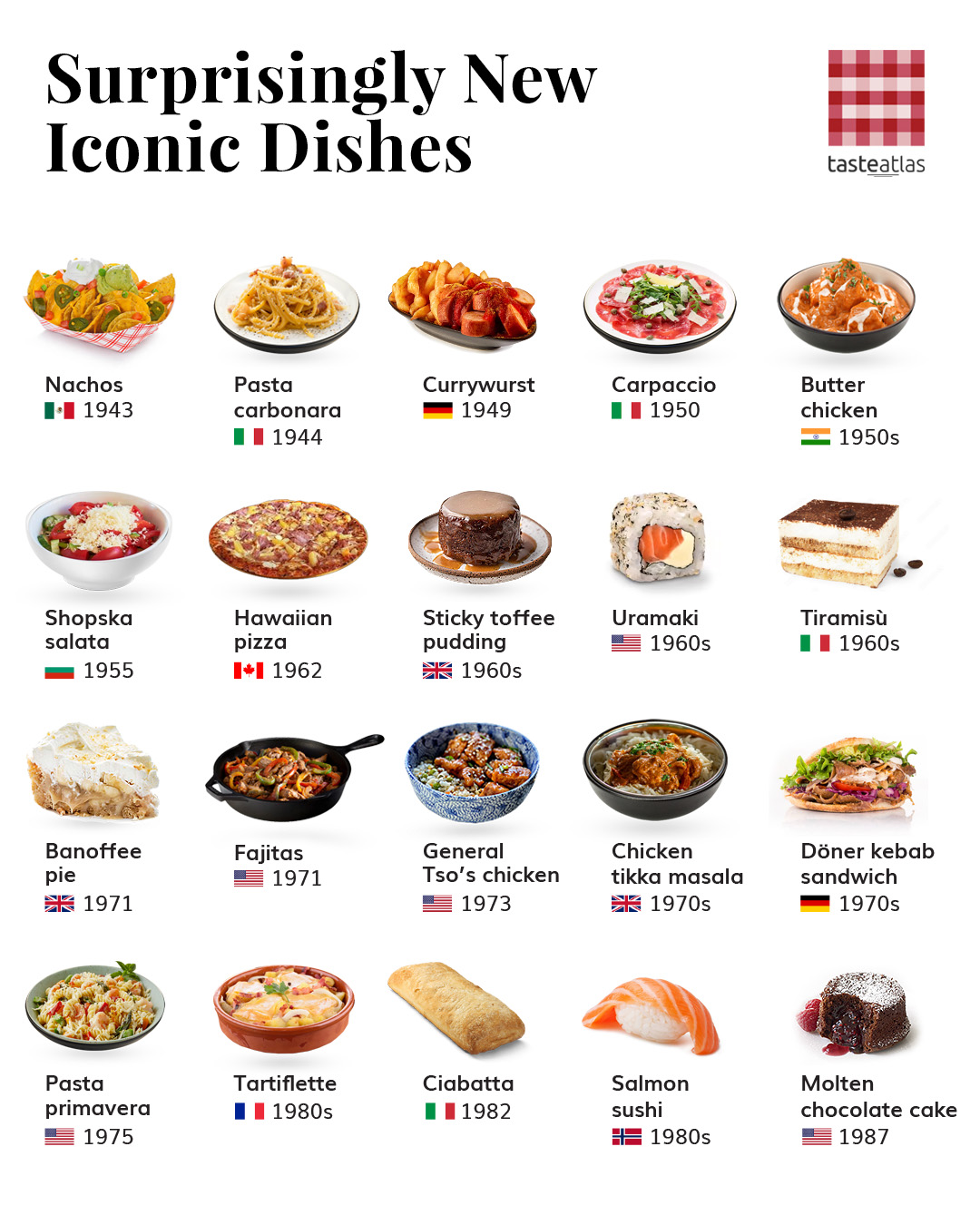
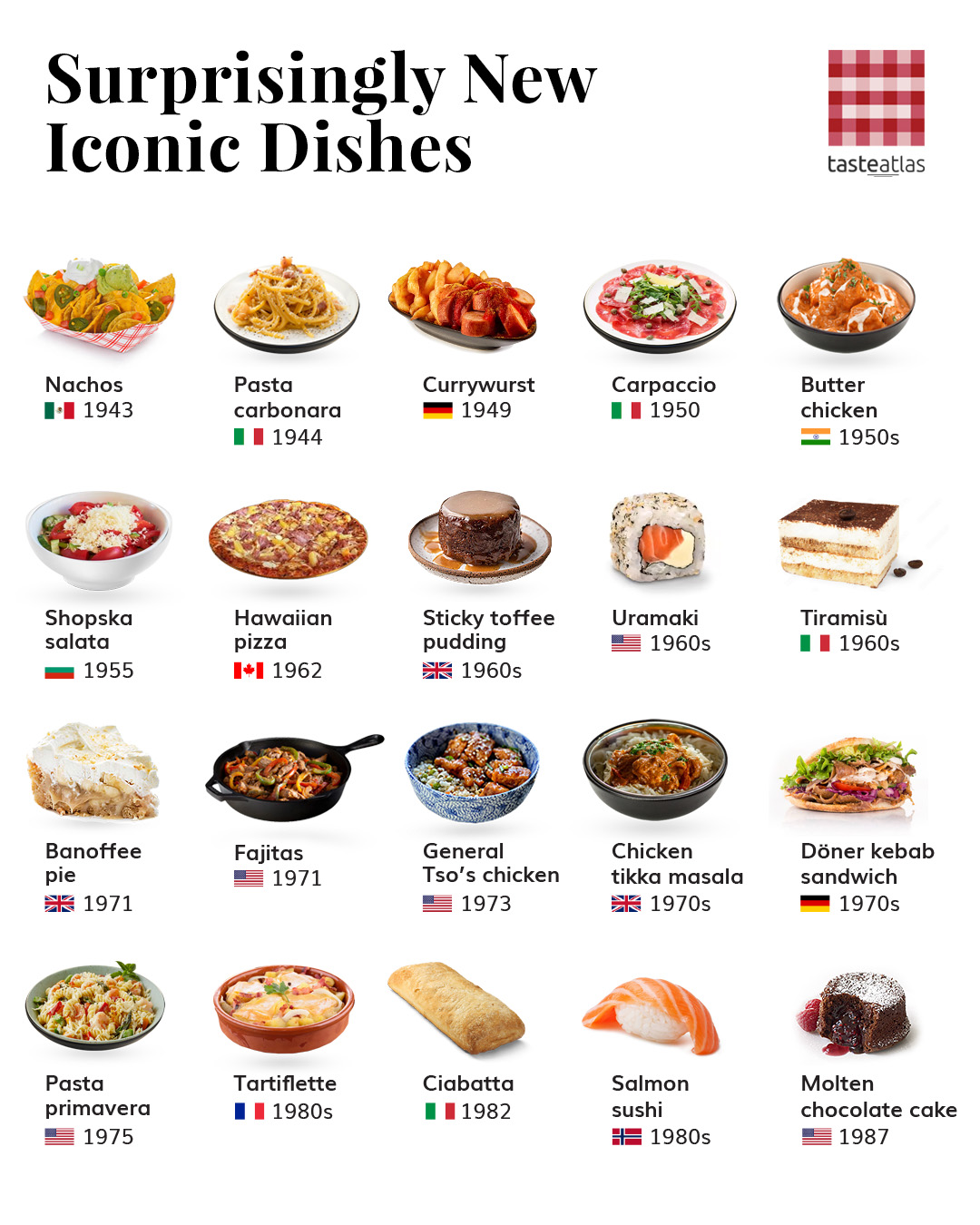
Milk, yogurt, cheese, and their alternatives provide calcium, complete protein, and several micronutrients in a convenient form.
Types of Dairy Products
1. Fluid Milk: Cow, goat, or fortified plant milks.
2. Cheese: Fresh, aged, soft, or hard varieties.
3. Yogurt: Traditional and probiotic-rich options.
Health Benefits
Calcium and vitamin D in dairy support bone density, while fermented choices contribute beneficial bacteria for gut balance.
Meat and Poultry
These animal foods are valued for dense protein, iron, zinc, and B-vitamins, playing central roles in many traditional cuisines.
Types of Meat and Poultry

1. Red Meat: Beef, lamb, and pork.
2. Poultry: Chicken, turkey, and duck.
Health Benefits
Heme iron is readily absorbed, helping prevent deficiency, and amino acid profiles are highly bioavailable. Lean cuts and mindful portions fit well within balanced diets.
Seafood
Fish and shellfish deliver lean protein, iodine, selenium, and long-chain omega-3 fats that are scarce in land-based foods.
Types of Seafood
1. Finfish: Salmon, tuna, cod, and sardines.
2. Shellfish: Shrimp, crab, and mussels.
Health Benefits
Regular seafood consumption is tied to cardiovascular protection, cognitive support, and reduced inflammation. Varying choices helps maintain ocean biodiversity on the plate.
Sweets and Snacks
From celebratory cakes to savory crisps, these foods add pleasure and social fun, though they are best enjoyed thoughtfully.
Types of Sweets and Snacks
1. Confectionery: Chocolates and candies.
2. Baked Goods: Cookies, pastries, and pies.
3. Savory Snacks: Popcorn, pretzels, and crackers.
Health Considerations
Portion awareness and ingredient quality make occasional treats compatible with wellness goals. Pairing sweets with fruit or nuts can temper blood-sugar spikes.
Spices and Condiments

A sprinkle or drizzle can transform a dish, carrying layers of aroma, heat, and depth rooted in centuries of trade and tradition.
Types of Spices and Condiments
1. Spices: Cinnamon, cumin, and turmeric.
2. Condiments: Mustard, salsa, and yogurt-based sauces.
Health Benefits
Many spices harbor antioxidants and anti-inflammatory compounds, while acidic condiments can enhance mineral absorption and brighten flavor without excess salt.
Conclusion
The spectrum of foods available today tells a story of human ingenuity and adaptation. By embracing variety and moderation, we honor culinary heritage while nourishing body and planet. A balanced plate is both a personal choice and a collective opportunity to support resilient food systems.
Recommendations and Future Research
To keep expanding our food knowledge, several avenues deserve attention:
1. Culinary Literacy: Integrating hands-on cooking lessons into education fosters lifelong appreciation and creativity.
2. Nutrition Science: Continued study of bioactive compounds can refine dietary guidance and personalized nutrition.
3. Sustainable Sourcing: Advancing regenerative agriculture and responsible fisheries safeguards diversity for future tables.
4. Cultural Exchange: Sharing recipes and stories across communities deepens respect and sparks delicious innovation.
By championing these efforts, we can celebrate food’s endless variety while cultivating health and harmony around the globe.