


The Impact of Food Aroma on Consumer Behavior and Health
Introduction
Food aroma, the collection of scents released by what we eat, quietly guides our choices at the shelf and on the plate. A single whiff can summon childhood memories, sharpen hunger, or kill an appetite. This article explores how these invisible signals steer purchasing habits, daily diets, and long-term wellness, while also shaping the strategies of producers and retailers.
The Role of Food Aroma in Consumer Behavior
The Sensory Experience
Taste, sight, and texture matter, yet smell often decides first impressions. When odor molecules reach the nose, the brain links them to past rewards or warnings, setting off rapid emotional and physical reactions that color preference before a bite is taken.

Brand Perception and Loyalty
A distinctive, pleasant aroma can become a brand’s signature, encouraging shoppers to reach for the same package again. Over time, the scent itself acts as a shortcut to trust, reducing the need to deliberate in crowded aisles.
Purchasing Decisions
Trials in retail settings show that even faint ambient aromas—think fresh bread or brewed coffee—can raise the perceived value of nearby products and increase unplanned purchases, proving that scent is a silent salesman.
Health Implications of Food Aroma
Food Aroma and Nutritional Intake
Appetite often surges after a tempting smell, leading to larger portions or extra snacks. Repeated exposure to rich aromas may therefore nudge total calorie intake upward, complicating weight-management goals.
Food Aroma and Emotional Eating
Comforting scents tied to celebration or nostalgia can override fullness cues, prompting eating as a mood fix rather than a response to genuine hunger. Recognizing these triggers is a first step toward mindful consumption.
Food Aroma and Food Safety
Off-odors remain one of the quickest, most universal warnings of spoilage. Teaching consumers to trust—and act on—their noses can prevent food-borne illness and reduce waste.
The Food Industry and Food Aroma
Marketing Strategies
Producers fine-tune volatile compounds to create signature notes that travel from factory to kitchen, ensuring the product smells as appealing on day one hundred as it did on day one. In-store baking vents and scent diffusers extend the strategy to entire retail spaces.
Food Innovation
Chefs and technologists pair unexpected aromas with familiar bases—smoke with ice cream, florals with savory sauces—to craft novel experiences that stand out in a crowded market and keep adventurous eaters engaged.
Conclusion
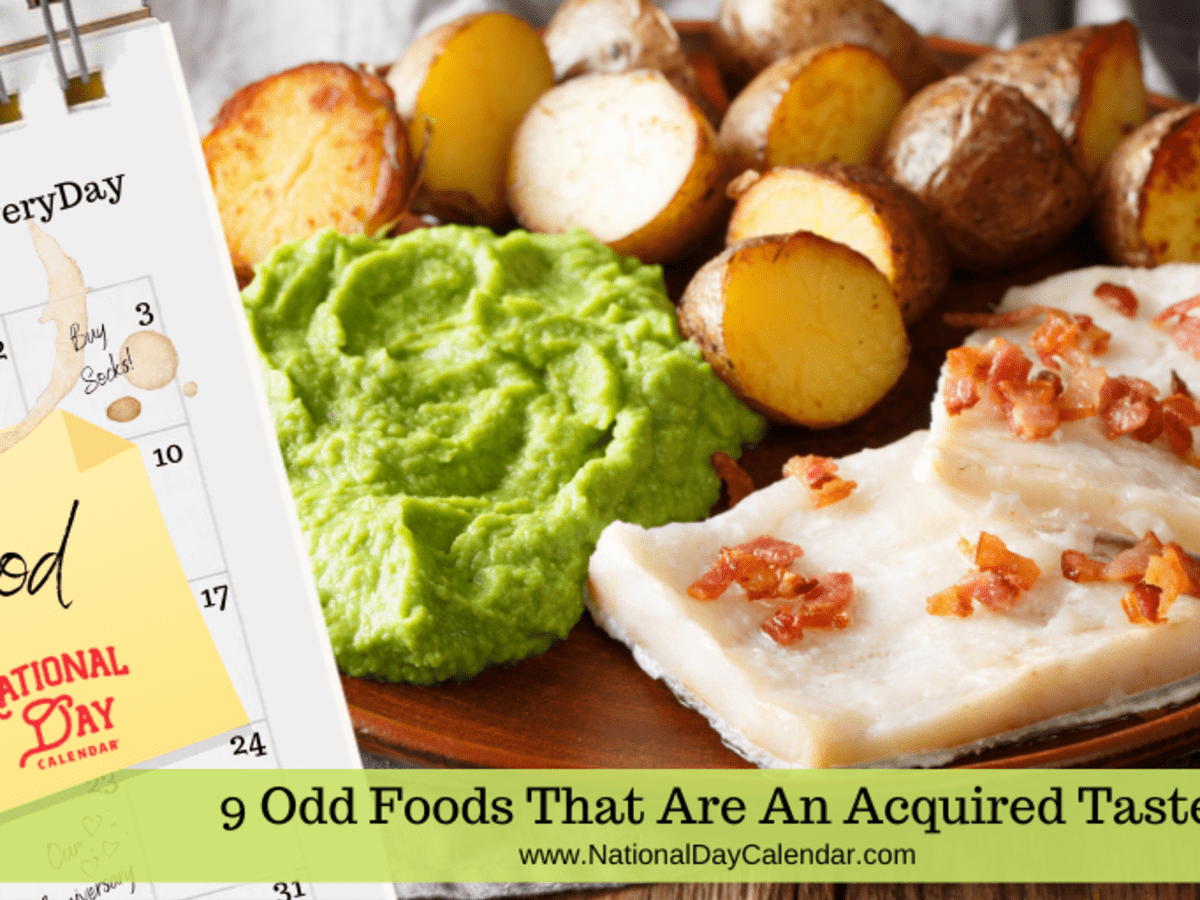
From the supermarket entrance to the dinner table, aroma acts as an unseen hand guiding what we choose, how much we eat, and how we feel afterward. Harnessing this power responsibly could help industry and health professionals alike encourage balanced diets and safer food practices.
Recommendations and Future Research
To deepen understanding of aroma’s influence, the following avenues deserve attention:
1. Track individuals over months or years to see how persistent exposure to specific food aromas correlates with changes in body weight and diet quality.
2. Compare aroma preferences across age groups, regions, and cultural backgrounds to explain varied consumption patterns.
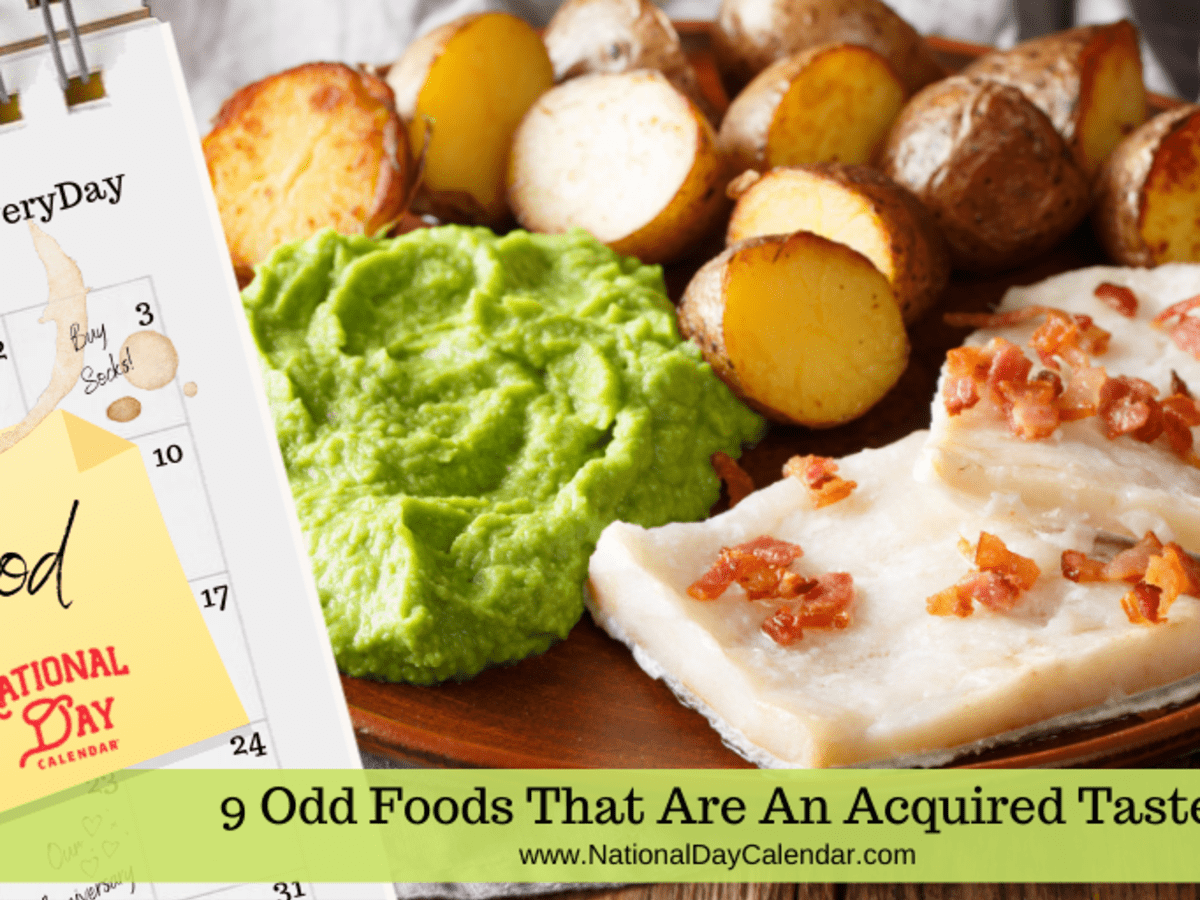
3. Design gentle scent-based cues—such as fresh herb diffusers in school cafeterias—that nudge diners toward vegetable-rich meals without coercion.
4. Evaluate educational programs that teach consumers to interpret smell-based spoilage signals, reducing both illness risk and household waste.
Pursuing these lines of inquiry will clarify how a simple breath of scent shapes complex human behaviors, opening doors to healthier pantries and safer tables.


