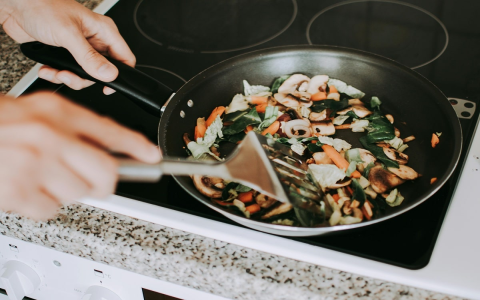

Title: How Recipe Videos Are Stirring Up Today’s Kitchen Culture
Introduction:
Short-form and long-form cooking clips have quietly become the new kitchen companions for millions. As smartphones and streaming apps fill every spare moment, filmed recipes now shape how we shop, season, and share our meals. This piece looks at what that shift means for everyday cooks, the pitfalls to watch for, and the trends likely to simmer next.
Benefits of Recipe Videos
1. A World of Dishes at Your Fingertips:
A single swipe can transport you from a Tokyo street-food stall to a Tuscan farmhouse kitchen. Exposure to global flavors encourages home cooks to swap ingredients, blend traditions, and invent dishes that feel personal yet rooted in distant cultures.
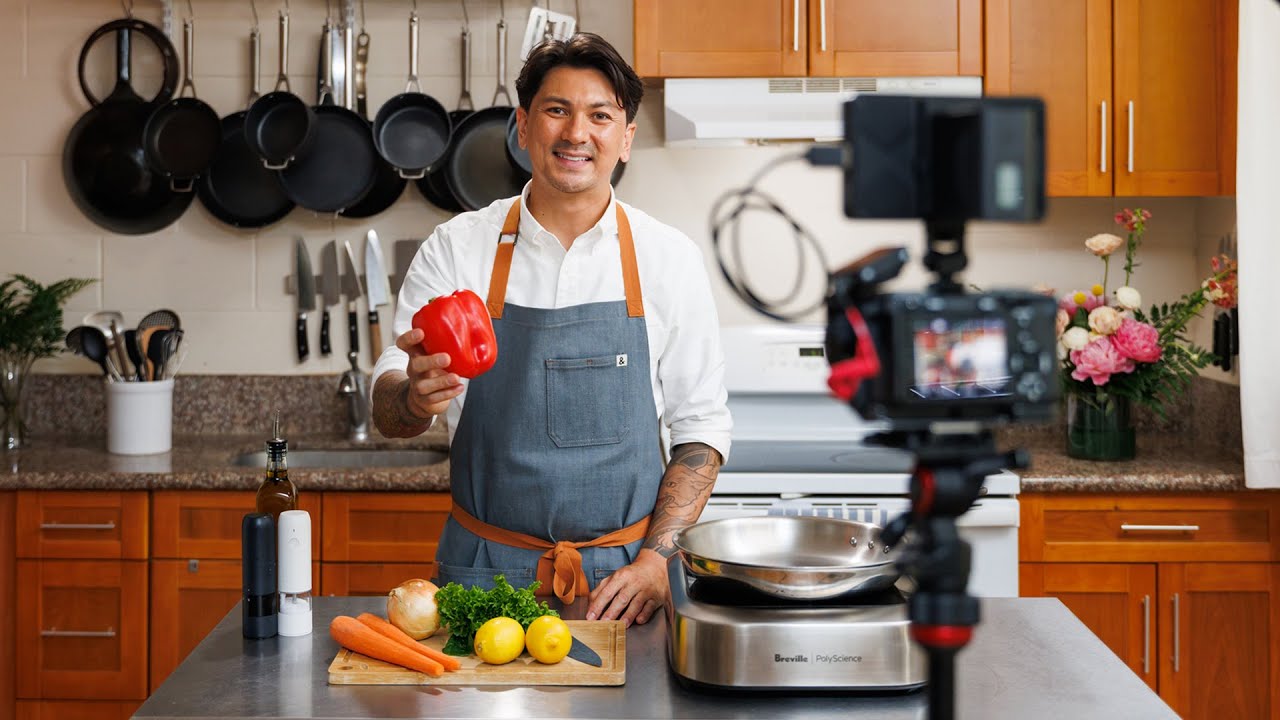
2. Clear, Visual Guidance:
Seeing a chef fold dumplings or temper chocolate in real time removes the guesswork. Subtle cues—like the sound of sizzling butter or the texture of kneaded dough—translate better on screen than on paper, shortening the learning curve for beginners.
3. Daily Dose of Inspiration:
A thirty-second clip of gooey cheese pull or a perfectly risen soufflé can turn a mundane Tuesday into an impromptu date-night dinner. Regular exposure to fresh ideas keeps motivation high and weeknight menus from growing stale.
4. Shared Kitchen Tables:
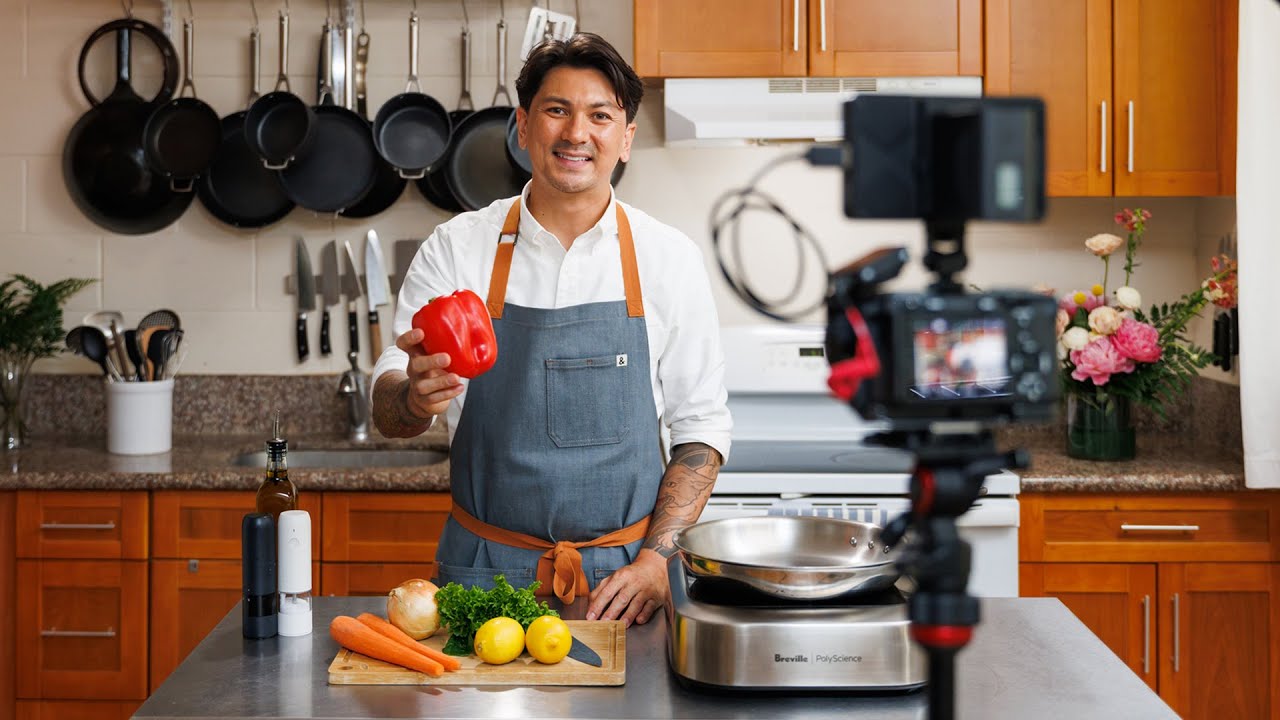
Comment sections under recipe videos often double as support groups. Cooks swap substitutions, celebrate successes, and troubleshoot flops together, creating a virtual potluck that spans continents and time zones.
Challenges of Recipe Videos
1. Variable Reliability:
Not every clip is tested twice. Missing steps, approximate measurements, or editing jumps can leave viewers with sunken cakes and salty sauces, eroding trust in the format.
2. Visual Overload, Detail Underload:
Stunning cinematography sometimes trumps clarity. A lightning-fast knife sequence shot from three angles may wow audiences yet fail to show the exact size of the dice, leaving novices guessing.

3. Hidden Sales Pitches:
Sponsorships can sneak in through “helpful” brand appearances or miracle gadgets. When entertainment and advertising blur, viewers may invest in tools or ingredients that add little value to the actual dish.
The Next Course for Cooking Content
1. Click-to-Cook Interactivity:
Future platforms may let viewers pause, rotate, and zoom inside a 3-D kitchen. Pop-up timers, ingredient checklists, and live Q&A tabs could turn passive watching into an active, customized class.
2. Immersive Tech on the Counter:

Headsets or smart glasses might overlay step-by-step arrows onto a user’s own stove, guiding flame levels or plating angles as if a mentor were standing beside them.
3. Green Plates, Great Health:
Expect more creators spotlighting plant-forward meals, low-waste techniques, and local produce. Short explainers on composting scraps or repurposing leftovers can nudge audiences toward choices that are kinder to both waistlines and the planet.
Conclusion:
Recipe videos have already redefined home cooking, turning solitary prep into a shared, searchable experience. As technology seasons the pot with interactivity and sustainability, these clips will continue to feed curiosity, spark creativity, and bring new voices to the global table.