


The Impact of Food Environments on Modern Society: A Comprehensive Analysis
Introduction
The phrase “food environment” captures the web of influences that shape what people eat every day—how food is produced, priced, marketed, and made available. This article explores how these surroundings affect public health, highlights the forces driving dietary change, and outlines steps communities can take to encourage balanced eating.
The Definition and Scope of Food Environments
What Is a Food Environment?
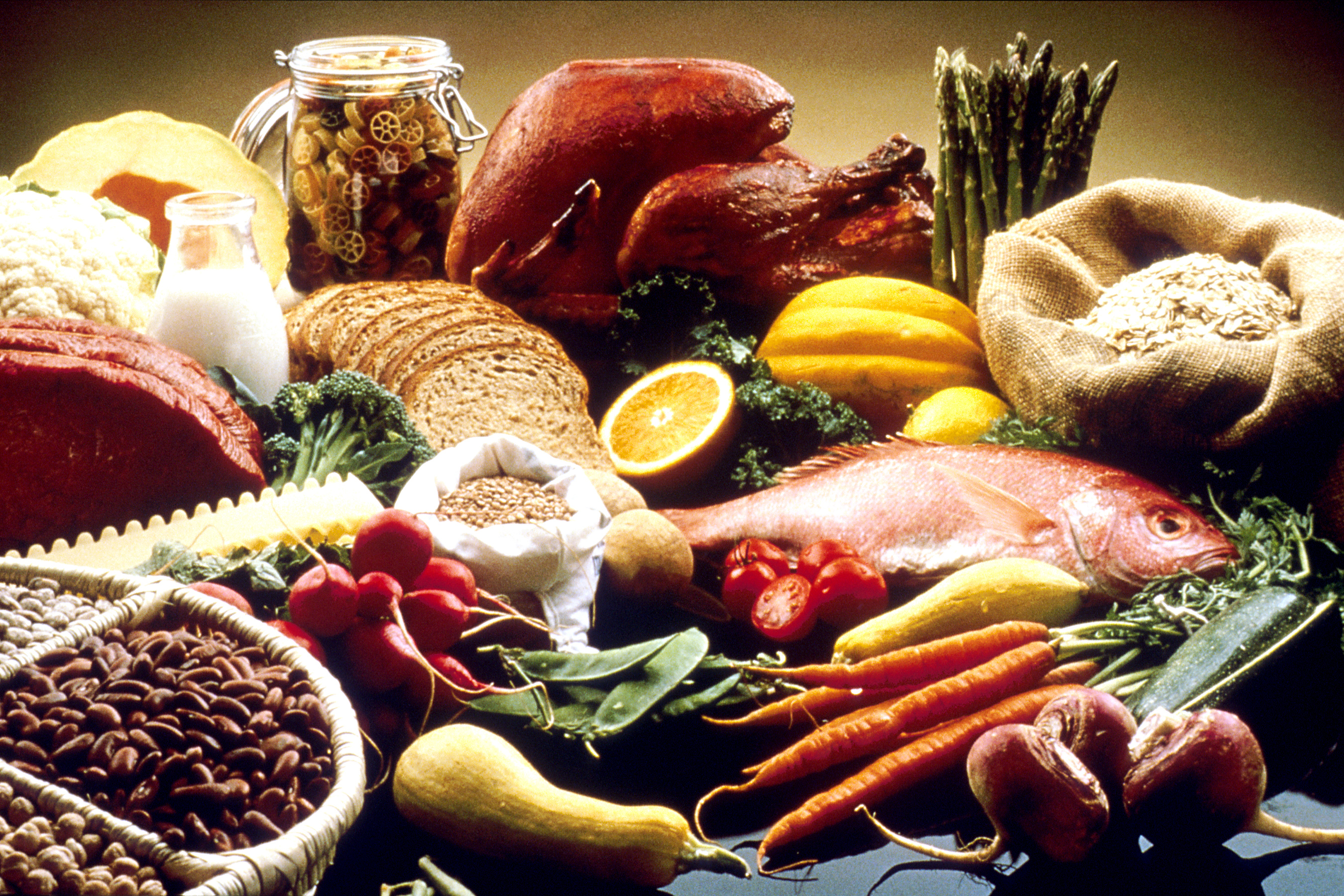
A food environment is the collective physical, economic, and social space that determines which foods are accessible, affordable, and appealing. It includes supermarkets, corner stores, restaurants, advertising, and even the layout of neighborhoods.
The Scope of Food Environments
Key dimensions include:
1. Accessibility: how close and convenient healthy choices are.
2. Affordability: the price gap between nutritious and less-nutritious items.
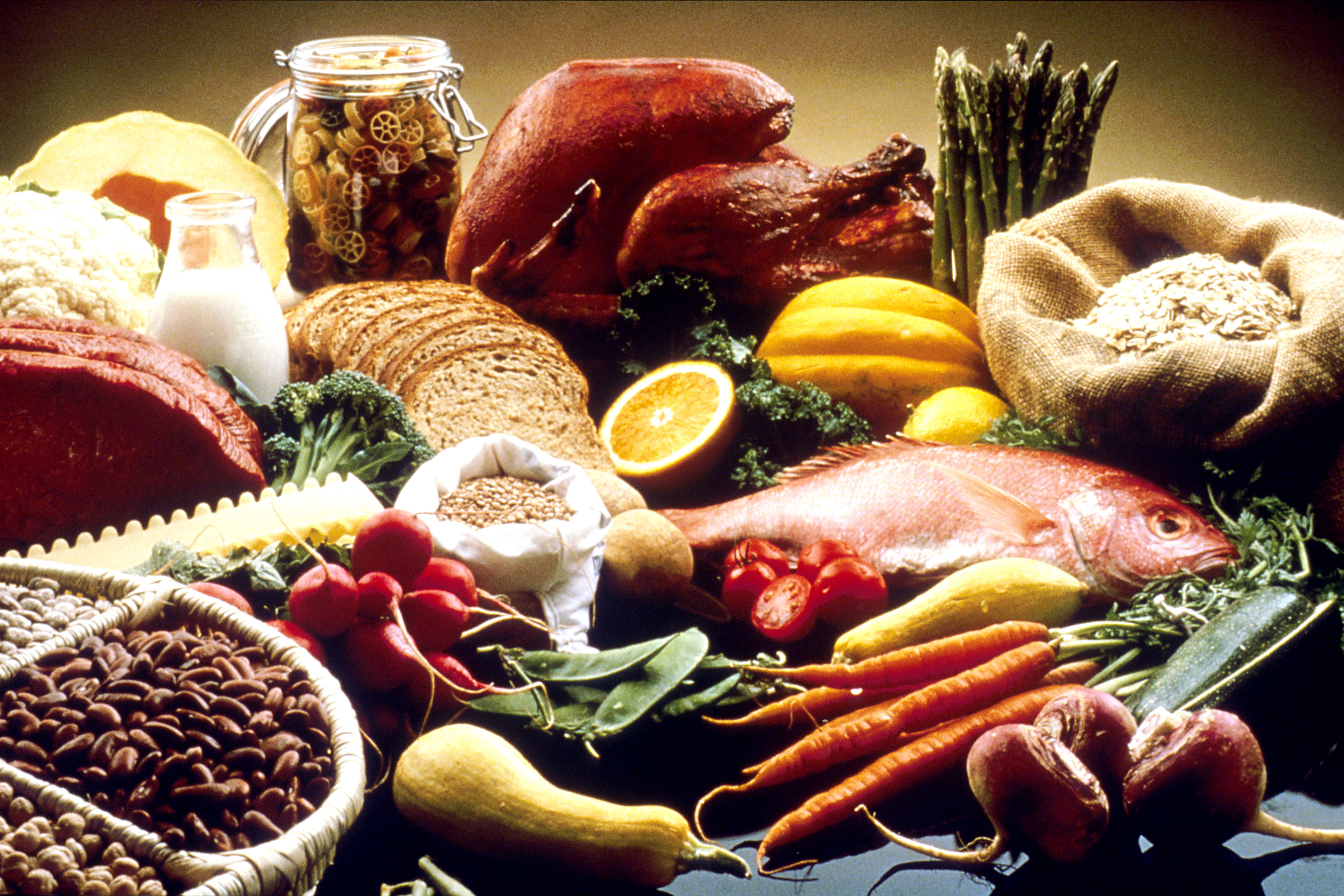
3. Appeal: marketing, cultural preferences, and presentation that steer decisions.
4. Stability: whether reliable, quality food is available year-round.
The Impact on Public Health
Rising Weight Trends
Global rates of excess weight have climbed steadily for decades, with low- and middle-income regions experiencing some of the sharpest increases.

Health Consequences
Heavier body weight is linked to higher risk of diabetes, heart disease, and certain cancers. These conditions reduce quality of life and strain health services.
Factors Shaping Modern Food Environments
Ubiquity of Processed Foods
High-calorie, low-nutrient snacks and ready meals are now available around the clock, often at lower prices than fresh ingredients.

Economic Pressures
Households with tight budgets frequently choose energy-dense foods that provide the most calories per dollar, a pattern reinforced when shops selling fresh produce are scarce.
Eating Norms
Busy schedules, screen time, and persuasive advertising nudge people toward fast food and sugary drinks, while cooking skills and family meals decline.
Evidence and Research
Studies on Accessibility
Research shows that neighborhoods saturated with quick-service outlets tend to have higher average body-mass indexes, especially among young residents.
Income and Diet Quality
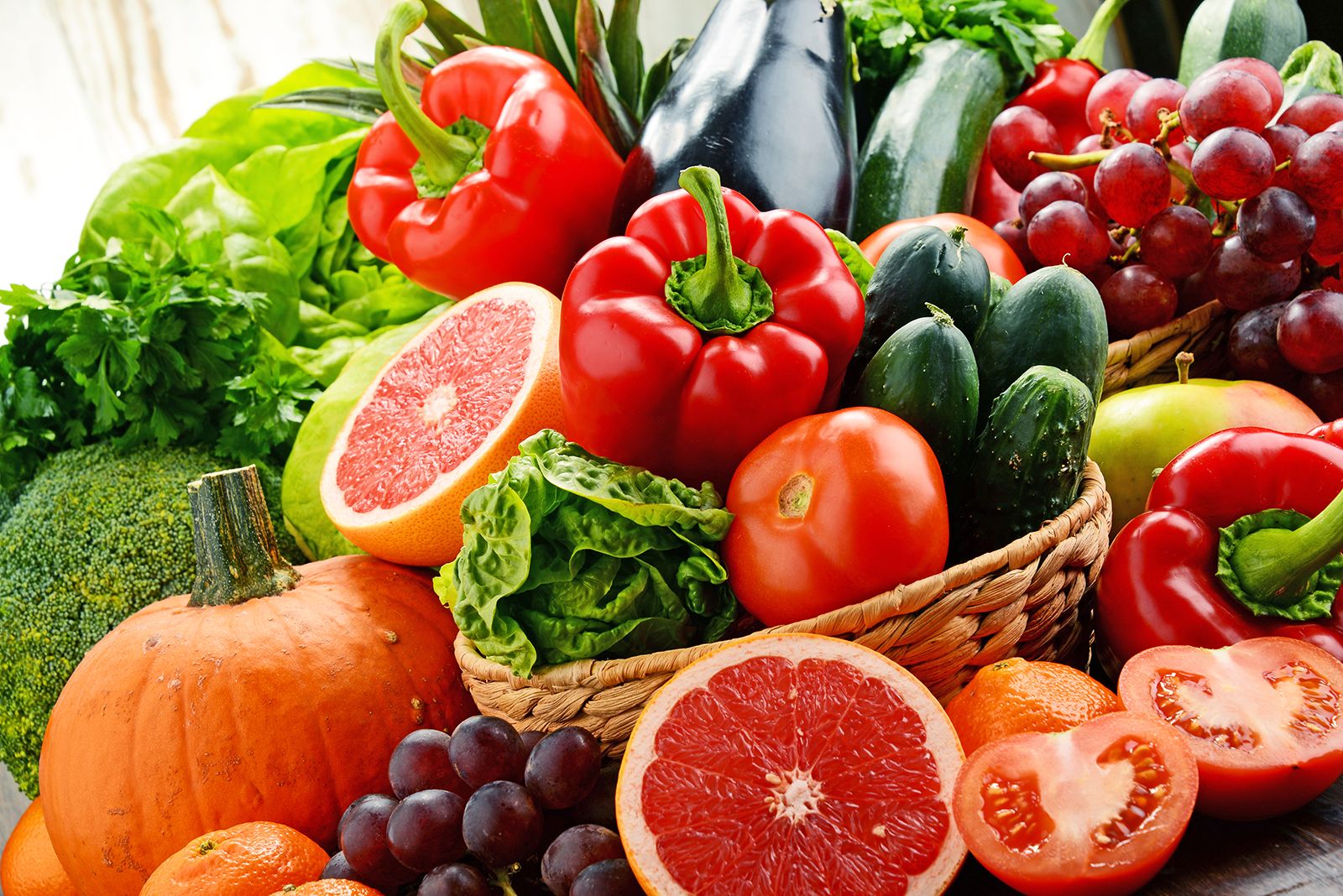
Multiple surveys find that cost is a top barrier to buying fruit, vegetables, and lean protein, leading lower-income groups to rely on cheaper, processed alternatives.
Habits and Environment
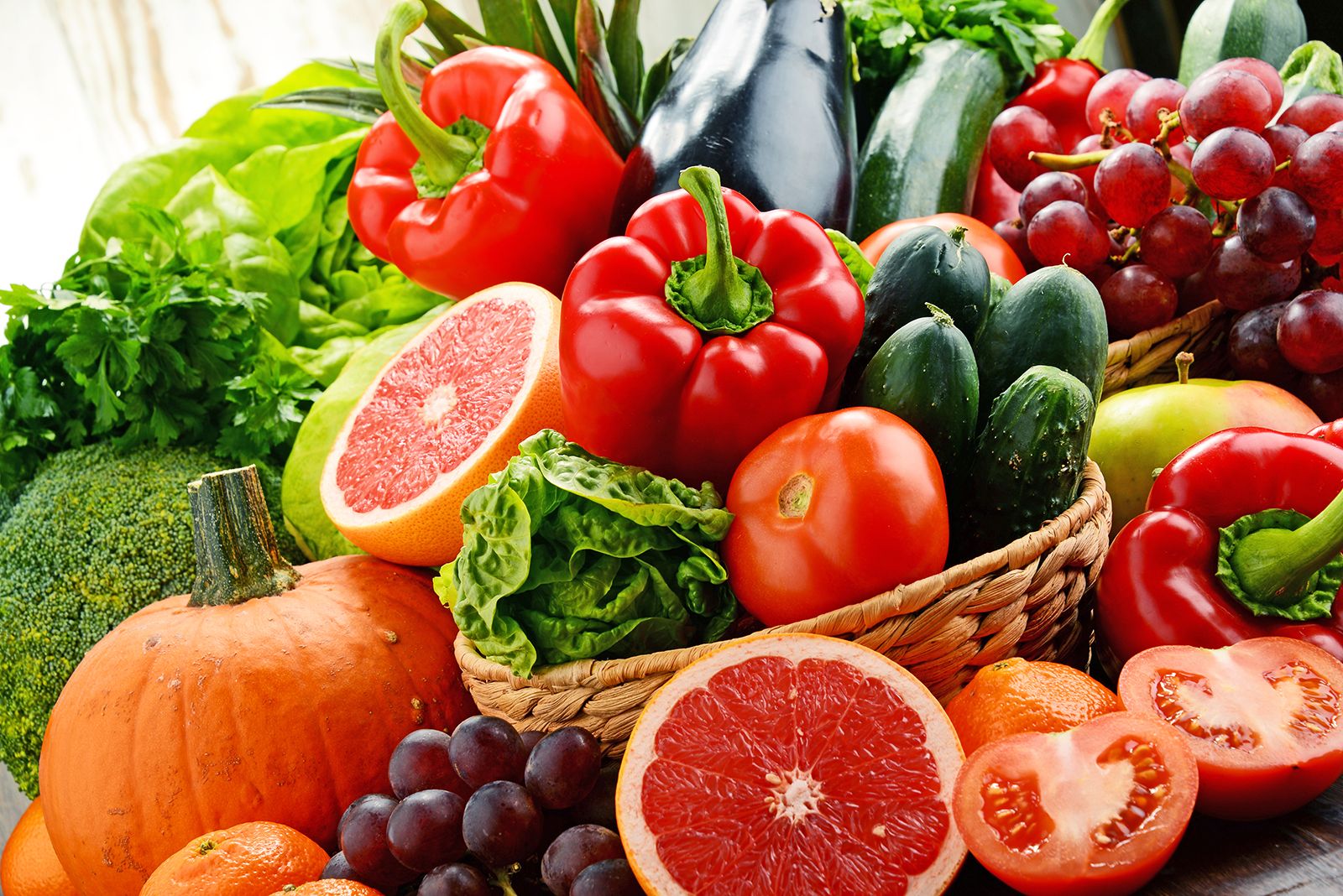
Observational work indicates that people living far from full-service grocers consume fewer fresh items and more packaged snacks, even when they value healthy eating.
Perspectives from Experts
Leading nutrition scientists stress that personal choice is only one piece of the puzzle; wider systems—farm subsidies, zoning laws, and pricing policies—set the stage for everyday decisions.
Public-health economists argue that narrowing the price gap between wholesome and indulgent foods, alongside income-support measures, could shift purchasing patterns at scale.
Conclusion

Food environments exert powerful, often invisible, pressure on diets and health. Tackling the rise in diet-related illness requires coordinated action across governments, industry, and communities to make the healthy choice the easy choice.
Recommendations and Future Research
Recommendations
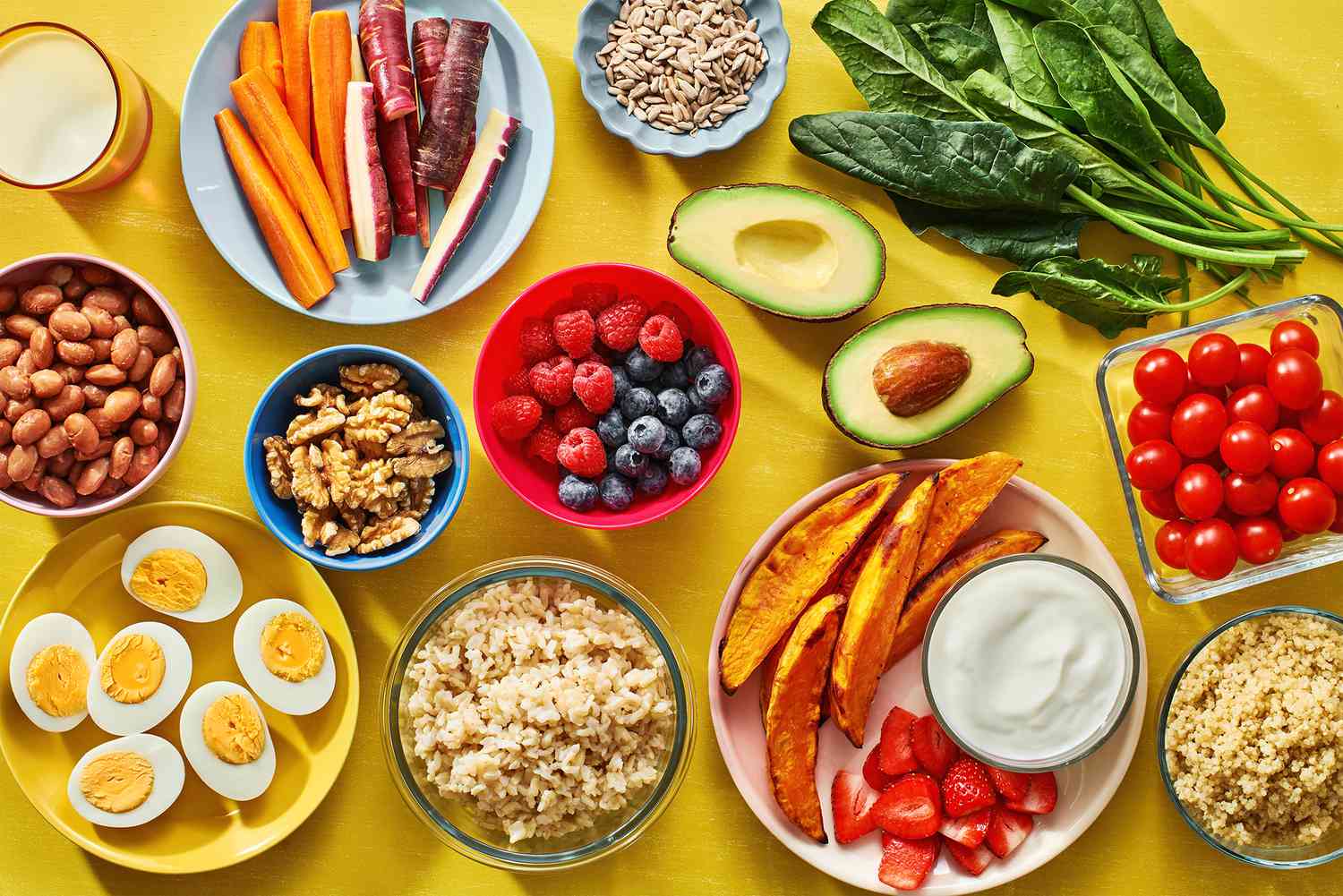
1. Incentivize retailers to stock and promote fresh, minimally processed foods in every neighborhood.
2. Launch clear, consistent public campaigns that explain how small swaps—water for soda, fruit for sweets—add up to better health.

3. Fund long-term studies that track how changes in local food landscapes influence eating habits and body weight.
Future Research
Priority areas include:
1. Which policy mixes—taxes, subsidies, or marketing rules—deliver the biggest, most lasting gains.
2. How digital tools, from meal-planning apps to online grocers, can steer consumers toward nutritious baskets.
3. Ways to safeguard improvements so that gains are not lost when political or economic conditions shift.
By reshaping food environments, societies can protect health, reduce inequality, and cultivate a culture where nutritious meals are within everyone’s reach.


