

The Rise of Automated Pancake Makers: A Fresh Chapter in Modern Kitchens
Introduction
From corner cafés to home countertops, breakfast routines are quietly being rewritten by compact appliances that flip, cook, and serve perfect pancakes at the touch of a button. Among these, the automated pancake maker stands out, promising speed, uniformity, and playful shapes without the usual mess. This article looks at how the device works, why it appeals to different users, and where the technology might head next.
The Concept of Automated Pancake Makers
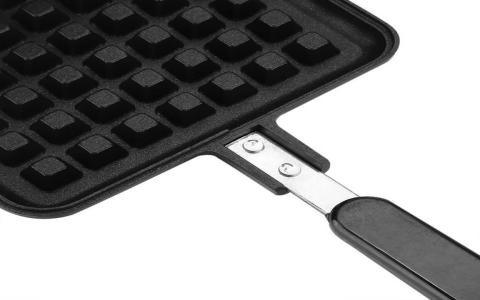
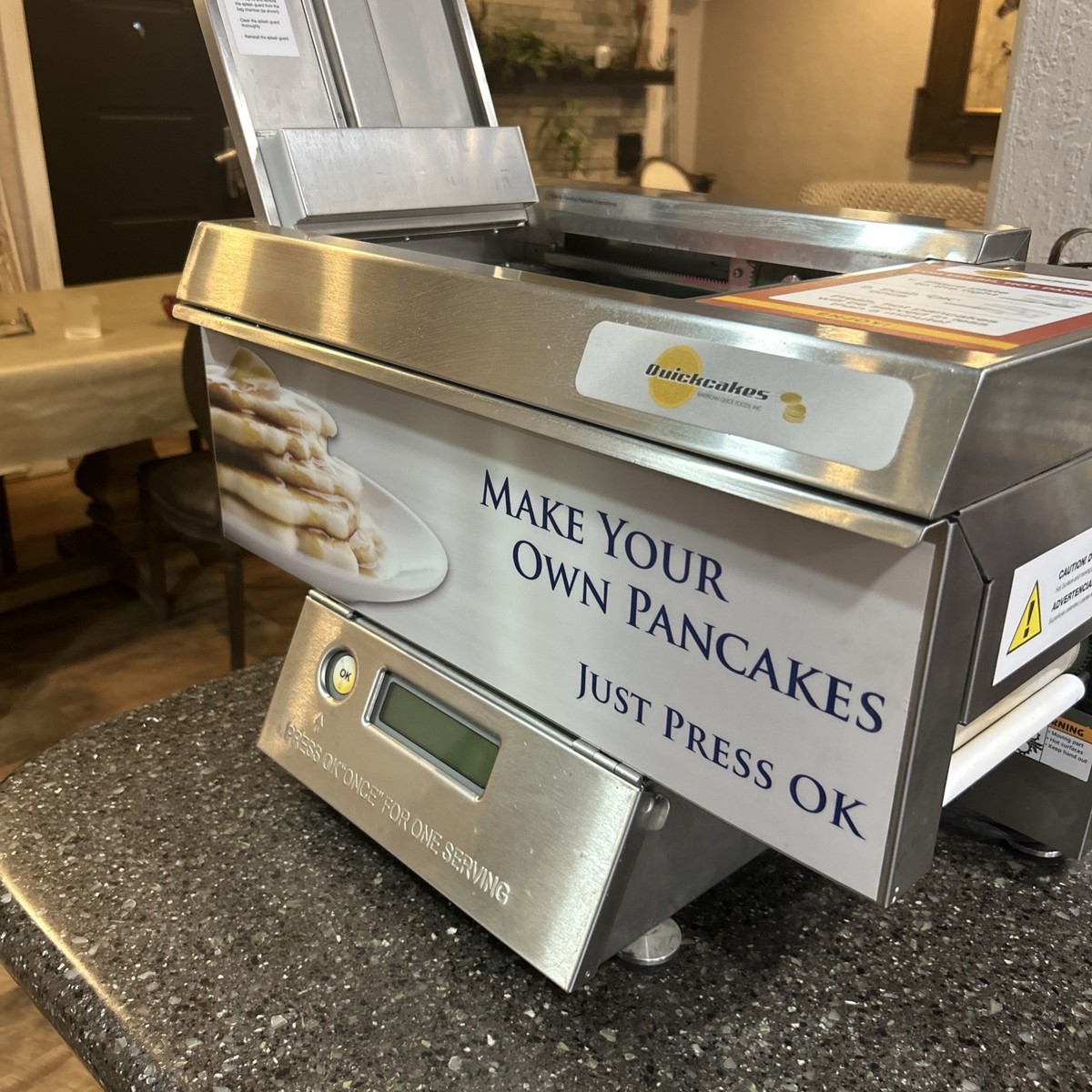
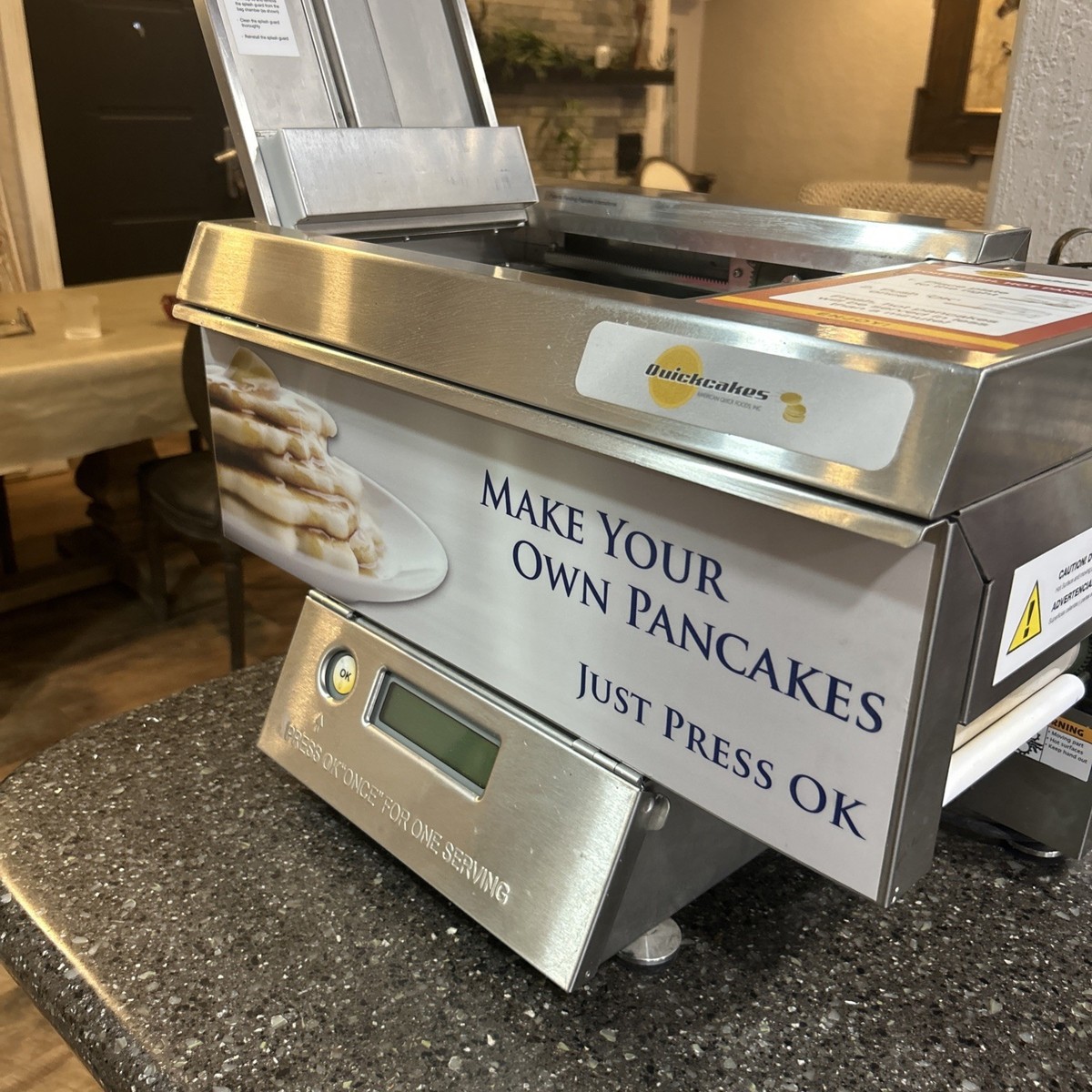
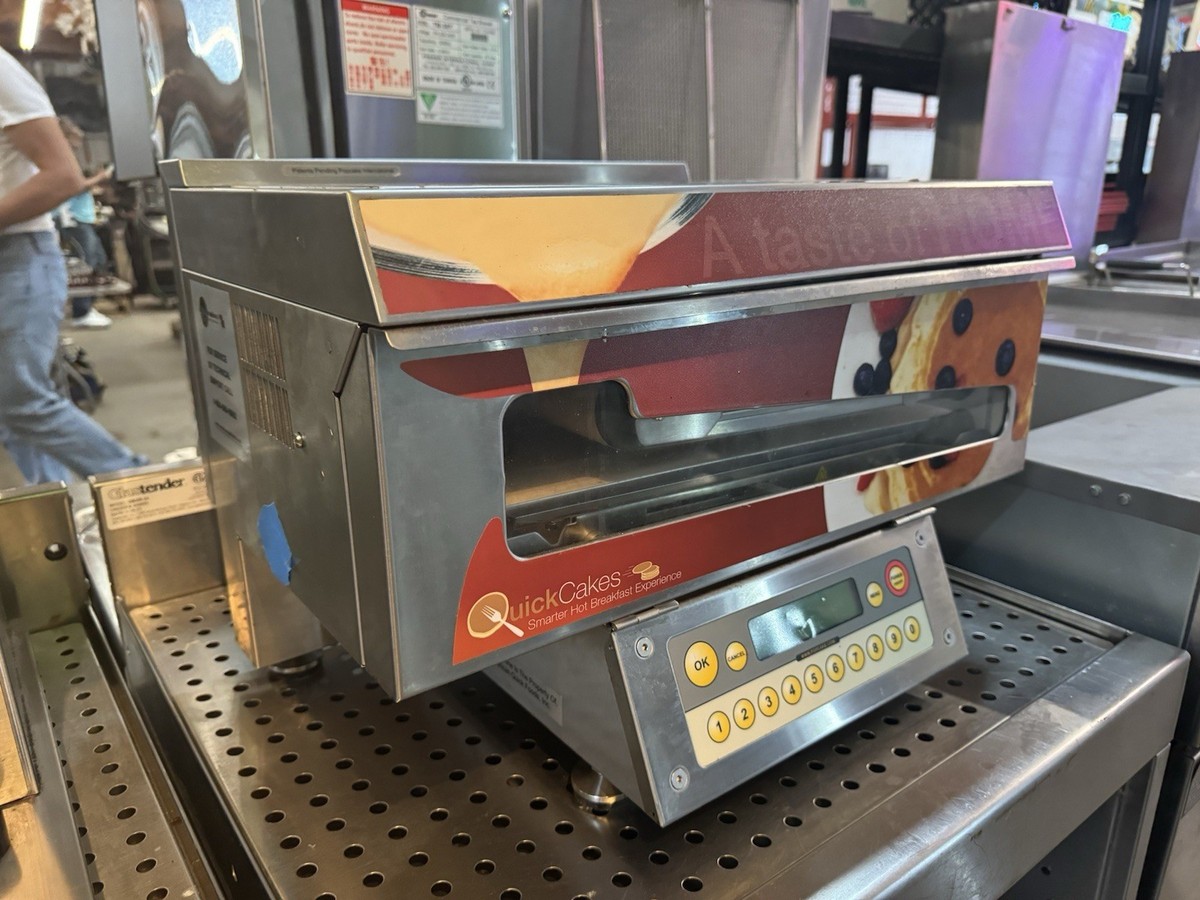
At its core, the appliance is a small, self-contained unit with a heated plate and a batter reservoir. Once the reservoir is filled and the settings are chosen, the machine dispenses batter, cooks each round, and releases finished cakes onto a waiting tray. Interchangeable molds let users experiment with anything from silver-dollar rounds to heart-shaped stacks, turning an everyday staple into an edible canvas.
Advantages of Automated Pancake Makers
Convenience
Morning routines shorten when pancakes appear in minutes without bowls, whisks, or stovetop supervision. Parents can pack lunches while breakfast makes itself, and overnight guests wake up to warm stacks without anyone hovering over a griddle.
Efficiency
Because the cooking surface stays at a steady temperature and batter portions are automated, output is predictable. A café can fill multiple orders simultaneously, and a family can move from hunger to happy plates before the coffee finishes brewing.
Consistency
Each pancake emerges the same shade and thickness, eliminating the guesswork that often leaves the first batch pale and the last too dark. Uniform heat and timing mean the last cake is as fluffy as the first.
Customization
Whole-grain, gluten-free, or protein-rich batters all pour cleanly through the dispenser, while shaped molds add a fun twist for holidays or birthdays. Some models even allow stripes of cocoa or matcha to be swirled in for color contrast.
Impact on the Food Scene
Commercial Establishments
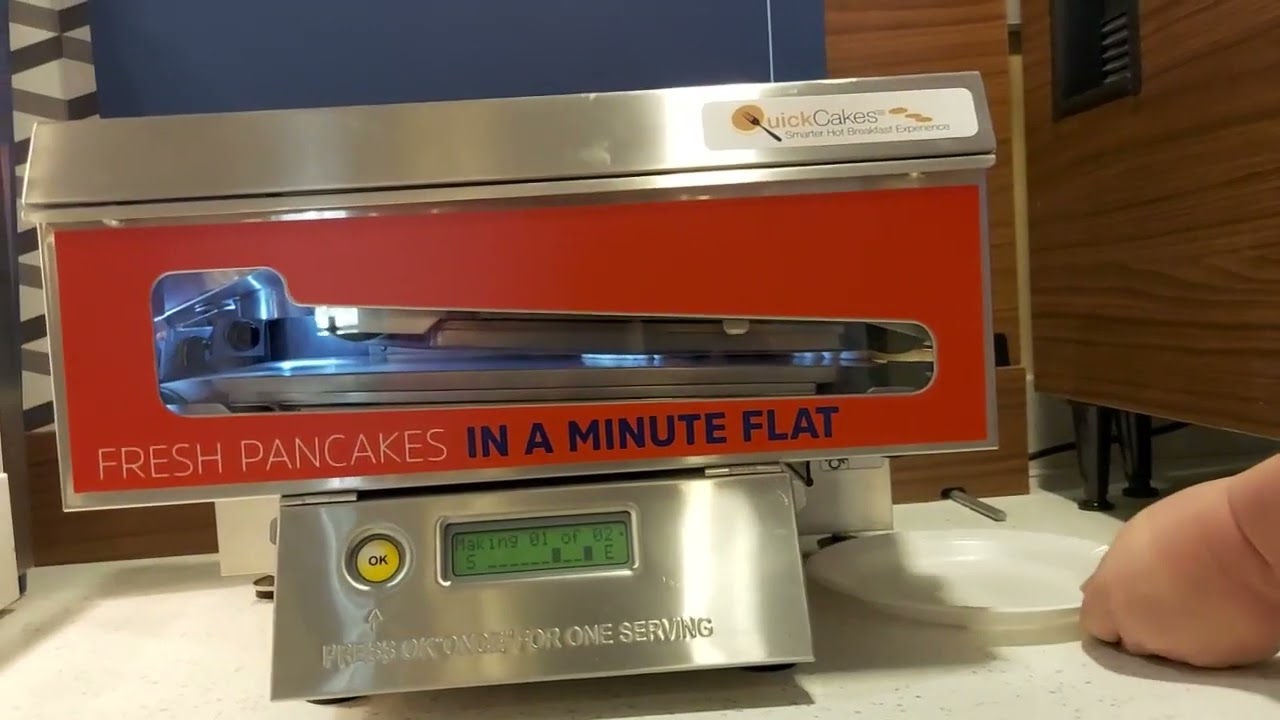
Small bakeries and brunch spots use the machines to expand menus without hiring extra griddle cooks. Faster turnaround at peak hours keeps tables rotating and customers content, while consistent portions help control food costs.
Home Use
On kitchen islands, the gadget doubles as entertainment: kids queue up to watch batter transform into bears, stars, or dinosaurs. Cleanup is mostly limited to the non-stick plate and drip tray, making weekend breakfasts feel less like a chore.
Challenges and Limitations
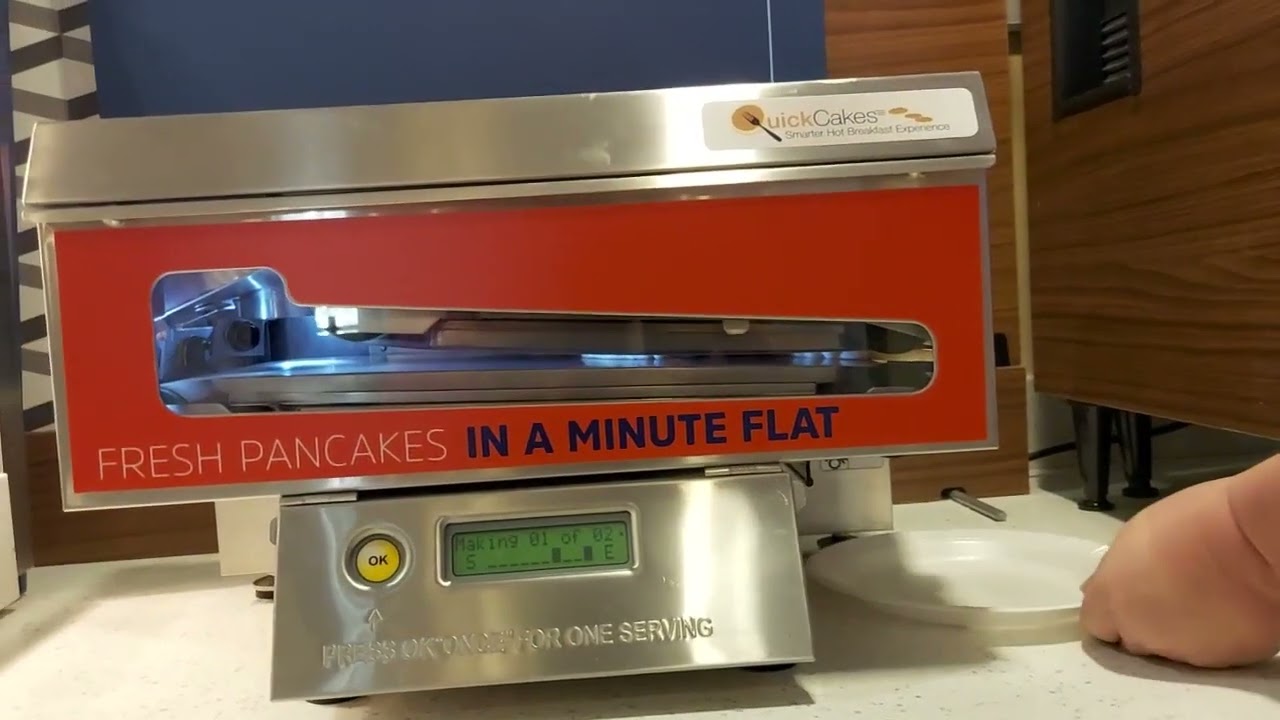
Up-front price can rival that of a mid-range espresso maker, and counter space is another consideration. Very thick or chunky batters—say, loaded with blueberries or chocolate chips—may clog the dispenser, so recipes occasionally need tweaking.
Future Developments
Tomorrow’s models may ship with:
– Cartridge inserts for fruit purées or nut butters that inject swirls mid-cook.
– Voice-activated timers and smartphone alerts when the stack is ready.
– Greener heating elements that reach target temperature faster and draw less power.
Conclusion
Automated pancake makers have carved out a niche by turning a simple mix of flour, eggs, and milk into a speedy, repeatable show. Whether the goal is to serve a bustling brunch crowd or delight sleepy children on Sunday morning, the device delivers reliable results with minimal fuss. As engineers refine hardware and software alike, the next wave of machines promises even more creativity, sustainability, and breakfast joy.
References
– Recent trends in small-format breakfast appliances. International Culinary Review, 2022.
– Consumer feedback on automated griddle devices. Home Kitchen Quarterly, 2023.
– Energy usage comparison of countertop cooking tools. Sustainable Appliances Journal, 2021.


