

Recipes by Ingredients: A Practical Guide to Creative Cooking
Introduction
Cooking is a timeless craft shaped by countless cultures, each refining its own flavors and techniques. A central idea is letting the ingredients themselves guide the dish. In this article we look at how building recipes around what you already have can simplify meal planning, spark creativity, and lead to meals that feel tailor-made for the moment.
The Role of Ingredients in Recipes
Every ingredient brings flavor, texture, and nourishment to the table. Recognizing how items complement or contrast with one another helps cooks turn simple staples into balanced, memorable plates.

Flavors
Aromatic herbs, warming spices, or bright citrus can lift a dish from ordinary to exciting. Learning which elements add depth and which provide lift makes it easier to pair foods confidently and avoid overpowering combinations.
Textures
Contrasting textures keep eating interesting: crisp vegetables against creamy beans, or tender protein sprinkled with toasted nuts. Thinking about mouthfeel while you prep ensures each bite is as engaging as the last.
Nutritional Content

Colorful produce, whole grains, and lean proteins supply vitamins, fiber, and steady energy. Centering recipes on these foods supports well-being without sacrificing taste.
The Benefits of Ingredient-Driven Recipes
Letting ingredients lead offers several everyday advantages.
Personalization
Whether you need gluten-free options, lower sodium, or simply prefer extra spice, starting with the items you love guarantees the final dish matches your needs.

Innovation
A fridge clean-out can become a flavor laboratory. Mixing unfamiliar pairings—say, roasted fruit with savory grains—often produces surprisingly delicious results.
Sustainability
Planning meals around local, seasonal produce reduces waste, supports nearby growers, and usually gives you fresher, more affordable ingredients.
Examples of Ingredient-Driven Dishes
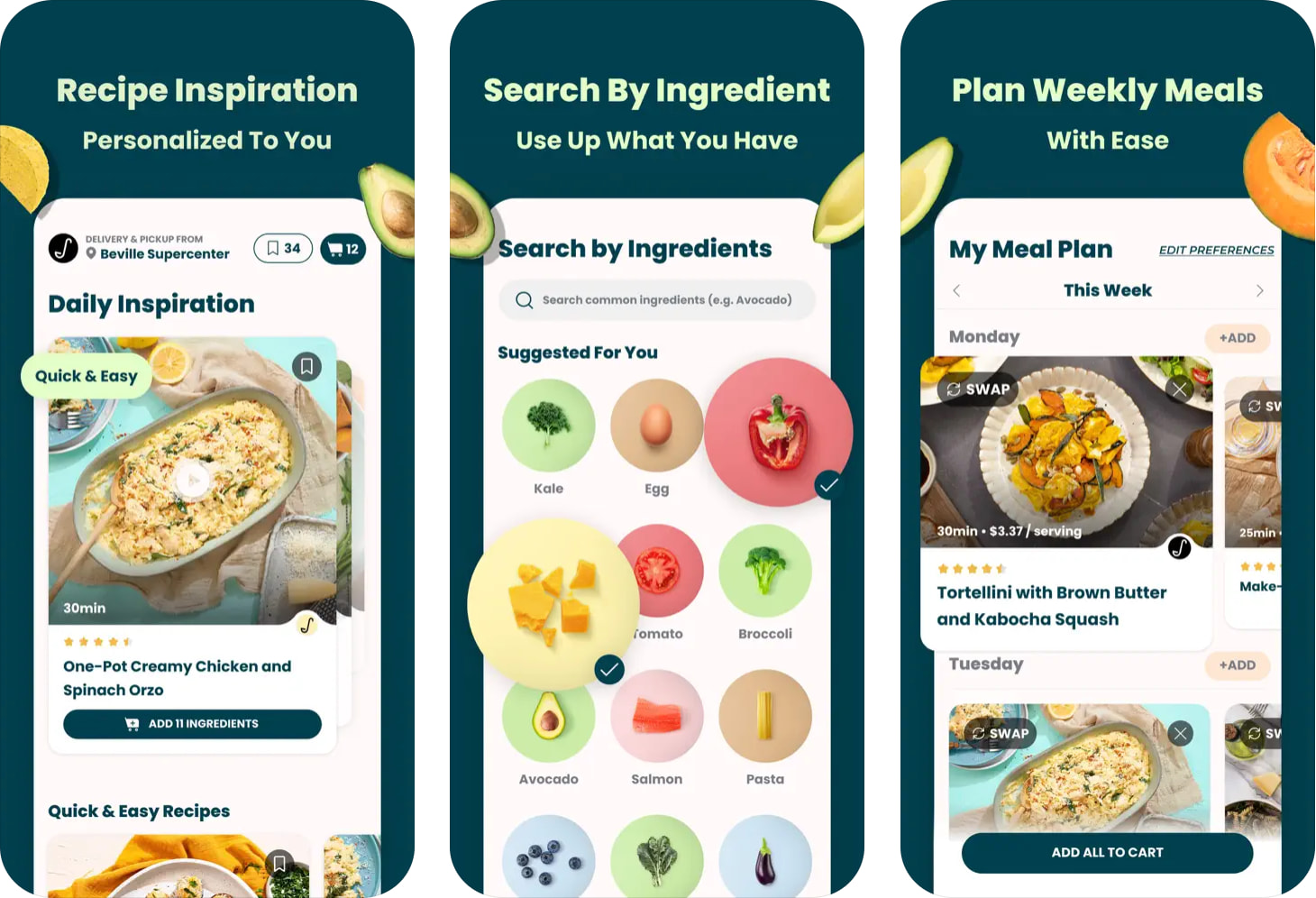
Below are three flexible ideas that start with a single key item and build outward.
Tomato Basil Pasta
Ingredients: ripe tomatoes, dried pasta, fresh basil, garlic, olive oil, salt, and pepper. A quick sauté of tomatoes and garlic, finished with basil and a splash of pasta water, creates a light sauce that tastes like late summer any time of year.
Lemon Herb Chicken
Ingredients: boneless chicken, lemon juice and zest, rosemary or thyme, olive oil, salt, and pepper. A brief marinade adds brightness; finishing the cooked meat with an extra squeeze of lemon keeps flavors vivid.

Quinoa Salad with Roasted Vegetables
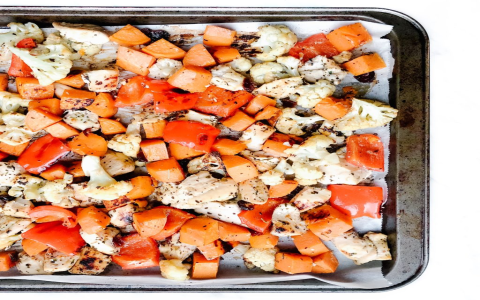
Ingredients: quinoa, bell peppers, zucchini, cherry tomatoes, olive oil, garlic, salt, and pepper. Roasting the vegetables concentrates their sweetness, while fluffy quinoa soaks up the juices for a satisfying room-temperature lunch.
Conclusion
Building recipes around the ingredients you already have empowers you to cook with confidence, reduce waste, and discover new favorites. By paying attention to flavor, texture, and nutrition, every home cook can turn even a modest pantry into an endless source of enjoyable, healthful meals.


