

Title: How No-Cost Digital Cookbooks Are Reshaping Home Kitchens
Introduction:
The way we cook is changing faster than ever, and one quiet driver is the explosion of no-cost digital cookbooks. From quick week-night dinners to elaborate holiday feasts, these open-access collections have nudged countless people toward stoves they once ignored. This piece looks at how freely shared recipes influence today’s food culture, weighing their strengths, stumbling blocks, and what might come next.
Accessibility and Inclusivity
Perhaps the biggest win is simple reach. Because the books live online, anyone with a phone or library computer can browse thousands of dishes without spending a cent. That levels the playing field, letting students, retirees, and curious novices experiment side-by-side with seasoned cooks.
Reliable home internet is now common in many households, so the potential audience stretches from big cities to small towns. The result is a broader, more welcoming cooking community that keeps growing as connectivity improves.
Culinary Diversity and Global Influence
Open recipe libraries double as passports. A few clicks can transport a home baker in one country to the street markets of another, encouraging playful swaps of spices, sauces, and techniques. Over time, these micro-exchanges weave new hybrid dishes into everyday life.
Asian flavors—think umami broths, coconut curries, and quick stir-fries—offer a clear example. Once tucked away in specialty sections, they now pop up in neighborhood potlucks and café specials alike, thanks to freely shared step-by-step guides.
The same flow works in reverse. Cooks everywhere upload regional favorites, creating a lively give-and-take that keeps global taste buds curious and connected.
The Role of Technology
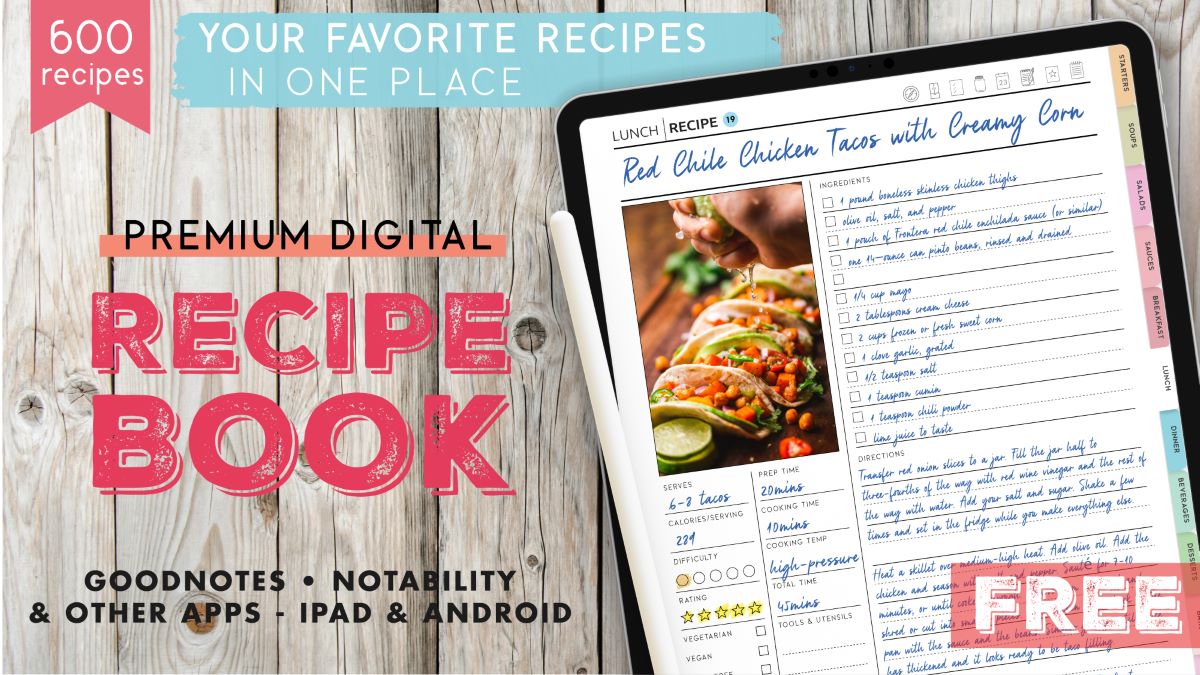
Smartphones, cloud drives, and social feeds act as the invisible sous-chefs here. Recipe sites let users filter by diet, skill level, or cooking time, while comment threads turn each dish into a living document that improves with every home test.
Photo-heavy apps and short-form videos add visual cues that printed pages can’t match. A beginner who once feared overcooking fish now swipes through thirty-second clips until confidence kicks in.
Challenges and Concerns
Of course, open publishing has a flip side. Instructions can skip key safety steps or list incorrect oven temperatures, leading to soggy bottoms or worse. Critical reading and cross-checking remain essential kitchen tools.
Volume itself can overwhelm. Faced with endless chili variations, a newcomer may bail on the project entirely. Clear filters, skill tags, and first-timer collections help, but the clutter is real.
Future Prospects
Tomorrow’s recipe feeds will likely feel even more personal. Algorithms could auto-suggest week-long menus based on local weather, pantry scans, or fitness goals, cutting food waste while keeping meals exciting.
Immersive tech may join the mix. Picture slipping on lightweight glasses that overlay timing prompts above your saucepan, or joining a live virtual class where an instructor circles your knife grip in real time.
Conclusion:
Freely available cookbooks have already moved cooking from closed pages to open screens, inviting more voices—and flavors—to the table. Hurdles remain, yet the trend shows no sign of cooling. As long as curiosity and connectivity stay switched on, shared recipes will keep inspiring new generations to pick up a spatula and taste the world from their own kitchens.


