


The Art of Choosing Food for Supper: Ideas and Insights
Introduction
Dinner, often called supper, is the final meal of the day and a moment to slow down and reconnect. Whether shared with family, friends, or enjoyed alone, the dishes we place on the table can shape our energy, mood, and overall well-being. This article explores balanced, creative, and culturally inspired supper ideas that turn an everyday routine into something nourishing and enjoyable.
The Importance of Dinner
Beyond simple sustenance, supper acts as a daily punctuation mark—a chance to decompress and bond. Studies suggest that consistent, relaxed evening meals are linked to better communication skills, steadier emotions, and healthier eating habits across all age groups. In short, what happens at dinner rarely stays at dinner; it influences sleep quality, next-day productivity, and long-term health.
Nutritional Considerations
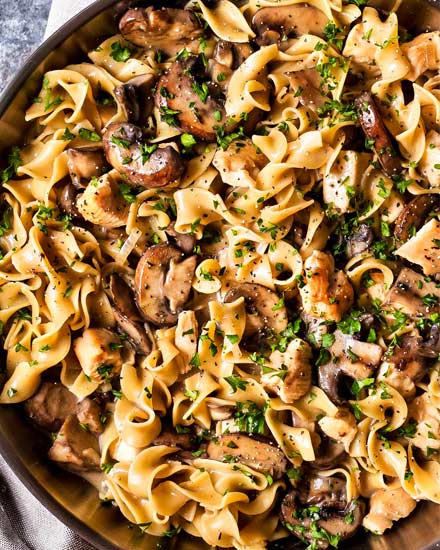
A well-rounded supper should deliver a mix of complex carbohydrates, lean protein, healthy fats, and plenty of produce. Visualize a plate that is half vegetables or fruit, one-quarter whole grains, and one-quarter protein, with a small amount of good fat on the side. Below are three flexible templates that meet these guidelines and can be adapted to whatever is in season.
1. Grilled Chicken Salad
Start with a base of leafy greens, add colorful veggies for crunch and antioxidants, top with sliced grilled chicken for lean protein, and finish with a drizzle of olive-oil vinaigrette. Swap the poultry for chickpeas or tofu to keep it plant-based.
2. Quinoa and Black Bean Bowl
Fluffy quinoa provides complete plant protein and pairs naturally with black beans, sweet corn, diced peppers, and avocado. A squeeze of lime and a pinch of cumin brighten the flavors without heavy sauces.
3. Baked Salmon with Steamed Vegetables
A quick roast in the oven gives salmon a crisp edge while keeping the center tender. Serve alongside steamed broccoli, carrots, or green beans for a meal rich in heart-friendly fats and fiber.
Cultural Influences on Supper Choices
Global traditions remind us that “healthy” is not a single flavor. A Mediterranean table might feature fish, olives, and whole-grain bread; a Korean-inspired spread could center on rice, fermented vegetables, and lightly seasoned greens. Rotating regional themes keeps meals exciting and broadens the spectrum of nutrients we consume.

Practical Tips for Planning Supper
A little foresight prevents the 6 p.m. scramble and the siren call of take-out. Use these strategies to stay ahead:
1. Plan Ahead
Jot down three main dishes and two quick sides at the start of the week. Check your pantry before shopping to avoid duplicates and food waste.
2. Use a Variety of Ingredients

Alternate proteins—beans, eggs, fish, poultry—and switch grains from brown rice to bulgur or farro. Colorful produce delivers different vitamins, so aim for a rainbow across the week.
3. Experiment with Recipes
Try one new spice blend, cooking method, or vegetable each week. Small changes—roasting instead of boiling, adding a fresh herb finish—keep familiar foods feeling new.
Conclusion
Supper is an opportunity to nourish body and spirit in one sitting. By balancing nutritional basics with global inspiration and simple planning habits, anyone can transform the evening meal into a highlight of the day. The goal is not perfection on every plate, but a steady rotation of wholesome, satisfying dishes that make the end of the day something to look forward to.

References
General nutrition guidelines drawn from widely accepted public health resources on balanced eating and meal composition.
Future Research Directions
Continued exploration into personalized nutrition, sustainable ingredient choices, and digital tools that simplify healthy meal planning will help more people enjoy wholesome, stress-free suppers in the years ahead.


