
The Significance of Home-Made Meals in Modern Society
Introduction
In today’s hurried world, the simple act of cooking at home is drawing renewed interest. As ready-to-eat and take-out options multiply, many people wonder how these habits shape long-term wellness. This short overview looks at why preparing food in our own kitchens still matters, highlighting its advantages, common hurdles, and the gentle ripple effects it can have on everyday life.
The Nutritional Benefits of Home-Made Meals
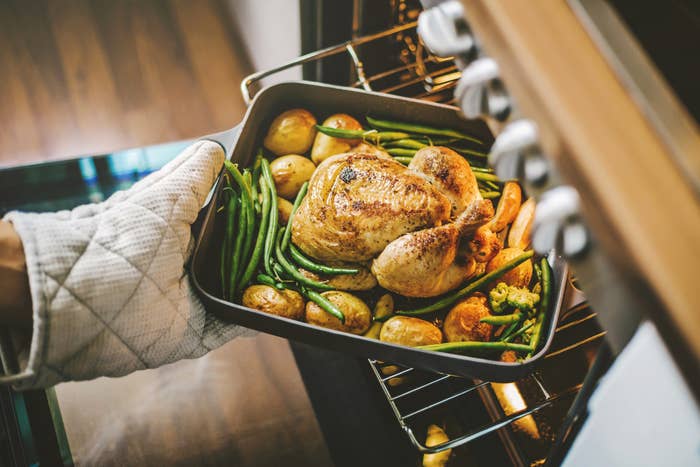
When we cook for ourselves, we decide what goes into each dish. Meals prepared at home usually contain more vegetables, whole grains, and balanced portions than their store-bought or restaurant counterparts. Because the cook controls salt, sugar, and cooking fats, the final plate is often lighter and richer in fiber, vitamins, and minerals. Anyone with special dietary needs—whether low-sodium, vegetarian, or allergy-friendly—can adjust recipes instantly, avoiding ingredients that cause problems.
The Psychological Benefits of Home-Made Meals
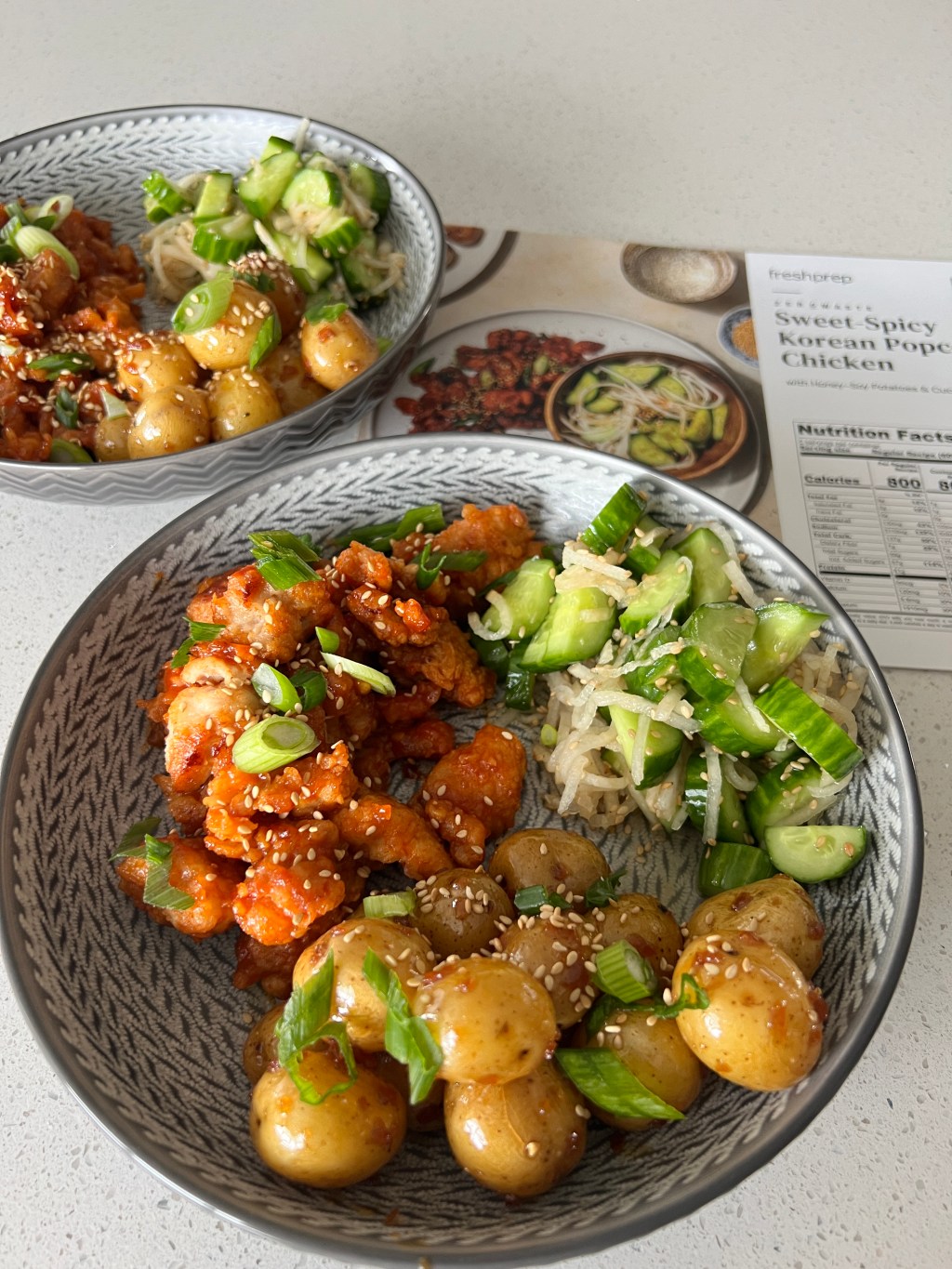
Time spent stirring, chopping, and seasoning can feel like a mindful break from screens and schedules. Many home cooks describe the process as calming, even joyful. Sharing the tasks with family or friends turns dinner prep into casual bonding time, strengthening connections without the pressure of organized activities. The aromas, tastes, and small rituals that surround a home-cooked meal often become cherished memories that outlast the food itself.
The Economic Benefits of Home-Made Meals
Eating out occasionally is pleasant, but the cost adds up quickly. A homemade plate typically costs only a fraction of a restaurant entrée. Planning a weekly menu, buying staples in larger bags, and transforming yesterday’s roast into today’s soup stretches the food budget further. Less packaging and fewer single-use containers also mean a lighter footprint on the planet.
Challenges and Solutions in Preparing Home-Made Meals
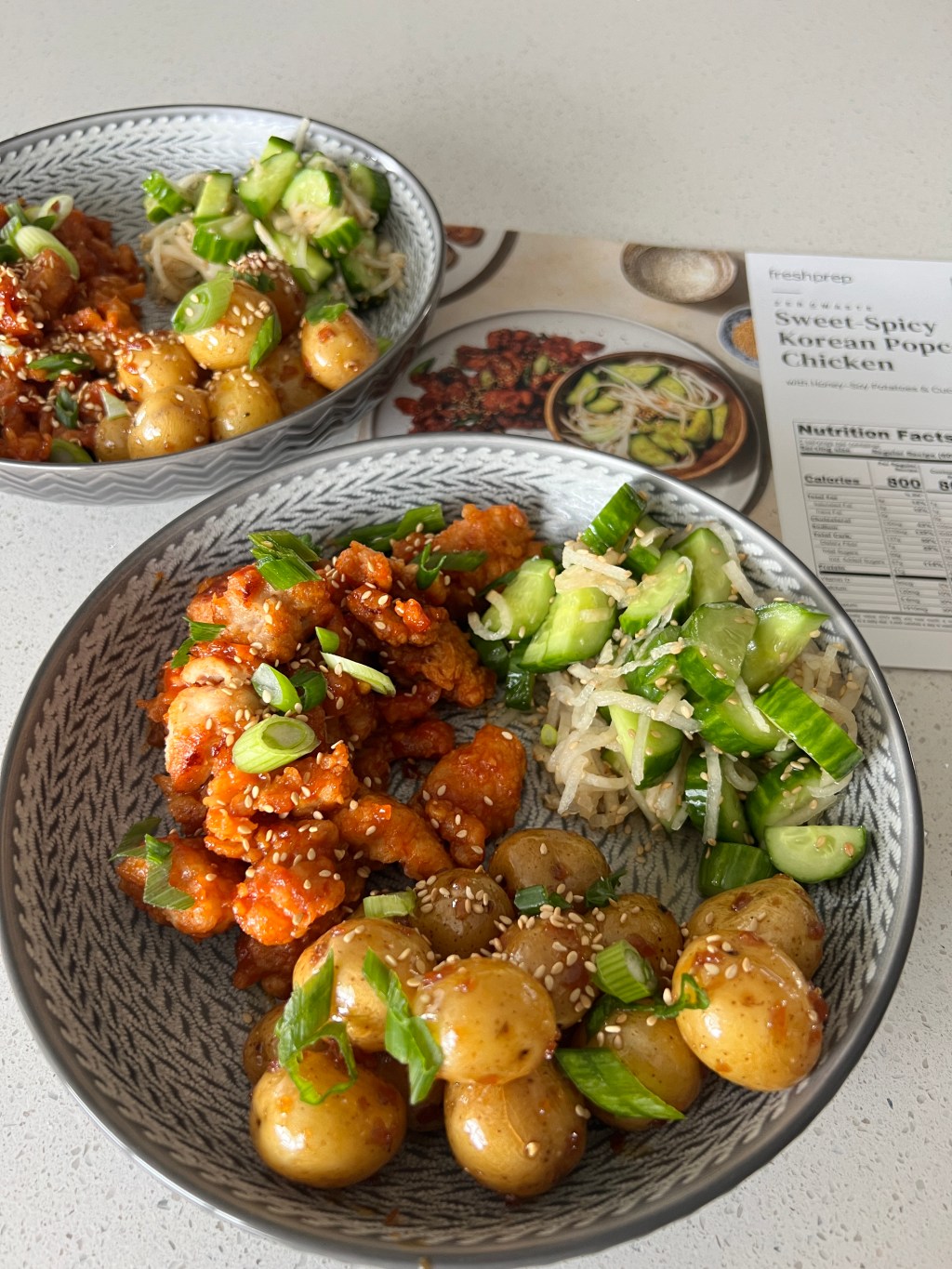
Busy schedules, limited skills, or scant storage can discourage even enthusiastic beginners. Simple strategies help: batch-cooking grains on Sunday, keeping frozen vegetables on hand, or using a slow cooker to finish dinner while you work. Free online videos and library cookbooks offer step-by-step guidance for every technique, from roasting vegetables to kneading bread. Neighborhood markets, co-ops, or modest balcony herb pots make fresh produce more accessible, turning shopping into an affordable routine rather than a luxury.
Conclusion
Home cooking remains a quiet cornerstone of well-being. It nourishes the body, soothes the mind, and respects the wallet. Although modern life presents obstacles, small adjustments—planned menus, shared tasks, and curiosity in the kitchen—keep the tradition alive and rewarding.
Recommendations and Future Research
Schools can reinforce these habits by integrating basic cooking lessons into health or science classes, giving pupils confidence before they leave home. Community centers might open shared kitchens where residents without full appliances can simmer, sauté, and swap recipes. Researchers could track how consistent home cooking influences long-term health, social cohesion, and household budgets across different regions. With broader insight, communities can craft practical programs that invite more people to discover the everyday pleasures of a home-made meal.