

The Art and Science of Cooking: A Comprehensive Overview
Introduction
Cooking is far more than a daily chore; it blends creativity, science, and tradition into every bite. When we step into the kitchen we engage in an activity that nourishes the body, sparks memory, and strengthens social bonds. This overview explores why cooking matters, which methods shape our meals, and how the simple act of preparing food ripples outward to influence health, culture, and community.
The Importance of Cooking
Nutritional Value
Nutritional Value
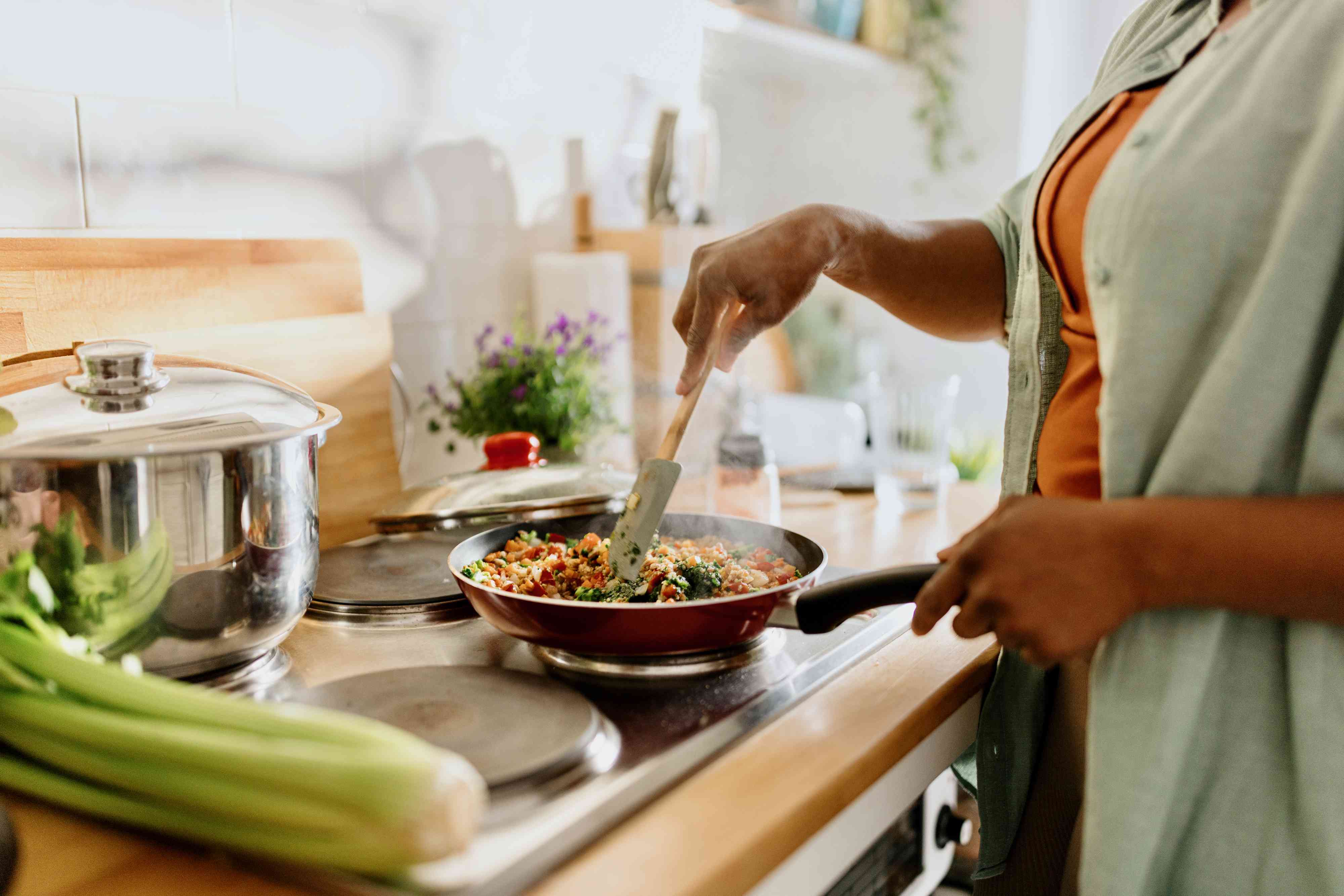
Heat changes food. Gentle cooking can soften fibers, concentrate flavors, and make certain vitamins and antioxidants easier to absorb. For example, a brief simmer can increase the availability of beneficial plant compounds in tomatoes and carrots, helping the body take full advantage of their color-rich nutrients.
Cultural Significance
Cultural Significance
Recipes travel across generations like edible postcards from the past. Spices, fermentation practices, and slow-cooking traditions tell stories of climate, trade routes, and shared beliefs. Preparing these dishes keeps heritage alive, allowing cooks to honor ancestors while adapting flavors to modern tables.
Emotional Connection
Emotional Connection
The aroma of bread rising or the rhythmic chop of vegetables can calm the mind and draw people together. Offering a homemade meal is an act of care; receiving one can evoke comfort, gratitude, and a sense of belonging. In this way, the kitchen becomes a quiet stage for emotional expression.
Techniques and Methods
Boiling
Boiling
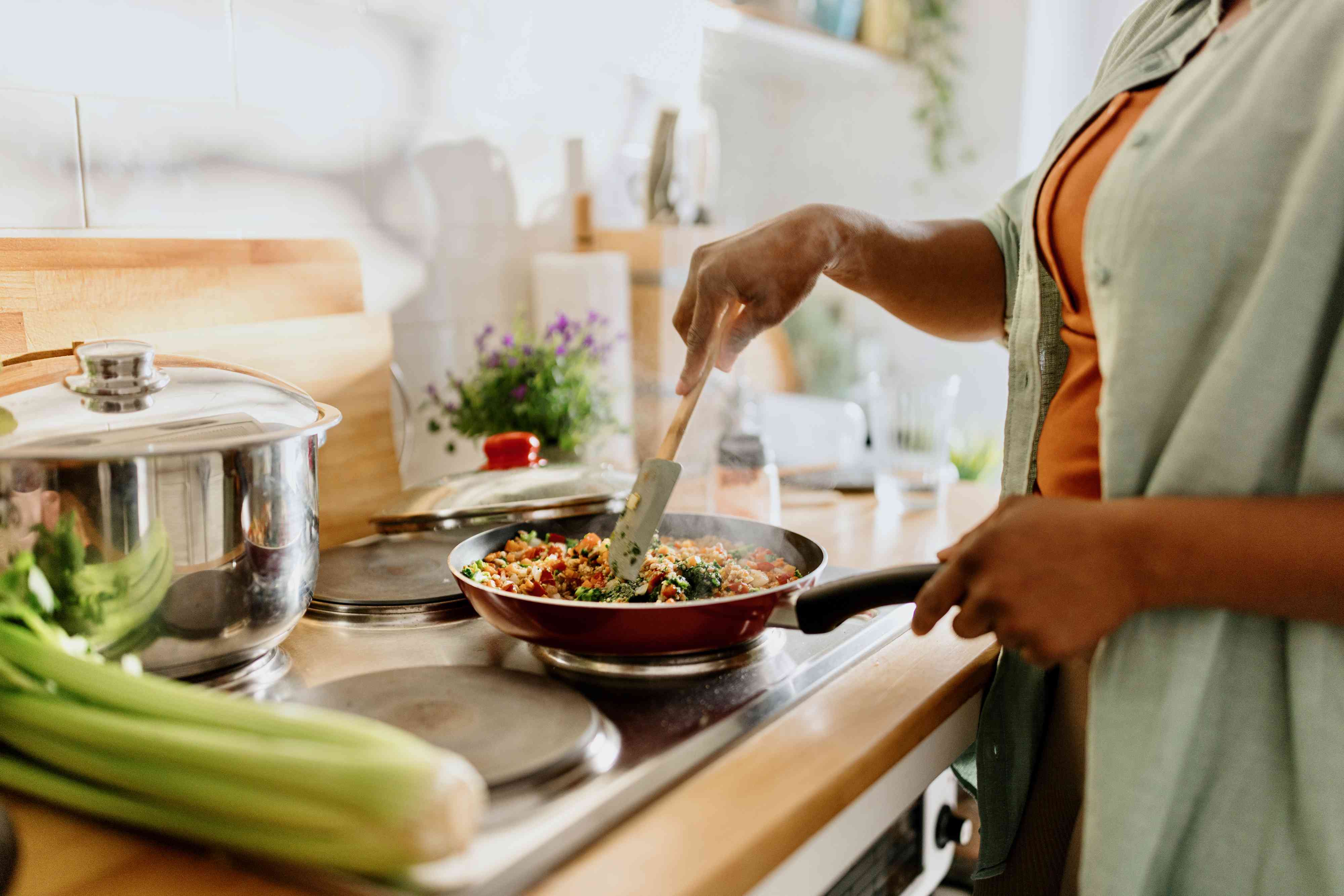
Submerging ingredients in bubbling water is one of the quickest ways to cook grains, legumes, and vegetables. To retain texture and nutrients, use just enough water, keep the lid slightly ajar, and drain as soon as tenderness is reached. Saving the cooking liquid for soups or sauces recycles both flavor and water-soluble vitamins.
Baking
Baking
Dry, even heat from an oven coaxes natural sugars to caramelize and batters to set into airy loaves or delicate pastries. Because little or no added fat is required, baking often produces lighter results than frying. Positioning pans near the center of the oven and rotating halfway through promotes uniform browning.
Frying

Frying
Hot oil cooks food rapidly, creating crisp surfaces and rich flavor. Choosing oils with higher smoke points—such as sunflower or refined olive oil—and maintaining a steady, moderate temperature reduces unwanted compounds. Draining finished items on a wire rack instead of paper towels keeps crusts intact while allowing excess fat to drip away.
The Impact of Cooking on Society
Health and Wellness
Health and Wellness
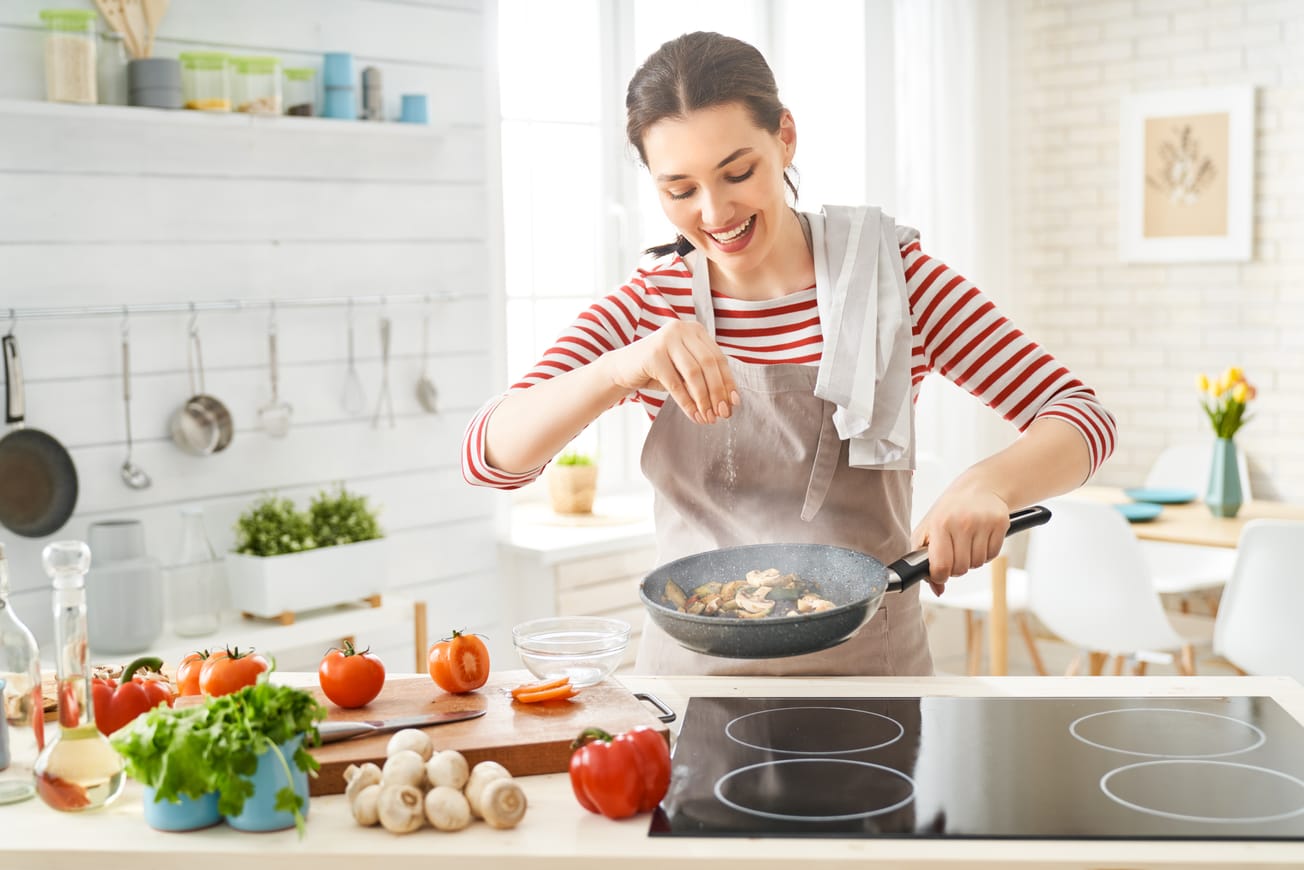
Home-cooked meals generally contain less salt, sugar, and processed fat than convenience foods. The simple acts of chopping, stirring, and seasoning also encourage mindful eating and can lower stress. Sharing these meals reinforces positive routines that support long-term physical and mental well-being.
Economic Impact

Economic Impact
Buying whole ingredients in season keeps money within local economies and reduces packaging waste. Culinary skills, whether basic or advanced, open employment pathways—from cafés and school kitchens to product development and food writing—strengthening community livelihoods.
Conclusion
Cooking weaves together nutrition, heritage, and human connection. By refining our techniques and understanding the science behind heat, timing, and flavor, we create meals that sustain both body and spirit. Continued curiosity in the kitchen ensures this timeless craft remains vibrant, inclusive, and forward-looking.
Recommendations and Future Research
Recommendations and Future Research
To keep the benefits of cooking accessible and evolving, consider the following steps:
1. School Programs: Integrate hands-on cooking classes into curricula so young learners practice knife skills, taste seasonal produce, and link food to science and culture.
2. Community Workshops: Host neighborhood sessions where home cooks trade recipes, reduce food waste, and explore plant-forward menus together.
3. Technique Innovation: Support studies that test gentler, faster, or energy-saving methods—such as steam-baking or pressure-less steaming—to preserve nutrients and cut kitchen emissions.
Future inquiries could focus on:
1. Nutrient Retention: Compare how emerging appliances affect vitamin stability across different ingredients.
2. Traditional Practices: Document and analyze fermentation, sun-drying, and clay-pot cooking for their potential health and sustainability advantages.
3. Smart Kitchens: Examine how sensors, apps, and precision cookware influence portion control, energy use, and culinary confidence among diverse households.
Pursuing these educational, social, and scientific avenues will help cooking remain a cornerstone of healthy, joyful living for generations to come.


