
Title: What to Cook: A Friendly Guide to Picking the Perfect Dish
Introduction:
You might also like


Cooking is a timeless pleasure, yet the simple question “What should I make?” can feel surprisingly tricky. Whether you cook every day or only on weekends, balancing flavor, health, and occasion can seem like a puzzle. This guide walks you through the main things to think about—dietary needs, cultural touches, personal likes, and what’s fresh at the market—so you can settle on a dish that feels just right for you and anyone gathered at your table.
Understanding Dietary Needs
Start by noting any dietary needs around the table. Labels like vegetarian, dairy-free, or lower-sodium pop up often, and respecting them keeps the meal welcoming for everyone.
A mixed spread works wonders: pair a plant-based main with a grain salad and a simple protein on the side so each guest can build a plate that fits their needs without extra fuss.

Cultural Touches
Food carries stories. Borrowing gentle hints of spice, aroma, or presentation from different traditions can turn an everyday dinner into a small celebration of world flavors.
Try blending familiar ingredients with a new spice blend or sauce: maybe basil meets lemongrass, or roasted vegetables get a sprinkle of dukkah. The result feels fresh yet approachable, and it invites conversation.
Personal Flavor Mood
Your own cravings matter. Some evenings call for bright citrus and herbs; others want slow-cooked comfort. Check in with what sounds appealing before you open the fridge.
If you’re craving heat, reach for fresh chilies or a smoky paprika. Prefer gentle flavors? A lemon-herb drizzle or a light saffron broth keeps things mellow and fragrant.
Seasonal Ingredients
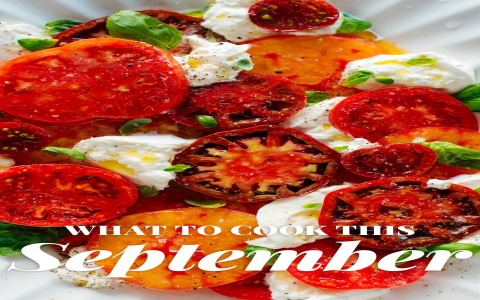
Let the calendar guide you. Produce at its peak needs little help: summer tomatoes shine in a raw salad, while winter squash turns silky with a quick roast.

Build the meal around one star ingredient that’s plentiful right now, then add pantry staples to support it. You’ll save money and enjoy fuller flavor in every bite.
Health Considerations
Balance is easier than rules. Aim for color on the plate—deep greens, purples, and oranges—and choose cooking methods like steaming, grilling, or a light sauté to keep nutrients intact.
A simple ratio helps: half vegetables, one-quarter lean protein, one-quarter whole grains or starchy veg. Dress with good oil, citrus, or yogurt instead of heavy cream and you’re set.
Research and Inspiration
Ideas are everywhere. Flip through a library cookbook, scroll a trusted food site, or watch a short cooking clip to spark curiosity.
When something catches your eye, read a couple of versions of the recipe, then improvise with what you already have. Swapping one grain for another or using a different herb rarely hurts and often leads to a new house favorite.
Conclusion:
Deciding what to cook becomes simpler when you pause to consider dietary needs, cultural hints, personal mood, seasonal bounty, and gentle health goals. Stay curious, keep a well-stocked pantry, and let one fresh ingredient lead the way. With these small steps, every meal can feel tailor-made and every table a little happier.