

The Art and Science of Food Photography
Introduction
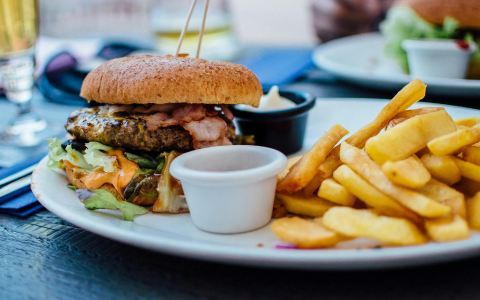
Images of meals—sometimes playfully called “foodie eye-candy”—now surround us every day. From scrolling feeds to printed menus, these visuals spark emotion, whet the appetite, and guide what we choose to eat. This article explores how food imagery works, where it came from, and why it matters to cooks, customers, and anyone who simply loves to look at a great plate.
The Evolution of Food Imagery
Ancient Art Forms
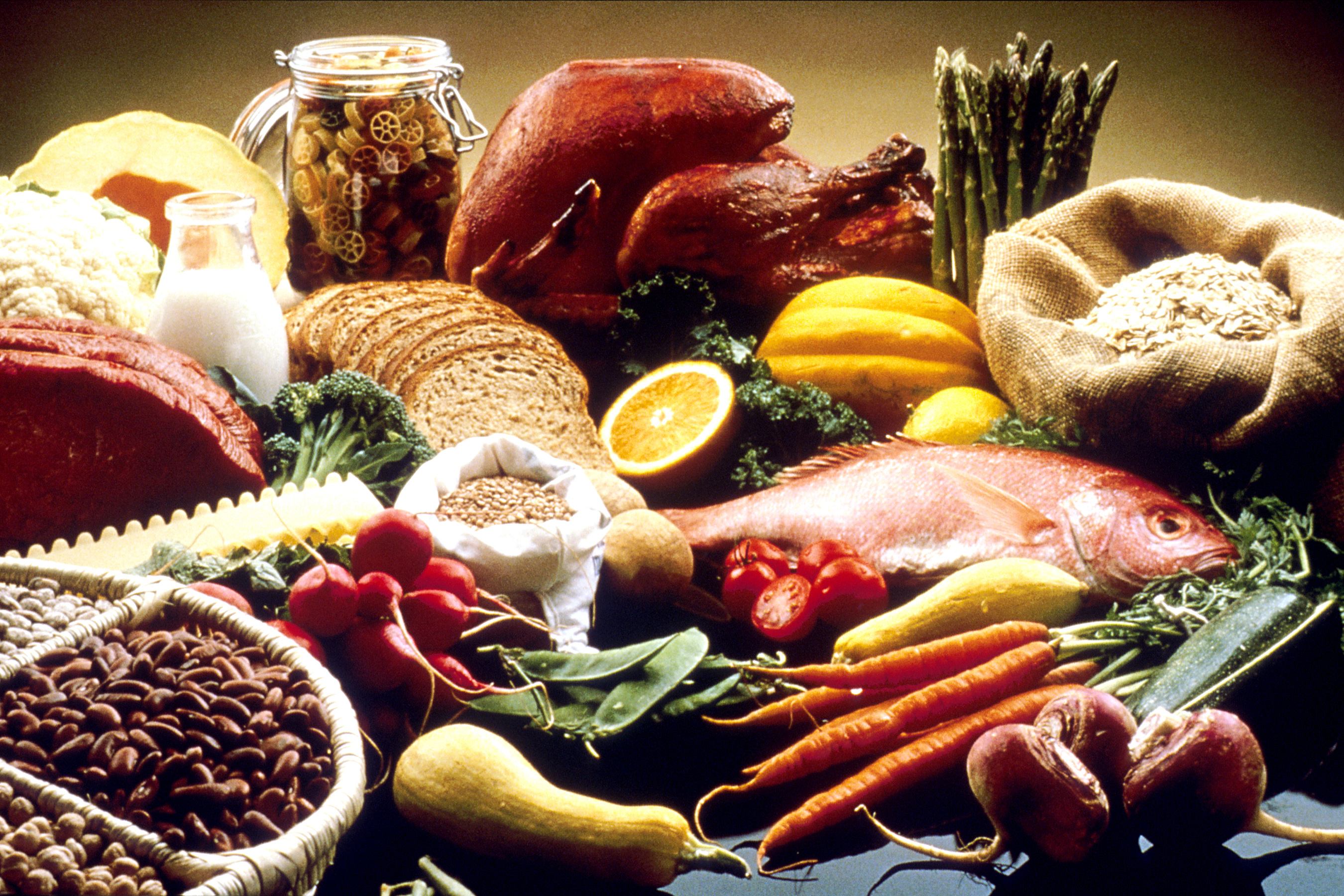
Long before cameras, early artists painted or carved scenes of game, grain, and fruit on cave walls and pottery. These pictures recorded daily life, celebrated successful hunts, and paid respect to the sources of nourishment.
The Renaissance and Beyond
During the Renaissance, painters began to treat fruit, bread, and game as worthy subjects in their own right. Careful use of light and shadow turned humble ingredients into symbols of abundance, temptation, or fleeting pleasure, setting a standard for realism that still influences photographers today.
Modern Media and Technology
Affordable cameras and smartphones have turned every diner into a potential photographer. Online galleries and social apps allow mouth-watering shots to circle the globe in seconds, inspiring home cooks and professionals alike.
The Impact of Food Photography
Culinary Industry
Menus, ads, and review sites live or die on the strength of a single image. A well-lit photo can make a dish feel more valuable and persuade guests to try something new, giving restaurants a powerful marketing edge.
Consumer Behavior
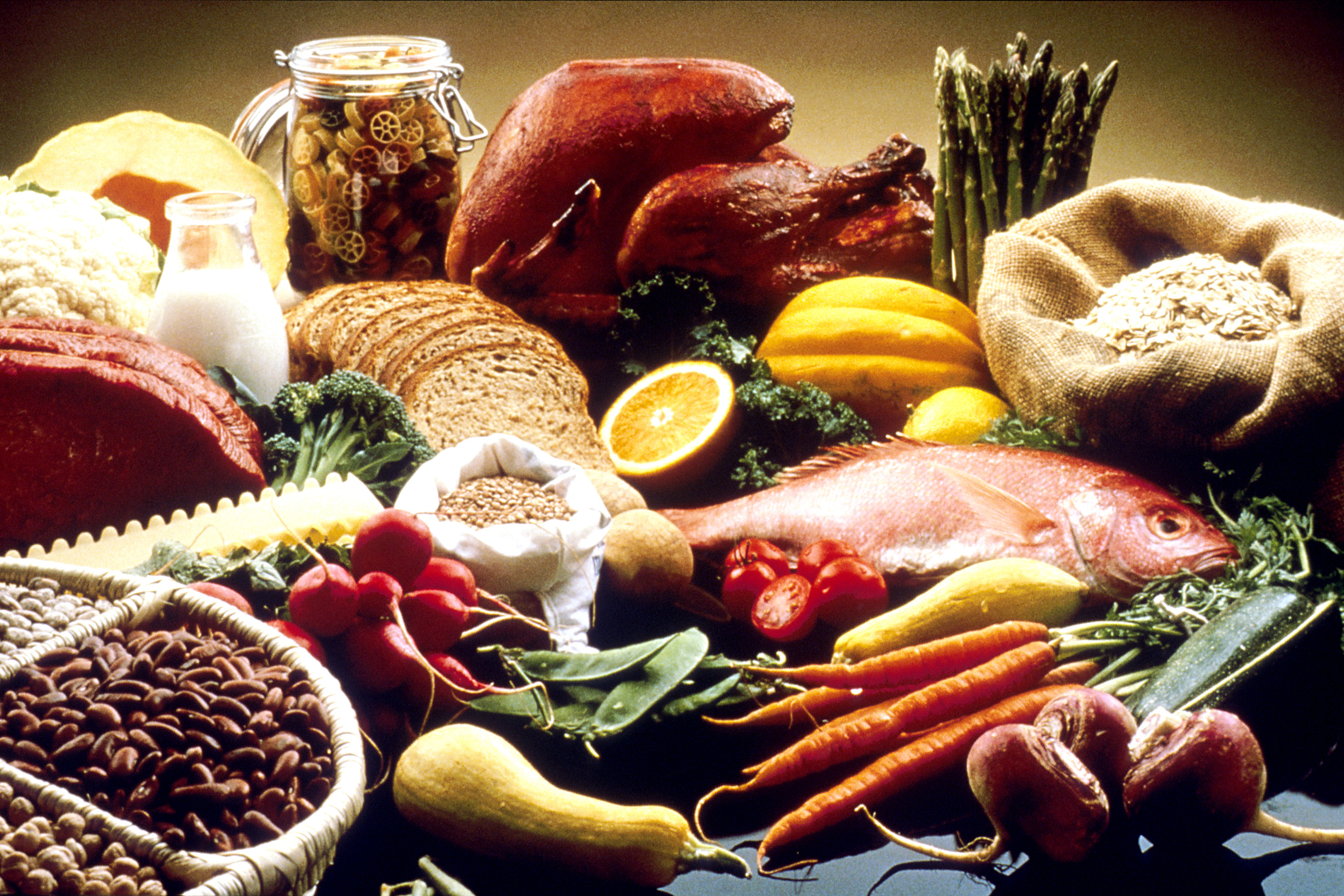
Attractive pictures create instant cravings and a sense of trust. Shoppers often reach for the package whose photo tells the clearest, most delicious story, even if the ingredients are similar to a less appealing rival.
Mental Health
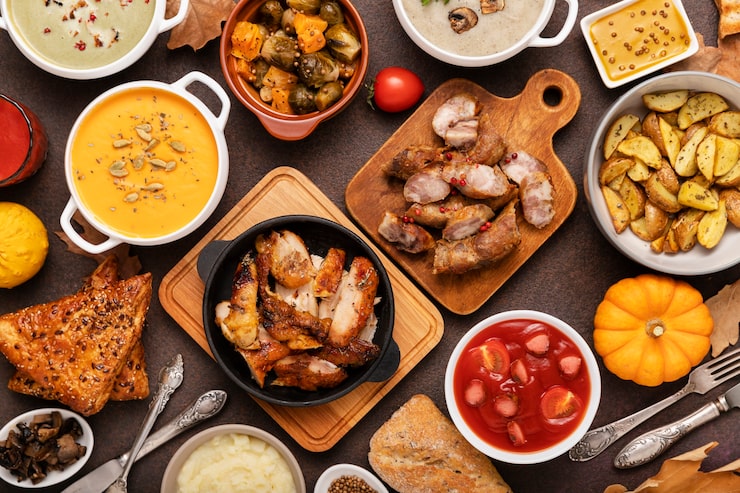
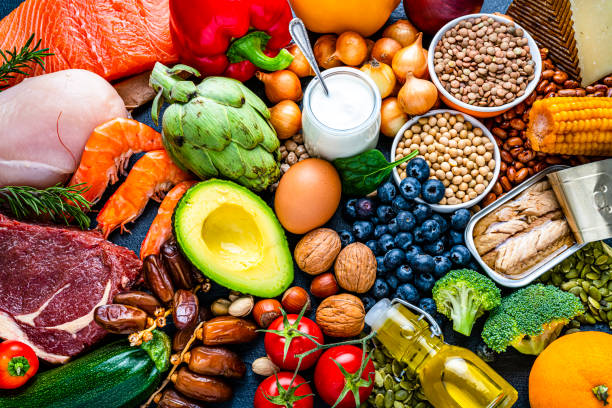
Constant exposure to rich, indulgent images can intensify cravings, while bright, fresh produce shots may encourage lighter choices. Being mindful of the feed we follow can subtly steer mood and eating patterns.
The Science Behind the Shot
Color Psychology
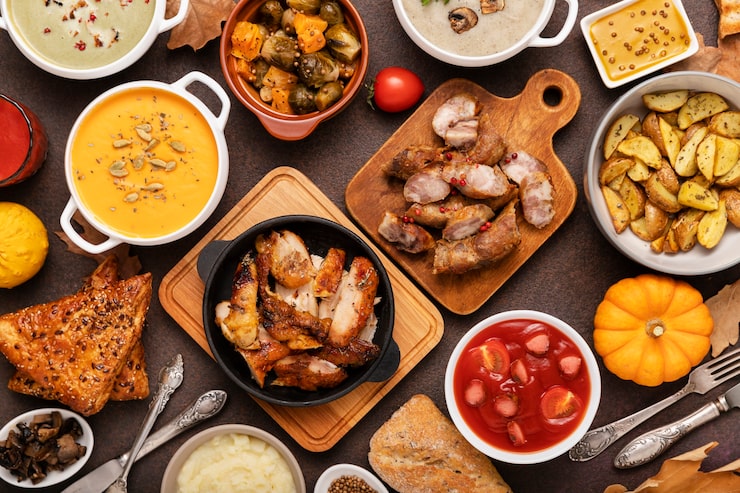
Warm reds, oranges, and yellows are known appetite triggers. A sprinkle of green herbs or a squeeze of citrus can add contrast, making a dish look fresher and more flavorful without changing the recipe.
Lighting and Composition
Soft daylight from a side window accentuates texture and adds a welcoming glow. Leaving a little empty space around the subject helps the eye focus on the star ingredient and prevents the frame from feeling crowded.
Digital Manipulation
Light touch-ups can rescue a dull frame, but heavy editing risks disappointment when the real meal arrives. Honest, balanced enhancements keep expectations fair and maintain trust between cook and customer.
Conclusion
From cave sketches to curated feeds, food imagery has always shaped how we think about what we eat. By appreciating both the craft and the psychology behind these pictures, we can enjoy their beauty while staying grounded in the true flavors on the plate.
Recommendations and Future Research
To keep food photography a positive force, consider the following:
1. Showcase dishes in ways that reflect their actual appearance and portion size.
2. View highly stylized images with a balanced eye, remembering that reality can still taste wonderful.
3. Support studies that track how prolonged exposure to curated food content influences long-term eating habits and well-being.
With thoughtful creation and mindful consumption, the pictures we share can celebrate food honestly and inspire healthier, happier tables everywhere.


