


The Impact of Food with TVs: A Modern Dining Experience
Introduction
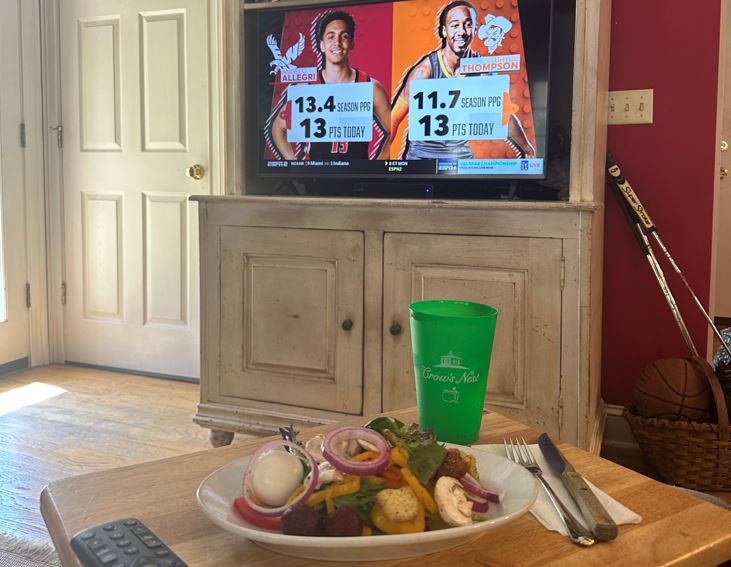
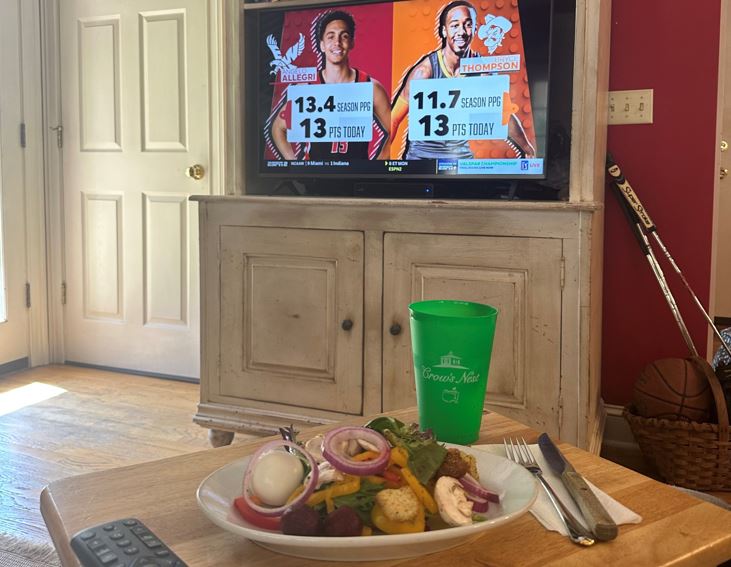
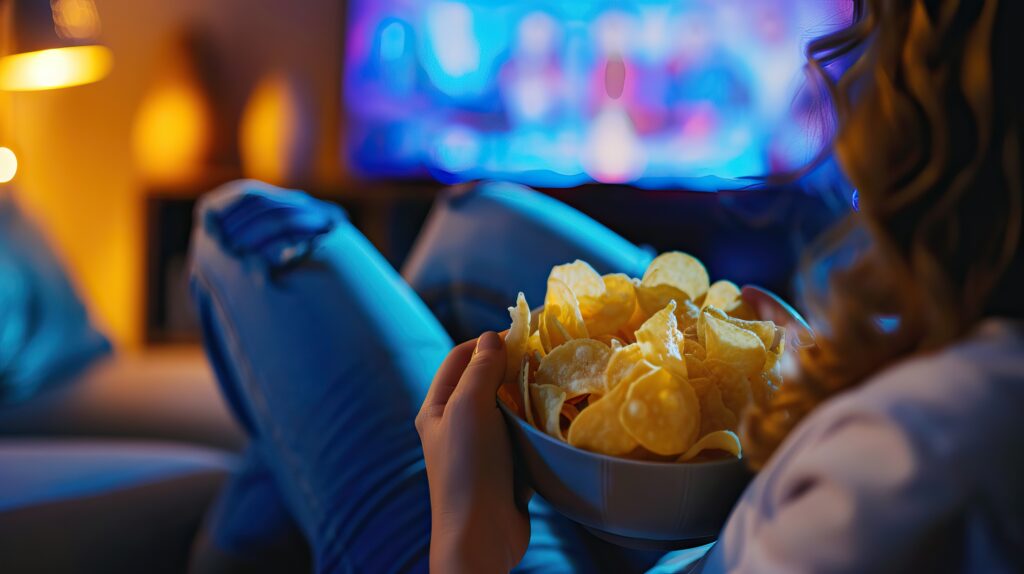
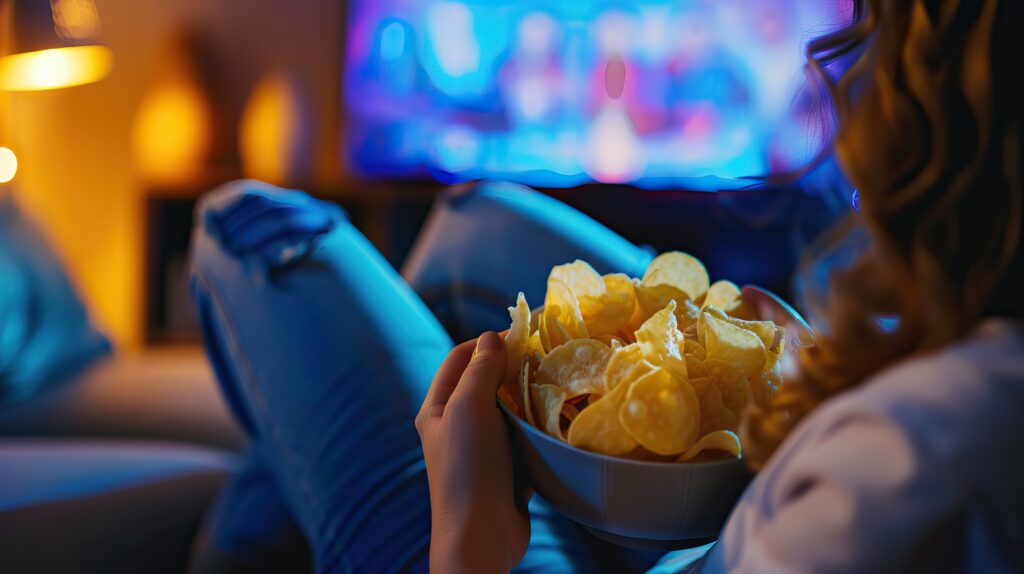
In today’s fast-changing restaurant scene, technology is joining forces with cuisine to create a fresh trend: dining spaces that include television screens. By blending visual media with meals, operators aim to craft an immersive atmosphere that entertains guests while they eat. This article examines the idea, its promise, and what it could mean for tomorrow’s restaurants.
The Concept of Food with TVs
Definition and Evolution

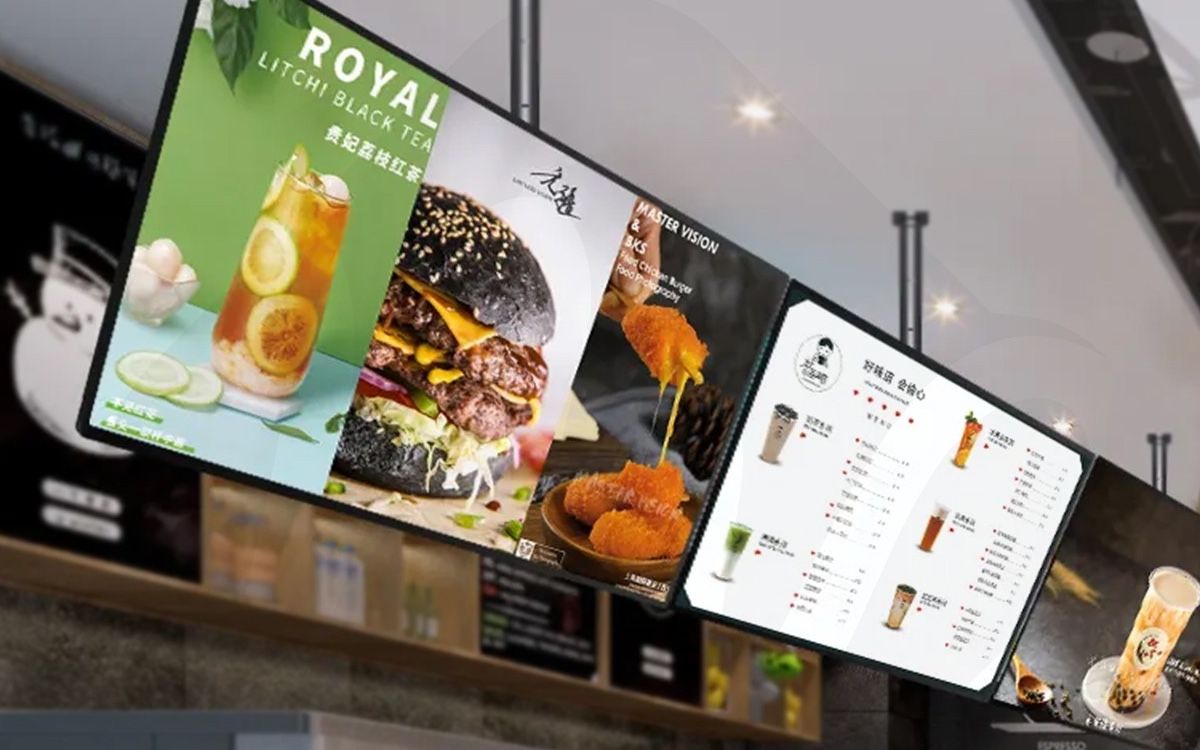
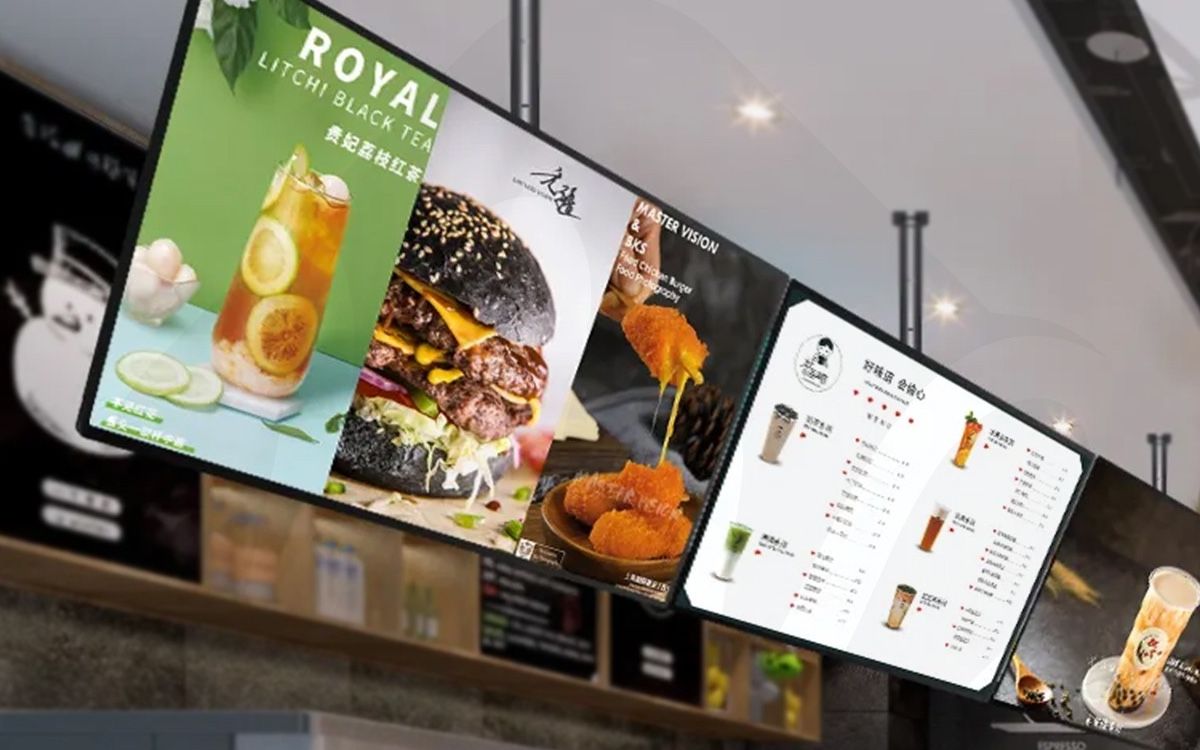
“Food with TVs” describes any eatery that positions screens within sight of diners, letting them watch shows, clips, or interactive content during the meal. Early attempts relied on simple wall-mounted monitors; newer versions offer personal displays that guests can control from their tables.
Examples of Implementation
Venues on several continents have adopted the approach. Some serve multi-course menus inside private booths fitted with high-definition panels, while others place small screens directly into tables, giving every guest a personalized feed of sports, art, or short films.
The Benefits of Food with TVs
Enhanced Dining Experience

Moving images can turn an ordinary dinner into an event. When visuals complement the theme of the cuisine—say, ocean footage alongside seafood—patrons often report stronger emotional connections to the meal and a greater likelihood of returning.
Increased Revenue Potential
A memorable setting encourages longer stays and higher spend per cover. Families, tourists, and experience-seekers are drawn to the novelty, broadening the customer base beyond traditional food-focused guests.
Marketing Opportunities
Distinctive interiors naturally generate social-media posts and word-of-mouth buzz. By highlighting the audiovisual element in promotions, restaurants can stand out in crowded markets and attract coverage from lifestyle outlets.
The Challenges of Food with TVs
Distraction and Disturbance
Not everyone welcomes flickering lights or sound. If volume and content are poorly managed, conversation can suffer and overall satisfaction may drop.
Cost and Maintenance
Hardware, licensing fees, and routine repairs raise overhead. Units must withstand spills, heat, and constant cleaning without breaking down during service.
Privacy Concerns
Visible screens can make some guests feel exposed, especially if cameras or interactive features seem to watch them in return. Clear policies on data use and camera placement help ease discomfort.
Case Studies and Research
Case Study 1: Luxury Resort in the Desert
A well-known resort introduced curtained “mini-cinemas” where tasting menus are served during short films. Online reviews praise the escapism, though a few visitors note the food can feel secondary to the show.
Case Study 2: Tokyo Tech-Themed Café
A café in Japan embeds slim screens into individual trays, looping animations that match each dish’s origin. Customers enjoy the synchronization, but critics question whether the gadgetry overshadows flavor.
Research Findings
Academic work from a metropolitan university suggests that audiovisual additions lift enjoyment only when culinary quality remains high. The same studies stress the importance of aligning content with diner demographics; mismatched programming erases any gain.
Conclusion
Television-enhanced dining is reshaping expectations, offering excitement and new revenue streams while introducing concerns about distraction, cost, and privacy. Operators who weigh these factors thoughtfully are more likely to succeed as the trend matures.
Recommendations and Future Research
Recommendations
Restaurants thinking about screens should:
1. Keep cuisine and service excellence at the center.
2. Survey guests beforehand to confirm demand.
3. Invest in rugged, easy-to-clean displays with individual volume controls.
4. Publish transparent guidelines on privacy and data handling.
Future Research
Scholars could explore:
1. Long-term effects on repeat visits and brand attachment.
2. Financial return on audiovisual installations across different restaurant segments.
3. Emerging technologies—augmented reality, spatial audio—that may further redefine table-side entertainment.
In short, food paired with moving pictures opens fresh creative space for chefs and entrepreneurs alike. By balancing spectacle with substance, venues can craft experiences that resonate long after the screen fades to black.


