
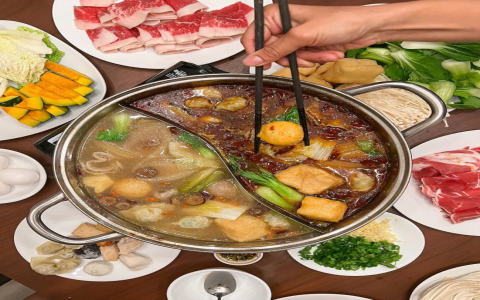

How to Prepare Meals: A Practical Guide to Cooking Methods and Nutrition
Introduction
Preparing meals is a life skill that nourishes both body and mind. Over time, countless techniques have emerged to improve flavor, texture, and nutrient content. This guide outlines the basics of meal preparation, covering core cooking methods, nutritional balance, and safe kitchen practices.
Cooking Techniques
1. Boiling
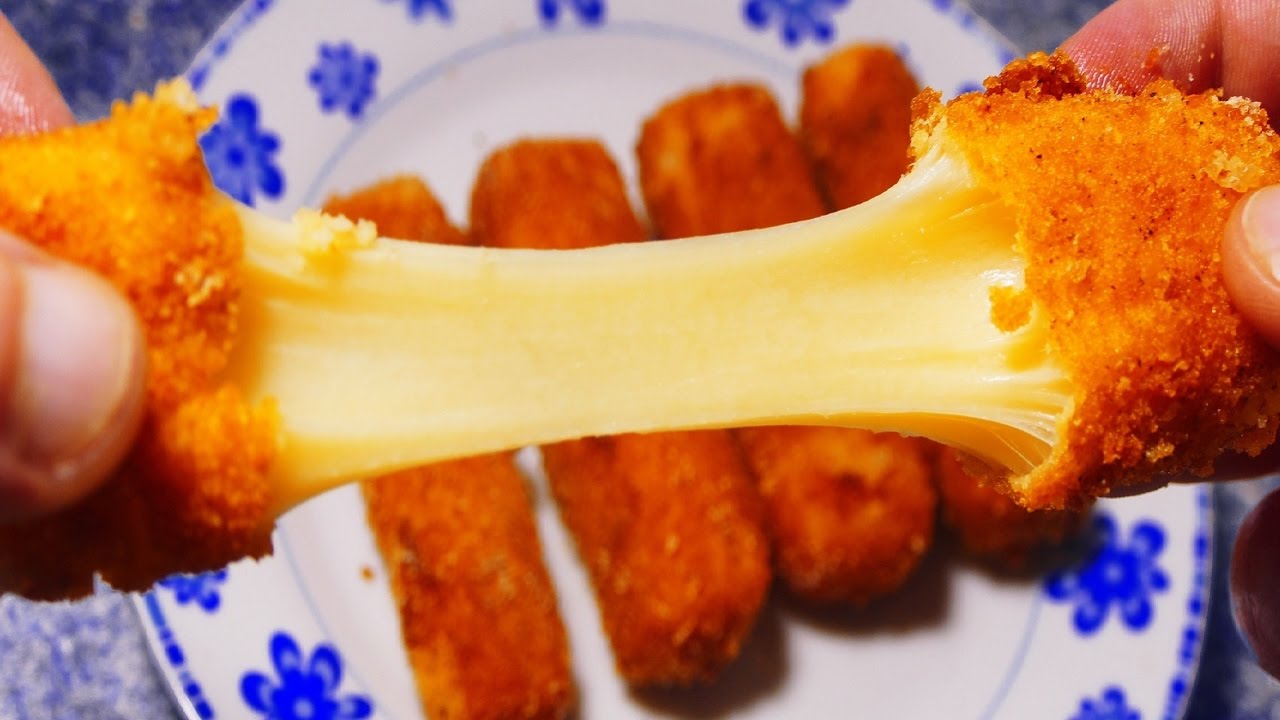
Boiling submerges ingredients in bubbling water. It works well for pasta, grains, and most vegetables. Follow these steps:
1. Bring a pot of water to a steady boil.
2. Add the ingredient and stir gently to prevent sticking.
3. When tender, drain and serve promptly.
2. Baking
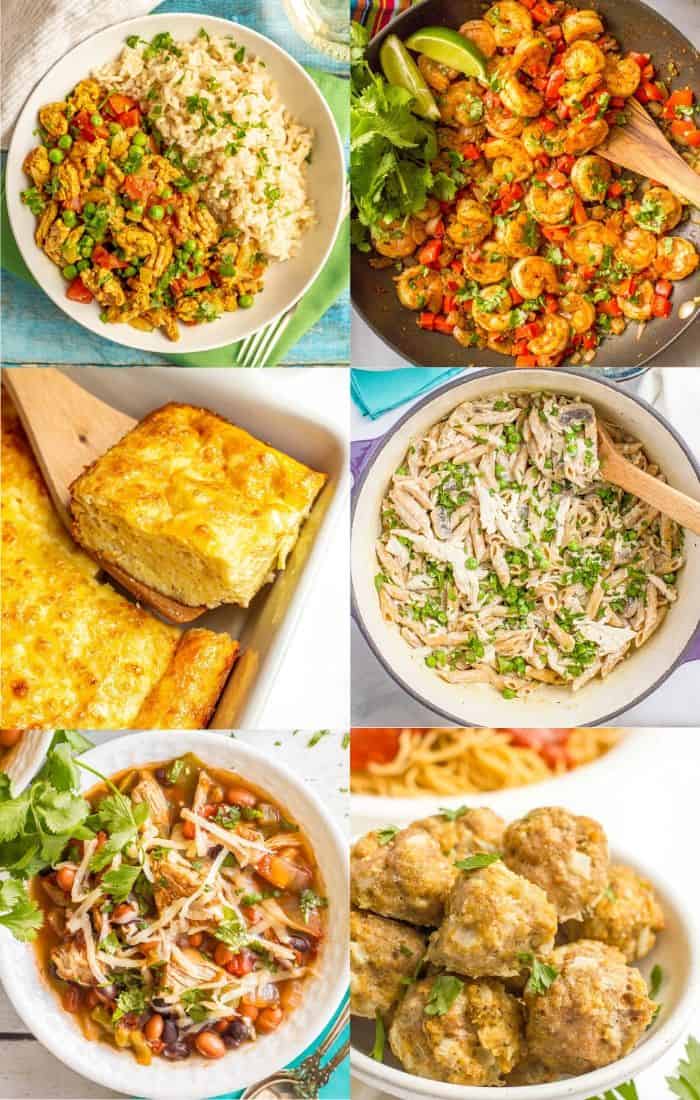
Baking uses dry oven heat to cook food through. It is ideal for bread, casseroles, and desserts. Here is a simple approach:
1. Preheat the oven to the suggested temperature.
2. Combine ingredients, place in a suitable dish, and level the surface.
3. Bake until golden or until a tester comes out clean.
3. Frying
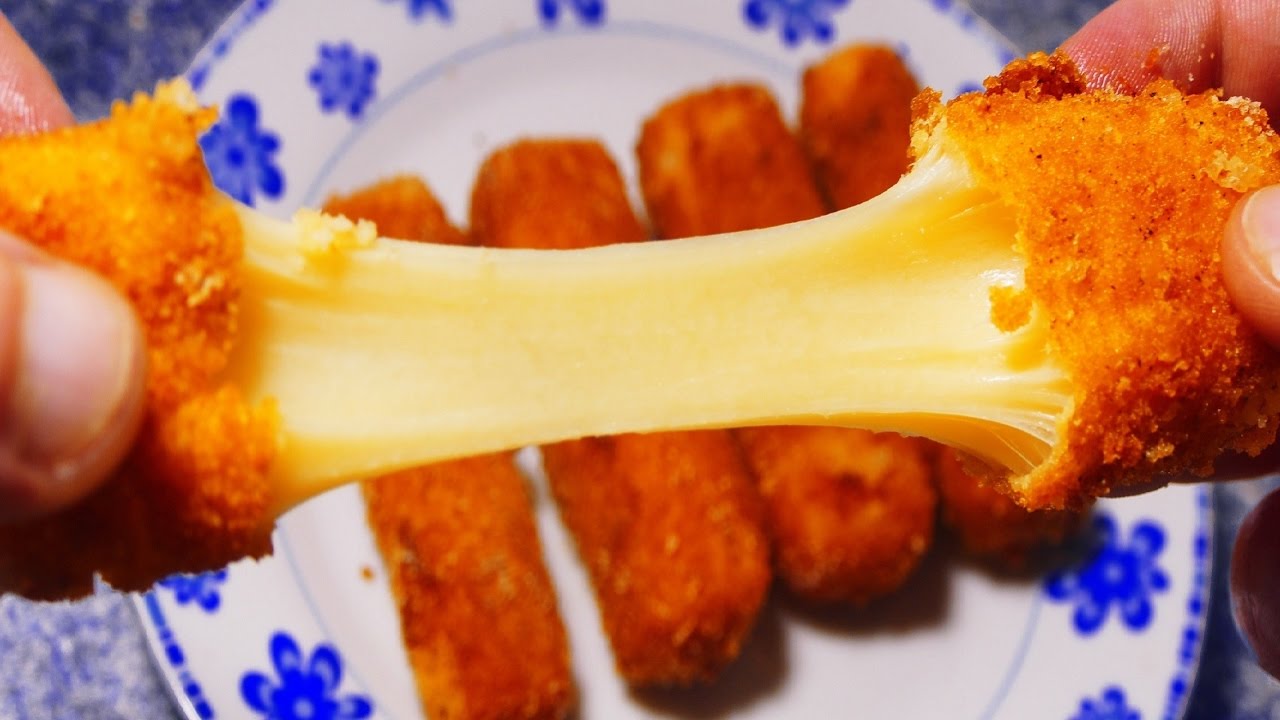
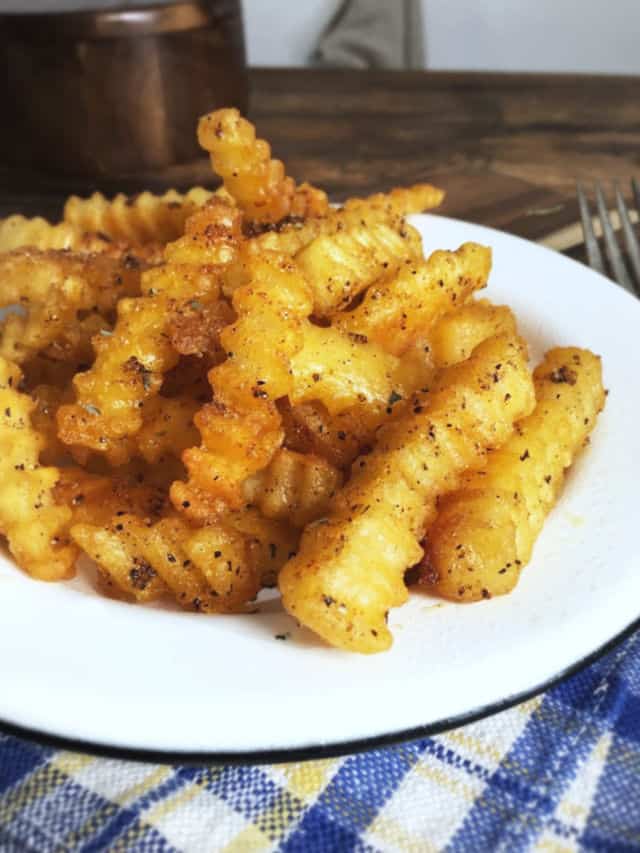
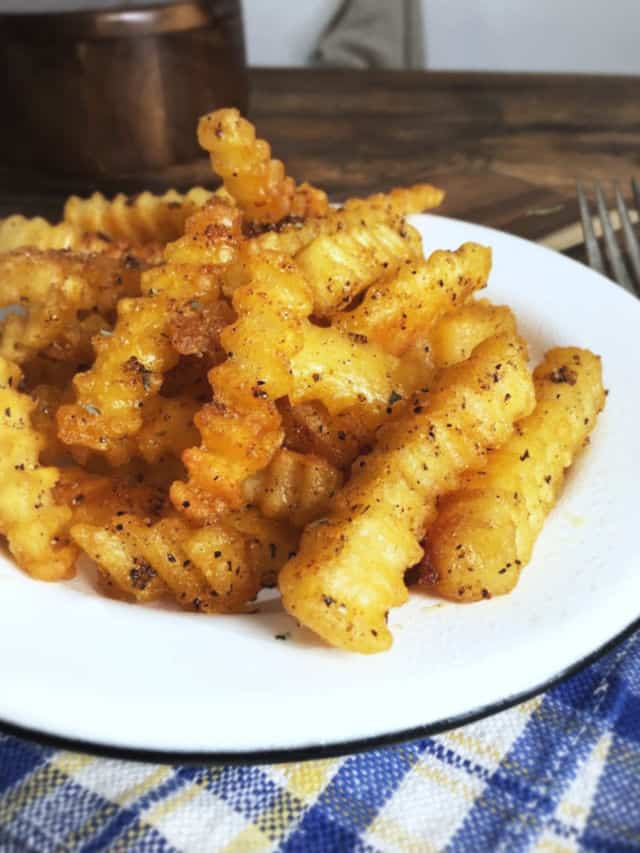
Frying cooks food in hot oil, creating a crisp exterior. Use it for items like cutlets or potato sides. Proceed as follows:
1. Heat a thin layer of oil in a heavy pan over moderate heat.
2. Add food in small batches to avoid temperature drops.
3. Turn once, cook to an even color, then blot on absorbent paper.
4. Grilling
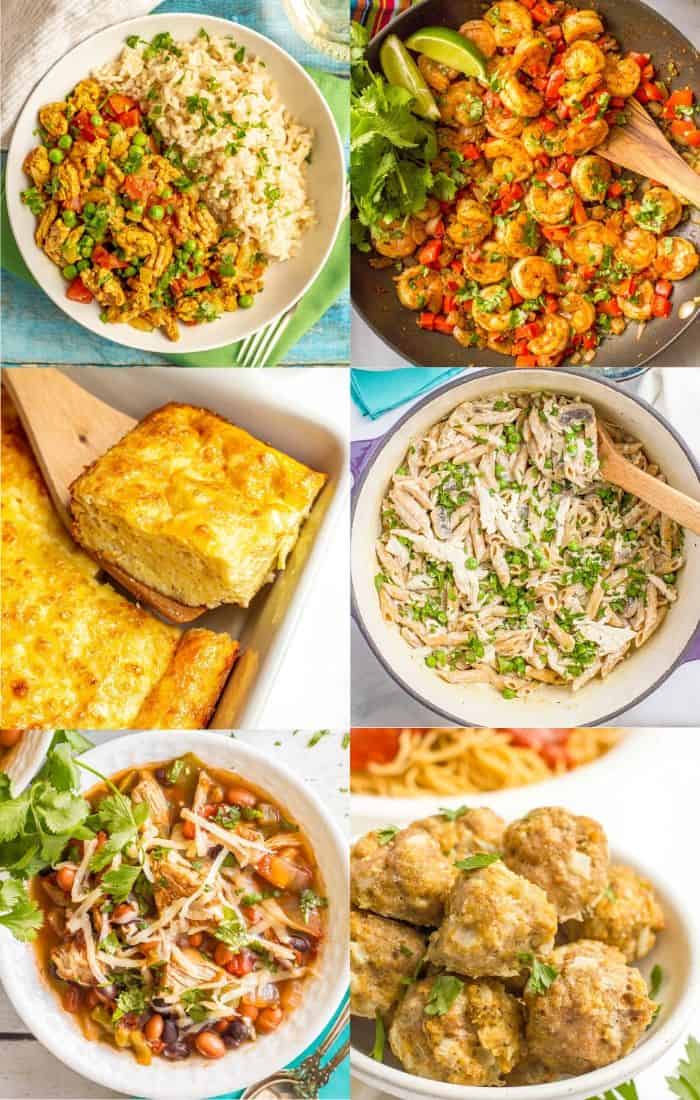
Grilling exposes food to direct heat from below, lending smoky notes. It suits burgers, firm fish, and sliced vegetables. Try these steps:
1. Preheat the grill to medium-high.
2. Lightly oil the grate and arrange food in a single layer.
3. Flip halfway through for uniform grill marks and doneness.
Nutritional Considerations
1. Balancing Macronutrients
A balanced plate includes carbohydrates for energy, protein for repair, and healthy fats for satiety. Rotate whole grains, legumes, lean meats, and plant oils to cover these needs.
2. Incorporating Micronutrients
Vitamins and minerals support immunity and metabolism. Fill half the plate with colorful produce, add leafy greens, and choose unrefined staples to boost micronutrient intake.
3. Portion Control
Moderation prevents excess calories. Use smaller plates, serve vegetables first, and pause before seconds to let satiety signals catch up.
Importance of Food Preparation
Thoughtful prep safeguards flavor and wellness. Key points include:
1. Food Safety
Wash hands often, separate raw and cooked items, and cook to safe internal temperatures to reduce the risk of illness.

2. Nutrient Retention
Gentle methods like steaming or quick sautéing preserve water-soluble vitamins. Cut vegetables just before cooking and keep cooking times brief.
3. Improved Taste and Texture
Fresh herbs, citrus zest, and short marinating times heighten flavor without extra salt. Uniform cutting ensures even cooking and pleasant texture.
Conclusion

Mastering basic cooking techniques and nutrition principles empowers anyone to create wholesome, enjoyable meals. Safe handling and mindful portions round out the process, supporting long-term well-being.
Recommendations and Future Research
To keep growing in the kitchen:
1. Join local or online classes to practice new skills and cuisines.
2. Explore diverse cookbooks and reputable food websites for inspiration.
3. Follow updates from public health agencies on nutrition and safety guidelines.
Areas for further study include:
1. Novel cooking methods that maximize nutrient retention.
2. Comparative effects of heat sources on food quality.
3. Role of kitchen hygiene in lowering contamination risks.
Continual learning ensures every meal is both safe and satisfying.


