
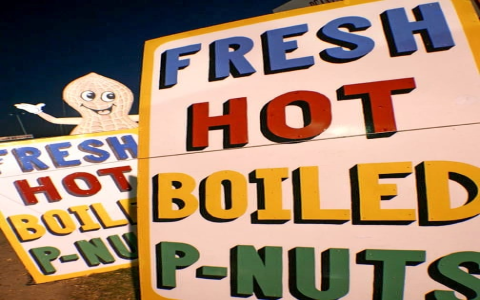

National Boiled Peanut Day: A Celebration of a Simple Delight
Introduction
National Boiled Peanut Day, observed each year on the first Saturday of November, spotlights the modest boiled peanut. This unassuming snack carries a long heritage and resonates with many cultures. In the following paragraphs we look at how the day began, the place of boiled peanuts in regional traditions, their health perks, their role in local economies, and what tomorrow might hold for this comforting food.
The Origins of National Boiled Peanut Day
The celebration was launched to recognize the peanut’s versatility and nutrient density, and to remind people how easily it fits into balanced eating. Early November was picked because it falls within the main harvest window, when fresh peanuts are most plentiful and flavors are at their peak.
The Cultural Significance of Boiled Peanuts
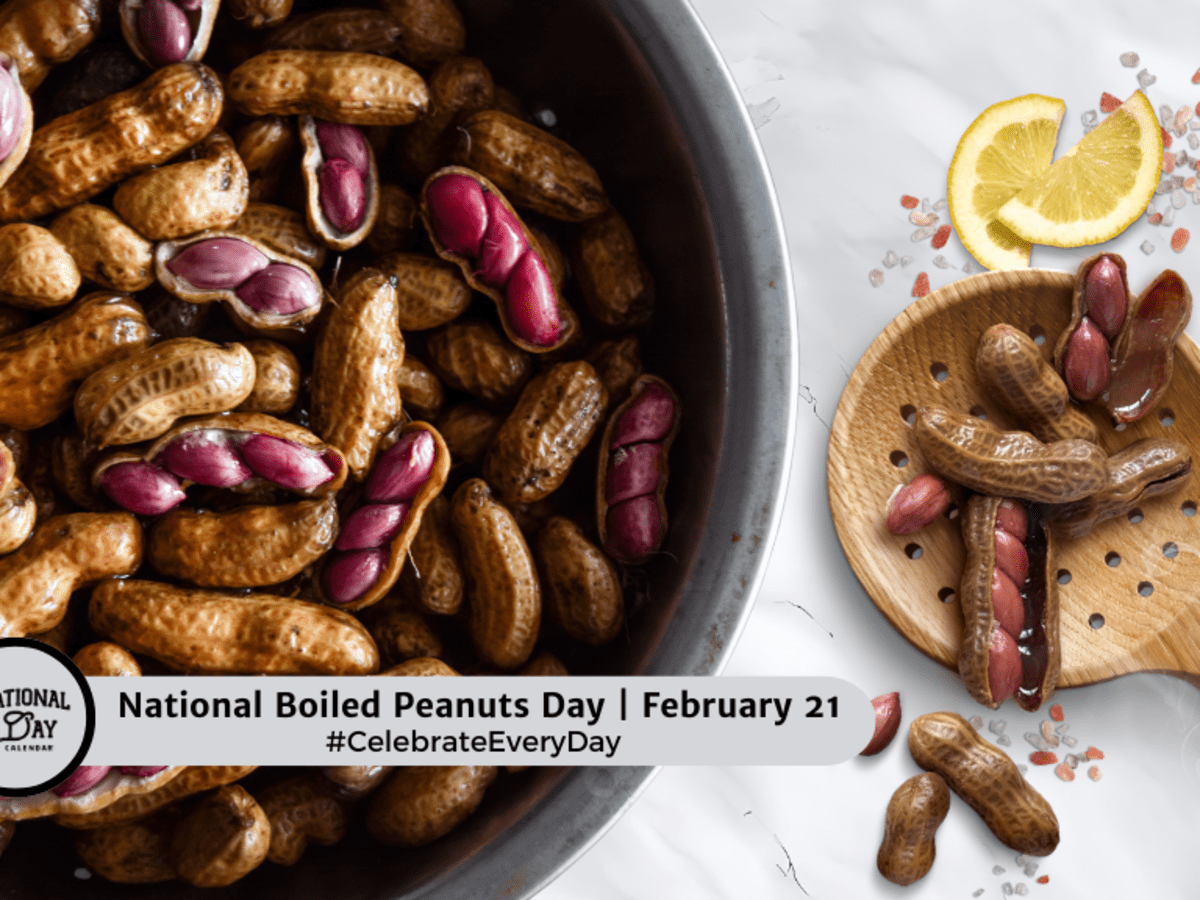
In the American South, roadside stands sell paper bags of hot, salty boiled peanuts to beach-goers, sports fans, and families on weekend drives. Across parts of West and East Africa, vendors simmer peanuts with fragrant spices, offering them as an affordable street bite. In several Asian cuisines, gently boiled peanuts appear at the table as a light appetizer or a cooling side dish, prized for their soft texture and subtle taste. From county fairs in the countryside to night markets in bustling cities, the snack bridges generations and geographies.
Nutritional Benefits of Boiled Peanuts
Because they are cooked in the shell, boiled peanuts retain more antioxidants than their roasted cousins. Each serving supplies plant protein, heart-friendly unsaturated fats, and useful amounts of vitamin E, magnesium, and potassium. The combination supports muscle repair, helps maintain normal blood pressure, and contributes to overall cardiovascular wellness. Enjoyed in sensible portions, they can satisfy hunger without heavily salted coatings or added sugars.
The Economic Impact of Boiled Peanuts
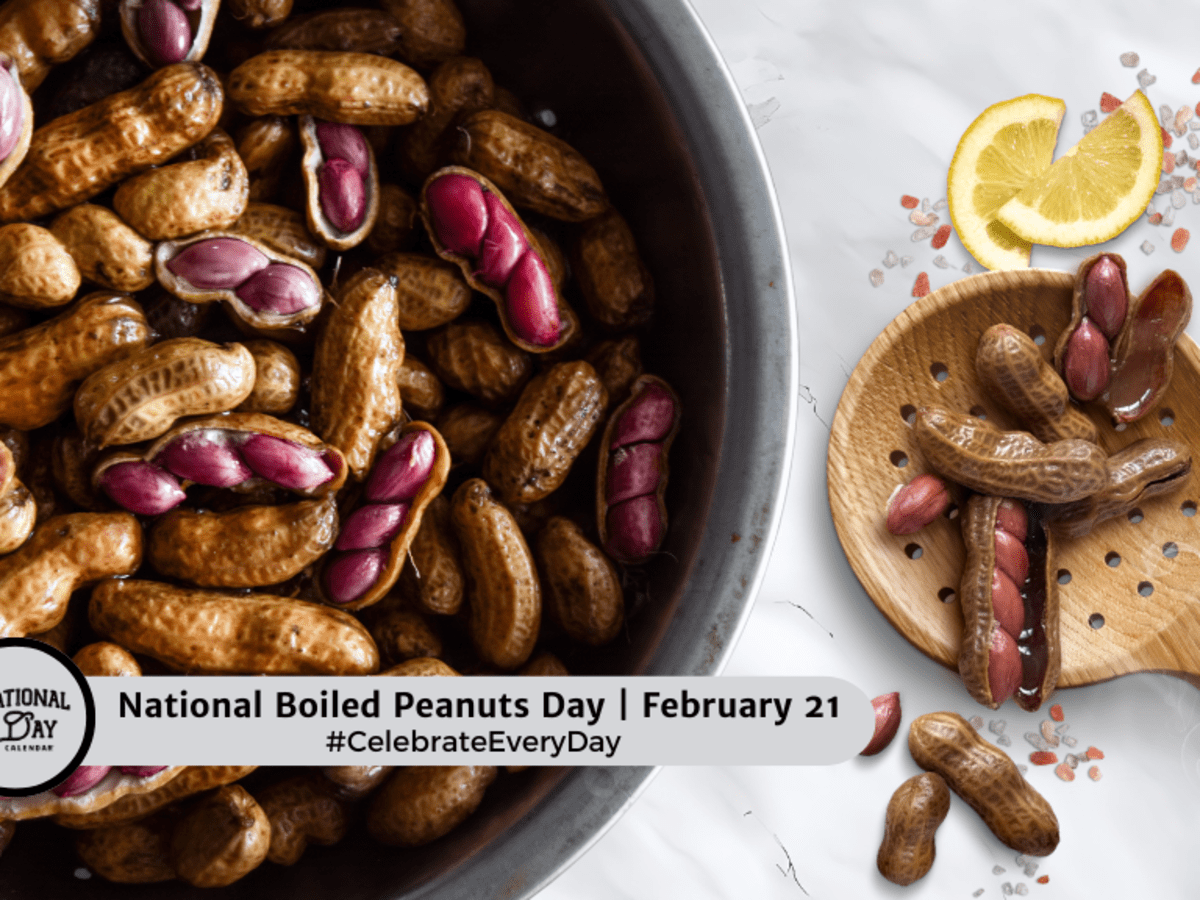
Farmers, small-batch processors, and local grocers all benefit from the steady appetite for boiled peanuts. Roadside booths create seasonal income, while larger facilities freeze or can the product for year-round sales. The ripple effect reaches transport companies, spice suppliers, and packaging makers, anchoring employment in rural towns and keeping traditional foodways alive.
The Future of Boiled Peanuts
As shoppers look for wholesome, minimally processed foods, boiled peanuts stand out: they are naturally gluten-free, vegetarian, and free of major allergens beyond peanut itself. Producers are experimenting with lighter brines, herb infusions, and compostable pouches to attract health-minded and eco-conscious buyers. Plant scientists, meanwhile, are exploring drought-resistant varieties that could expand cultivation while using fewer resources.
Conclusion
National Boiled Peanut Day is more than a quirky food holiday; it is a nod to an affordable, nutrient-rich snack that travels well, tastes comforting, and supports livelihoods from field to market. By blending tradition with thoughtful innovation, boiled peanuts can remain a favorite for many seasons to come.
Recommendations and Future Research
Public-interest groups and culinary schools could team up to showcase boiled peanuts in cooking demos, highlighting lower-sodium recipes and creative seasoning blends. Researchers might investigate energy-efficient boiling methods and biodegradable wraps that keep the peanuts fresh without plastic. Continued study of the legume’s full antioxidant profile and its potential in sustainable product lines can guide both nutrition advice and agricultural planning.
In the end, National Boiled Peanut Day invites everyone to pause, peel a shell, and appreciate how a simple ingredient can nourish people, communities, and perhaps the planet itself.


