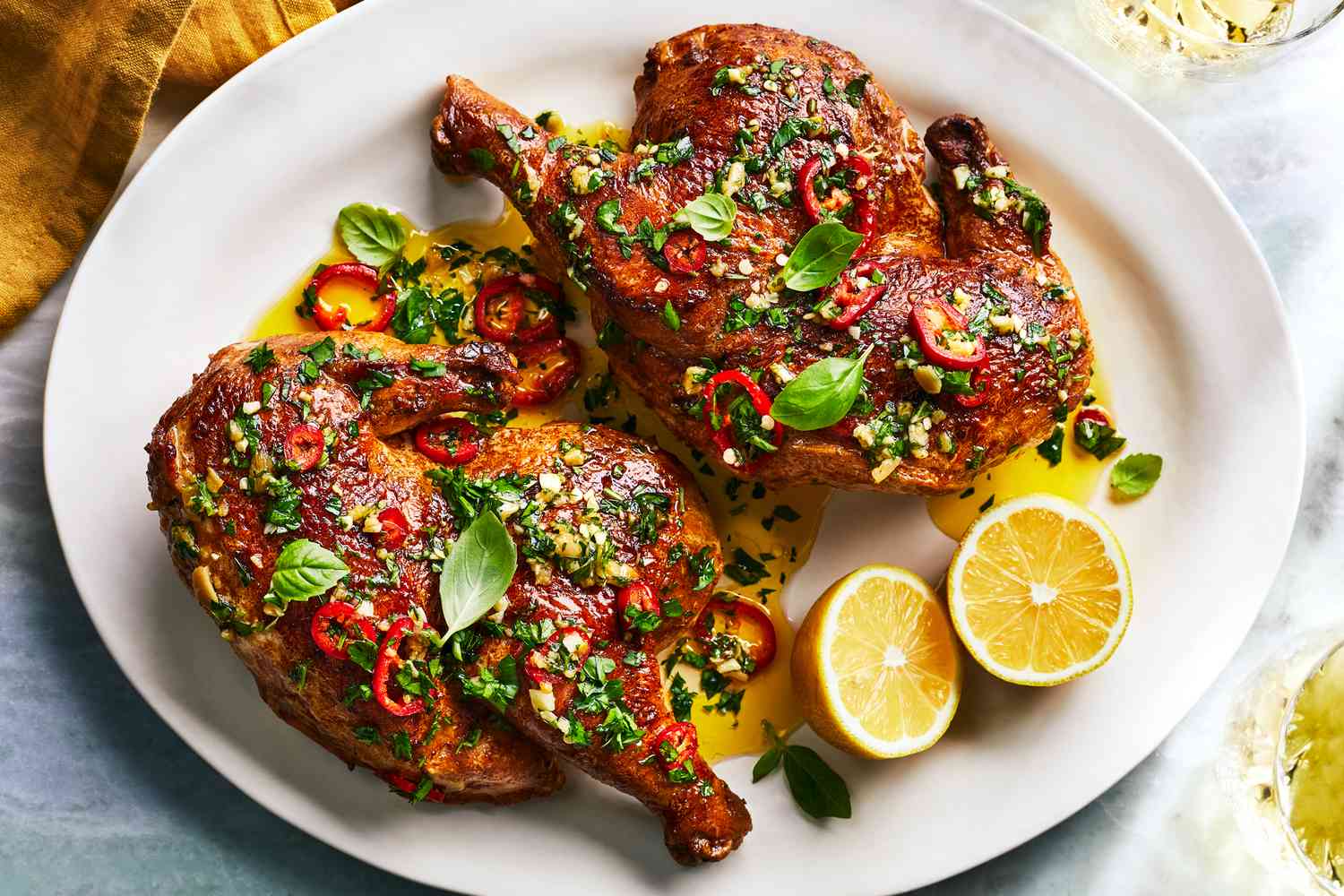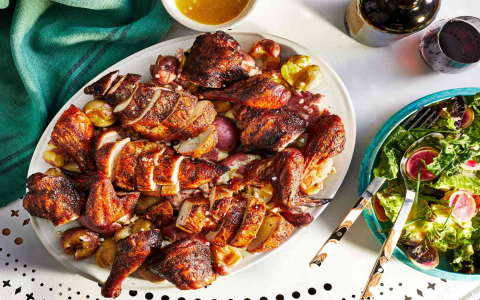

The Global Flavors of Chicken Dishes: A Culinary Journey
Introduction
Chicken, a versatile and widely loved protein, appears on tables in countless forms around the world. Each region has developed its own signature preparations, reflecting local tastes, available ingredients, and centuries-old customs. This article invites you to explore celebrated chicken recipes from many continents, tracing their background, distinctive seasonings, and the role they play in everyday life and special occasions.
The Origins of Chicken Dishes
1.1 Early Domestication
Evidence suggests that chickens were first domesticated in parts of Asia many millennia ago. From those early farming communities, the birds traveled along land and maritime routes, gradually becoming an everyday food source and, in some societies, a symbol of fortune and festivity.
1.2 Worldwide Adoption
As commerce grew, chicken farming spread across Europe, the Middle East, and beyond. By the medieval period, raising chickens for meat and eggs was common in both rural villages and growing towns, laying the groundwork for the regional recipes that continue to evolve today.
The Unique Flavors of Chicken Dishes
2.1 Asian Specialties
Asian kitchens are famous for layering sweet, salty, sour, and spicy notes in a single dish. Stir-fries may combine soy, ginger, and dried chilies, while clay-pot preparations slowly simmer chicken with fragrant herbs. In Japan, a glossy teriyaki glaze or a crisp panko crust highlights the careful balance of texture and taste.
Japanese cuisine also boasts a variety of chicken dishes, such as teriyaki chicken and katsu chicken. Teriyaki chicken is glazed with a sweet and savory sauce, while katsu chicken is breaded and deep-fried, offering a crispy outer layer and a tender interior.
2.2 European Classics
European cooks often emphasize seasonal produce and straightforward techniques. A slow braise with wine, mushrooms, and garden herbs produces a hearty, aromatic stew, while a quick pan sauce of lemon and butter keeps the flavor light and fresh. Oven-baked cutlets topped with tomato and cheese illustrate the Italian fondness for bright, comforting combinations.
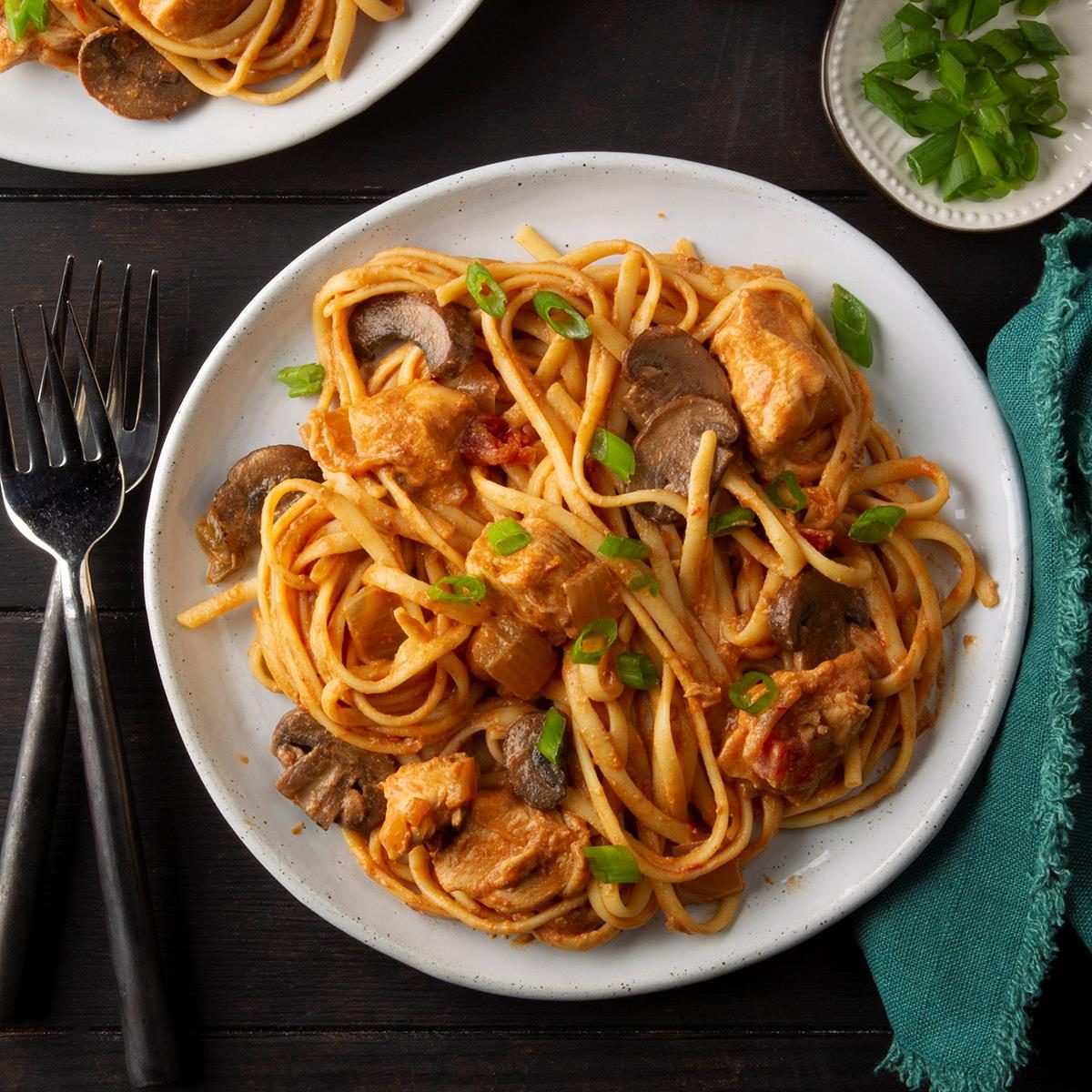
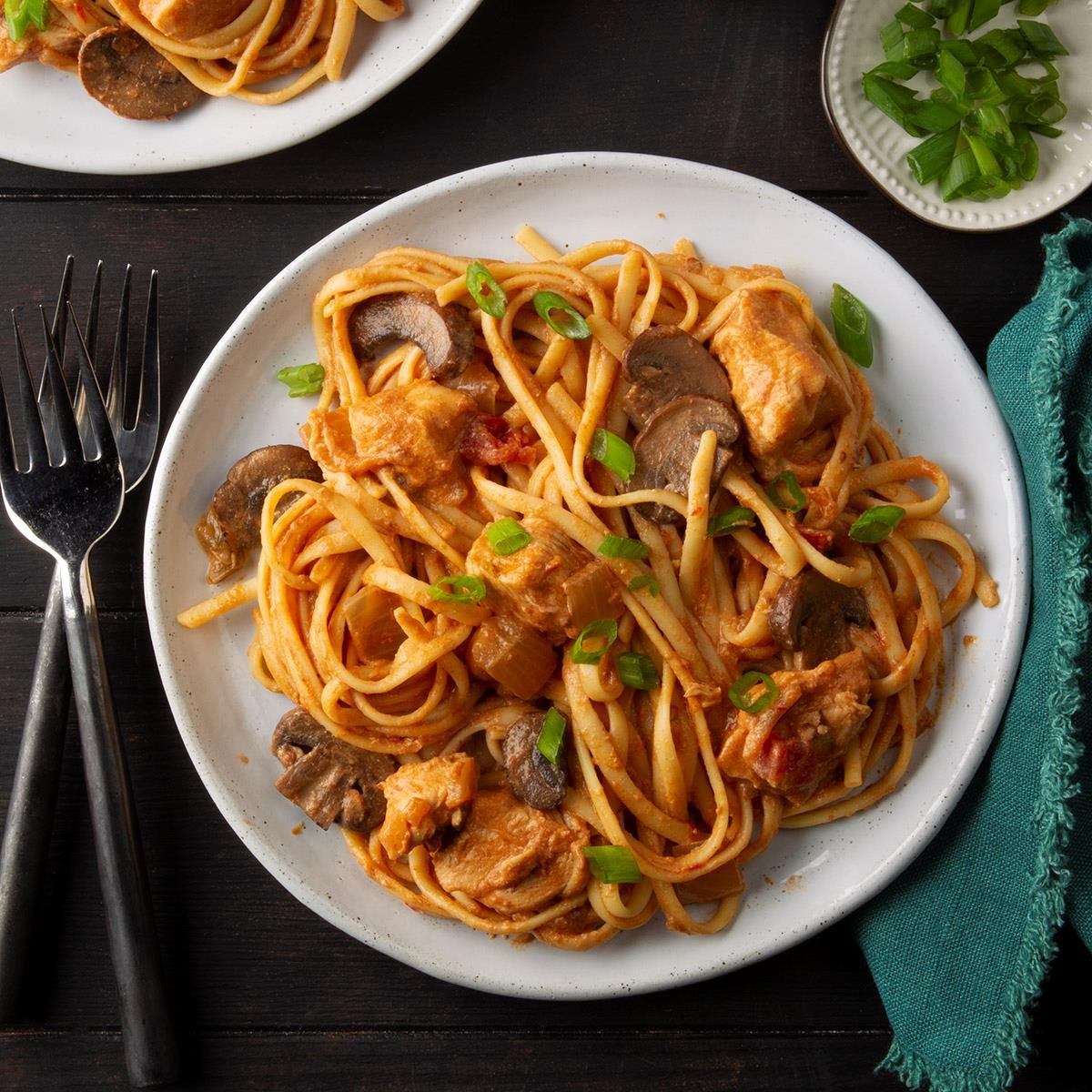
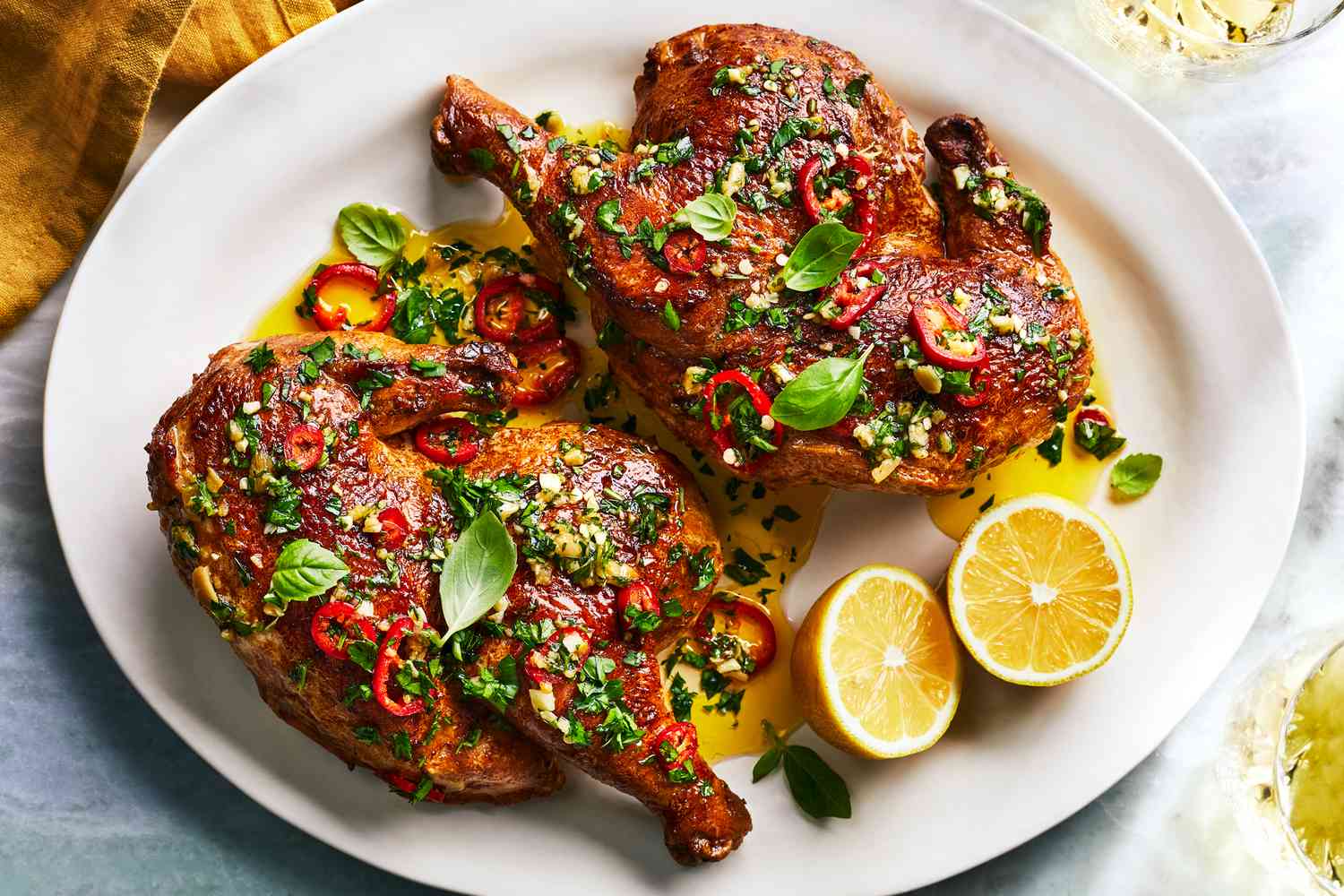
Italian cuisine also features several chicken dishes, such as pollo alla diavola and chicken Parmesan. Pollo alla diavola is a spicy chicken dish that is often served with pasta, while chicken Parmesan is breaded and baked, topped with marinara sauce and mozzarella cheese.
2.3 African Favorites
Across Africa, spice blends and slow-cooking methods transform chicken into richly scented meals. Tagines combine poultry with preserved citrus and olives, while one-pot rice dishes simmer tomatoes, peppers, and warm spices together, allowing every grain to absorb the savory essence of the bird.
The Cultural Significance of Chicken Dishes
3.1 Festivals and Holidays
From New Year gatherings to harvest celebrations, chicken often takes center stage on the festive table. Whether glazed, grilled, or stewed, its presence signals abundance and the sharing of good wishes among family and friends.
3.2 Everyday Hospitality
Because chicken is widely available and generally affordable, it frequently appears at casual get-togethers and community feasts. Serving a generous platter encourages conversation, reinforces bonds, and embodies the spirit of welcome found in many cultures.
Conclusion
Exploring global chicken recipes reveals how a single ingredient can carry the flavors, stories, and values of diverse communities. Each preparation reflects local history and creativity, reminding us that food is both personal and universal. Tasting these dishes, whether in their homeland or adapted abroad, offers a delicious way to appreciate the richness of world cuisine.
Recommendations and Future Research
Home cooks and professional chefs alike can deepen their knowledge by trying new spice combinations, cooking techniques, and regional accompaniments. Studying how recipes travel and transform across borders also sheds light on cultural exchange, sustainability, and the ever-changing nature of what we eat.
In conclusion, chicken dishes are far more than everyday fare; they are edible narratives of human connection. Celebrating them encourages curiosity, respect, and a shared table where traditions old and new can meet.