

The Culinary Showcase: Best Dishes Across Cultures
Introduction
Global cuisine is a vibrant mosaic of flavors, methods, and ingredients. At its center stands the idea of “best dishes,” creations that go beyond personal liking to mirror cultural legacy, creative cooking, and shared memory. This article explores why such dishes matter, what lifts them to fame, and how different cultures express culinary excellence.
The Significance of Best Dishes
Iconic dishes act as edible storytellers, carrying a region’s history, customs, and skill. They survive trends, adapt across generations, and become shorthand for an entire cuisine. Their influence reaches far beyond the plate, shaping how both locals and visitors understand a culture.
Cultural Identity
Signature foods anchor identity. They trigger childhood memories, holiday gatherings, and national pride. A bowl of noodles or a fragrant stew can instantly evoke a sense of home, even when enjoyed thousands of miles away.
Culinary Innovation
The quest to refine beloved recipes sparks creativity. Cooks experiment with new pairings, techniques, and presentations, refreshing tradition while pushing the whole culinary world forward.
Factors Contributing to the Acclaim of Best Dishes
Several elements help a dish rise to celebrated status: flavor balance, visual appeal, historical depth, and social influence.
Taste
Above all, the dish must taste remarkable. Fresh produce, harmonious seasoning, and precise cooking turn simple components into something memorable.
Presentation
Colors, shapes, and arrangement on the plate heighten anticipation. Thoughtful plating signals care and respect for both the food and the guest.
Historical Significance
Recipes preserved for centuries link diners to ancestors, offering a bite of continuity in a fast-changing world.
Cultural Impact
When a regional specialty spreads to other tables worldwide, it becomes a shared culinary language, fostering curiosity and connection.
Diverse Representations of Best Dishes Across Cultures
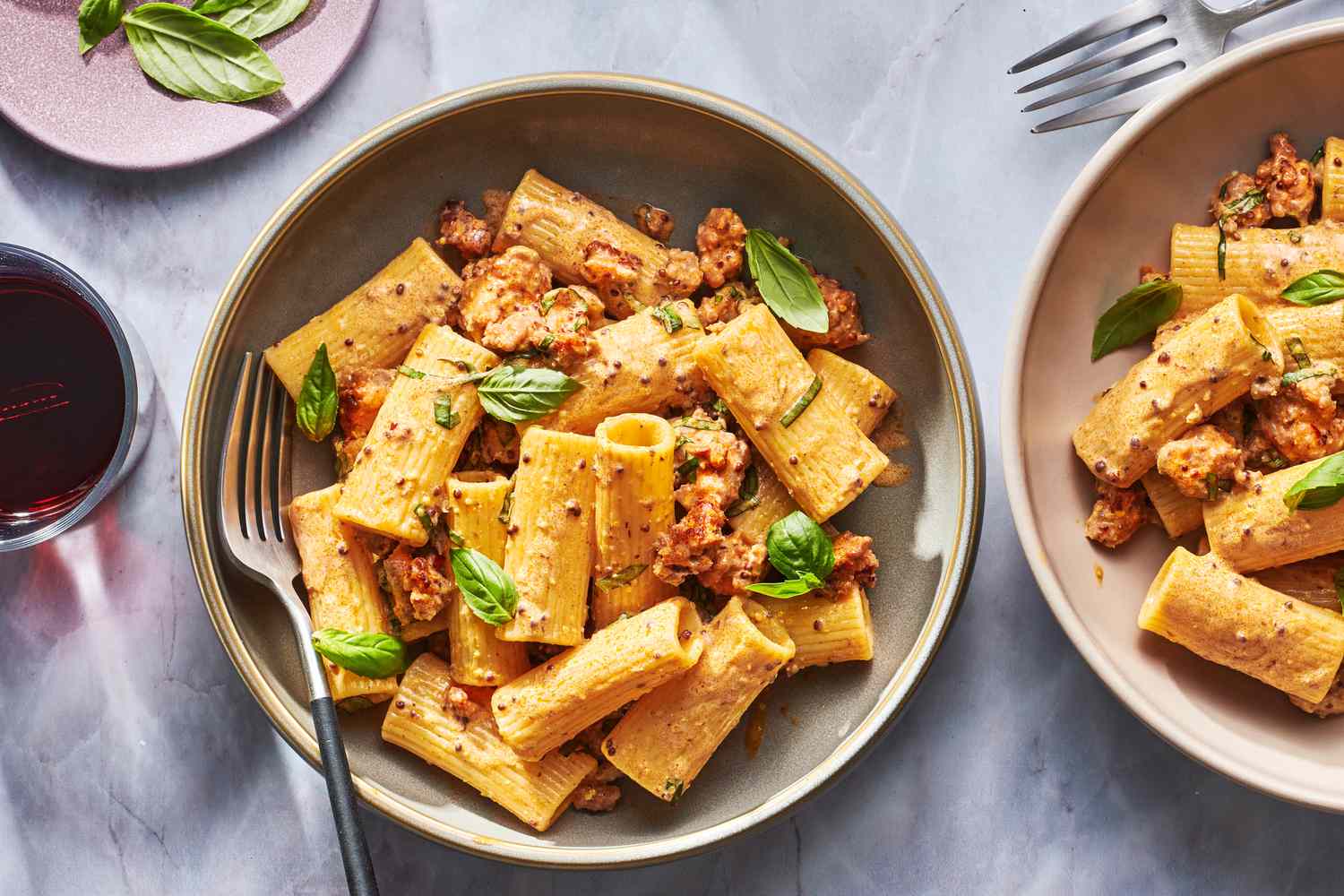
Every cuisine offers flagship plates that invite exploration. Here are a few highlights:
Italian Cuisine
Italian cooking prizes clarity of flavor. Classics include:
–
Spaghetti Carbonara
Silky pasta tossed with cured pork, egg, sharp cheese, and black pepper.

–
Lasagna
Sheets of pasta layered with meat sauce, creamy béchamel, and grated cheese, baked until bubbling.
Japanese Cuisine
Japanese dishes celebrate seasonal purity. Standouts include:
–
Sushi
Vinegared rice paired with seafood or vegetables, often wrapped in seaweed.
–
Sashimi
Delicate slices of raw fish served simply with soy and wasabi.
Indian Cuisine
Indian fare is famed for layered spice notes. Favorites include:

–
Chicken Tikka Masala
Charred chicken pieces simmered in a spiced tomato gravy.
–
Butter Chicken
Tender chicken in a velvety tomato-cream sauce fragrant with mild spices.
Spanish Cuisine

Spanish tables mix land and sea in colorful ways. Signature examples include:
–
Paella
Saffron-tinted rice cooked with an assortment of seafood, meats, and vegetables.
–
Tapas
Small plates meant for sharing, from olives to grilled shrimp.
Conclusion
Great dishes do more than satisfy hunger; they narrate centuries of tradition, adaptation, and shared pleasure. Flavor, artistry, history, and cultural reach all play a part in earning them acclaim. By tasting these specialties, we learn the stories of those who created them and keep the conversation between past and future alive.
Tomorrow’s cooks will continue to reinvent classics, ensuring the list of beloved dishes keeps growing. For now, each iconic plate remains an open invitation to explore the world one bite at a time.


