

Title: The Art and Science of Dish Names: A Comprehensive Analysis
Introduction:
Names on a menu do far more than identify food; they set expectations, spark curiosity, and frame the entire meal. This article explores how thoughtful titles can guide guest perception, strengthen brand identity, and celebrate culinary heritage without ever sounding forced or overly clever.
Significance of Dish Names in Marketing
A single line of text can steer traffic, shape first impressions, and separate one venue from the next. When words hint at aroma, texture, or story, diners begin to taste the dish in their minds long before it reaches the table.
Research shows that vivid, distinctive titles consistently outperform generic ones on printed menus and delivery apps alike. “Sunset Market Ratatouille,” for instance, tends to outsell a plain “Mixed Vegetable Stew,” proving that a touch of imagination can translate into measurable demand.
Cultural Representation in Dish Names
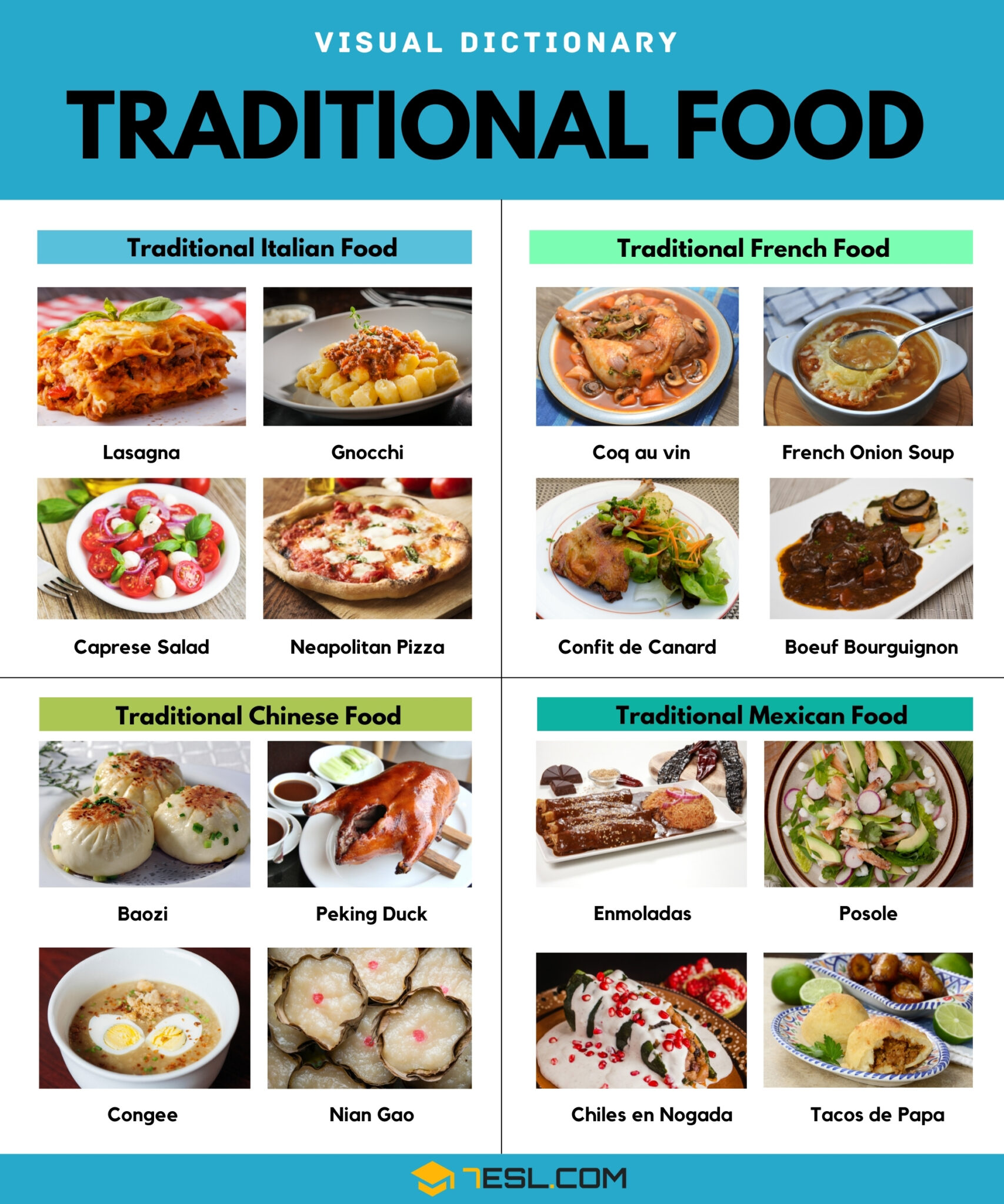
Menu language often carries echoes of geography, season, and tradition. A well-chosen phrase can honor ancestral techniques, spotlight regional produce, and invite guests to travel by fork.
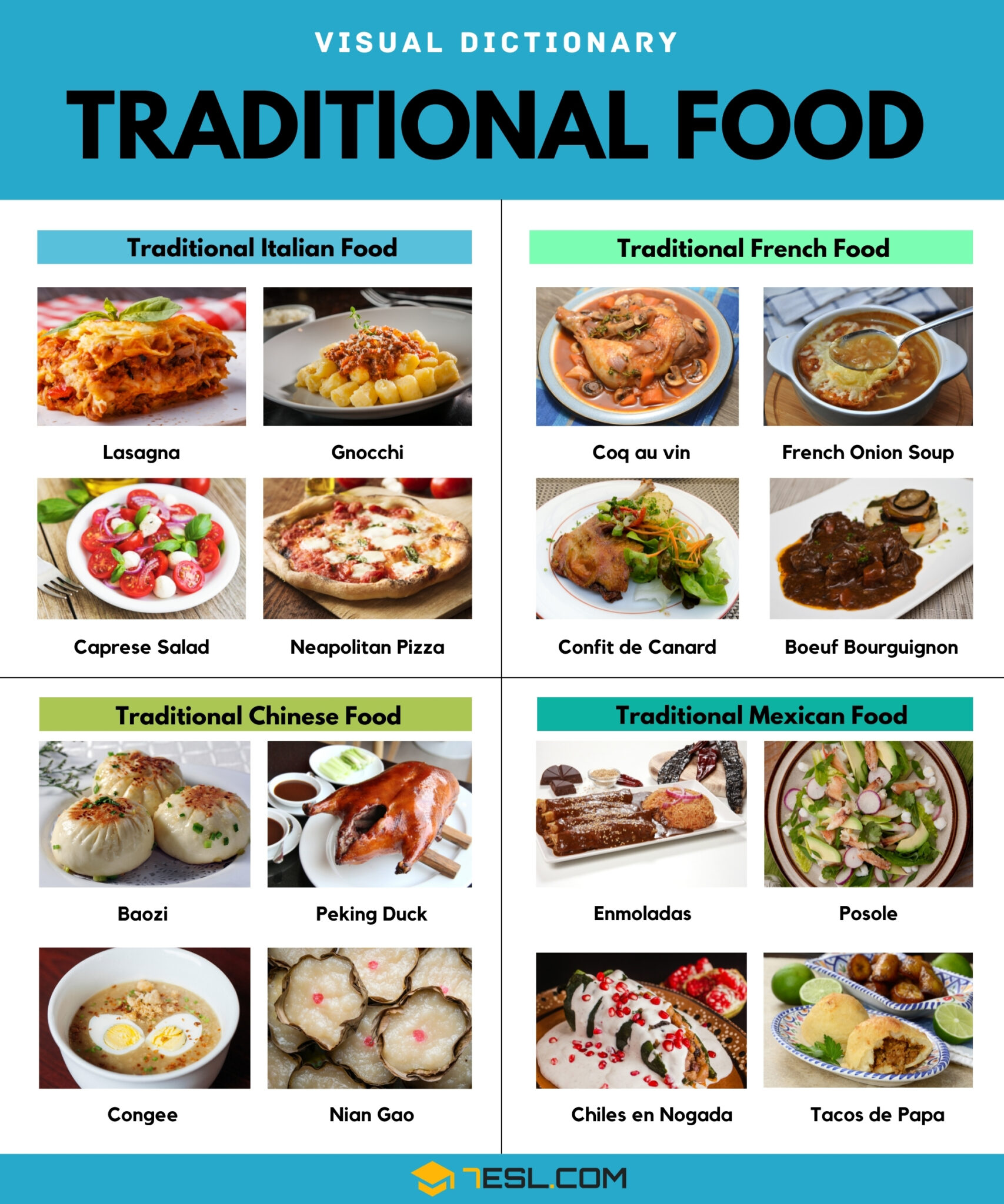
Classic examples—think Spanish paella, Japanese okonomiyaki, or Moroccan tagine—immediately summon images of spice markets, coastal kitchens, and communal tables, enriching the meal with context that extends well beyond flavor.
The Science Behind Effective Dish Names
Several qualities separate forgettable labels from memorable ones:
1. Sound: Short, rhythmic names roll off the tongue and stick in memory. Gentle alliteration or a soft vowel ending can be enough to create recall.
2. Sense: Words should mirror the plate’s core ingredients or cooking style so guests feel guided, not misled.
3. Setting: A nod to origin or occasion fosters familiarity for those who know the reference and curiosity for those who don’t.
4. Emotion: Titles that whisper comfort, celebration, or discovery invite an emotional bid, encouraging diners to choose with their hearts as well as their appetites.
Case Studies: Successful Dish Names
1. “Smash & Stack Burger” – the onomatopoeia hints at the cooking method and promises a tall, juicy bite.
2. “Saigon Street Sandwich” – the subtitle clarifies the classic banh mi for newcomers while keeping the romance of travel.
3. “Nonna’s Wood-Fire Margherita” – a single possessive noun conveys tradition, hearth, and authenticity in four effortless words.
Challenges and Considerations
Creativity must still respect boundaries:
1. Cultural Sensitivity: Borrowed phrases should acknowledge, not caricature, their sources.
2. Legal Clarity: A quick search helps avoid names already trademarked by nearby competitors.
3. Brand Alignment: Every title ought to fit the restaurant’s voice—playful, elegant, rustic, or avant-garde—so the menu reads like one coherent story.
Conclusion:
From street carts to Michelin-starred dining rooms, the right name primes the palate and anchors the brand. By balancing poetry with precision, chefs and owners can turn the humble menu line into an invitation that lingers long after the plate is cleared.


