


The Evolution and Impact of American Recipes: A Culinary Journey
Introduction
The United States, a mosaic of cultures, has developed a vibrant culinary heritage shaped by waves of migration, regional resources, and social change. American recipes have continually evolved, mirroring the nation’s history, landscapes, and shifting demographics. This article traces that evolution, examines the global reach of dishes born in the U.S., and highlights the forces that have guided their development.
The Early Days: Native American Foundations
Pre-Columbian Cuisine

Long before settlers arrived, Indigenous communities cultivated a sophisticated food culture rooted in local agriculture. Corn, beans, and squash—often grown together in a sustainable trio—formed dietary cornerstones. Techniques such as stone-ground corn and clay-pot simmering still echo in modern favorites like hearty bean stews and griddle cakes.
European Settlement and Adaptation
Colonial newcomers brought Old-World recipes but quickly adapted to new ingredients. Wheat breads turned into corn-based loaves, while wild game replaced familiar meats. This blending of traditions produced enduring staples such as skillet cornbread and flaky, campfire biscuits.
The 19th Century: Industry and Immigration
The Industrial Revolution

Railroads, canning jars, and iceboxes transformed kitchens nationwide. Preserved fruits, canned vegetables, and later, packaged cereals expanded the pantry beyond seasonal limits, allowing households to sample flavors from distant states for the first time.
Immigrant Influences
Successive waves of newcomers—from Europe, Asia, and Latin America—introduced noodles, sausages, spices, and stir-fry techniques. Neighborhood bakeries, delicatessens, and chop suey houses turned foreign dishes into everyday American fare, weaving them into the national menu.
The 20th Century: Crisis, Convenience, and Creativity
The Great Depression and World War II
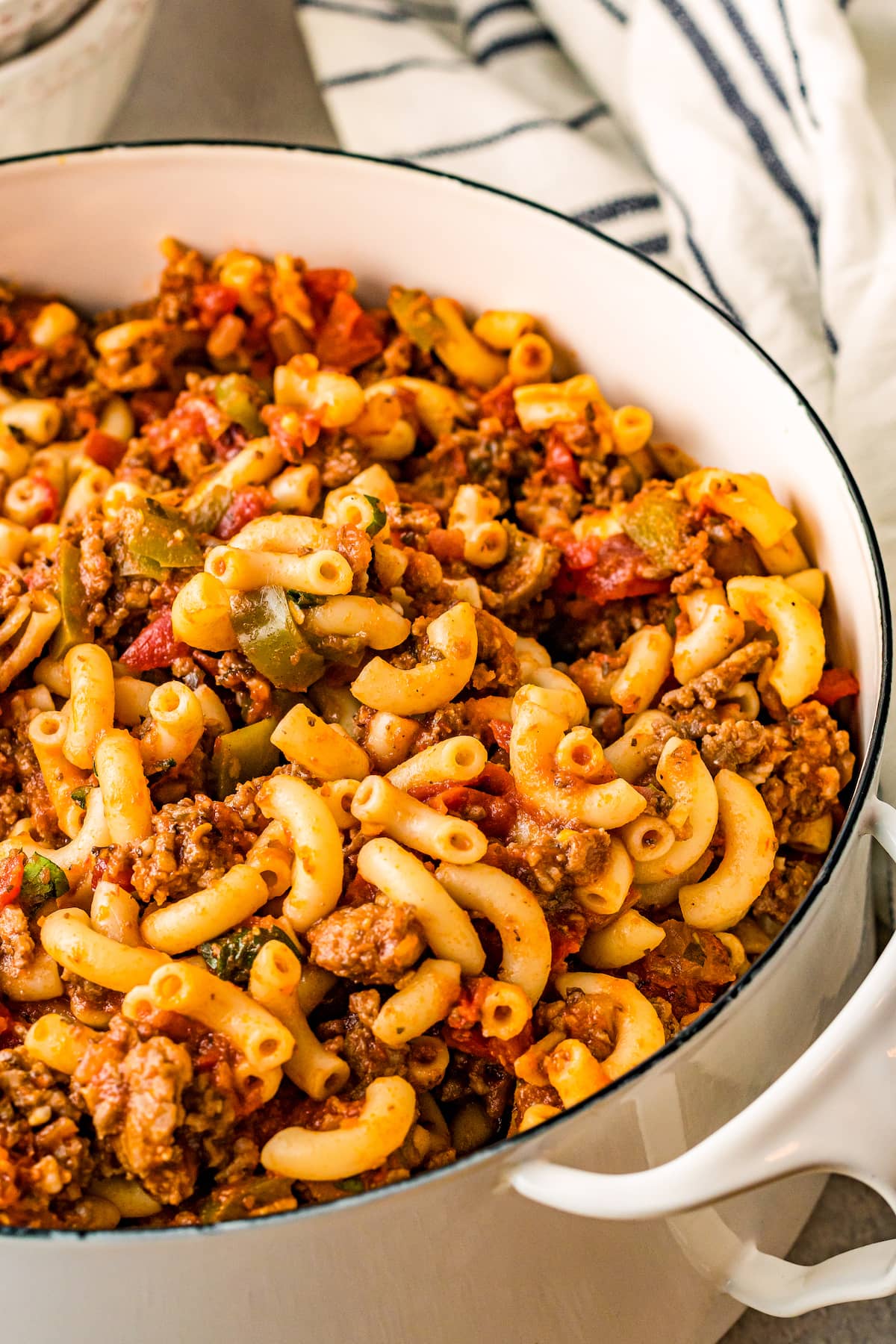
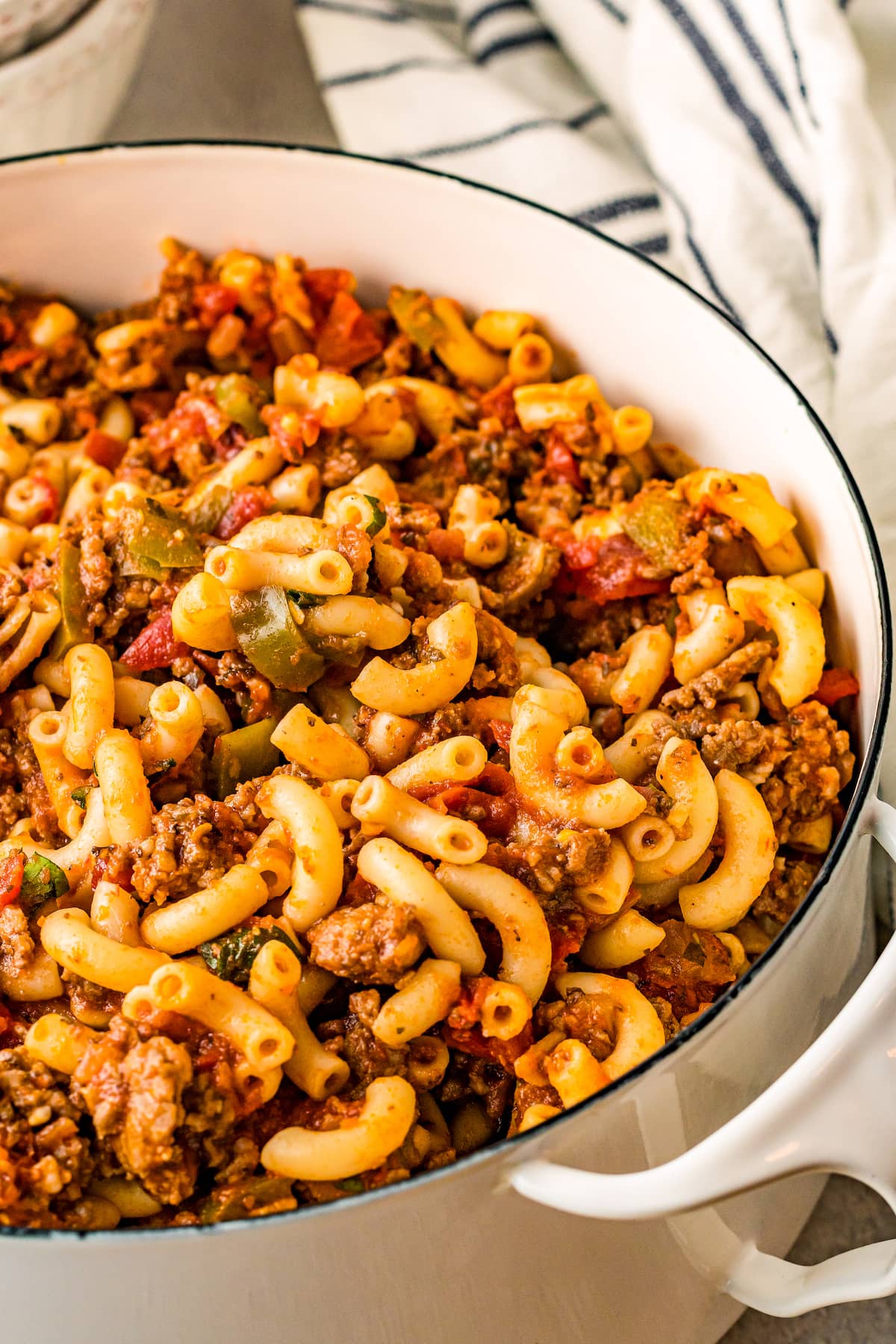
Economic hardship and rationing inspired thrifty, filling meals. One-pot wonders stretching modest portions—such as casseroles and vegetable soups—became household standards, teaching generations to cook with ingenuity rather than abundance.
The Rise of Fast Food and Convenience
Post-war prosperity and highway expansion birthed drive-ins and standardized burger chains. Frozen dinners, instant mashed potatoes, and soda fountains promised speed and consistency, redefining weeknight meals for busy families.
The Culinary Renaissance
Toward the century’s close, chefs and home cooks rediscovered farmers’ markets, heirloom produce, and regional specialties. The farm-to-table movement emphasized seasonal menus, artisan breads, and locally raised meats, sparking a renewed appreciation for culinary roots.
The Global Reach of American Cuisine
Fusion Cuisine
American kitchens became laboratories where global ingredients met classic techniques. Tex-Mex tacos stuffed with Korean-seasoned fillings, or pizzas topped with Thai-inspired sauces, illustrate how U.S. creativity continues to influence menus far beyond its borders.
Culinary Tourism
Travelers now plan trips around signature bites: smoky barbecue, creamy clam chowder, or deep-dish pizza. Food festivals and roadside stands not only satisfy appetites but also sustain local economies and keep regional traditions alive.

Conclusion
From Indigenous agriculture to modern fusion experiments, American recipes chronicle a continual dialogue between tradition and innovation. Each dish carries stories of migration, adaptation, and shared meals, reminding us that the nation’s identity is seasoned by every culture that gathers at its table.
Recommendations and Future Research
To deepen appreciation of this culinary heritage:
1. Support projects that document historic cooking methods and ingredient origins before they fade from memory.

2. Encourage cooking schools to weave regional American cuisines into foundational coursework, giving future chefs fluency in their own edible history.
3. Promote community cook-offs, recipe swaps, and local seed exchanges to safeguard heirloom flavors and keep traditional techniques in daily practice.
By celebrating and studying American recipes, we ensure the nation’s diverse food narrative remains a living, evolving feast for generations to come.


