


The Significance of Meal Timing in Modern Nutrition
Introduction
In today’s busy world, when you eat can be just as important as what you eat. Thoughtful meal timing—planning regular eating windows and consistent intervals—helps steady energy, support metabolism, and simplify healthy choices. This article explores why structured eating patterns matter, how they influence well-being, and practical ways to make them work in everyday life.
The Concept of Meal Timing
Meal timing means setting predictable periods for meals and snacks rather than eating randomly. It involves deciding how often to eat, how much to serve, and which foods best match daily routines. A reliable rhythm trains appetite cues, stabilizes blood sugar, and reduces impulsive nibbling.

Nutritional Balance and Meal Timing
Spacing meals evenly makes it easier to cover all major food groups every day. When the body knows nourishment is coming on schedule, cravings for less-nutritious options often decrease, supporting a naturally balanced plate.
Food Groups and Nutrient Intake
A varied mix of vegetables, fruits, whole grains, lean proteins, and healthy fats can be distributed across the day. Consistent timing encourages inclusion of each group, helping vitamins, minerals, and fiber add up without rigid calculations.
Portion Control

Regular eating moments create natural checkpoints for hunger and fullness. Listening to these signals at set times reduces the chance of extreme hunger that leads to oversized servings or, conversely, skipping meals and missing key nutrients.
Weight Management and Meal Timing
Predictable eating patterns support steady calorie distribution, which can aid weight goals. Balanced meals every few hours keep metabolism active and limit late-night grazing, two factors linked to easier weight maintenance.
Caloric Deficit and Surplus
Whether the aim is gradual loss or gain, planned meals allow mindful adjustment of portion sizes or added snacks. Spreading changes across the day prevents dramatic swings that can affect mood, energy, or muscle retention.

Health Benefits of Meal Timing
Beyond weight, a reliable eating schedule offers wider wellness perks.
Improved Digestion
Eating at similar times daily trains digestive enzymes to release efficiently, easing bloating and supporting regularity.
Increased Energy Levels

Steady fuel every three to four hours sustains glucose availability, translating into consistent focus and fewer mid-afternoon slumps.
Reduced Risk of Chronic Diseases
Balanced portions served on schedule help moderate blood pressure, cholesterol, and insulin response over time, lowering long-term disease risk.
Challenges and Solutions in Meal Scheduling
Even simple plans can meet real-life obstacles; practical tweaks keep the routine alive.
Time Constraints
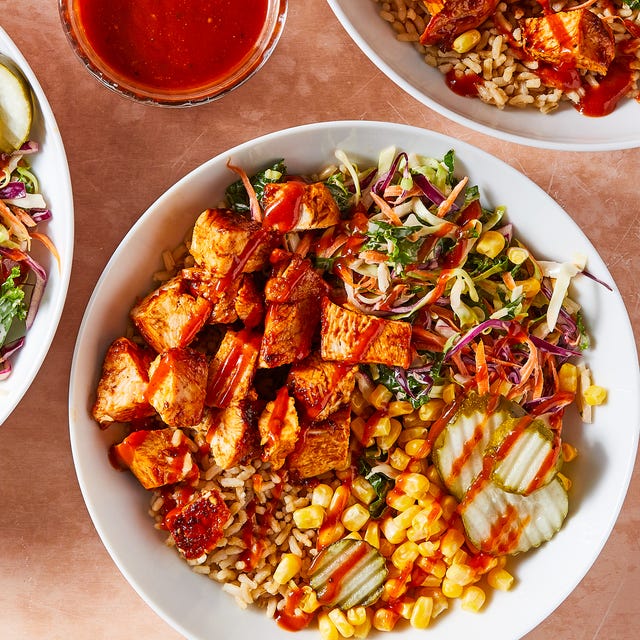
Cook grains or proteins in bulk once or twice a week, portion into containers, and refrigerate or freeze. Grab-and-go portions make tight weekdays manageable without abandoning the schedule.
Dietary Restrictions
Those avoiding certain ingredients can swap plant or alternative proteins, gluten-free grains, or lactose-free dairy while keeping the same eating intervals. A varied pantry ensures the clock, not the restriction, drives the plan.
Conclusion
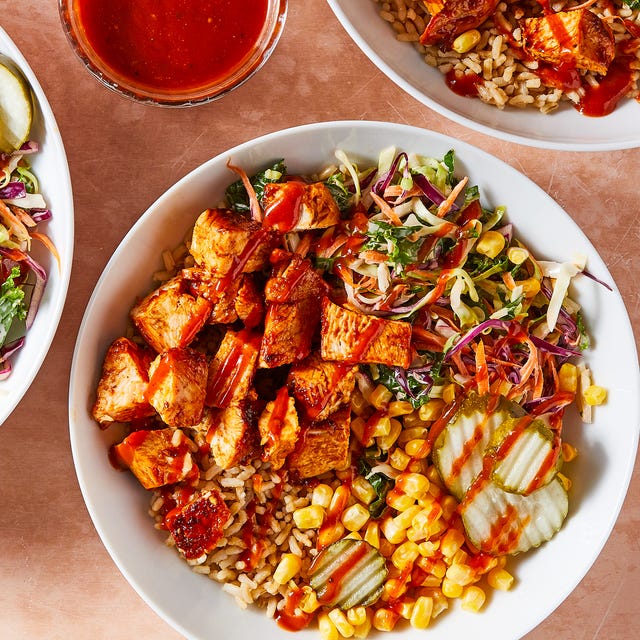
Structured meal timing acts as a quiet backbone of healthy eating. It harmonizes appetite, nutrient intake, and energy needs without demanding perfection. By committing to consistent eating windows and balanced choices, individuals create a sustainable rhythm that supports lifelong wellness.
Future Research Directions
Continued study could deepen our understanding in several areas:
1. Long-term health outcomes linked to consistent eating patterns versus erratic schedules.
2. Digital tools that personalize meal reminders and grocery lists based on daily agendas.

3. Cultural adaptations of timing strategies for shift workers, travelers, and diverse cuisines.
Exploring these topics will refine practical guidance and help more people benefit from the simple power of eating on time.


