


The Significance of Home Cooked Meals in Modern Society
Introduction
In a world where speed and convenience often dictate food choices, home cooking can feel like a forgotten art. Yet the simple act of preparing meals in our own kitchens carries rewards that reach far beyond the plate. This article explores why cooking at home matters, looking at its impact on nutrition, mental well-being, and the ways we connect with others.
Nutritional Benefits of Home Cooked Meals
Nutritional Value and Control
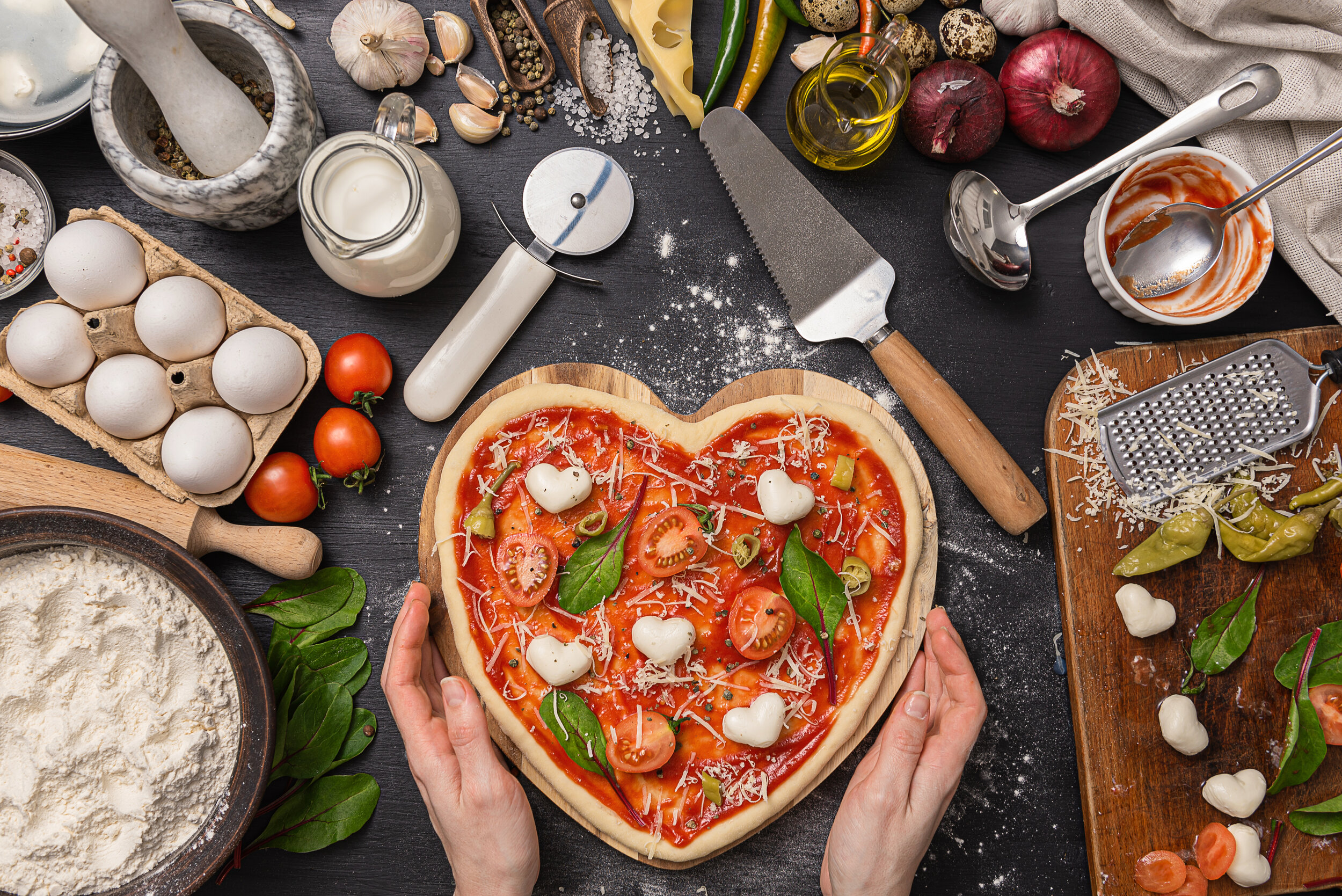
When we cook for ourselves, we decide what goes into every dish. This freedom makes it easier to fill the table with colorful produce, whole grains, and balanced portions. Studies consistently show that people who regularly prepare their own meals tend to eat more fruits and vegetables and maintain a more balanced diet overall.
Reduction of Processed Foods
Restaurant fare and packaged shortcuts often arrive loaded with excess salt, sugar, and refined fats. By stirring pots at home, we naturally cut back on these additives and replace them with fresher, lighter ingredients, lowering the risk of common diet-related health concerns.
Psychological Effects of Home Cooked Meals
Stress Reduction
Chopping, stirring, and seasoning can become a calming ritual. The rhythmic motions give the mind a break from screens and deadlines, while the pleasant aromas and rising steam create an atmosphere of comfort and control. Many home cooks describe the process as a quiet form of self-care at the end of a busy day.
Family Bonding
A shared meal invites conversation. Whether family members roll dumplings together or simply sit down at the same time, these moments foster open dialogue and strengthen emotional ties. Research links frequent family meals with improved mood, better school performance, and lower likelihood of risky behaviors among children and teens.
Social Implications of Home Cooked Meals
Cultural Preservation
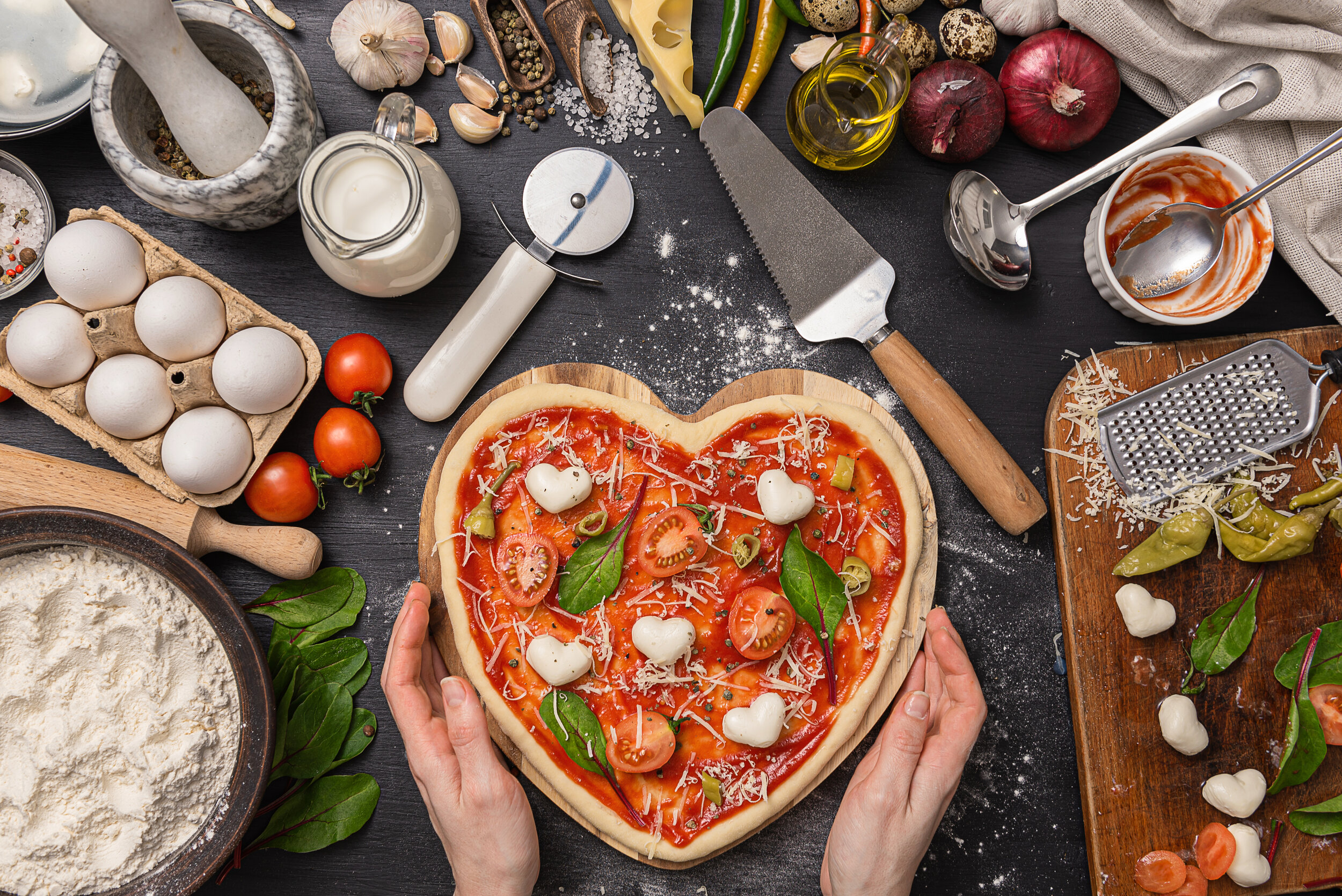
Recipes handed down through generations keep heritage alive. Each spice, technique, and story told at the stove reinforces identity and offers younger relatives a tangible link to their roots. Celebrating traditional dishes also encourages respect for the wide variety of cuisines found around the globe.
Community Building
Potlucks, bake sales, and neighborhood soup nights turn private kitchens into public gathering spaces. Sharing food breaks down barriers, sparks new friendships, and reminds everyone that a thriving community, like a good stew, is built from many individual contributions.
Conclusion
Home cooking nourishes body, mind, and society all at once. As schedules grow ever busier, reclaiming a few evenings each week to simmer, sauté, or bake can restore balance, deepen relationships, and foster healthier habits that last a lifetime.
Recommendations and Future Research
To keep the tradition alive, several steps can help:
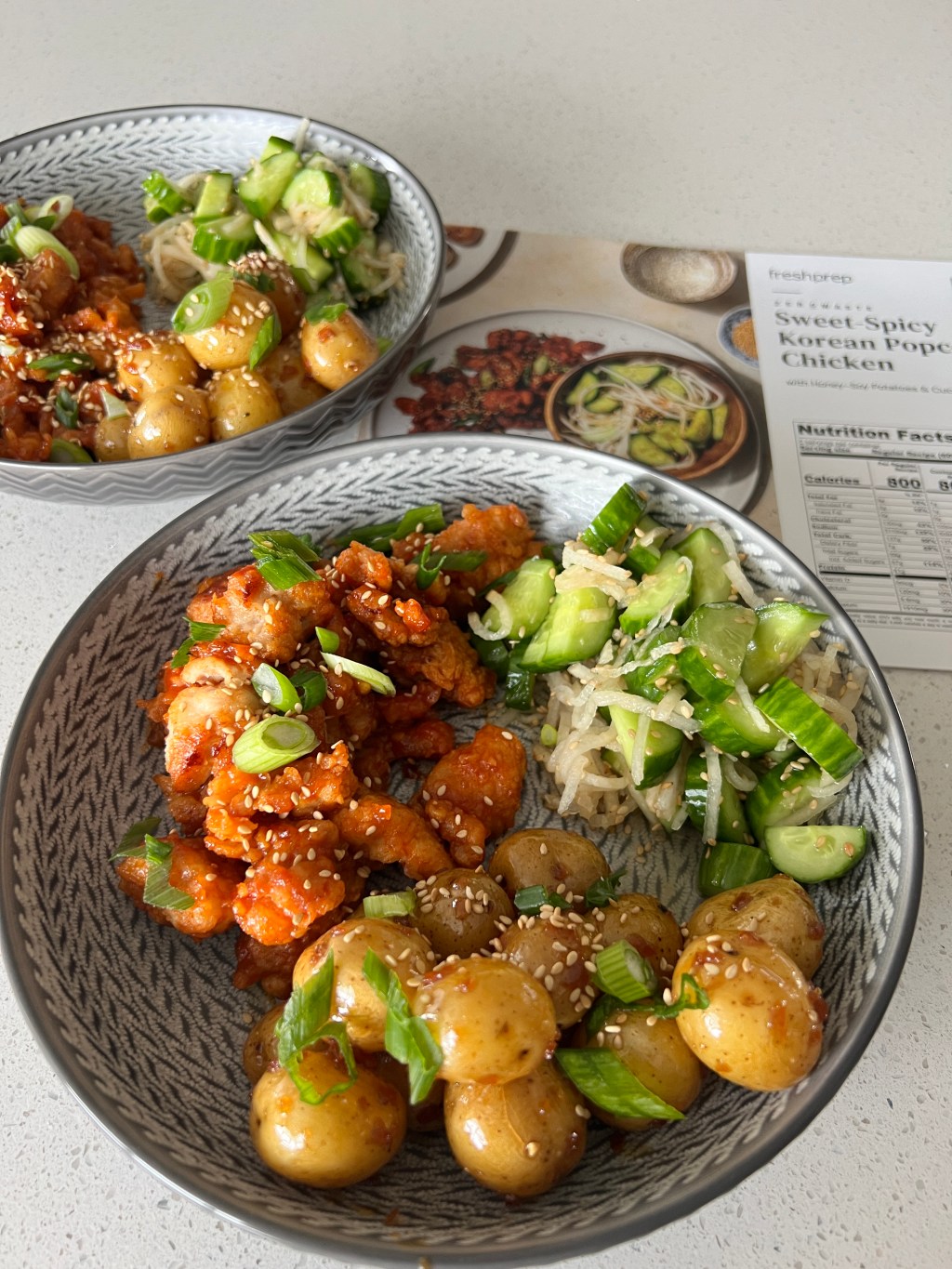
1. Schools and community centers can offer hands-on classes that teach basic techniques and simple, affordable recipes.
2. Families can block out regular “cooking nights” where everyone helps, turning preparation into quality time.
3. Local initiatives that bring fresh produce to neighborhoods at lower prices make healthy ingredients more accessible to all.
Further studies could track how sustained home cooking influences long-term health outcomes and social cohesion. Investigating user-friendly kitchen technology may also reveal ways to shorten prep time without sacrificing the personal touch that makes a homemade meal so special.
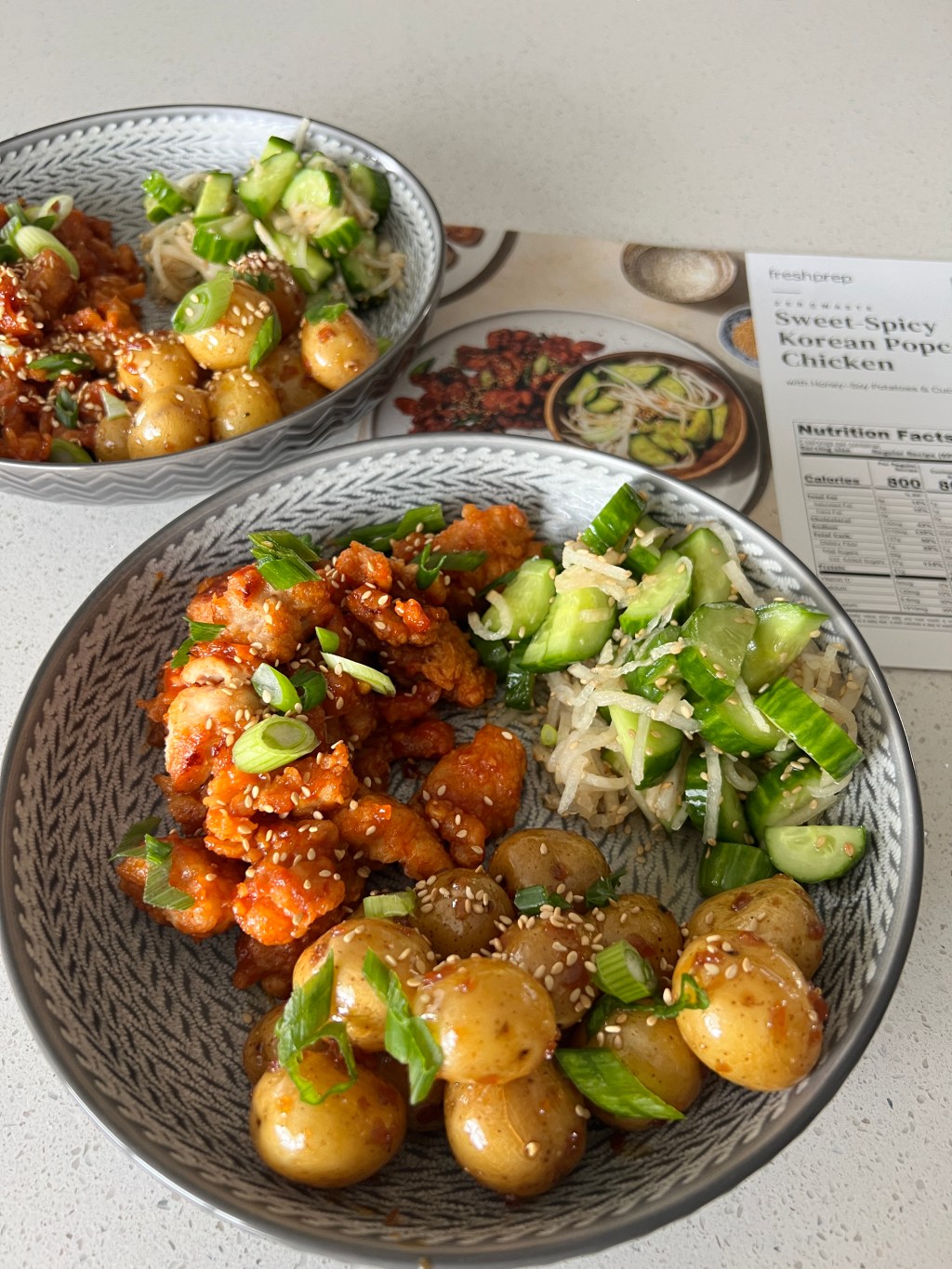
In the end, the path from cutting board to dining table is about more than food; it is an everyday act that sustains both individual well-being and the collective spirit. By choosing to cook at home, we invest in healthier bodies, calmer minds, and stronger communities—one recipe at a time.


