
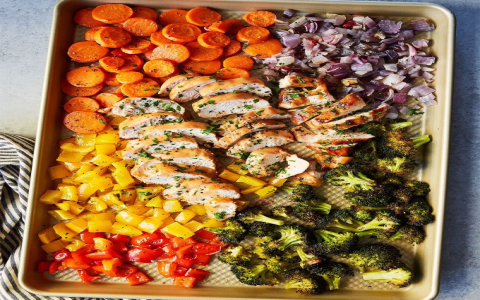

Delicious Dishes to Try: A Journey Through Global Flavors
Introduction
Cooking has always been at the heart of human life, offering nourishment, comfort, and a way to bring people together. Across centuries and continents, home cooks and chefs have crafted meals that celebrate local ingredients and shared traditions. This article invites you to discover a variety of mouth-watering dishes you can prepare yourself, highlights the value of learning to cook, and looks at how food media continues to inspire new generations of kitchen enthusiasts.
The Value of Cooking Skills
Knowing how to cook delivers benefits far beyond the plate. When you prepare your own meals, you decide what goes into them, making it easier to choose fresh produce, limit added salt or sugar, and accommodate personal preferences. Cooking also sparks creativity: adjusting a spice level, swapping seasonal vegetables, or plating a dish in a new way turns everyday ingredients into something uniquely yours. Finally, time spent stirring, tasting, and sharing food often becomes time spent connecting—with family, friends, or even neighbors who drop by for a bite.
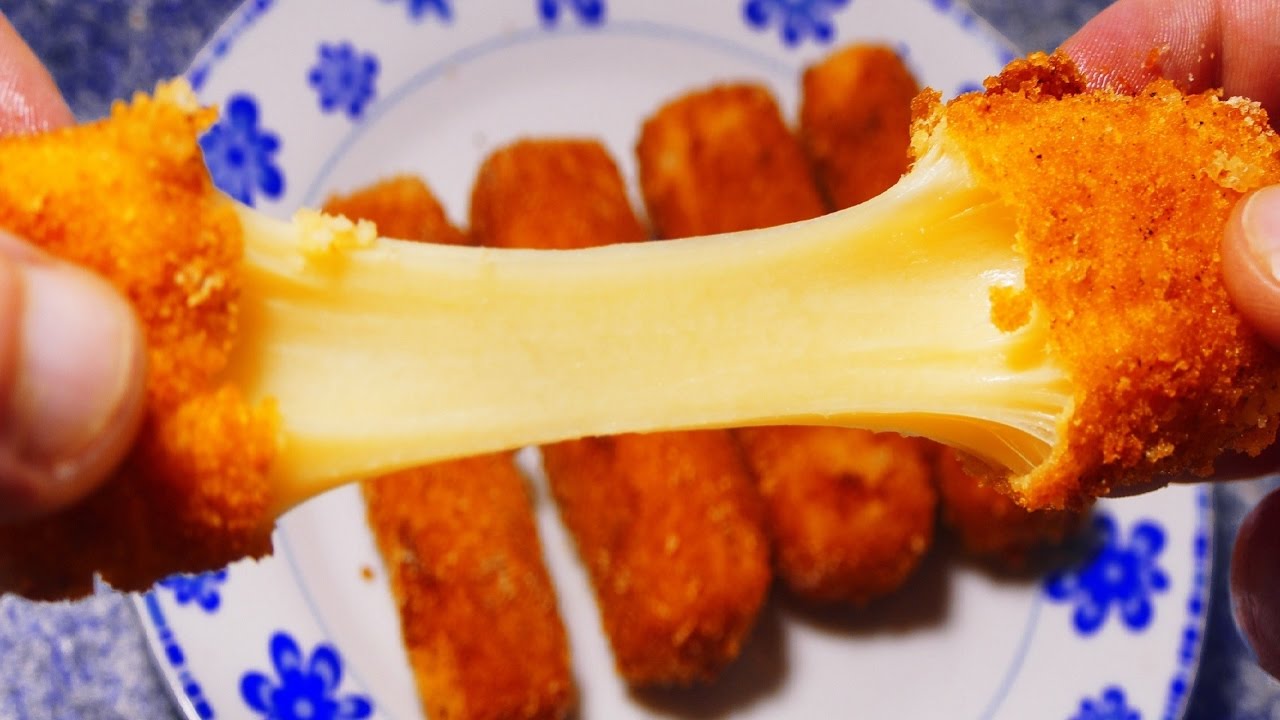
Exploring World Cuisines
Global kitchens offer endless inspiration. Below are a few beloved culinary traditions and simple ideas to try at home.
Italian Favorites
Italian cooking celebrates bright, straightforward flavors. Two classics almost everyone loves:
–
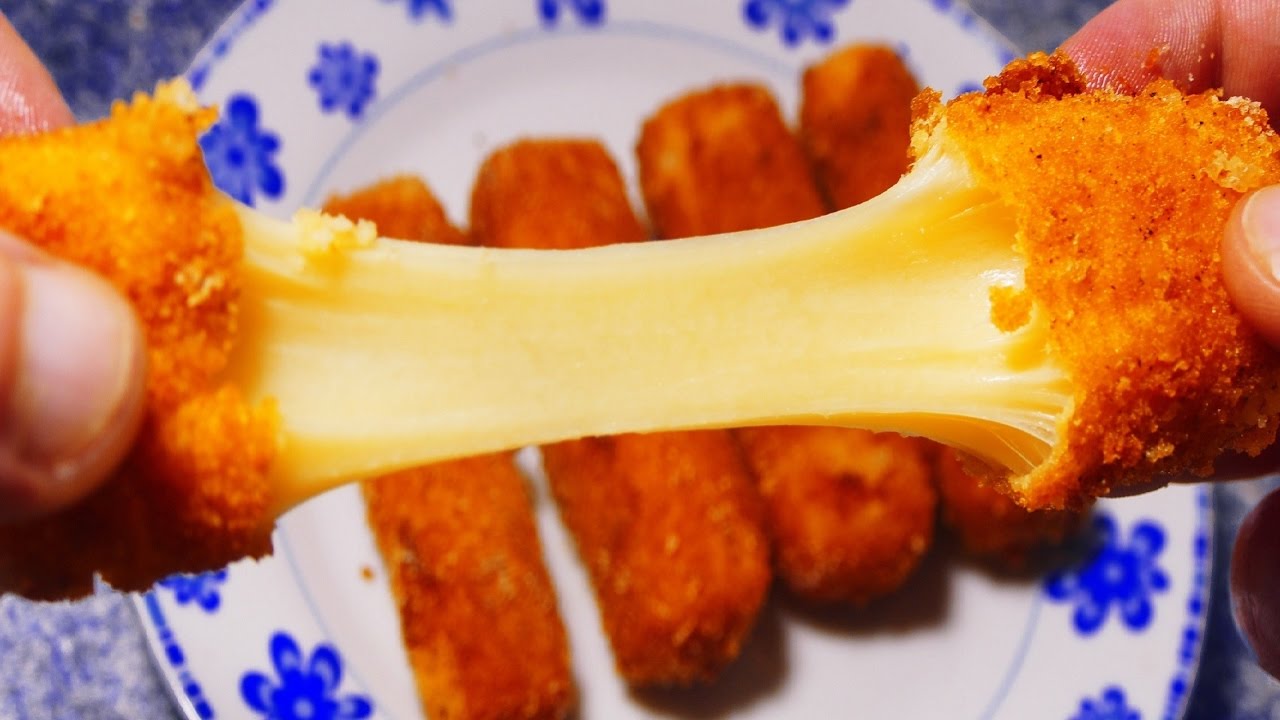
Pizza
Start with a chewy homemade crust, add a thin layer of tomato sauce, sprinkle on mozzarella, and finish with your choice of vegetables or protein. Slide it into a very hot oven until the edges blister and the cheese bubbles.
–
Pasta
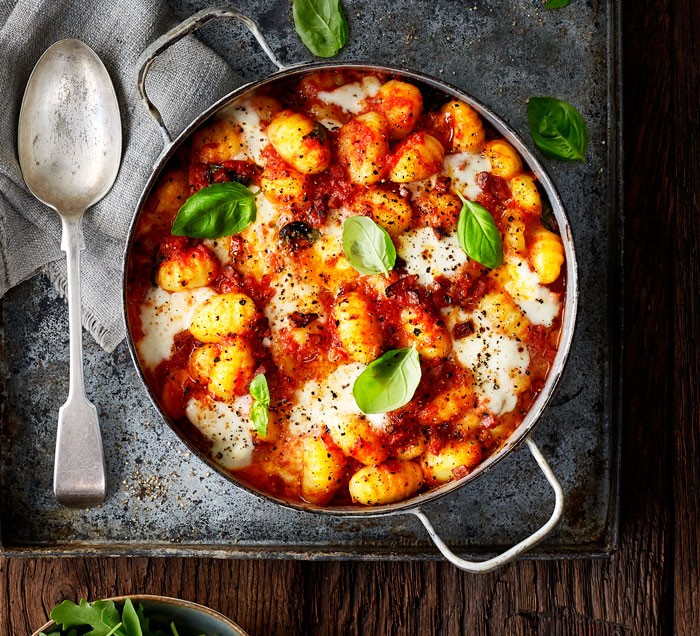
Whether you roll fresh sheets for lasagna or boil dried spaghetti, pair the noodles with a sauce that matches the season: a light tomato-basil in summer, a creamy alfredo in cooler months, or simply garlic and olive oil any day of the year.
Mexican Staples
Mexican dishes balance heat, acidity, and freshness. Two approachable options:
–
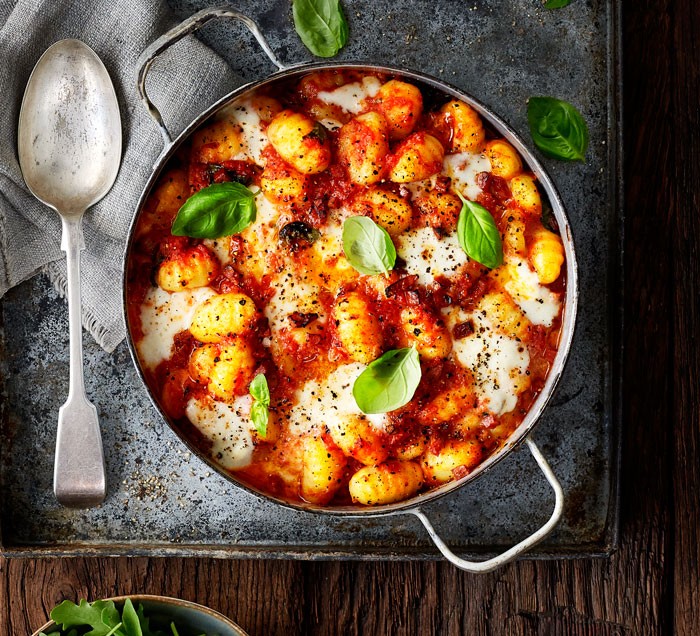
Tacos
Warm small corn or flour tortillas, then fill them with spiced beans, grilled chicken, or sautéed peppers. Top with shredded lettuce, crumbly cheese, and a spoonful of salsa for color and crunch.
–
Enchiladas
Dip tortillas in mild chili sauce, roll them around a cheese or vegetable filling, arrange in a baking dish, cover with more sauce, and bake until everything melds into a comforting, fragrant casserole.
Japanese Classics
Japanese fare prizes seasonal produce and clean presentation. Two dishes to experiment with:
–
Sushi
Season short-grain rice with rice vinegar, then combine with strips of cucumber, avocado, or cooked seafood. Roll everything in a sheet of nori, slice into bite-sized pieces, and serve with soy sauce and pickled ginger.
–
Tempura
Make a lumpy batter with ice-cold water and flour, coat shrimp or vegetables lightly, and fry briefly in hot oil. The result is an airy, crisp shell that highlights the natural sweetness inside.

Why Homemade Meals Matter
Preparing food in your own kitchen usually means more vegetables, leaner proteins, and fewer hidden additives than take-out alternatives. Batch-cooking staples such as grains or roasted vegetables can stretch your budget and shorten weeknight prep time. Beyond nutrition and savings, the simple acts of chopping, seasoning, and stirring often feel meditative, turning mealtime into a calming ritual rather than a rushed chore.
Food Media and Modern Inspiration
Television competitions, online tutorials, and short recipe videos have turned cooking into shared entertainment. Watching contestants transform humble ingredients into stunning plates encourages viewers to attempt new techniques at home, while live streams and photo threads offer instant feedback and endless ideas. This steady stream of visual cues keeps enthusiasm high and proves that delicious results are within anyone’s reach.
Conclusion

From a bubbling pan of pasta to a colorful taco spread or a delicate sushi roll, the spectrum of dishes you can create is limited only by curiosity. Learning to cook equips you to eat well, express creativity, and strengthen bonds around the table. As food media continues to flourish, fresh inspiration is never more than a click away—so tie on an apron, pick a recipe, and enjoy the tasty rewards of your own kitchen adventures.
Recommendations and Future Directions
To keep the joy of cooking alive, consider these steps:
1. Advocate for hands-on cooking lessons in schools, giving children early confidence with real ingredients.
2. Shop at neighborhood markets when possible; fresh, peak-season produce lifts any dish.

3. Join or organize local cook-offs, potlucks, or themed dinners to swap skills and celebrate diverse flavors.
Looking ahead, studies could examine how regular cooking affects well-being, explore sustainable techniques that reduce kitchen waste, or assess how emerging gadgets change the learning curve for beginners. Continued curiosity will ensure the culinary journey remains as rewarding as the meals it produces.


