
Different Types of Food Cuisine: A Global Culinary Exploration
Introduction
Food cuisine is an essential thread in the fabric of human culture, shaped by landscape, history, and shared customs. Across continents, culinary styles reveal distinctive flavors, ingredients, and cooking methods. This overview highlights major world cuisines, their signature traits, and the ways they enrich the global table.
Mediterranean Cuisine
Mediterranean Cuisine
Mediterranean cooking celebrates sun-ripened produce, grains, and seafood. Countries circling the sea share an appreciation for olive oil, fragrant herbs, and leisurely meals that honor seasonal abundance.
Olive oil acts as both foundation and finishing touch, lending fruity depth to salads, stews, and grilled fare. Aromatic herbs such as oregano, basil, and thyme flourish in the mild climate and perfume countless dishes.
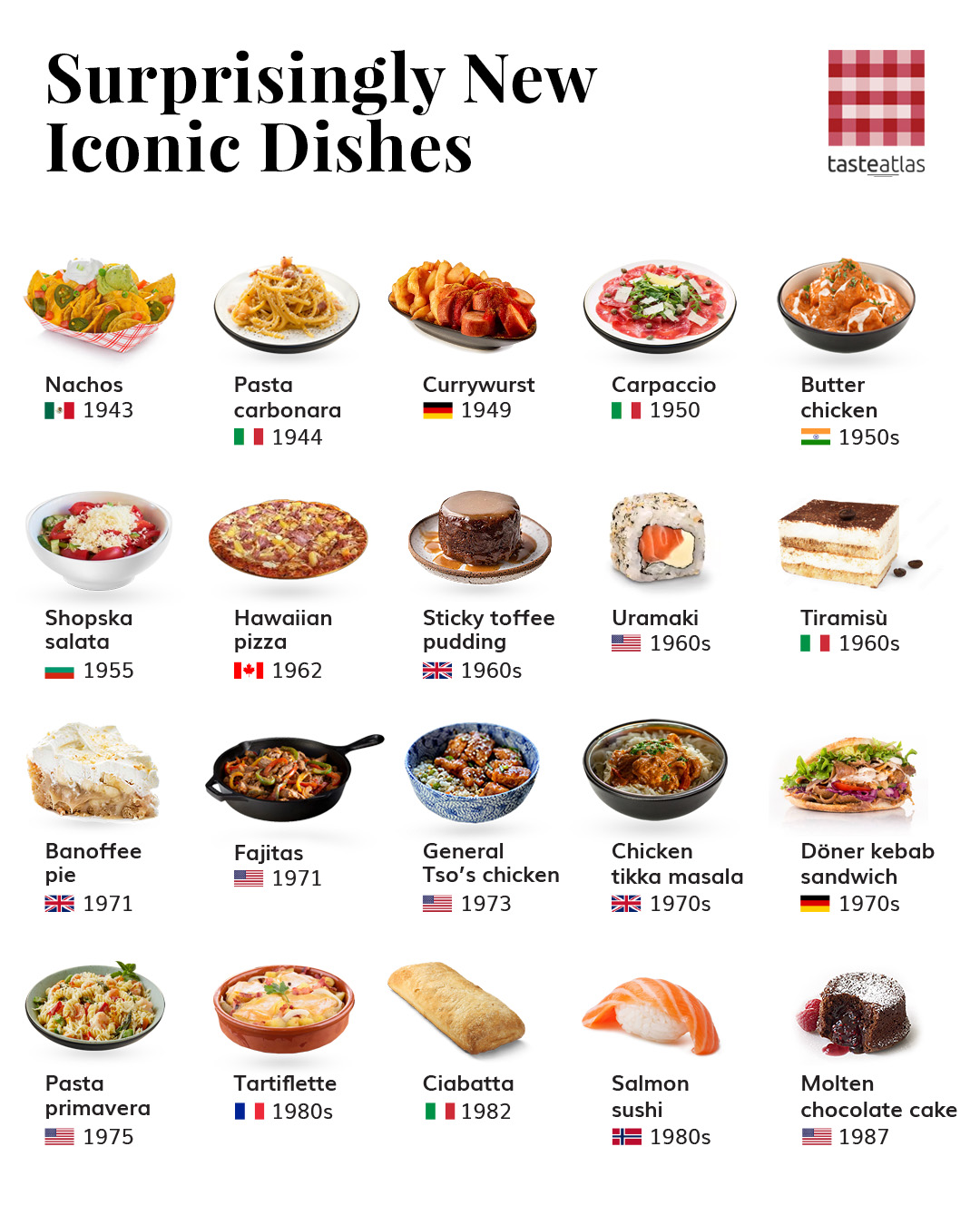
Italian pasta, Greek eggplant bakes, Spanish saffron rice, and Moroccan tagines all illustrate the region’s talent for turning humble ingredients into comforting, colorful plates.
Asian Cuisine
Asian Cuisine
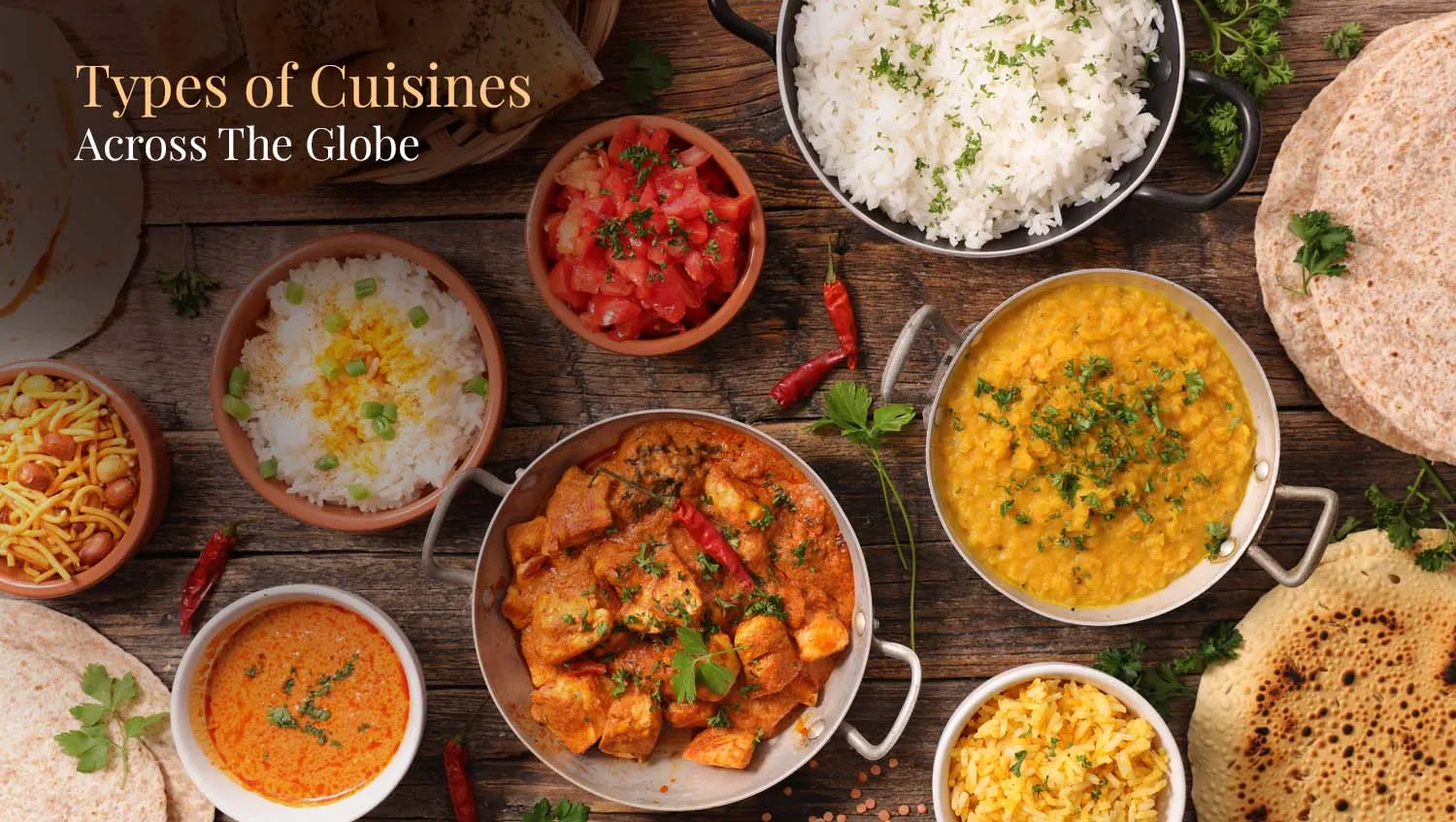
Asian kitchens span a vast spectrum, from fiery curries to delicate broths. Shared themes include respect for texture, balance of taste, and the art of seasoning.
Chinese techniques like rapid stir-frying or gentle steaming preserve color and crunch. Soy, ginger, and scallion form a classic flavor base, while noodles and dumplings provide satisfying texture.
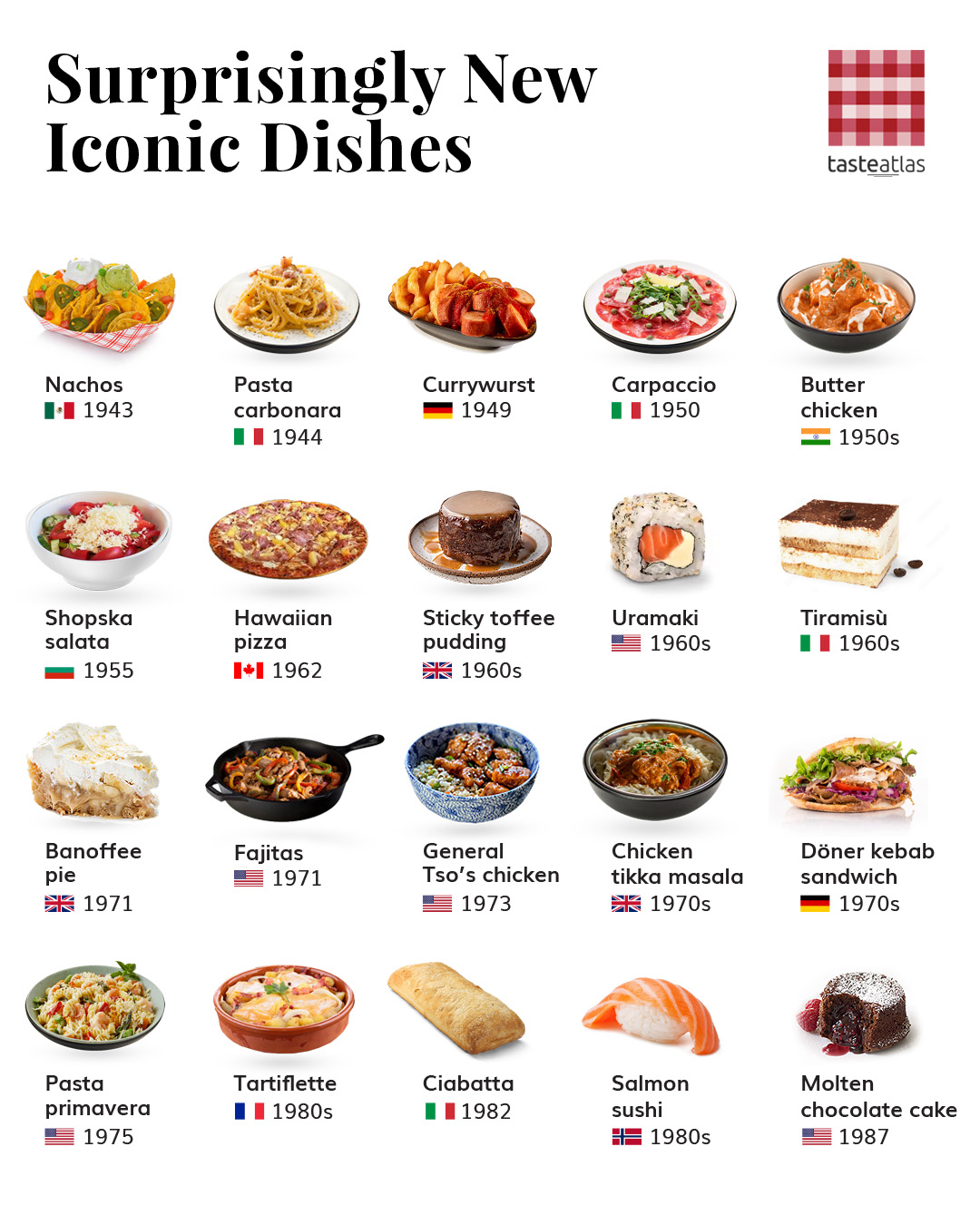
Japanese dishes highlight pristine seafood and seasonal vegetables, often served raw, lightly battered, or simmered in clear broths. Indian gravies rely on layered spices, slow-cooked to coax warmth and depth. Thai cooks marry sweet, sour, salty, and spicy in vibrant soups and salads, whereas Vietnamese bowls brim with fresh herbs and bright citrus.
European Cuisine
European Cuisine
Europe’s kitchens reflect centuries of trade, royalty, and rural life. Each nation offers comforting staples alongside refined celebration dishes.
French tables may feature slow-braised meats, buttery pastries, and delicate custards that showcase meticulous technique. German menus favor robust sausages, fermented sides, and dark breads perfect for cool climates.
British fare brings hearty pies, roasted joints, and seaside classics, while Italian-inspired pizzas and pastas have become everyday favorites across the continent.

African Cuisine
African Cuisine
African cooking draws on indigenous grains, tropical produce, and aromatic spice routes. Techniques range from slow simmering to open-fire grilling.
North African tagines layer dried fruits, preserved lemons, and warm spices into tender stews. East African flatbreads serve as edible spoons for lentil and vegetable dishes. Further south, cured meats and sweet-savory pies reveal Dutch and Malay influences, while communal pots of maize porridge unite diners around a single comforting bowl.
American Cuisine
American Cuisine
American food tells a story of migration and adaptation. Classic diners serve grilled patties and golden fries, yet regional identities shine from coast to coast.
Southern kitchens perfume the air with slow-smoked meats, greens, and cornbread. Northeastern shores offer creamy chowders and buttered lobster rolls. On the West Coast, farmers’ markets inspire inventive salads, fusion tacos, and plant-forward bowls that prioritize freshness and sustainability.
Conclusion
From olive-laden coasts to chili-scented street stalls, world cuisines form a vibrant mosaic of taste and tradition. Exploring these varied tables deepens appreciation for both the ingredients themselves and the cultures that nurture them.
As travel and technology shrink distances, flavors continue to mingle, creating new dishes that honor heritage while embracing curiosity. Future conversations may focus on sustainable sourcing and collaborative cooking that bridges continents.
In celebrating culinary diversity, we acknowledge a shared human story—one where every meal offers connection, memory, and the simple joy of gathering around good food.