
Title: How Online Recipe Hubs Are Redefining Home Kitchens
Introduction:
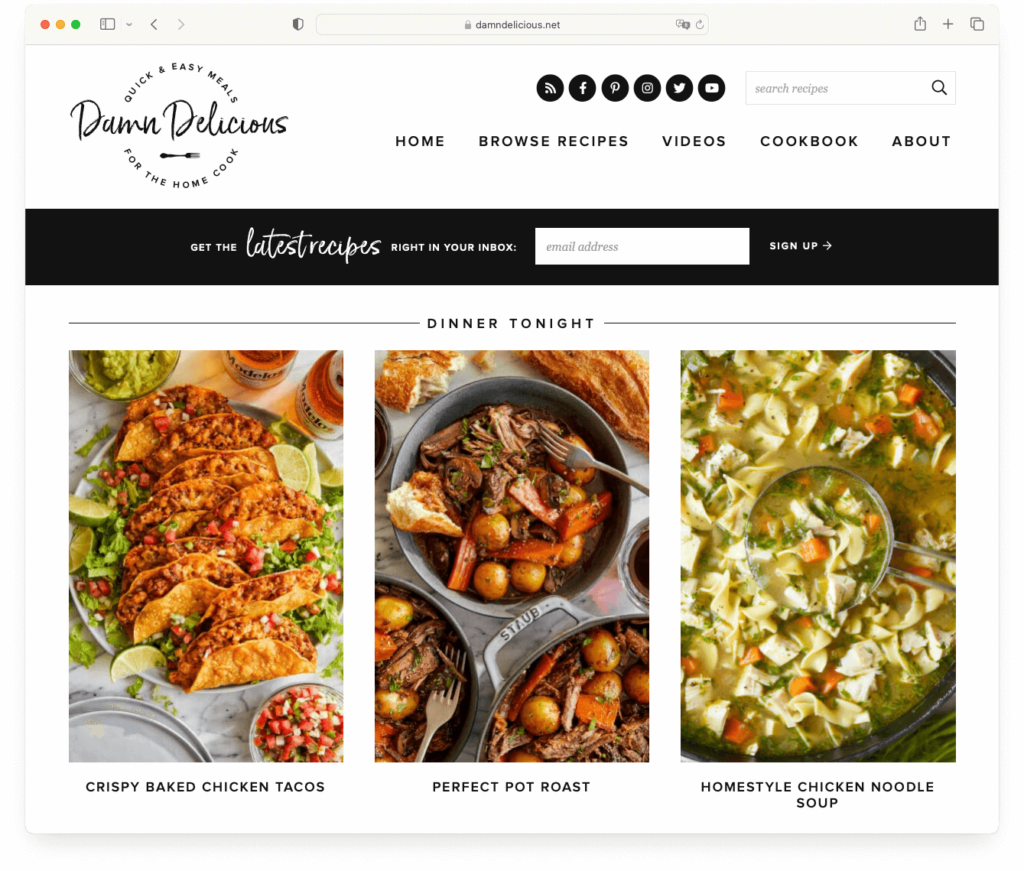
Digital recipe collections have quietly become the new spice rack in millions of homes. With a few taps, cooks of every level can summon ideas from every corner of the globe, swap tips with strangers who feel like friends, and turn tonight’s dinner into a mini master-class. This piece looks at how these platforms steer what we cook, how we connect, and how we learn.
The Role of Online Recipe Hubs in Shaping Culinary Trends
Scrolling through glossy photos of weeknight dinners has become the fastest way to spot tomorrow’s food craze. Viral posts introduce home cooks to meat-free Mondays, purple yams, or Korean-Mexican mash-ups long before they reach restaurant menus. The steady stream of global dishes normalizes once-unfamiliar flavors, encouraging pantries to stock everything from harissa to hemp hearts.
Step-by-step guides lower the fear factor, so a hesitant baker in a small town might tackle handmade bao or preserved lemons without ever tasting the “real thing.” The result is a broader, more playful food scene that celebrates variety over perfection.
Fostering Culinary Communities
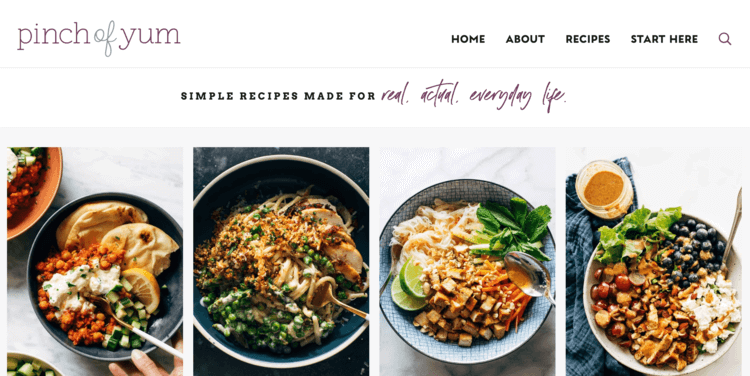
Beyond ingredients, these sites serve as virtual potlucks. Comment threads turn recipes into living documents: one cook swaps basil for cilantro, another halves the sugar, and a third posts a triumphant photo. Each tweak invites applause, questions, and further twists, knitting together a worldwide tasting group that never closes.
Photo-sharing feeds amplify the buzz. A single snapshot of rainbow veggie skewers can ripple across continents, inspiring school lunches in Sydney and street-food stalls in San Diego. Shared hashtags create micro-cultures—#MeatlessMondays, #TraybakeTuesday—where the kitchen feels less solitary and more like a friendly neighborhood stove.
Promoting Culinary Education
Short videos demystify knife skills, mother sauces, and the elusive flip of an omelet. Pause, rewind, and slow-motion buttons replace the intimidating pace of live demos. Many portals now bundle mini-courses on budgeting, batch cooking, or reducing food waste, turning curious clickers into confident meal planners.
Interactive timers, built-in glossaries, and adjustable serving sizes remove guesswork, while quizzes and badges add a playful layer of motivation. The overall message: technique beats talent, and every mistake is just tomorrow’s leftover soup.
The Economic Impact of Online Recipe Hubs
Home kitchens have become launchpads for side hustles. A viral cookie video can spark cottage bakeries; a clever condiment twist attracts local grocery shelf space. Demand surges for specialty flours, cast-iron pans, and eco-friendly wraps, giving small producers unexpected global markets.
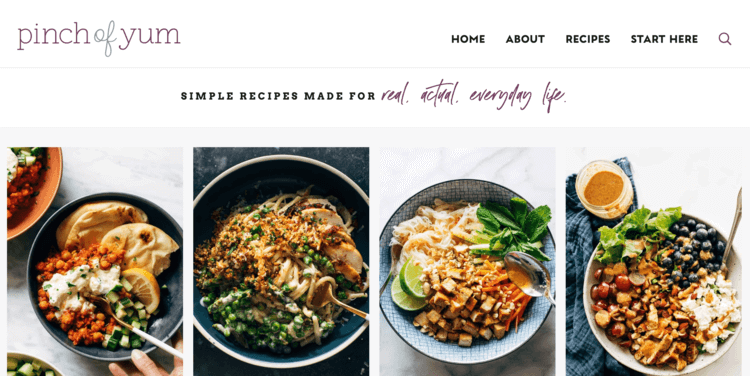
Meanwhile, advertisers court the highly engaged eyeballs that linger between ingredients lists, fueling a cycle that finances more free content and keeps the culinary carousel spinning.
Challenges and Concerns
Popularity breeds repetition: the same feta-pasta or cloud-bread can flood feeds until creativity stalls. Algorithms favor photogenic speed over slow, regional traditions, risking a flattening of heritage dishes into one-size-fits-all templates.
Health claims sometimes outrun science, promising miracle detoxes or single-ingredient cures. Cooks must balance open-minded curiosity with a pinch of skepticism, cross-checking sources and listening to their own kitchens as closely as they listen to trending whistles.
Conclusion:
Online recipe hubs have moved the culinary compass from restaurant critics to home screens, letting curiosity, community, and convenience set the menu. The journey still demands discernment, but the net result is a more connected, confident, and adventurous generation of home cooks ready to click, stir, and share their next great bite.