
Title: Sample Balanced Daily Menu: A Practical Guide to Healthy Eating
Introduction:
A well-structured daily menu is one of the simplest ways to support steady weight management and overall wellness. By focusing on nutrient-dense foods and sensible portions, anyone can build meals that curb hunger, stabilize energy, and reduce the urge to overeat. This guide walks through a sample day of balanced eating, highlighting practical ideas for breakfast, lunch, dinner, and snacks.
The Building Blocks of a Balanced Daily Menu
A thoughtful daily menu spreads nutrients across three main meals and one or two snacks. The goal is to include lean protein, complex carbohydrates, healthy fats, and plenty of produce at every stage of the day while keeping added sugars and highly processed items to a minimum.
Breakfast: Kick-Start the Morning
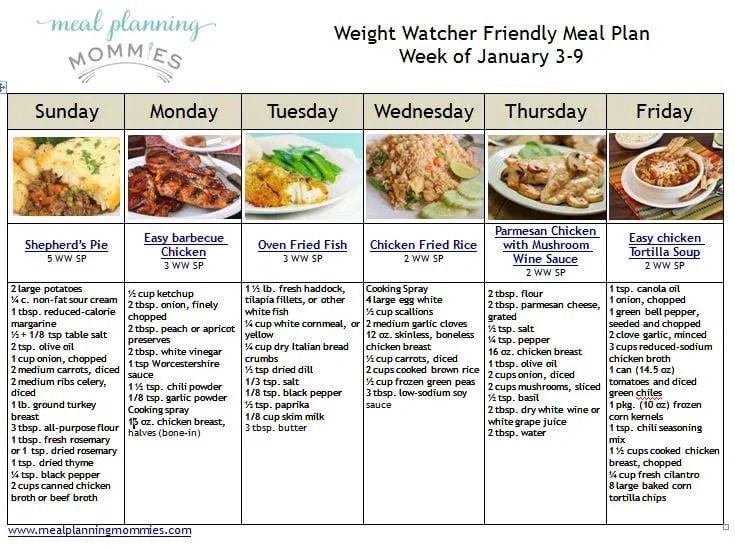
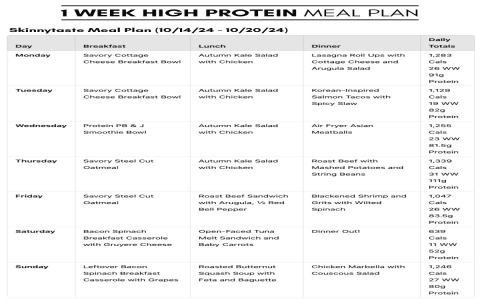
A satisfying breakfast sets the tone for steady energy. Good choices include steel-cut oats topped with cinnamon and diced apple, whole-grain toast spread with ripe avocado, plain Greek yogurt layered with fresh berries, or a veggie omelet prepared with a drizzle of olive oil. Each option delivers fiber, protein, and healthy fat to keep you full until lunch.

Lunch: Mid-Day Fuel
Lunch should be large enough to prevent the afternoon slump yet light enough to avoid drowsiness. Mix a generous salad of leafy greens, colorful vegetables, and grilled chicken or chickpeas; tuck tuna and sliced peppers into a whole-grain wrap; or serve lentil soup alongside a side of mixed fruit. Balancing protein, slow-release carbs, and vegetables helps maintain focus for the rest of the day.
Dinner: Wind Down Without Overloading
Evening meals are most supportive when they are nutrient-rich but not calorie-heavy. Try baked salmon with quinoa and steamed broccoli, turkey chili simmered with beans and tomatoes, or tofu stir-fried with brown rice and snow peas. These plates offer complete protein, fiber, and micronutrients while keeping saturated fat and sodium in check.
Snacks: Smart Choices Between Meals
Planned snacks bridge hunger gaps and reduce the temptation to raid the cookie jar. Portable ideas include a small handful of unsalted nuts, carrot sticks with hummus, a pear with a slice of low-fat cheese, or plain popcorn seasoned with herbs. Each snack pairs produce with protein or healthy fat for longer satisfaction.
Nutritional Highlights of the Sample Menu
Emphasizing whole foods over packaged products naturally raises fiber, vitamin, and mineral intake. Portion awareness—using smaller plates, measuring oils, and pre-portioning nuts—helps control calories without tedious counting. Variety across food groups supplies antioxidants and phytonutrients that support immune health and steady energy.
What the Research Suggests
Peer-reviewed studies consistently show that structured eating plans built around whole foods and portion guidance can lead to modest but sustainable weight loss and improvements in blood pressure, cholesterol, and insulin sensitivity. Benefits increase when such plans are paired with regular physical activity and adequate sleep.

Everyday Success Stories
Many people report that following a balanced daily menu helped them lose weight gradually while still enjoying favorite foods. One busy parent shared, “Planning meals ahead stopped my 3 p.m. vending-machine runs. After three months my clothes fit better, and I have more energy to play with my kids.”
Conclusion
A simple, repeatable daily menu rich in whole foods and balanced macronutrients offers a practical roadmap to healthier eating. By focusing on nutrient quality and mindful portions, individuals can manage weight, stabilize mood, and support long-term wellness without resorting to extreme restrictions.
Tips and Next Steps
Before making major dietary changes, consult a qualified health professional, especially if you have medical conditions or specific nutritional needs. Add movement you enjoy—walking, dancing, cycling—to amplify results. Keep meals interesting by rotating seasonal produce and experimenting with herbs and spices instead of excess salt.
Future studies could explore how culturally diverse menus affect adherence, the long-term impact on gut health, and optimal protein levels for different age groups. Gathering data from varied populations will help refine guidelines and make balanced eating accessible worldwide.
In summary, a thoughtfully planned daily menu built on whole foods and sensible portions remains a powerful, sustainable strategy for reaching and maintaining a healthy weight while enhancing overall well-being.