

Introduction
A balanced diet is essential for maintaining good health and preventing chronic diseases. With the increasing awareness of the importance of nutrition, meal ideas for a balanced diet have become a popular topic. This article aims to provide a comprehensive guide to meal ideas for a balanced diet, including various food groups, portion sizes, and dietary patterns. By incorporating these meal ideas into your daily routine, you can ensure that you are getting all the necessary nutrients for optimal health.
Importance of a Balanced Diet
A balanced diet provides the body with all the essential nutrients, including vitamins, minerals, proteins, carbohydrates, and fats. These nutrients play a crucial role in maintaining physical and mental health, supporting immune function, and preventing chronic diseases such as heart disease, diabetes, and obesity. A balanced diet should include a variety of foods from all food groups, ensuring that the intake of nutrients is adequate and balanced.
Food Groups for a Balanced Diet
1. Fruits and Vegetables
Fruits and vegetables are rich in vitamins, minerals, and antioxidants, which help protect the body against diseases. Aim to consume at least 5 portions of fruits and vegetables per day. Some meal ideas for fruits and vegetables include:
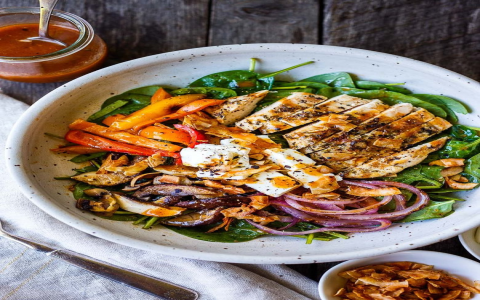
– A salad with a variety of colorful vegetables and a light dressing
– A fruit smoothie with spinach, banana, and almond milk
– Steamed broccoli with garlic and lemon
2. Grains
Grains are a good source of carbohydrates, fiber, and B vitamins. Include a variety of grains in your diet, such as whole grains, brown rice, and quinoa. Some meal ideas for grains include:
– A bowl of oatmeal with fresh berries and a drizzle of honey
– A whole-grain sandwich with avocado and turkey
– A quinoa salad with roasted vegetables and feta cheese
3. Proteins
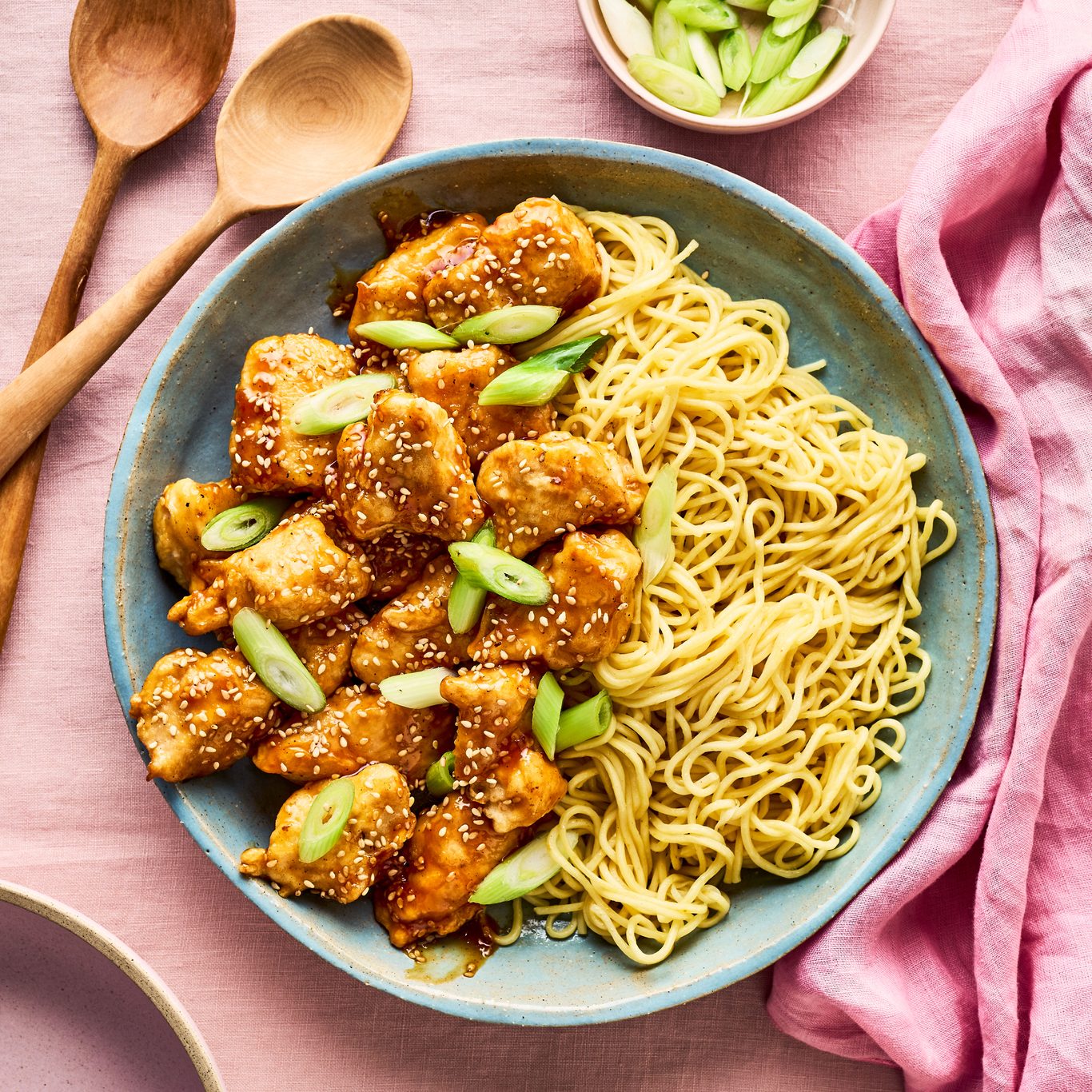
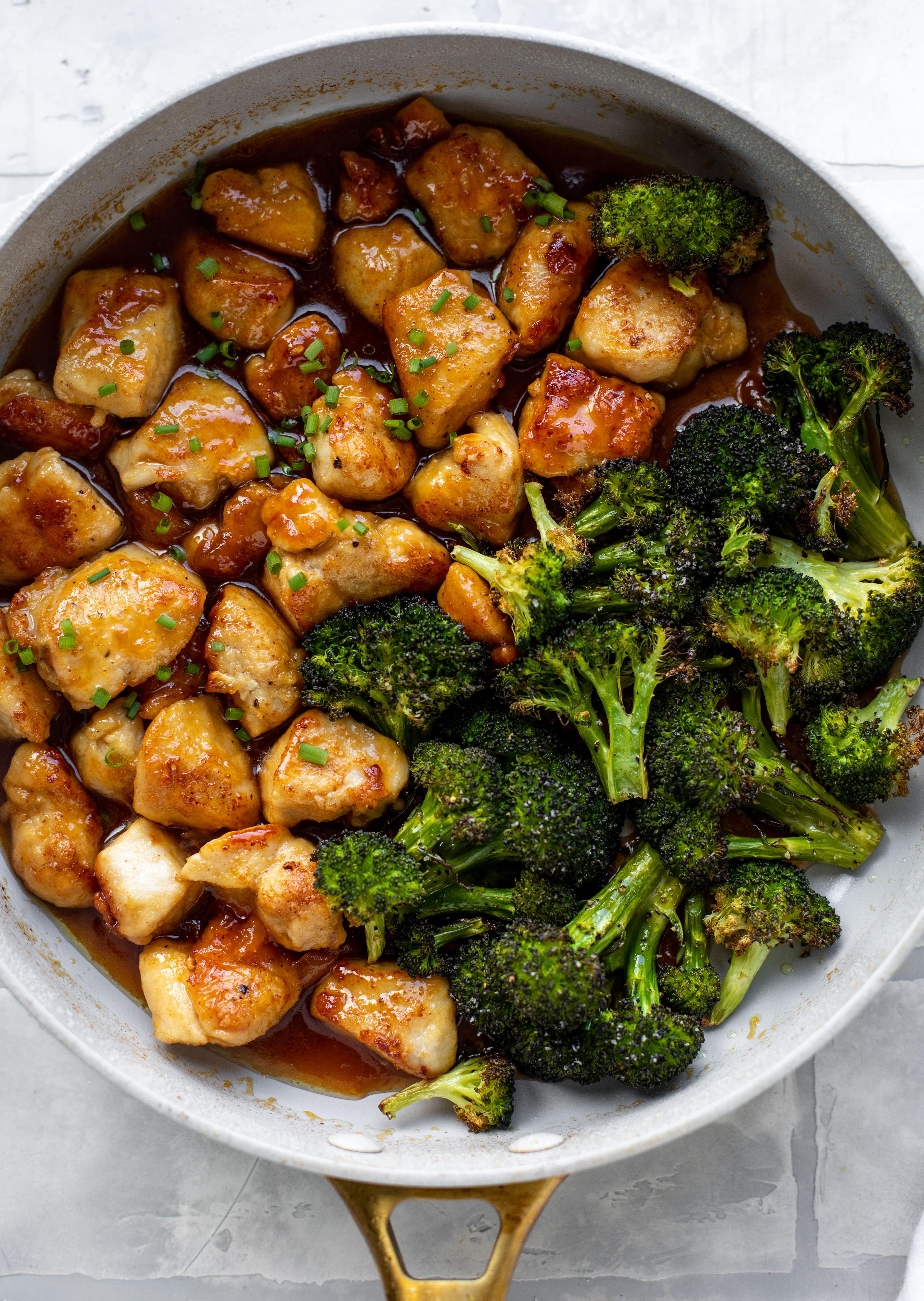
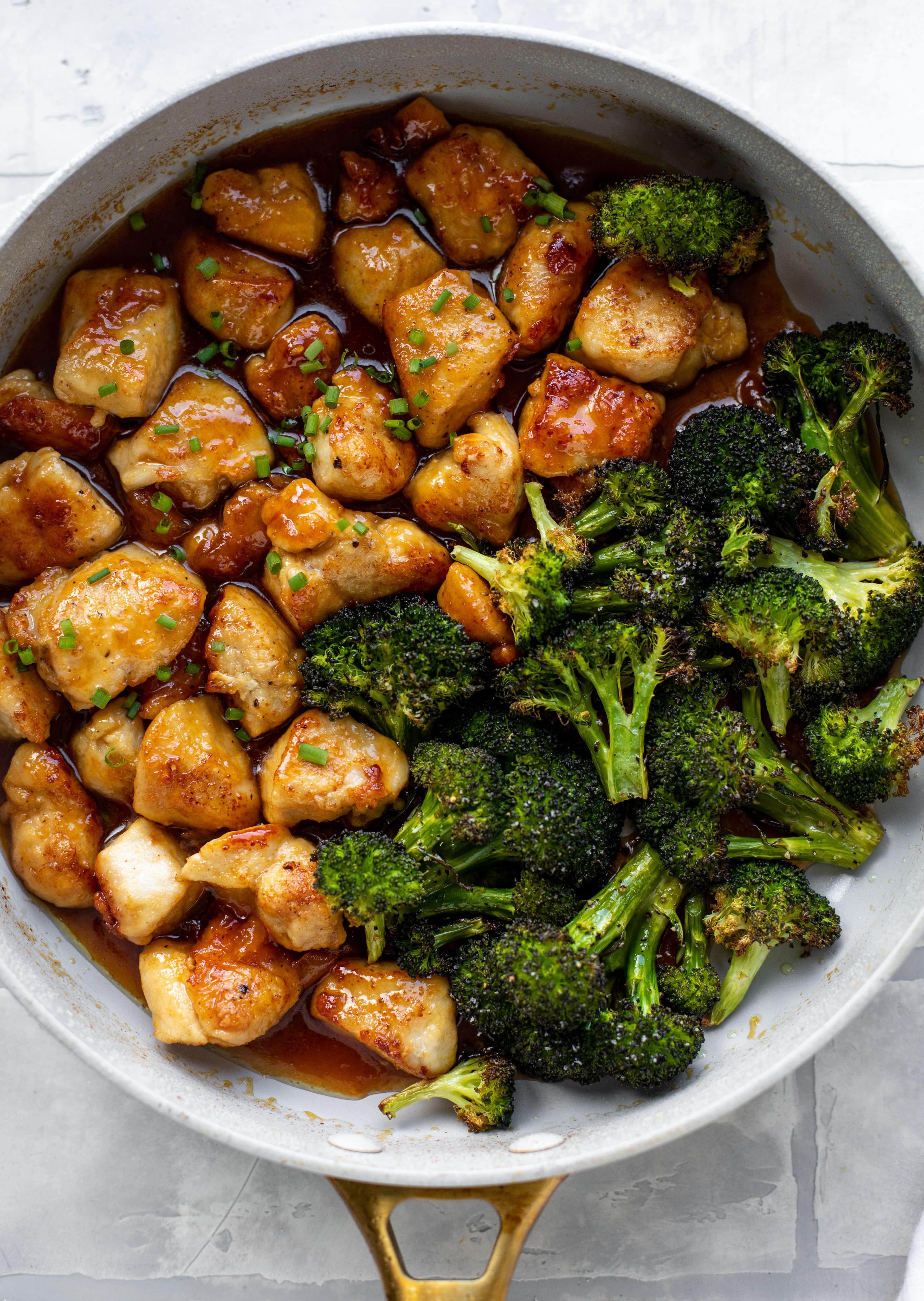
Proteins are essential for muscle growth and repair, and they also play a role in immune function. Include a variety of protein sources in your diet, such as lean meats, fish, eggs, dairy, legumes, and nuts. Some meal ideas for proteins include:
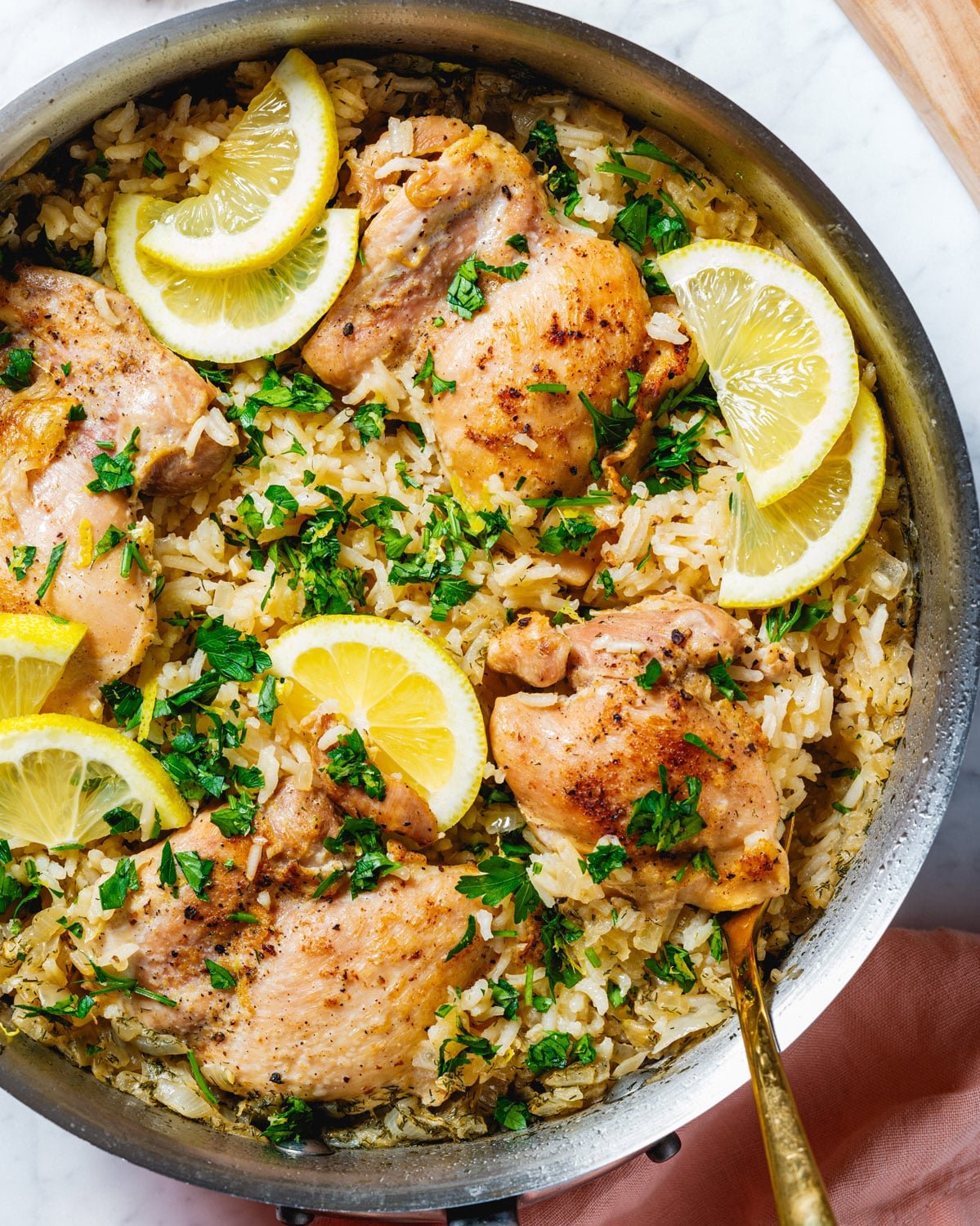
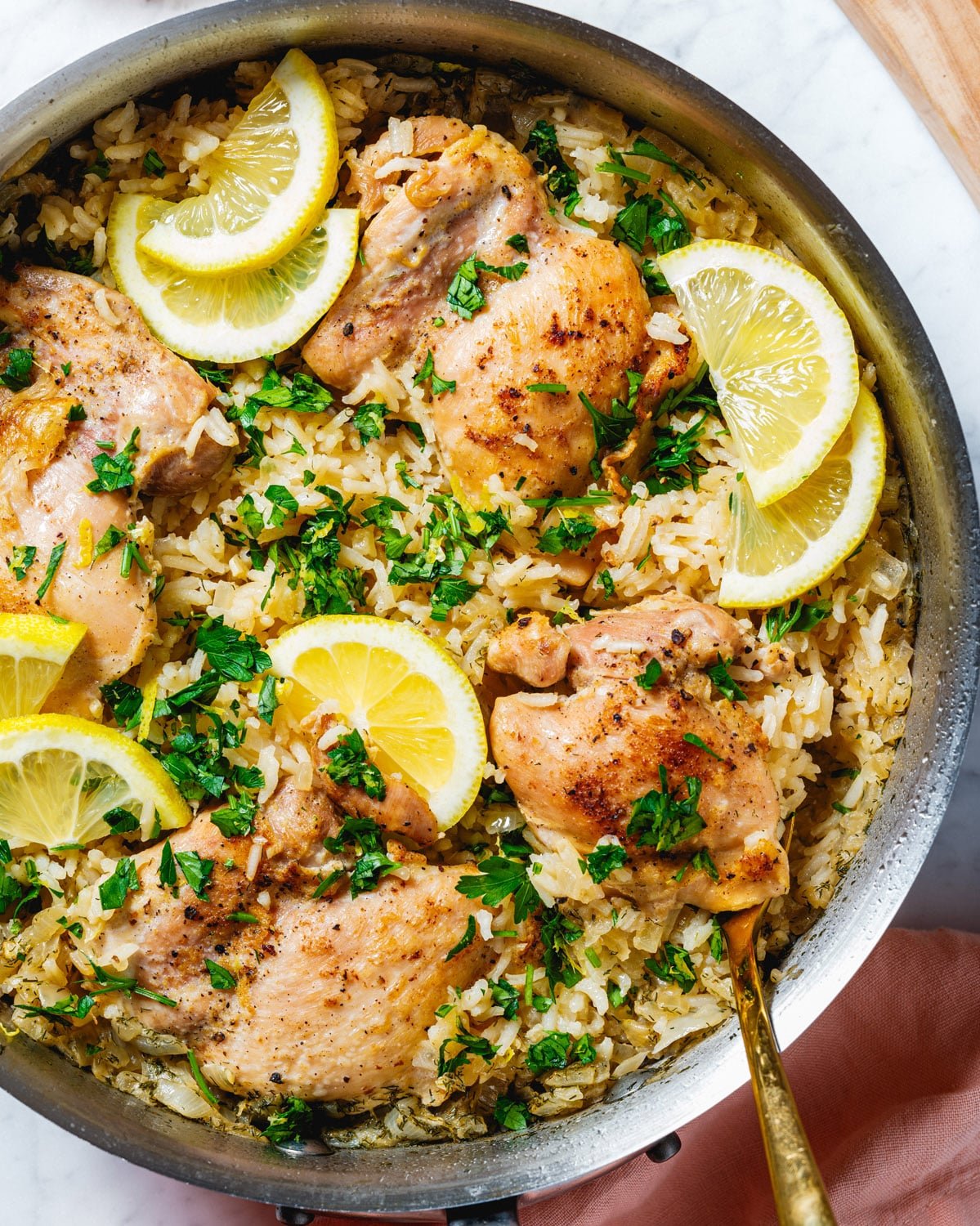
– Grilled chicken breast with quinoa and roasted vegetables
– Baked salmon with a side of sweet potato and steamed broccoli
– Lentil soup with a slice of whole-grain bread
4. Dairy
Dairy products are a good source of calcium, vitamin D, and protein. Include dairy products such as milk, yogurt, and cheese in your diet. Some meal ideas for dairy include:
– Greek yogurt with a drizzle of honey and a sprinkle of granola
– A glass of milk with a bowl of cereal
– A cheese platter with whole-grain crackers and fruit
Portion Sizes
Portion sizes play a crucial role in maintaining a balanced diet. The following portion sizes are generally recommended:
– Fruits and vegetables: 1 cup per serving
– Grains: 1/2 cup per serving
– Proteins: 3 ounces per serving
– Dairy: 1 cup per serving
Dietary Patterns
1. Mediterranean Diet
The Mediterranean diet is a heart-healthy dietary pattern that emphasizes the consumption of fruits, vegetables, whole grains, legumes, nuts, and olive oil. Some meal ideas for the Mediterranean diet include:
– A salad with mixed greens, tomatoes, cucumbers, and feta cheese
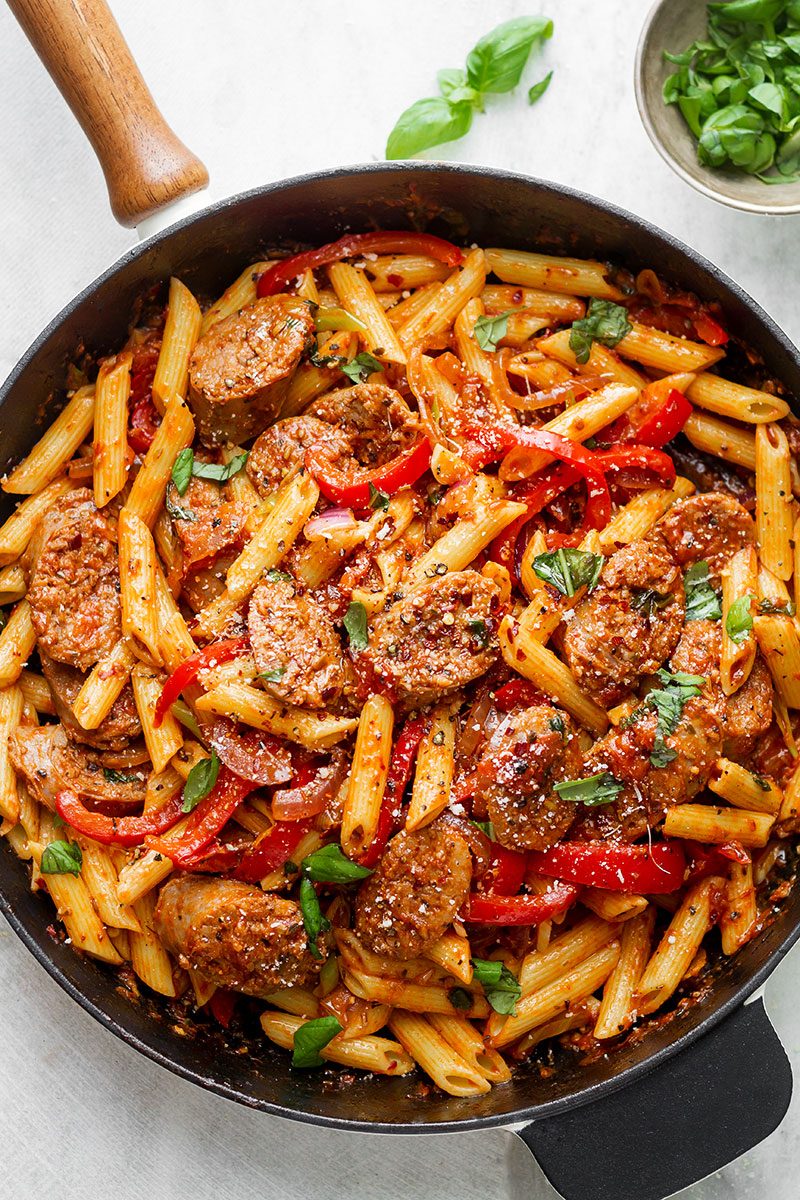
– Grilled fish with a side of roasted vegetables and whole-grain bread
– A bowl of pasta with olive oil, garlic, and cherry tomatoes
2. DASH Diet
The DASH diet is a dietary pattern designed to lower blood pressure and reduce the risk of heart disease. Some meal ideas for the DASH diet include:
– A bowl of oatmeal with fresh berries and a sprinkle of cinnamon
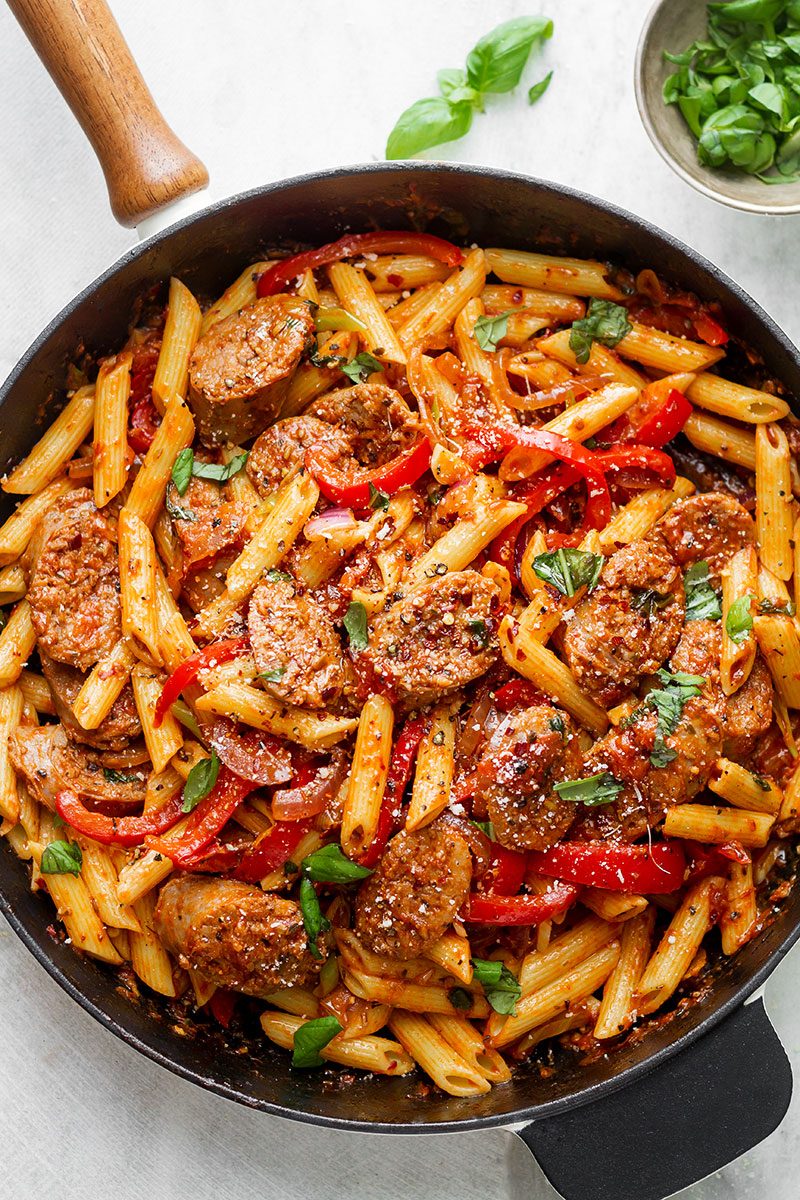
– A sandwich with whole-grain bread, lean turkey, and avocado
– A stir-fry with tofu, vegetables, and brown rice
Conclusion
Meal ideas for a balanced diet are essential for maintaining good health and preventing chronic diseases. By incorporating a variety of food groups, maintaining appropriate portion sizes, and following dietary patterns such as the Mediterranean diet and DASH diet, you can ensure that you are getting all the necessary nutrients for optimal health. Remember, a balanced diet is not just about the food you eat, but also about the overall dietary pattern and lifestyle choices you make.
Recommendations and Future Research
To further promote a balanced diet, it is recommended that individuals seek guidance from registered dietitians or nutritionists. Additionally, future research should focus on the long-term effects of various dietary patterns on health outcomes, as well as the development of innovative meal ideas that are both nutritious and appealing to a wide range of individuals. By doing so, we can continue to improve our understanding of nutrition and promote a healthier society.


