

How to Make a Meal: A Comprehensive Guide to Cooking and Nutrition
Introduction
Cooking is a life skill that supports both health and enjoyment. Whether you are just starting out or already comfortable in the kitchen, knowing how to put together a balanced meal helps you feel better and save money. This guide walks you through the basics of meal planning, ingredient shopping, simple cooking techniques, and everyday habits that make healthy eating easier.
Meal Planning
Why Plan Ahead?
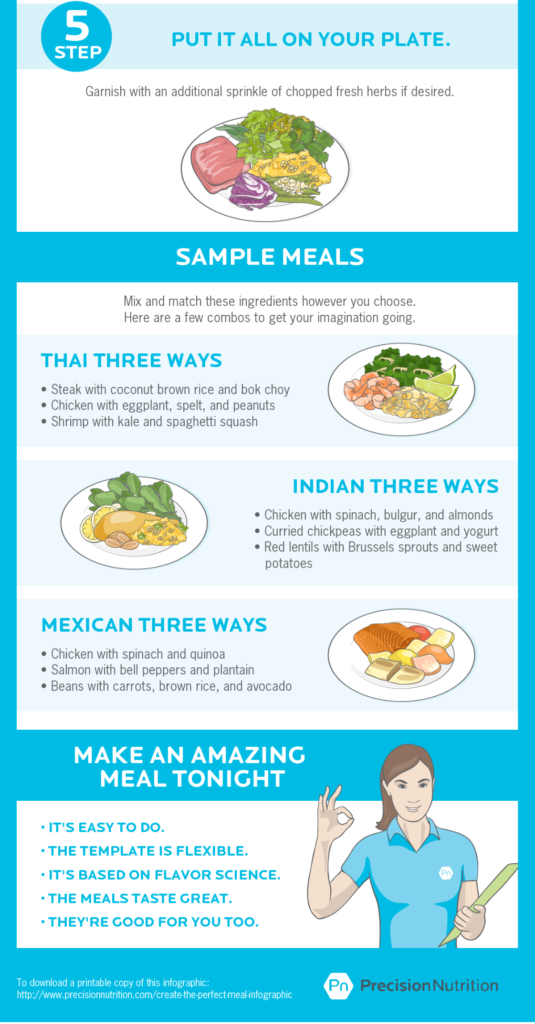
Thinking through your meals in advance keeps you from relying on take-out, cuts food waste, and helps you hit nutritional goals. People who sketch out a loose menu for the week tend to eat more fruits, vegetables, and whole grains without much extra effort.
Steps for Simple Meal Planning
1. Check Your Week: Note nights when you have extra time and nights when you need something fast.
2. Pick a Theme: Meatless Monday, taco Tuesday, or stir-fry Friday makes choices easier.
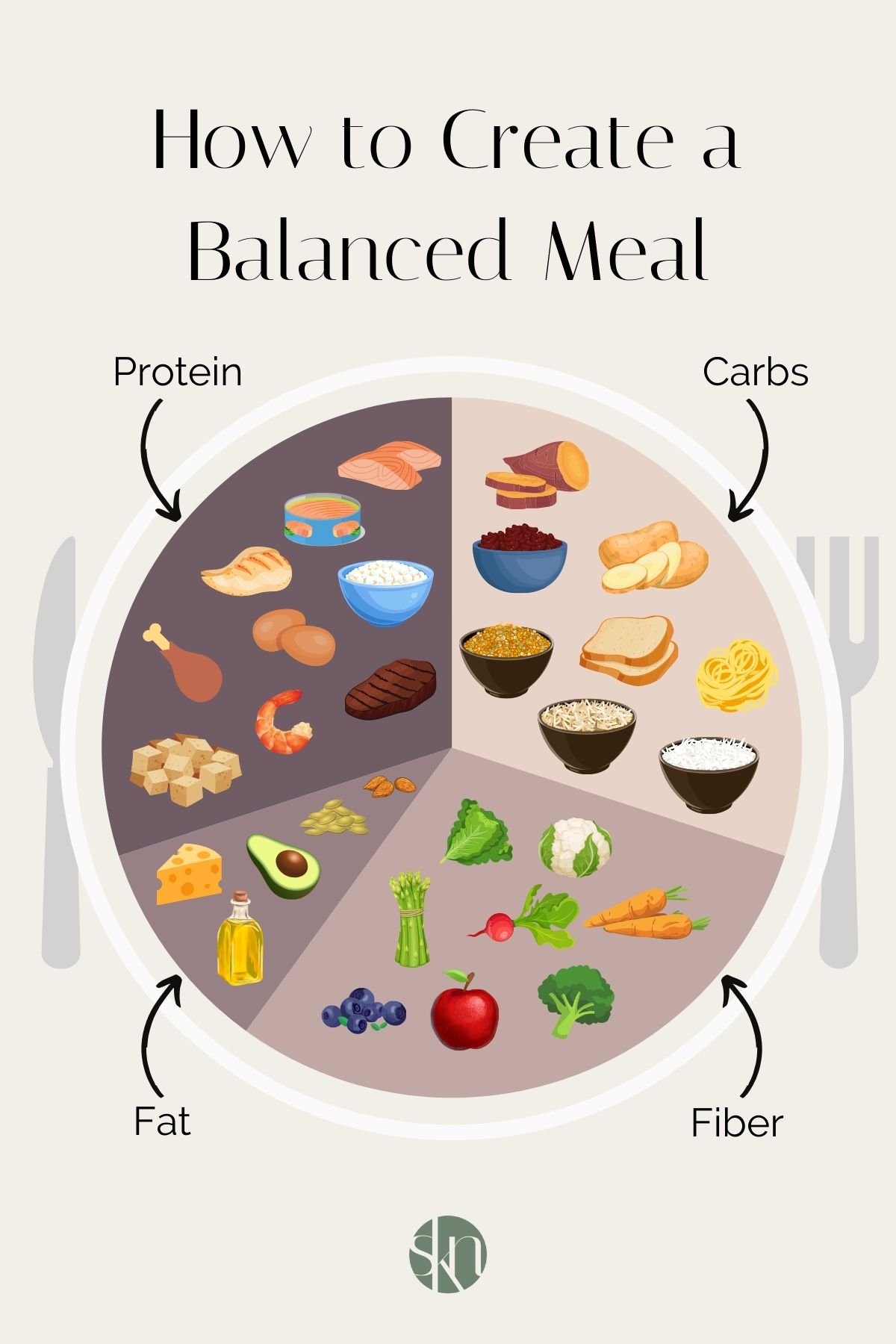
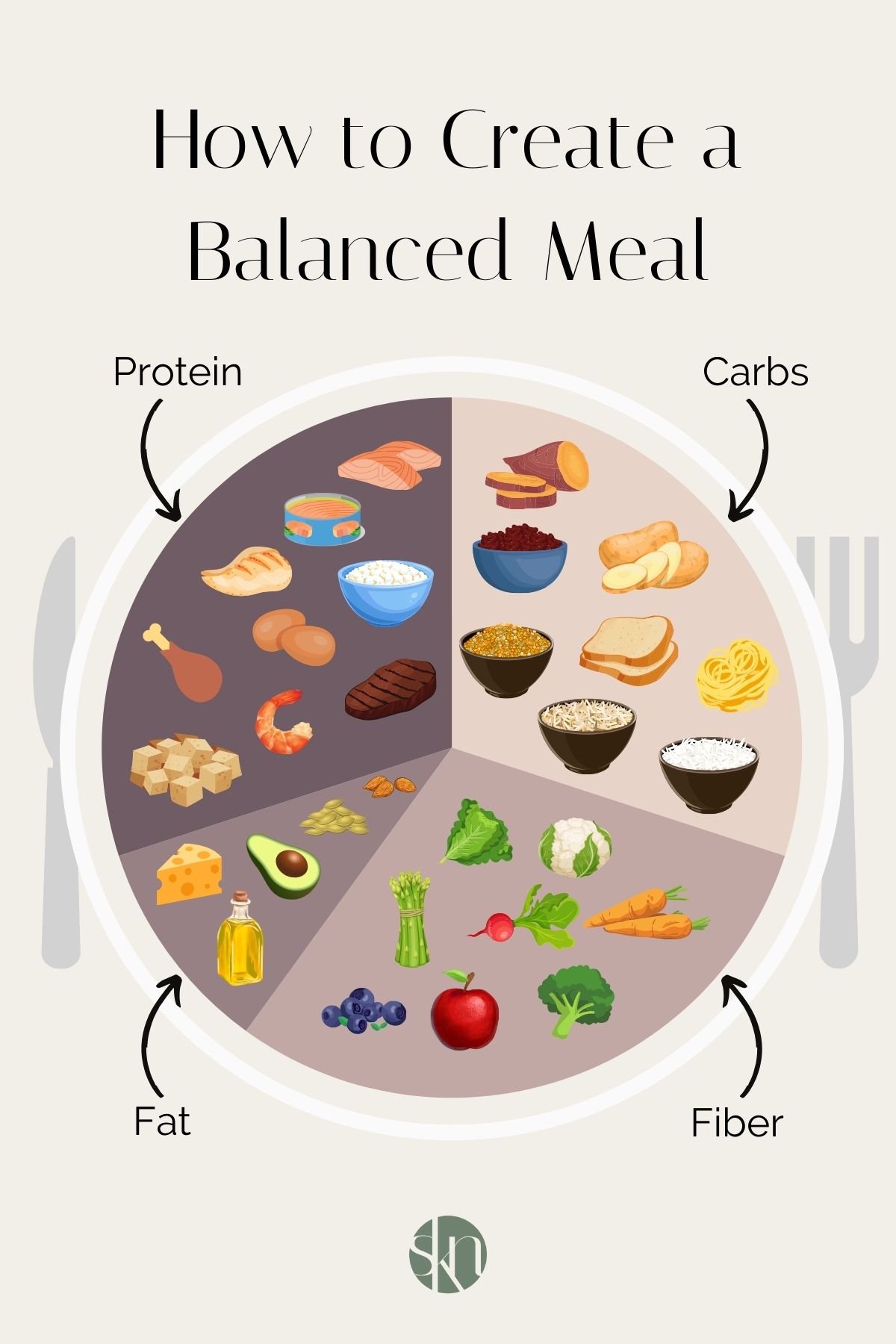
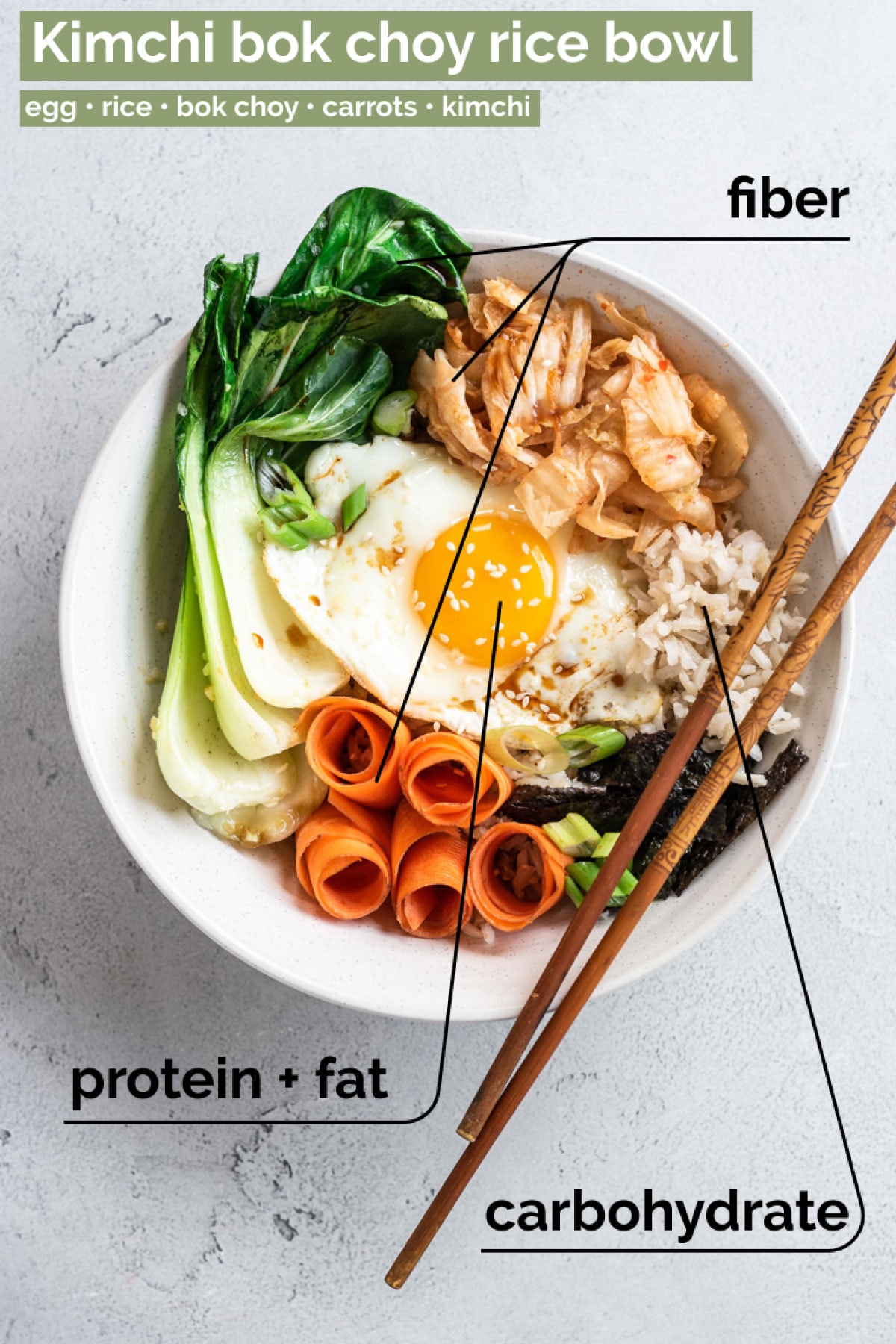
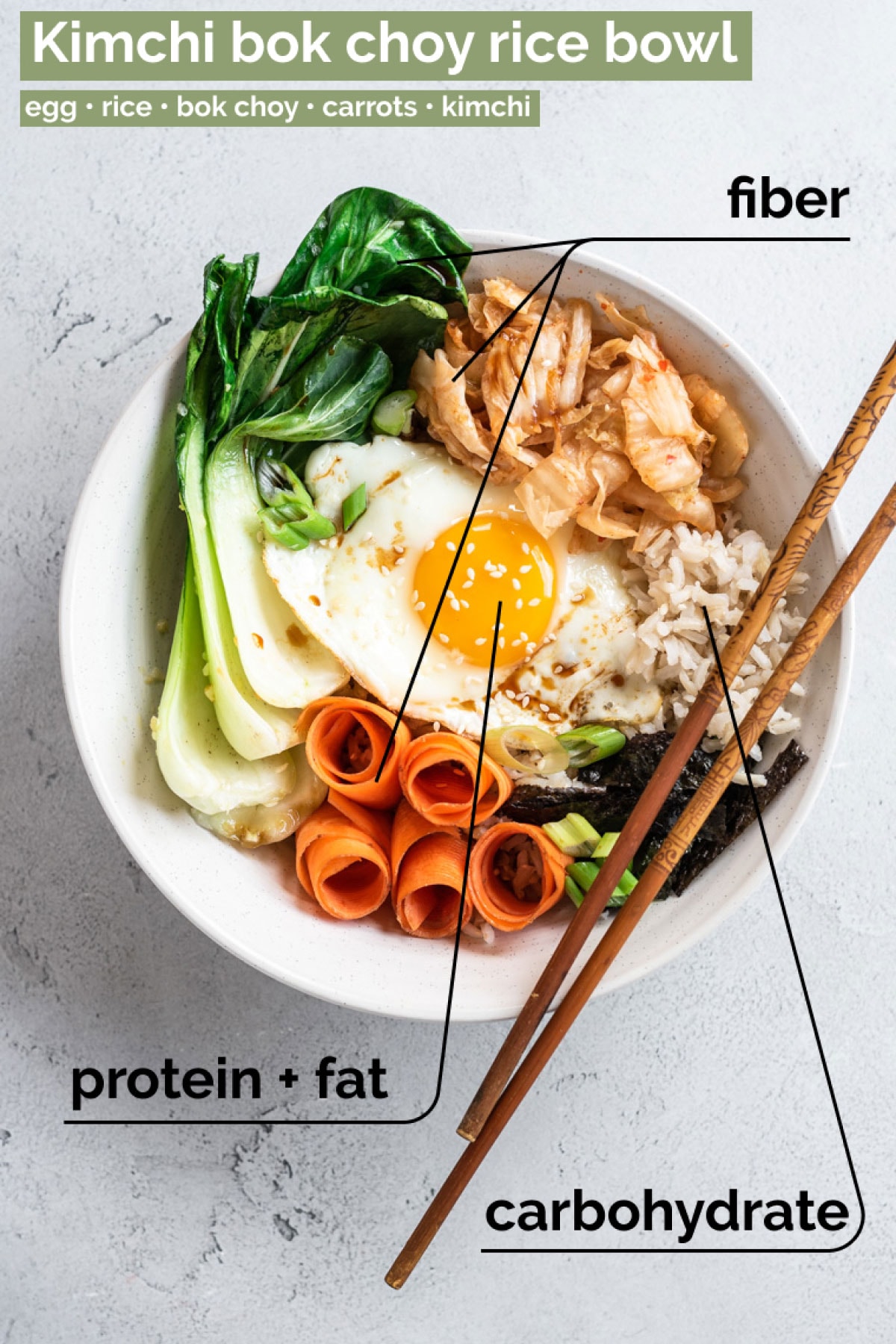
3. Balance the Plate: Aim for half vegetables or fruit, one-quarter lean protein, and one-quarter whole grains or starchy vegetables.
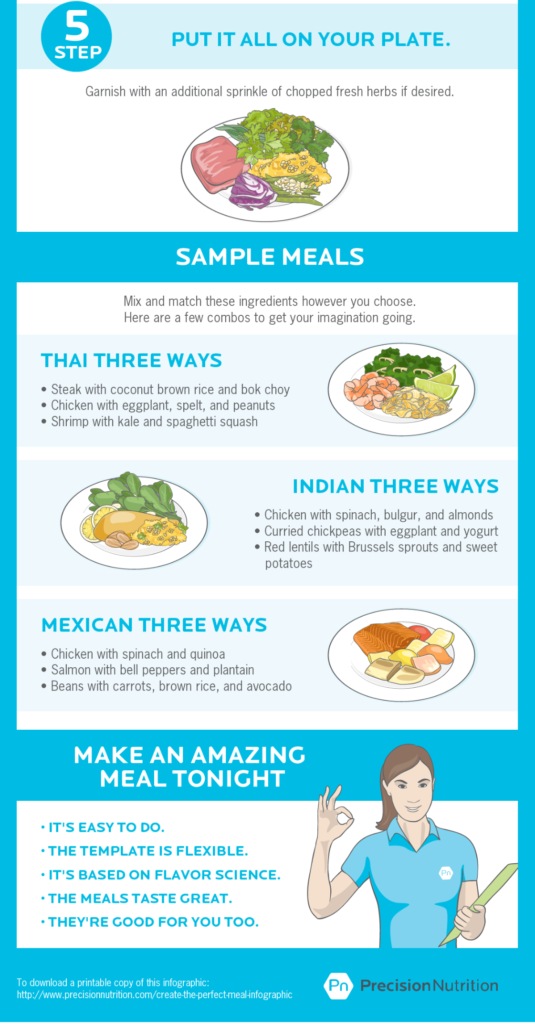
4. Write a Short List: Jot down the ingredients you do not already have; group them by store section to speed up shopping.
5. Prep a Little: Wash greens, cook a batch of brown rice, or marinate protein while you unpack groceries so week-night cooking is faster.
Ingredient Selection
Shopping for Flavor and Nutrition
Fresh food tastes better and usually delivers more nutrients. Keep these pointers in mind:

1. Produce: Choose what looks vibrant and feels firm; frozen options without added sauce are great stand-ins.
2. Protein: Look for skinless poultry, fish, beans, lentils, tofu, or lean cuts of meat.
3. Dairy or Alternatives: Plain yogurt, unsweetened plant milks, and modest amounts of cheese add calcium without loads of sugar.
4. Grains: Swap white rice and pasta for brown rice, quinoa, farro, or whole-wheat noodles to boost fiber.
Cooking Techniques

Gentle Methods That Keep Nutrients
How you cook is almost as important as what you cook. Try these approaches:
1. Steaming: Keeps vitamins in vegetables and requires no oil.
2. Baking: Uses steady, dry heat so you can limit added fat while building flavor.
3. Grilling: Lets fat drip away and adds smoky taste; just avoid charring.
4. Quick Sauté: A teaspoon of oil in a non-stick pan cooks thin cuts fast while preserving color and crunch.
Trimming Extras Without Losing Taste
1. Switch Fats: Use olive or canola oil instead of butter for most sautéing and roasting.
2. Boost Flavor: Garlic, citrus zest, herbs, and spices reduce the need for salt.
3. Rinse and Drain: Canned beans and fish packed in water rather than brine cut sodium automatically.
Healthy Eating Habits
Right-Sized Portions
Large plates encourage large servings. Try these tricks:
1. Downsize Dishes: A nine-inch plate looks full with less food.
2. Serve, Then Sit: Dish food in the kitchen instead of bringing whole bowls to the table to avoid mindless second helpings.
3. Slow Down: Put your fork down between bites and sip water; it takes about twenty minutes for fullness signals to reach the brain.
Stay Hydrated
Water supports digestion, energy, and skin health. Keep a reusable bottle nearby and flavor it with cucumber, mint, or berries instead of sugary syrups.
Conclusion
Putting together a nutritious meal is less about gourmet skills and more about small, repeatable habits: plan a little, shop smart, cook simply, and listen to your body. Start with one change—maybe prepping tomorrow’s lunch tonight—and build from there. Over time, the kitchen becomes less intimidating and more inviting, one balanced plate at a time.
Future Research
Questions worth exploring next:
1. How weekly meal planning affects long-term food choices and food waste.
2. Which cooking methods best preserve heat-sensitive vitamins while keeping meals appealing.
3. Ways to design kitchen tools that make healthy cooking faster and more accessible for busy households.
Answering these questions can help more people enjoy homemade meals that are good for both body and budget.


