

Diverse Paths to the Plate: How Cooking Styles Shape Flavor and Wellness
Every kitchen is a small laboratory where heat, time, and creativity turn raw ingredients into memorable meals. The technique you choose not only decides taste and texture but also influences how nourishing the final dish will be. This overview walks through widely used methods, explains what each does best, and shows how small changes at the stove can lead to big differences on the plate.
Boiling: Gentle Bubbles, Big Results
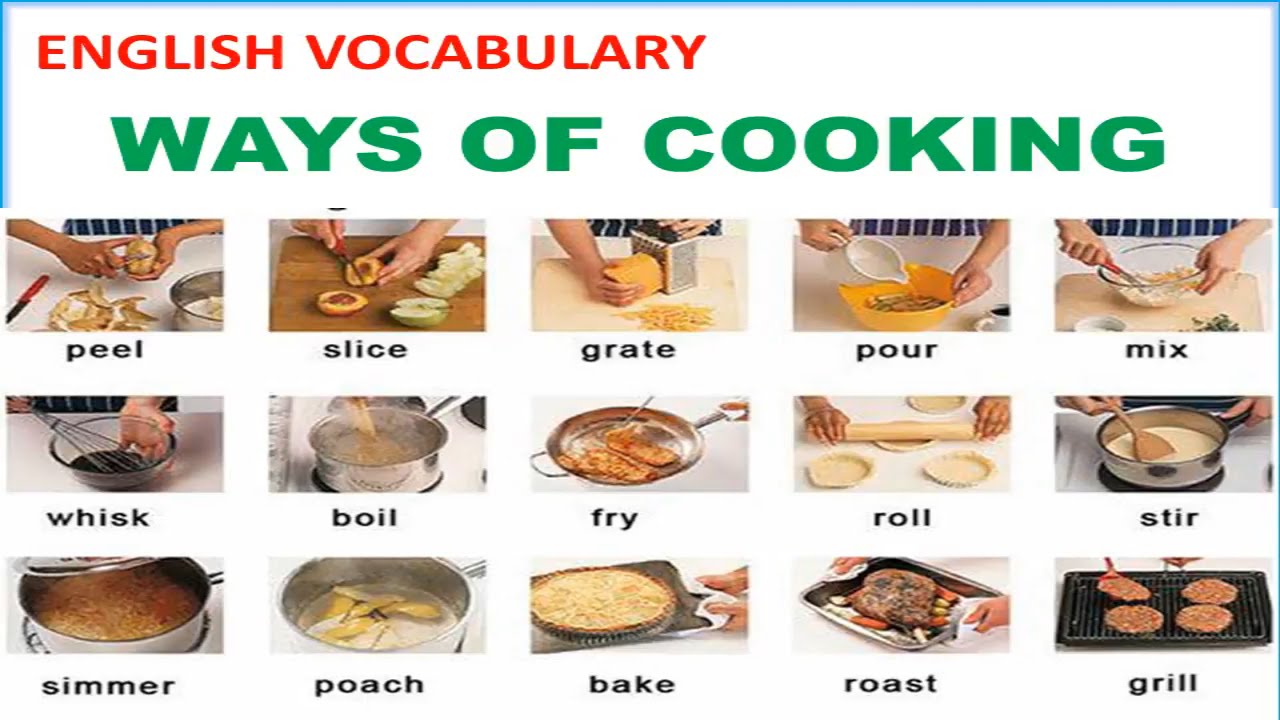
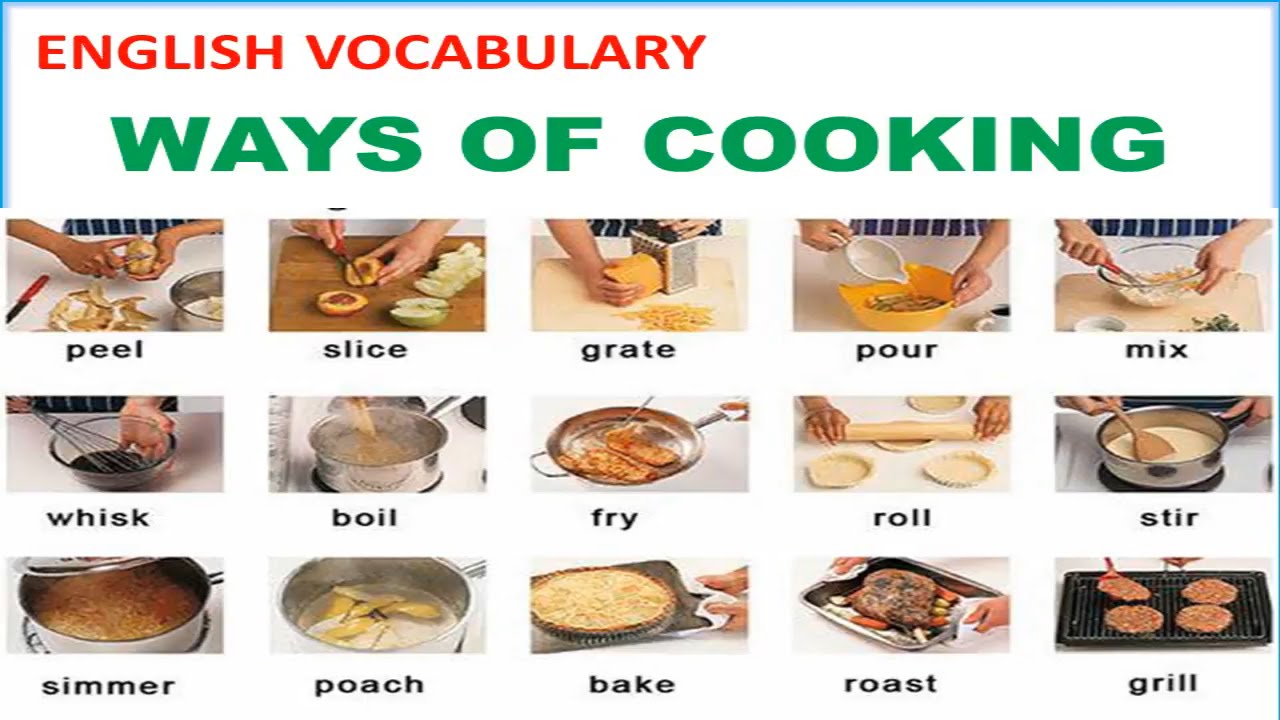
Boiling is the uncomplicated act of cooking food in vigorously bubbling water. It softens fibers fast, making it perfect for pasta, grains, and sturdy vegetables. Because the food is surrounded by liquid, colors stay bright and some water-soluble vitamins are preserved—provided cooking times are short. To keep nutrients in the dish rather than the pot, lift ingredients out as soon as they reach the desired tenderness and save the liquid for soups or sauces.
Steaming: Flavor in the Vapor
Steaming suspends food above simmering water so that only vapor touches it. Without oil in the pan, the natural taste of fish, greens, or dumplings remains vivid, and delicate vitamins are less likely to wash away. A tight-fitting lid and steady, moderate heat are all that’s required for evenly cooked, vibrantly colored results.
Baking: Quiet Heat, Deep Taste
Baking surrounds food with dry, even heat, encouraging browning reactions that build complex flavor. Breads develop crackling crusts, root vegetables caramelize, and meats cook through while their exteriors turn golden. Success depends on accurate oven temperature and giving each item enough space for hot air to circulate.
Grilling: Fire-Kissed and Smoky
Grilling places food directly over glowing coals, gas flames, or an electric element. The intense heat sears surfaces, creating the prized crust that locks in juices and delivers a hint of smoke. Choosing lean cuts, trimming excess fat, and turning items often reduce flare-ups and keep charring light, letting the natural sweetness of vegetables and proteins shine.
Sautéing: Fast Heat, Fresh Color
Sautéing means “to jump” in French, a nod to the quick motion of tossing ingredients in a hot pan with a thin film of oil. High heat and constant movement seal in moisture, coax out sweetness, and leave vegetables brightly colored. A wide pan and evenly cut pieces prevent steaming and encourage the light browning that signals flavor in the making.
Stewing: Time, Temperature, Tenderness
Stewing combines modest heat, a flavorful liquid, and plenty of time to relax tough fibers into fork-tender bites. As the pot simmers, aromas mingle and sauces thicken naturally, yielding comfort foods that taste even better the next day. Keeping the lid slightly ajar allows slow evaporation that concentrates flavor without drying the contents.
Conclusion
Each cooking style is a tool in the culinary kit, ready to highlight different facets of the same ingredient. Rotating among them keeps meals exciting and diets balanced, proving that the journey from pantry to plate can be as creative as it is nourishing.
Ultimately, the method you select shapes the dish as surely as the recipe itself. By matching technique to ingredient and mood, you can serve everything from crisp-tender vegetables to melt-in-the-mouth meats while preserving both taste and nutrition.
Looking ahead, home cooks and scientists alike continue to study how heat and time alter nutrient availability. Emerging approaches—think gentle water-bath cooking or rapid vacuum sealing—promise even finer control over texture and healthfulness, ensuring the story of cooking stays fresh for generations to come.


