

The Value of Home-Cooked Meals
Introduction
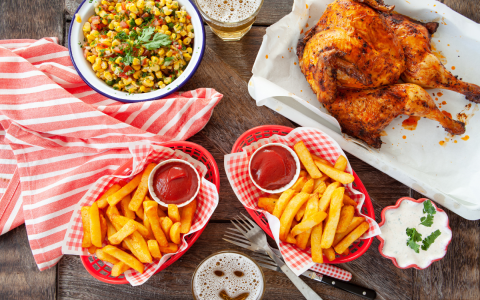
Food is woven into every day of our lives, shaping both body and mood. Among the countless choices on store shelves or delivery apps, a simple dish made in a familiar kitchen often feels irreplaceable. This piece looks at why home cooking still matters, the quiet rewards it brings, and how it can outshine flashier options.
What Counts as Home-Cooked?
At its heart, a home-cooked meal is any dish prepared from scratch in your own space, using ingredients you select yourself. It is less about gourmet technique and more about freshness, balance, and the attention you give the pot as it simmers.

Nutritional Upside
When you stand at the stove, you decide how much salt, sugar, or oil goes in. Vegetables stay bright, grains stay whole, and portions stay sensible. Over time, these small choices add up to steadier energy, easier digestion, and a lighter step on the scale.
People who cook most evenings also tend to reach for fruit and leafy greens far more often than those who depend on take-out, simply because the ingredients are already on hand.
Emotional and Social Warmth
A shared chopping board invites conversation. Children taste sauce from the spoon, partners set the table, friends drop by for a cup of something hot. These moments weave memories tighter than any restaurant reservation can. Even cooking alone can soothe: the rhythm of kneading dough or stirring soup slows the breath and quiets the mind after a noisy day.

Budget Relief
A bag of lentils, a tray of seasonal vegetables, and a few pantry spices can feed a household for the price of a single delivered entrée. Planning one weekly shop, stretching leftovers into tomorrow’s lunch, and freezing extra portions keeps both the wallet and the rubbish bin happier.
Health Protection, Plate by Plate
Balanced meals cooked at home lower the odds of the chronic illnesses that often trail behind highly processed fare. Each time you choose grilled fish and greens over something deep-fried and sugar-glazed, you vote for steadier blood sugar, clearer arteries, and a brighter mood.
Why the Habit Is Slipping
Long workdays, endless screens, and the promise of instant meals conspire to keep stoves cold. The price is paid in sluggish afternoons, expanding waistlines, and the slow fade of kitchen confidence. Reversing that slide starts with remembering that convenience is not always kind.
Home Cooking in a Hurried Era
Amid back-to-back meetings and midnight emails, the act of heating oil in a pan can feel like rebellion—an insistence that time remains yours to shape. A pot of beans bubbling while you answer e-mails still perfumes the house with care, anchoring the day in something real.
Conclusion
Meals made at home nourish more than the body. They steady budgets, deepen bonds, and remind us that the simplest ingredients—heat, timing, a pinch of curiosity—can still create magic. Protecting space for that ritual is one of the gentlest, most powerful acts of self-care a household can practice.
Next Steps
Communities can keep the flame alive by offering relaxed evening classes, swapping surplus garden produce, and sharing one-pot recipes that finish before the news begins. Schools can invite grandparents to teach bread-making, turning math and science into something you can taste. Researchers, meanwhile, can keep measuring how a return to the stove reshapes waistlines, wallets, and well-being—then spread the word so more people feel at home behind a burner.


