

The Art and Science of the Menu
Introduction
A menu is far more than a simple list of dishes; it is the silent ambassador of a restaurant, translating the kitchen’s passion into words that spark appetite and curiosity. Thoughtfully composed, it guides guests through flavors, stories, and the overall spirit of the house. This article explores how a menu is crafted, why it matters, and the subtle ways it shapes every meal.
Why the Menu Matters
The moment a guest opens the menu, the restaurant begins its conversation. A clear, inviting layout can awaken interest, while a cluttered or confusing one can dampen enthusiasm even before the first bite. When descriptions are vivid and organization is intuitive, the menu quietly nudges diners toward choices that satisfy both palate and pocket, ultimately supporting the restaurant’s success.
A Mirror of Personality
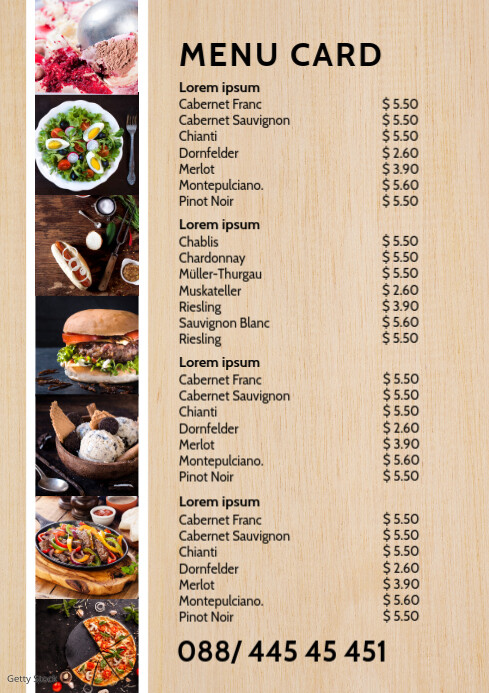
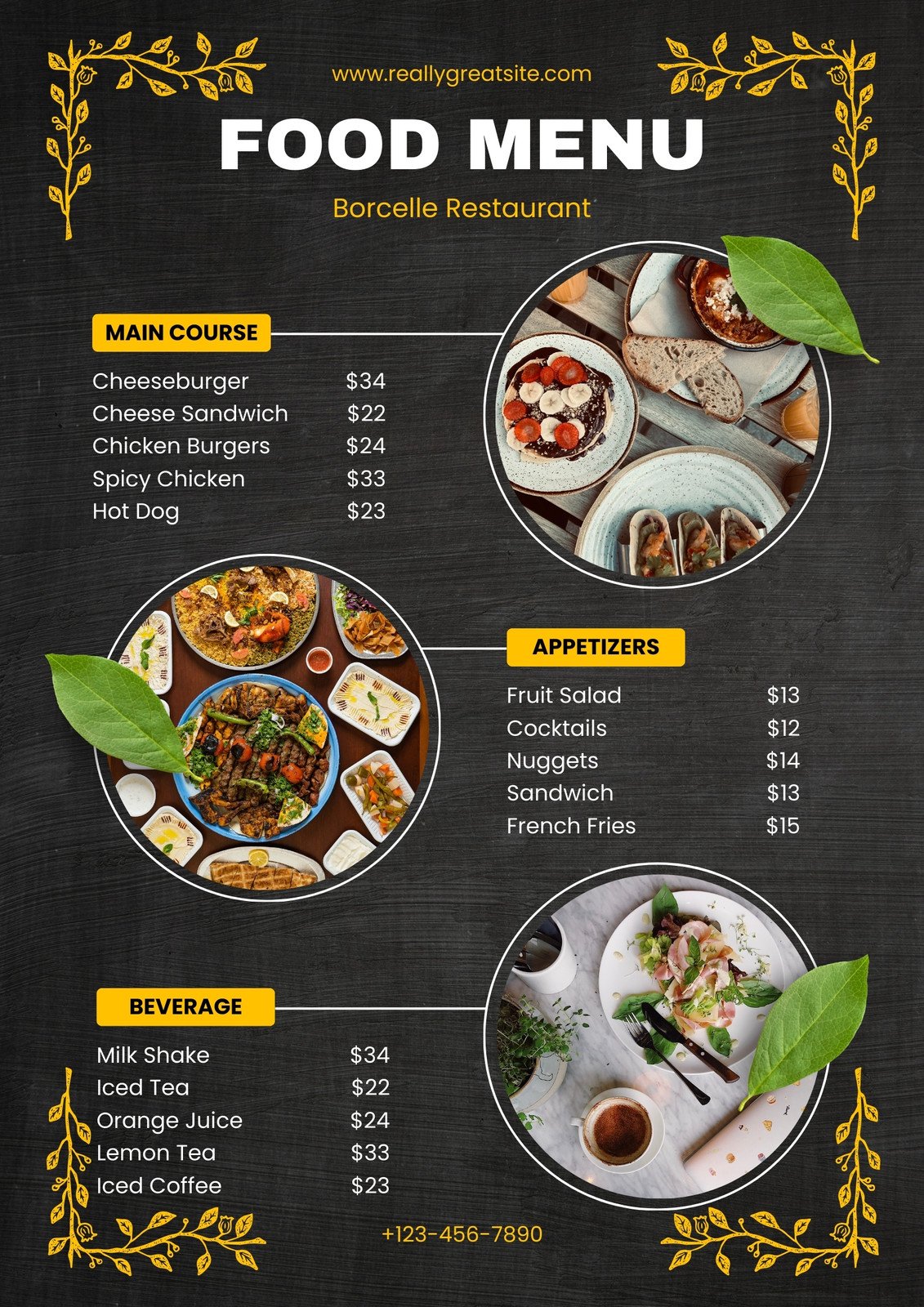
Every menu tells a story about the people behind the stove. Seasonal produce highlighted in colorful language signals care for freshness; concise, classic wording may hint at reverence for tradition. Typography, color palette, and even the paper stock work together to echo the venue’s character—whether playful, rustic, or refined—so that the first physical touchpoint feels consistent with the last sip of coffee.
Guiding the Decision
Strategic placement, gentle highlights, and evocative names steer attention without overt pressure. A short, well-paced list can reduce anxiety, while brief tales of origin or cooking method transform a dish from mere sustenance into an experience worth trying. The balance of familiar and novel offerings invites comfort while still encouraging exploration.
Key Ingredients of Menu Design
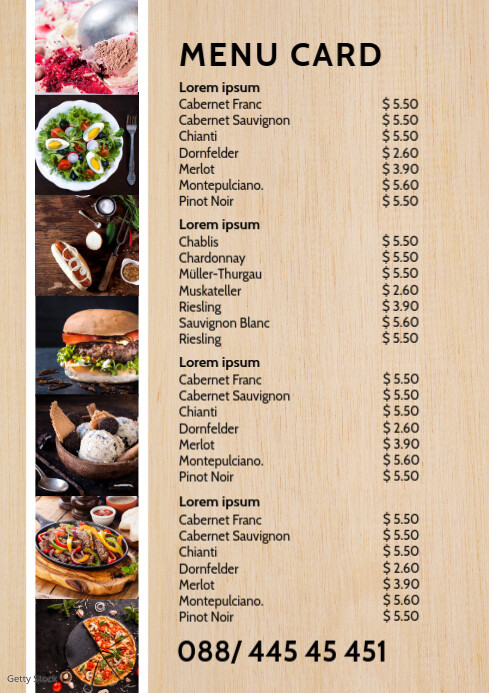
Creating an effective menu is a blend of psychology, art, and practicality. Several elements come into play: who will read it, what cuisine is served, and how the brand wishes to be remembered.
Knowing the Guest
Business lunches call for quick-scan formats and reliable favorites; weekend brunch crowds might enjoy playful illustrations and shareable plates. Recognizing pace, price sensitivity, and cultural preferences allows the menu to feel personally addressed to each table.
Cuisine as Compass
A tasting-menu establishment can afford lyrical descriptions and ample blank space, signaling unhurried indulgence. A fast-casual spot, on the other hand, benefits from concise panels that speed up line flow. The cuisine itself—its complexity, its staples, its rituals—dictates visual rhythm and vocabulary.
Brand Harmony
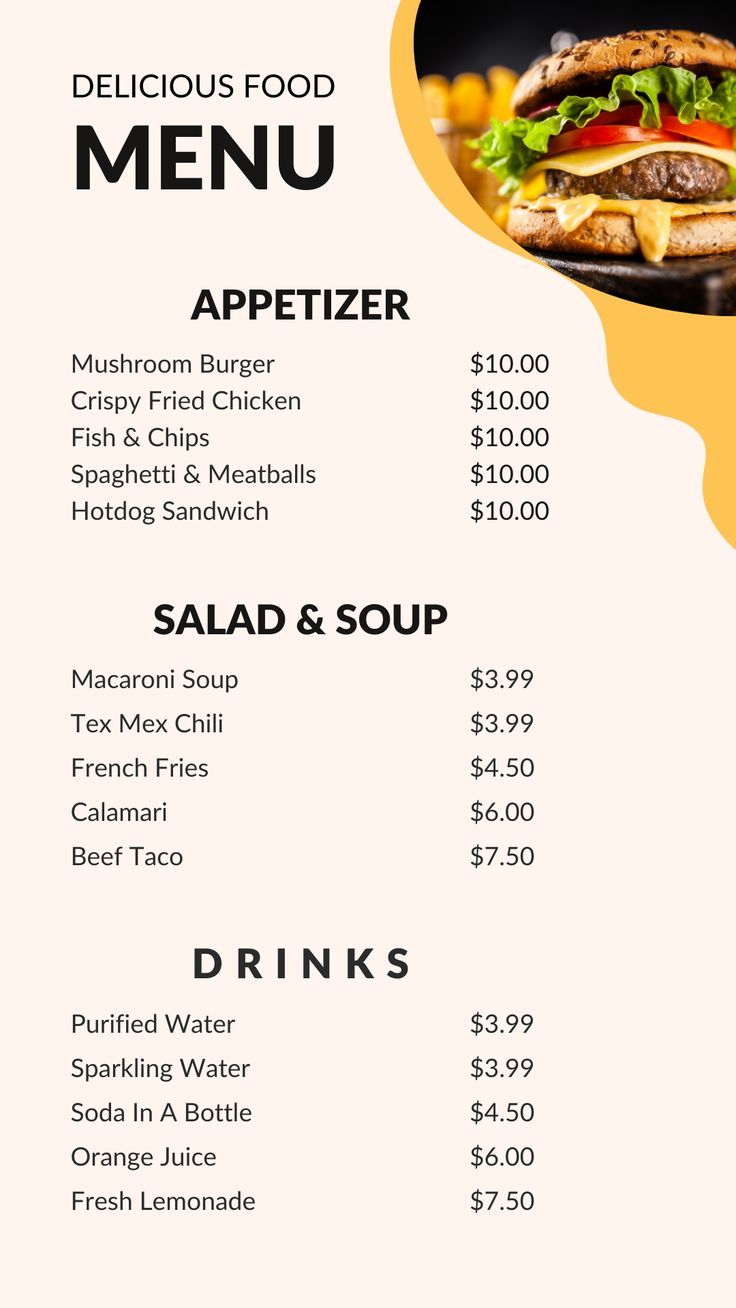
Fonts, colors, and imagery should resonate with the interior design, social-media voice, and staff uniforms. Consistency breeds trust; when the menu feels like a natural extension of the surroundings, the entire visit feels seamlessly choreographed.
How the Menu Shapes the Meal
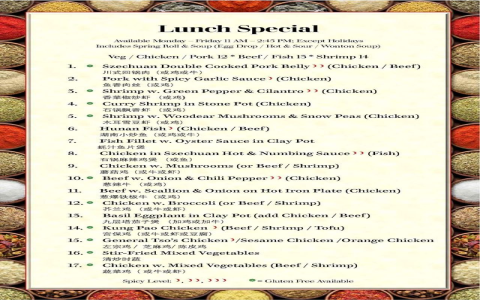
Beyond ordering, the menu sets emotional expectations. A carefully described signature plate can elevate its perceived worth, while seasonal inserts create a sense of occasion. Clear symbols for spice level or dietary notes reduce friction, allowing guests to relax and anticipate pleasure rather than puzzle over choices.
Adding Perceived Value
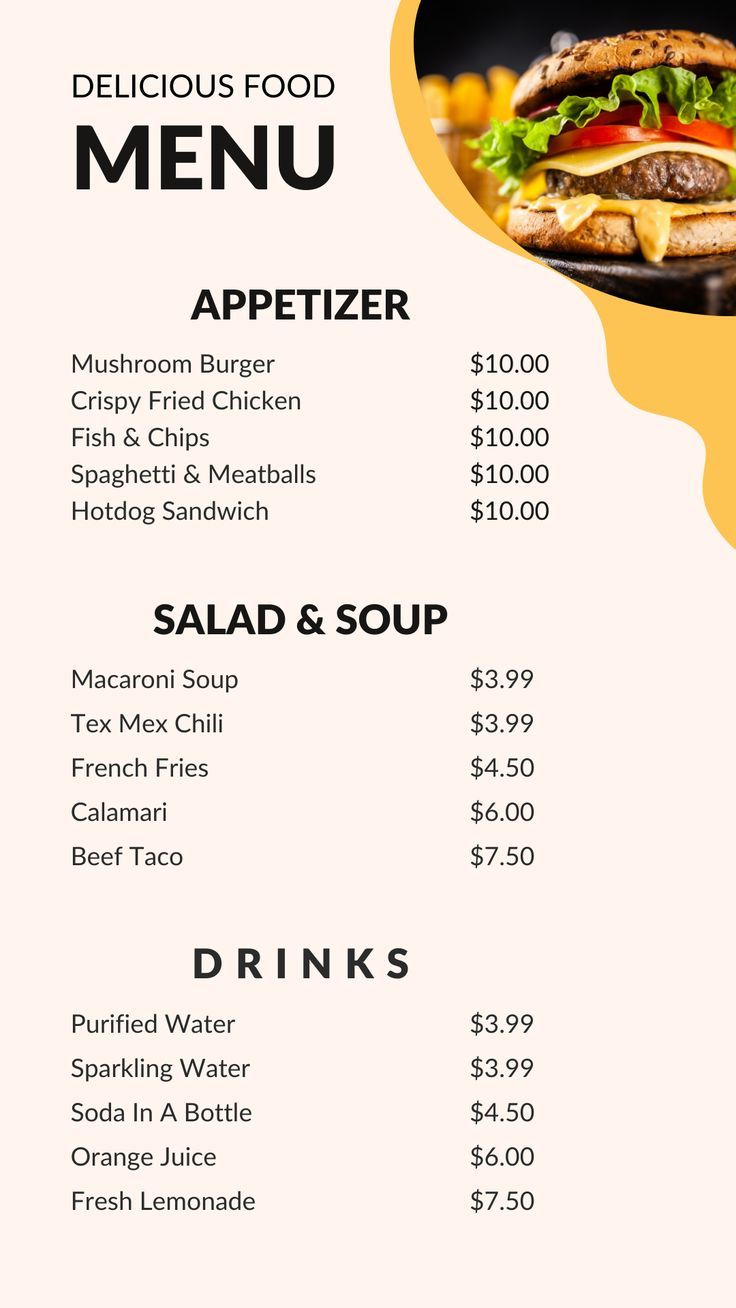
Stories need not be long: “slow-roasted overnight” or “hand-picked herbs at dawn” paints enough imagery to suggest craft and care. Such touches justify premium pricing and leave diners feeling they have invested in something special.
Influencing Pace and Mood
An easy-to-navigate layout shortens decision time, turning hungry newcomers into happy patrons faster. Conversely, a leisurely, multi-page journey can encourage wine pairings and extra courses, stretching an anniversary into an unforgettable evening.
Insights from Practice
Industry observations repeatedly confirm that small menu tweaks yield measurable shifts in popularity and profit. Specialists note that items placed at the top of columns or framed by white space often gain traction, while vivid adjectives increase recall and satisfaction scores.
Research Spotlight
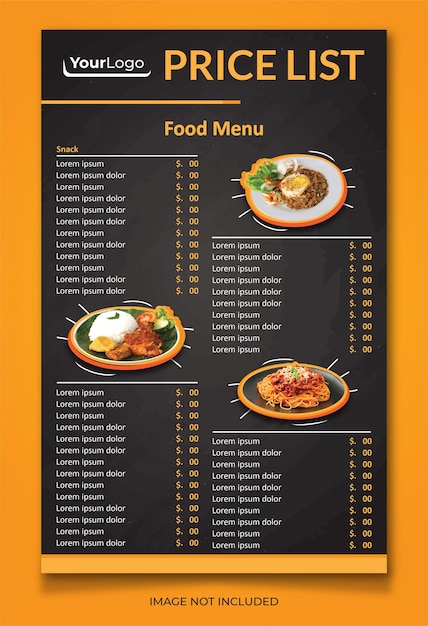
Controlled experiments in university labs and live restaurants show that descriptive labels raise uptake by noticeable margins. Diners who understand a dish’s origin or preparation report higher post-meal happiness, even when the recipe itself remains unchanged.
Professional Wisdom
Veteran chefs often remark that the menu is the first dish a guest tastes—with their eyes. When the narrative aligns with the plate, trust is built before the first bite, setting the stage for a loyal relationship.
Conclusion
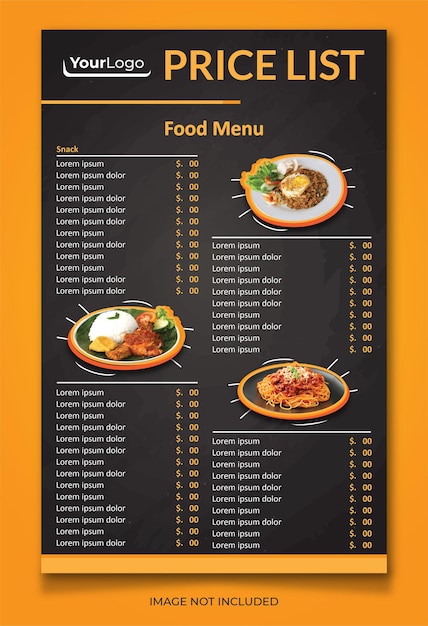
A menu is a living document where strategy meets storytelling. By respecting the audience, honoring the cuisine, and refining every word and whitespace, restaurateurs transform a simple list into a powerful ally that enhances both revenue and remembrance.
Practical Next Steps
To keep the menu fresh and effective, teams can adopt the following habits:
1. Gather informal feedback weekly, noting which descriptions guests quote back.
2. Collaborate with designers to ensure readability across lighting conditions.
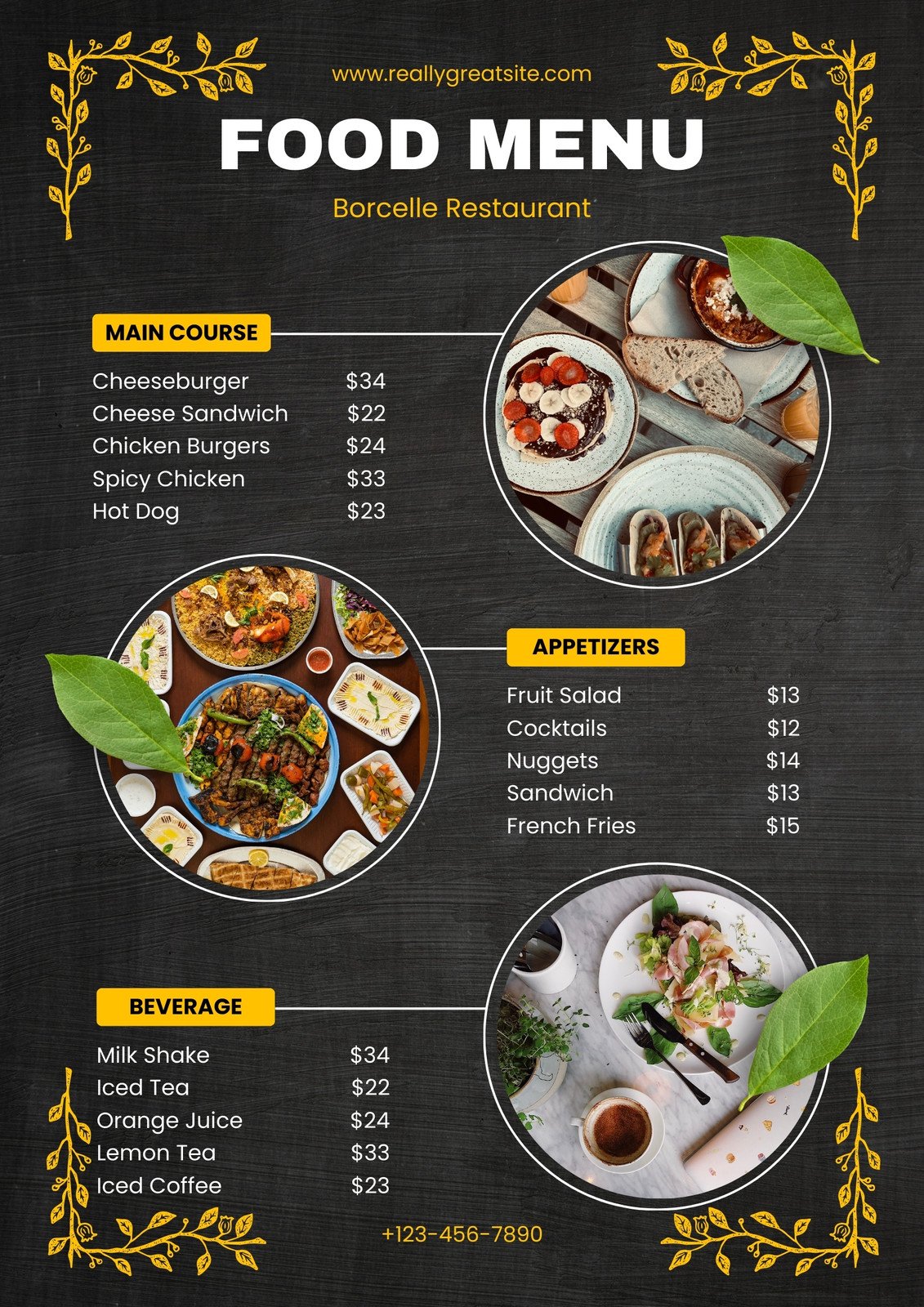
3. Rotate language with the seasons, letting ingredients lead the narrative.
4. Test one change at a time—price, placement, or prose—to measure impact clearly.
Areas worth further exploration include:
1. How digital menus affect order size and dwell time.
2. The role of icons and color in communicating dietary information.
3. The balance between narrative length and decision fatigue across age groups.
By treating the menu as both canvas and compass, restaurants can continue to surprise, delight, and welcome guests old and new in an ever-evolving culinary world.


