
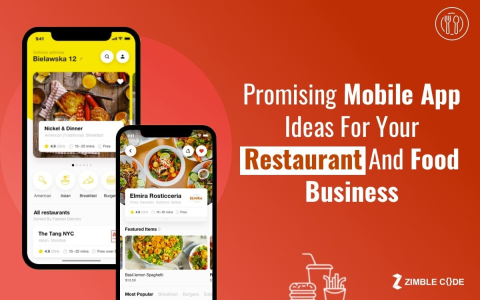

The Future of Food Delivery: Fresh App Concepts for a Connected World
Digital habits are reshaping how we eat. Mobile platforms now guide everything from weeknight dinners to grocery staples, turning phones into personal food assistants. This overview surveys next-generation concepts that could make ordering faster, greener, and more enjoyable for everyone.
Understanding the Current Landscape of Food Apps
Meal-delivery services have expanded from simple take-out portals to ecosystems covering restaurants, cloud kitchens, and supermarket runs. Users expect speed, variety, and transparent service. To stay relevant, new entrants must surprise diners with thoughtful extras rather than coupon wars alone.
Innovative Food App Ideas
Personalized Recommendations
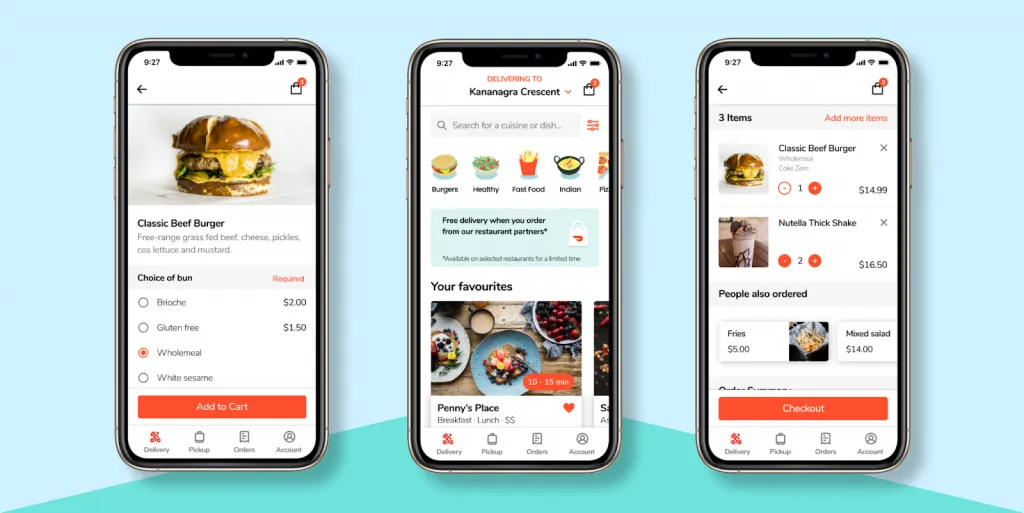
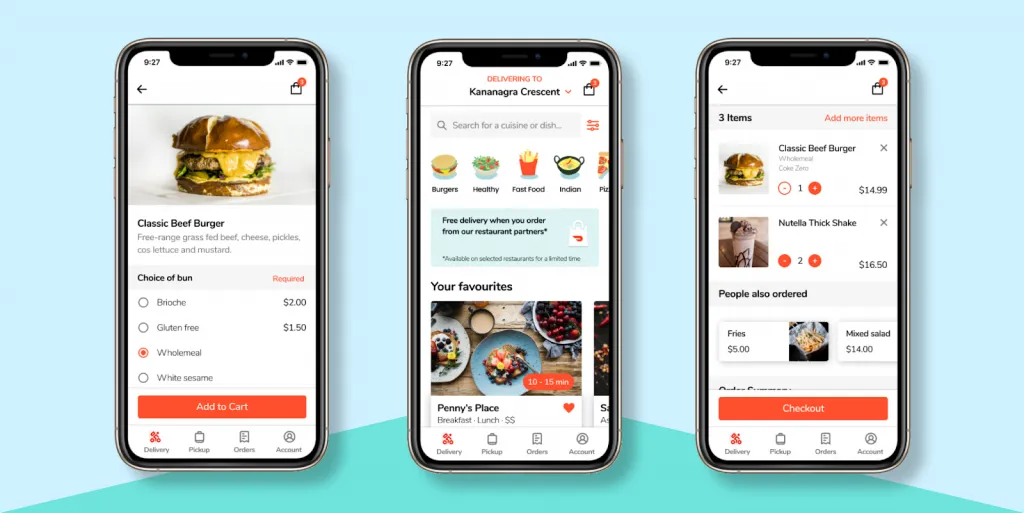
Smart engines can study flavor likes, budget caps, and nutrition goals, then surface dishes that feel hand-picked. The more the system learns, the less time diners spend scrolling, and the more likely they are to return.
Collaboration with Local Restaurants
Spotlighting neighborhood bistros and food trucks gives users authentic choices while helping small kitchens reach wider audiences. Rotating pop-up menus and chef stories add a human touch that chains cannot match.
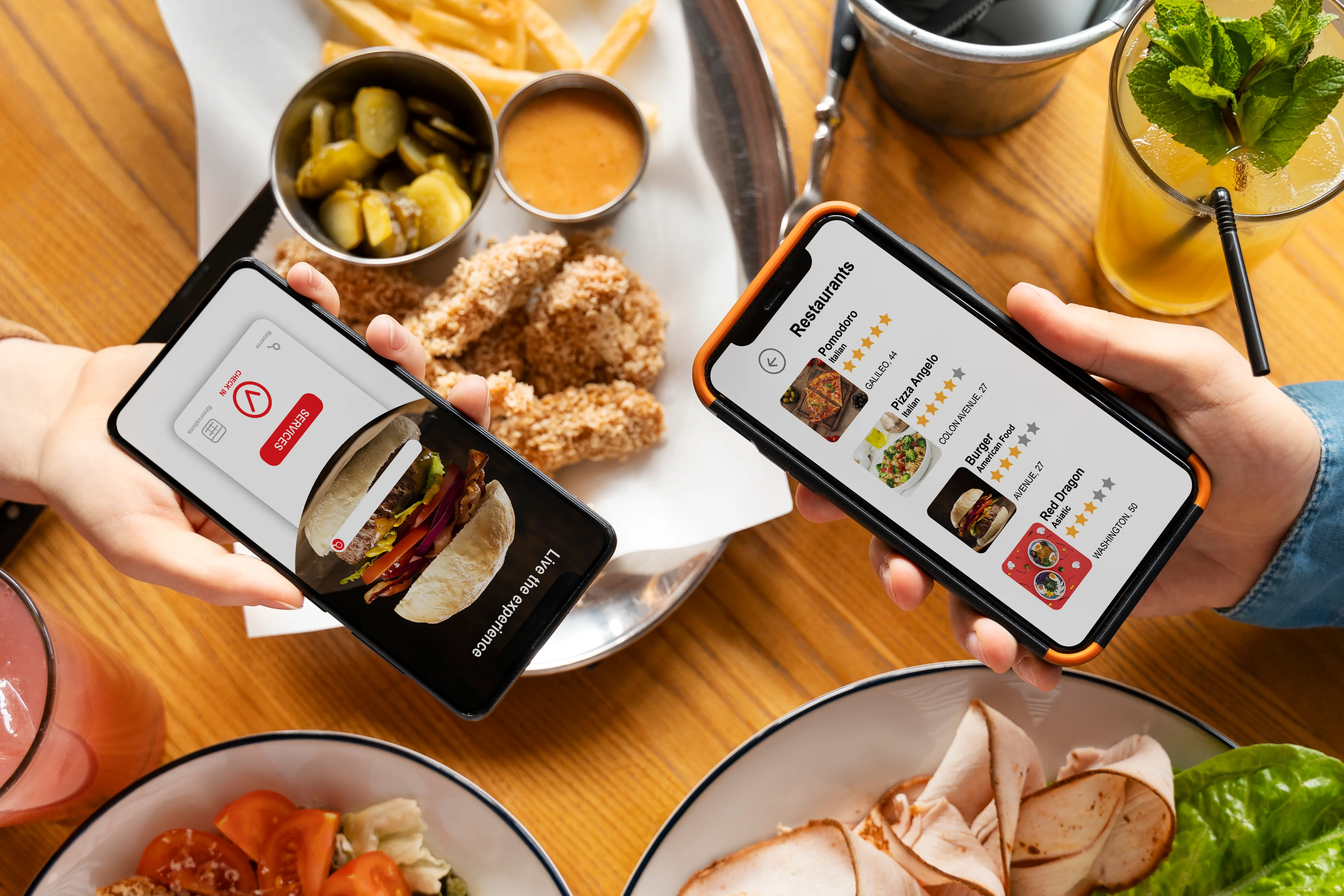
Augmented Reality (AR) for Menu Exploration
AR previews let customers see portion size, ingredients, and plating before they commit, reducing guesswork and waste. Filters for allergens or calorie ranges can hover beside each virtual dish.
Real-Time Delivery Tracking
Live maps, courier photos, and countdown timers turn waiting into a transparent mini-experience. Accurate updates lower support tickets and build trust.
Integration with Health and Fitness Apps
Syncing meal data with daily activity logs helps people balance indulgence and wellness. Gentle nudges—like suggesting lighter sides after a sedentary day—can guide better choices without sounding preachy.
Case Studies and Success Stories
Some platforms now operate virtual food halls that host multiple brands under one roof, cutting wait times and expanding choice. Subscription programs that bundle free delivery and occasional treats have also proven popular, showing that loyalty can be bought with convenience rather than discounts alone.
Challenges and Considerations
Rapid growth brings hurdles: protecting user data, ensuring fair pay for drivers, and minimizing packaging waste. Apps that tackle these issues openly will earn public goodwill and smoother regulatory sailing.
Conclusion
Tomorrow’s winners will blend smart tech with genuine care for diners, couriers, and the planet. Personalized suggestions, immersive menus, and ethical operations are no longer extras—they are the main course.
Recommendations and Future Research Directions
To keep momentum, stakeholders should:
1. Channel funds into AI that respects privacy while refining taste profiles.
2. Build transparent partnerships with indie eateries and local producers.
3. Design reusable or minimal packaging systems that shrink the carbon footprint.
4. Create open feedback loops where users, drivers, and restaurants co-create policies.
Open questions for researchers:
1. How do delivery platforms affect neighborhood dining culture and employment?
2. What long-term habits form when meals arrive on demand?
3. Can new algorithms balance excitement and health without feeling intrusive?
Pursuing these lines of inquiry will help the industry serve meals—and communities—better every year.


