
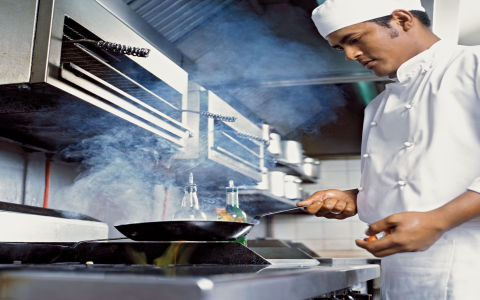

The Impact of Communal Cooking on Modern Society
Introduction
In recent years, the idea of preparing food together has moved from the kitchen to the forefront of social life. Communal cooking—simply gathering to chop, stir, and share a meal—has quietly reshaped how we think about food, friendship, and daily routines. This article explores why cooking side-by-side is gaining ground, what it offers participants, and how neighborhoods and families are changed by the experience.
The Evolution of Cooking
From the first fireside meals to today’s smart appliances, cooking has always mirrored human progress. Early communities cooked to survive; later generations turned recipes into heirlooms and dinner tables into meeting places. The twentieth-century surge in ready-meals and take-out temporarily shifted priorities toward speed, yet the recent return to shared preparation signals a collective wish to slow down and reconnect.
The Benefits of Communal Cooking
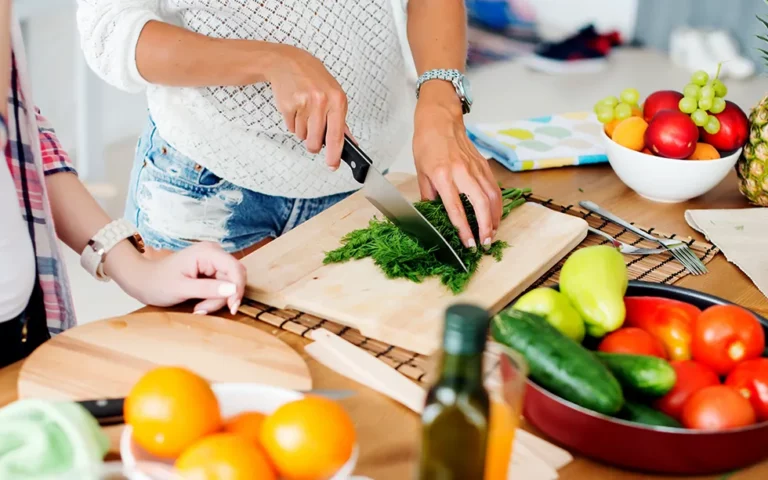
Cooking together delivers rewards that reach far beyond the plate:
1. Improved Health
When people chop vegetables and season sauces themselves, they naturally lean toward fresher ingredients and balanced portions. Home-prepared dishes usually contain less salt, sugar, and processed fat than restaurant equivalents, supporting steady energy and long-term wellness.
2. Enhanced Social Connections
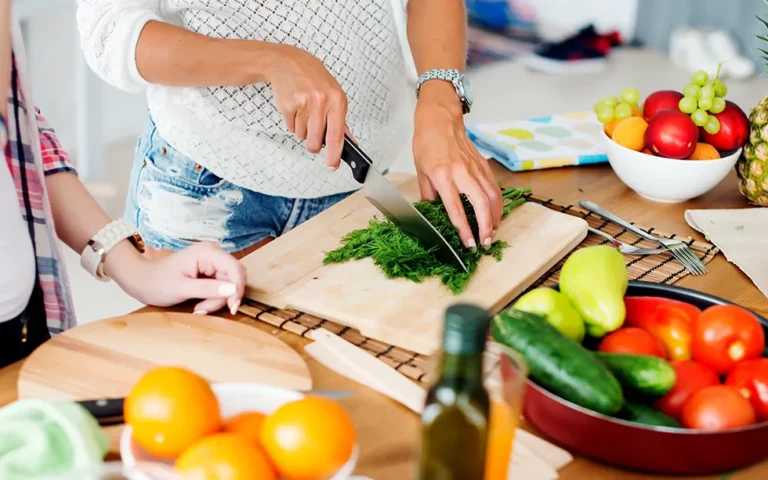
A pot of simmering stew creates an easy space for conversation. Friends trade stories while kneading dough; parents and children negotiate flavors and learn compromise. These low-pressure moments strengthen trust and leave participants more relaxed than when they arrived.
3. Cultural Preservation
Every stirred pot carries memory. Grandparents pass down spice blends, neighbors demonstrate holiday breads, and newcomers introduce hometown specialties. By cooking together, communities keep culinary accents alive for the next generation.
The Implications of Communal Cooking for Individuals and Communities
Beyond the immediate pleasures, shared preparation ripples outward:
1. Economic Impact
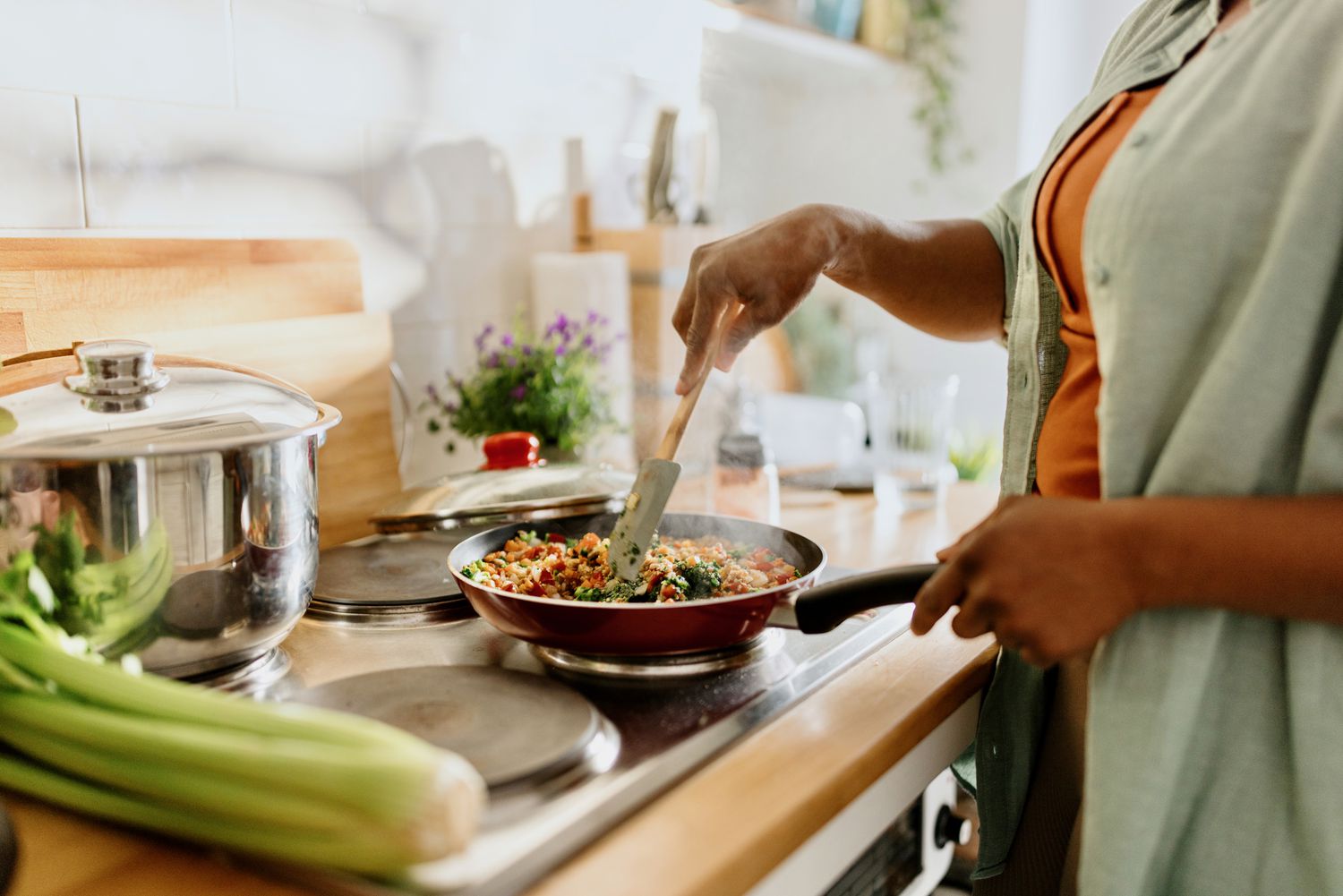
Local markets, evening classes, and small-batch producers all benefit when residents choose to cook. Skills-based workshops generate part-time jobs, while pop-up dinners attract visitors who spend money nearby.
2. Education and Skill Development
Reading a recipe, adjusting heat, and timing multiple dishes build practical competence. Children gain math confidence through measuring; teens practice leadership by guiding a team; adults refine creativity by improvising with seasonal produce.
3. Community Building
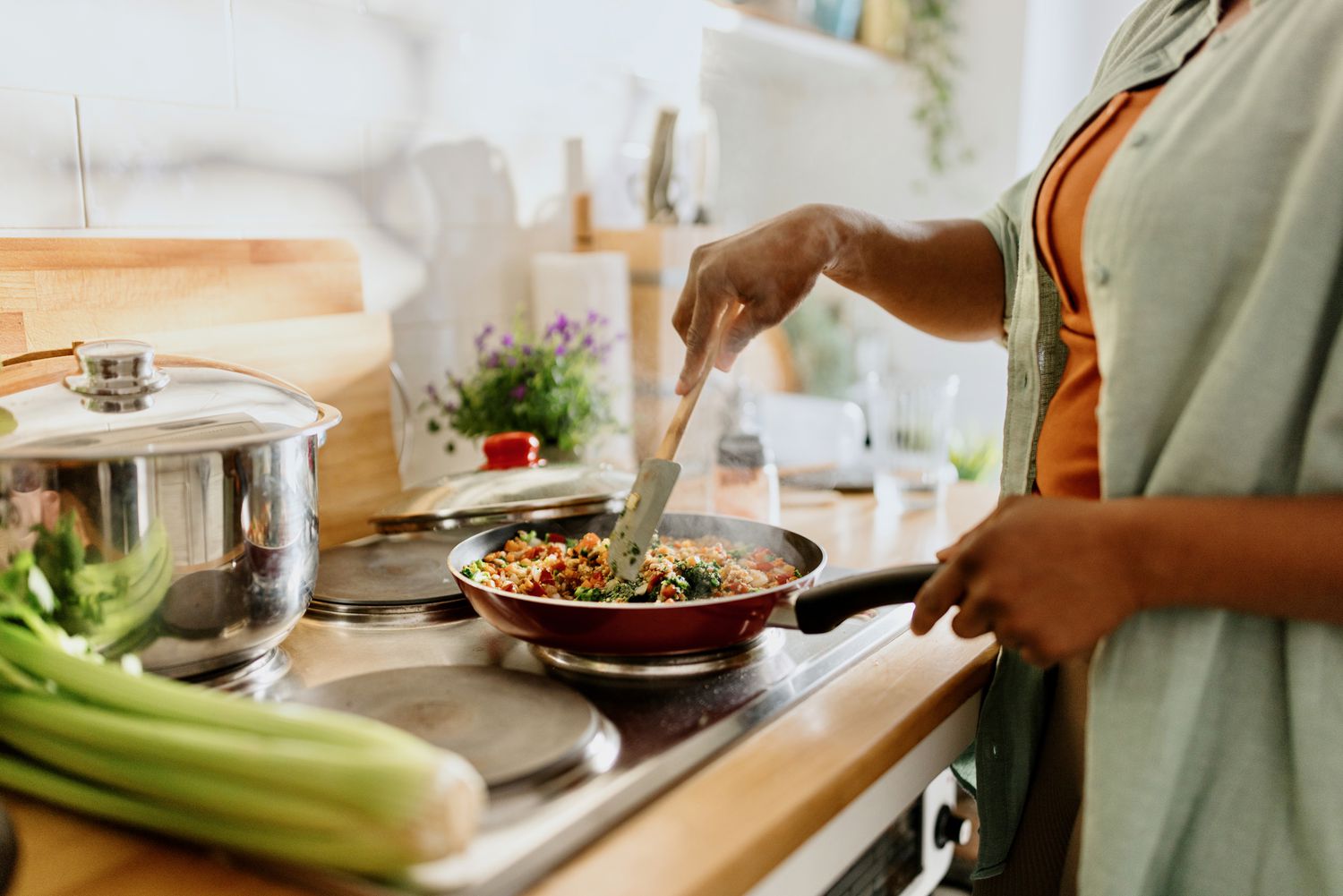
Street-wide soup nights, library cook-offs, and garden-to-table gatherings turn strangers into teammates. Shared meals dissolve barriers of age, language, and background faster than many formal programs, laying the groundwork for future cooperation on non-food projects.
Conclusion
Communal cooking is more than a nostalgic nod to the past; it is a flexible, low-cost strategy for improving well-being, safeguarding heritage, and knitting neighborhoods together. As schedules remain busy and digital screens dominate attention, the simple act of stirring the same pot offers a gentle, effective counterbalance.
Future Directions
To deepen understanding, upcoming efforts could:
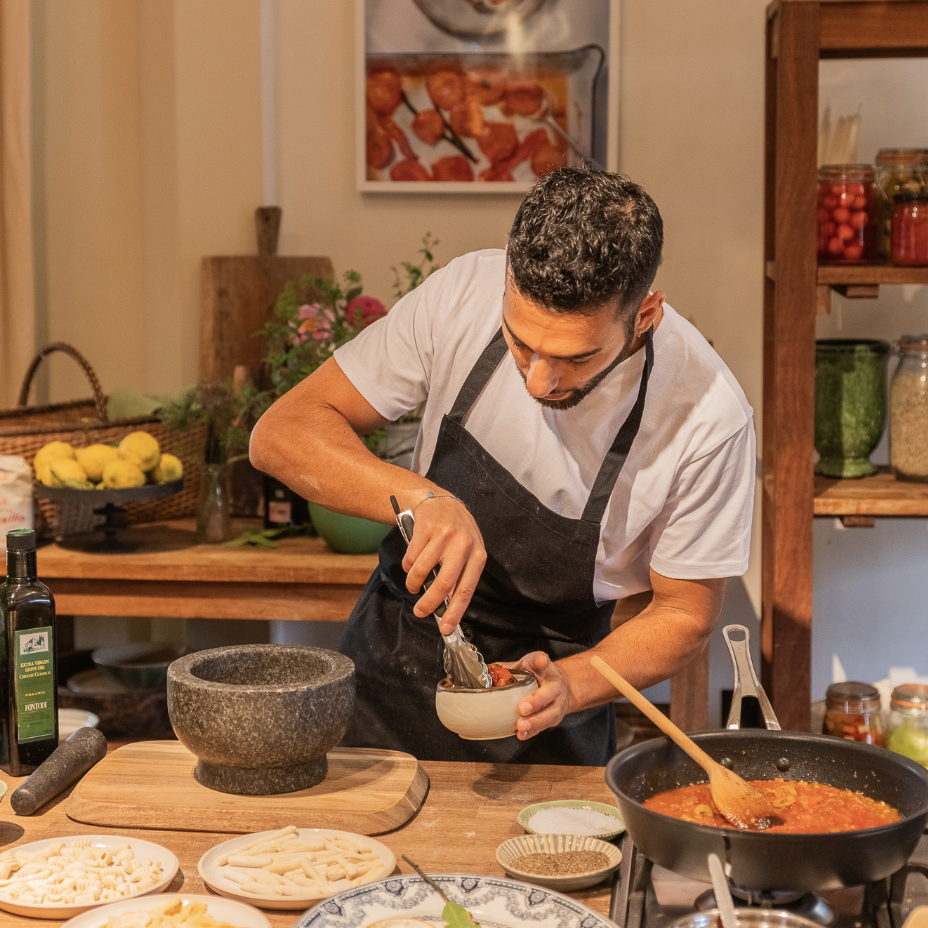
1. Track long-term health patterns among groups that cook together regularly.
2. Compare how different regions adapt communal cooking to fit local resources and customs.
3. Design outreach models that bring shared-kitchen initiatives to areas with limited facilities, ensuring broader access to both nutrition and companionship.
Exploring these avenues will clarify how a timeless activity can continue to nourish body, mind, and community in decades ahead.


